What a Heavy-Duty Conveyor Bracket Does on the Line
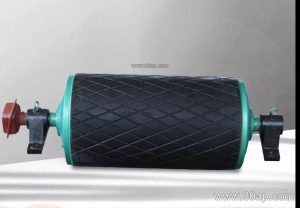
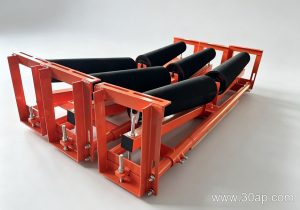
A Heavy-Duty Conveyor Bracket is the structural support that holds idler rollers in the correct position beneath and above the conveyor belt. On a loaded conveyor, every bracket carries a share of the material weight, the belt tension, and the vibration from moving rock or ore. In a quarry, a cement plant, or a coal handling system, a light bracket may distort or loosen over time; a heavy-duty conveyor bracket is built to keep the roller axis stable instead. It is a support component, not a pulley, and it should never be confused with a drive pulley, tail pulley, or bend pulley, which transmit motion and change belt direction.
Construction and Common Forms
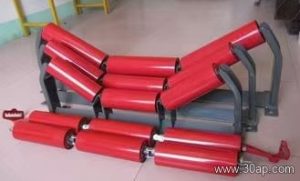
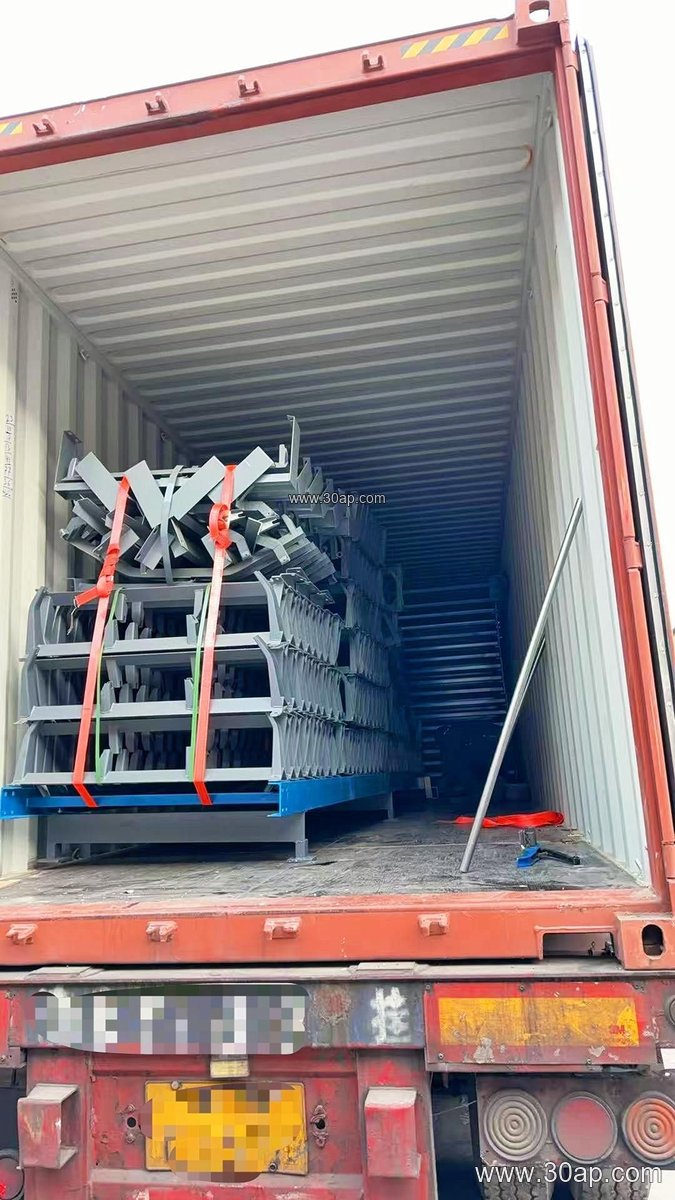
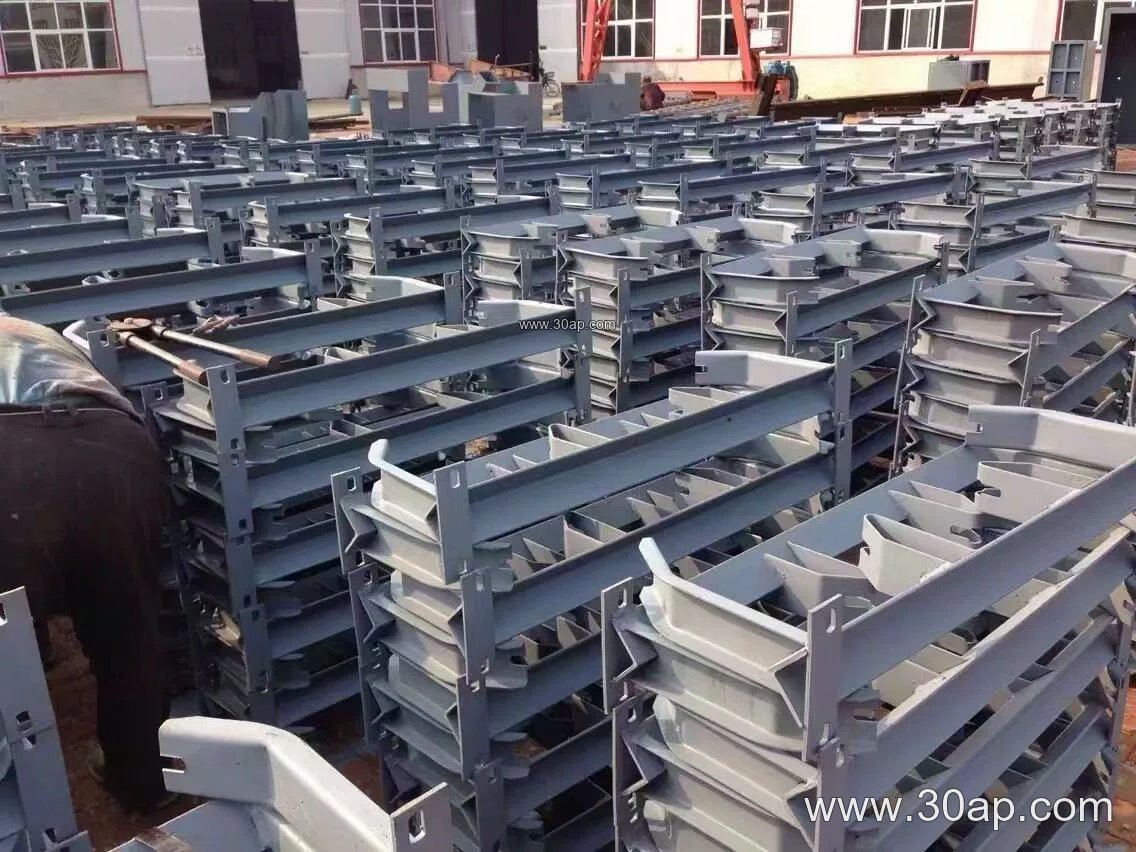
Most heavy-duty brackets are fabricated from angle steel, channel steel, or folded steel plate. The frame is welded or bolted, then drilled to match the idler shaft and the conveyor stringer. Common forms include troughing brackets for the carrying side, transition brackets near pulleys, return brackets, V-return brackets, impact brackets under loading points, self-aligning brackets, and adjustable brackets that allow the trough angle to be set on site.
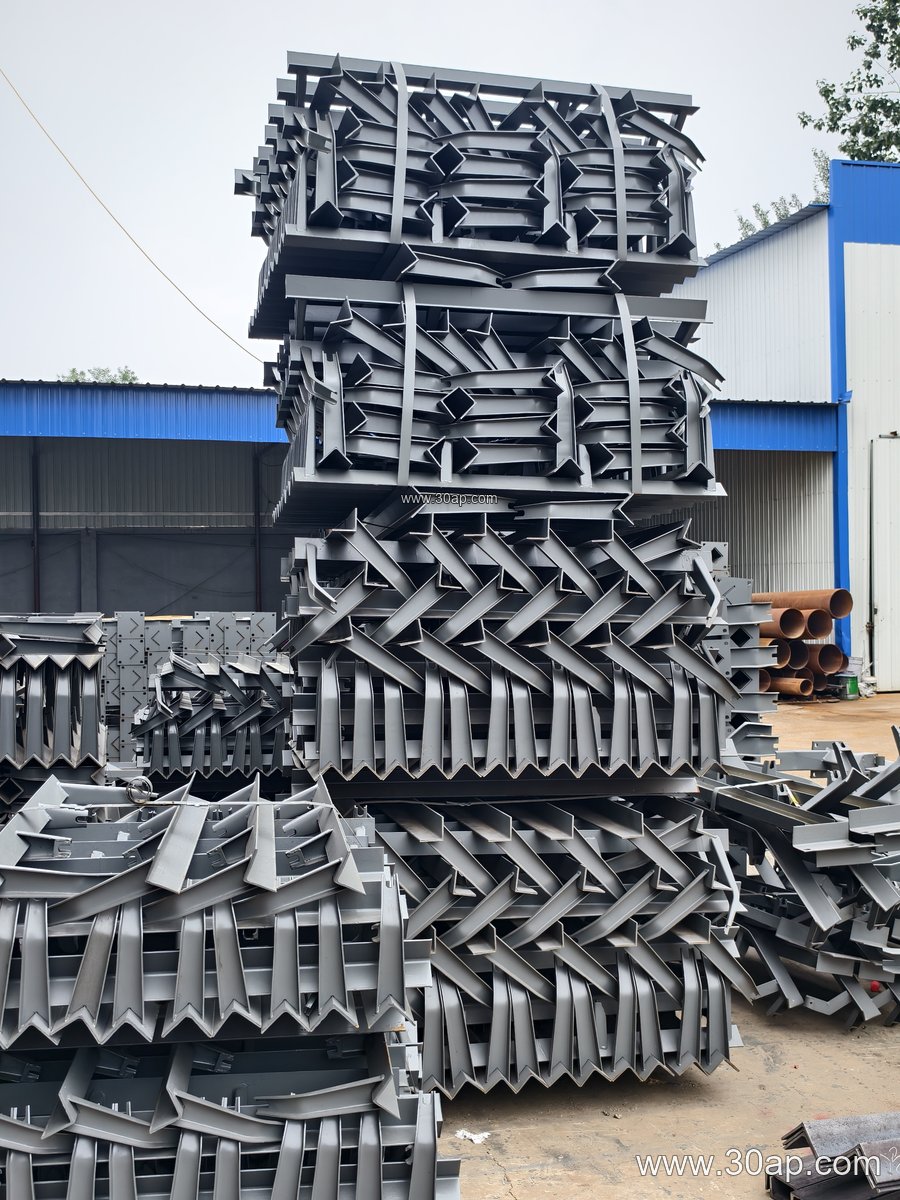
The table below shows reference combinations often seen in design drawings. These are examples, not fixed rules, and the actual hole spacing and beam length are set by the conveyor design.
- B500 bracket, 20–30 degree trough, Ø89 roller
- B650 bracket, 30 degree trough, Ø89 or Ø108 roller
- B800 bracket, 35 degree trough, Ø108 roller
- B1000 bracket, 35–45 degree trough, Ø133 roller
- B1200 bracket, 35–45 degree trough, Ø133 or Ø159 roller
- B1400 bracket, 35–45 degree trough, Ø159 roller
- B1600 bracket, 35–45 degree trough, Ø159 or Ø194 roller
- B1800–B2200 bracket, 35–45 degree trough, Ø194 roller
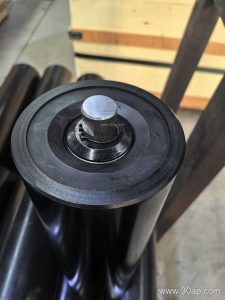
A single belt width can work with more than one trough angle and more than one roller diameter, so the bracket should be selected together with the idler and the belt, not in isolation. Adjustable brackets usually cover 20, 30, 35, and 45 degree positions; forward-tilted brackets are commonly set around 1.5 to 2 degrees to help belt tracking.
Where It Fits in Bulk Handling
In an iron ore or limestone crushing circuit, impact brackets sit under the chute where large lumps fall, protecting the belt and the roller frame. In a coal washing plant or power plant coal yard, flame retardant and anti-static belt grades are common, and the brackets must resist dust, moisture, and occasional wash-down. At a port ship loader or a cement clinker line, long conveyors use many troughing brackets in sequence, so consistent height and alignment matter as much as raw strength. The bracket works with the [conveyor pulley](/) at the head and tail, the idler roller along the run, and the conveyor belt itself to keep the trough shape stable.
Selection Points for Buyers
Start with belt width, trough angle, and roller diameter, then confirm the mounting hole pattern and stringer spacing. Check the material and plate thickness for the duty level, and ask how the bracket handles misalignment and belt wander. For a heavy-duty mining conveyor belt running at high tonnage, a reinforced troughing bracket and a well-matched [idler roller](/) reduce vibration and belt edge damage. Where the belt carries hot material such as sinter or clinker, a heat resistant conveyor belt may be used, and the bracket should keep enough clearance for thermal expansion. In dusty coal or grain silos, an anti-static conveyor belt and grounded steel brackets help control static build-up.
Installation and Maintenance Notes
Align brackets to a string line before final tightening, and recheck after the first loaded run. Inspect welds, bolts, and roller seats during planned shutdowns, especially at transfer points where impact and spillage are heaviest. A loose or bent bracket shows up as a sagging belt, a noisy roller, or uneven wear on one side, so early correction is cheaper than replacing belt sections. Keep spare brackets for the most heavily loaded positions, and match them to the same trough angle and roller size as the installed units.