Introduction to Custom Conveyor Bracket Systems
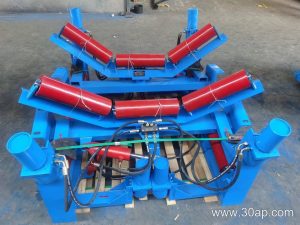
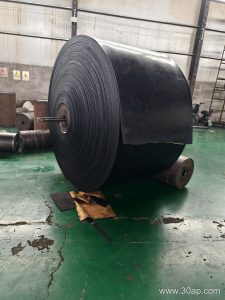
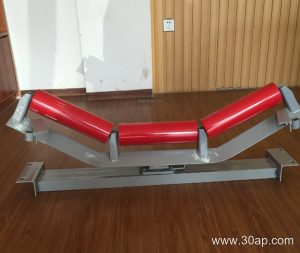
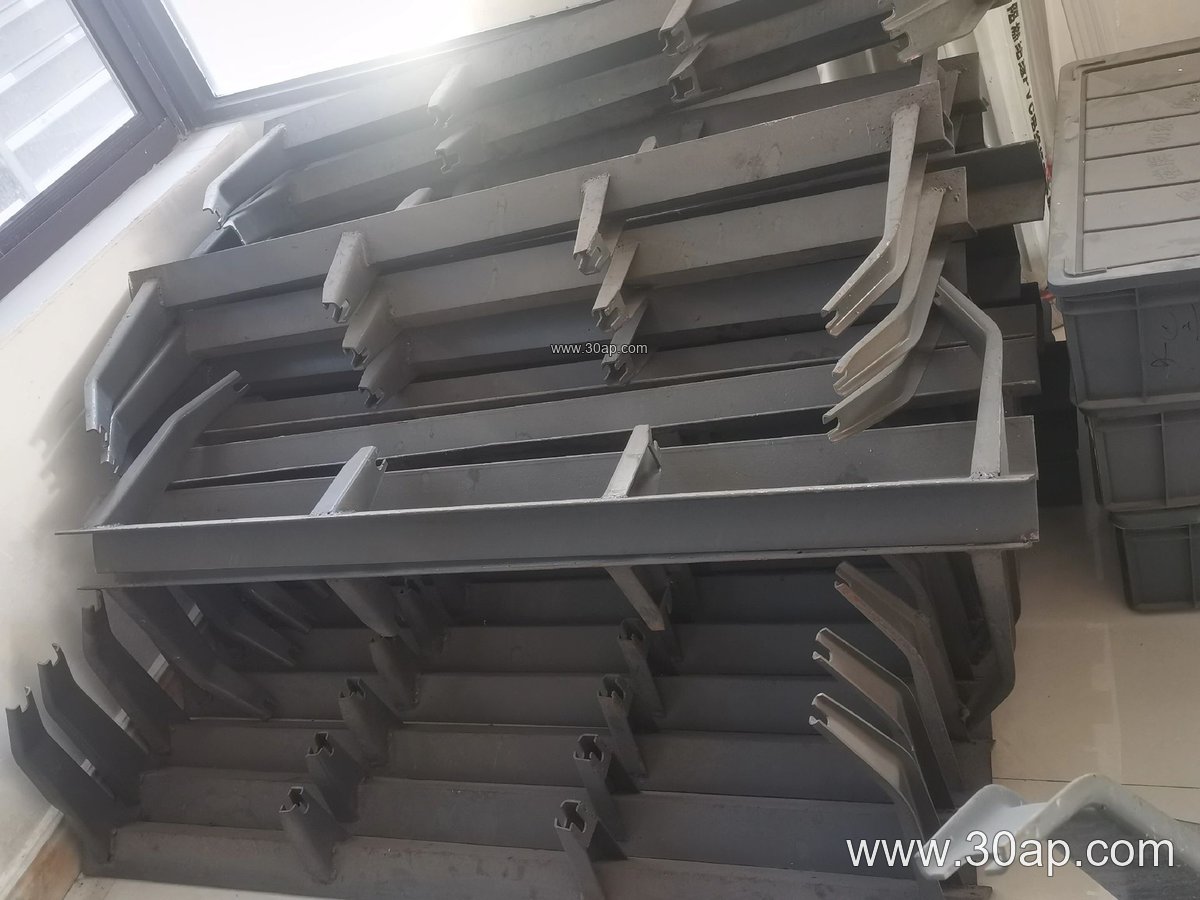
In heavy industrial environments such as a modern Steel Plant Conveyor Belt layout, mechanical stability relies heavily on how components are secured. A Custom Conveyor Bracket provides the precise structural interface required to mount idler roller assemblies accurately beneath a moving conveyor belt. Unlike off-the-shelf components, tailored bracket configurations accommodate unique frame dimensions, severe load angles, and specialized spatial constraints found in harsh processing plants.
Structural Types and Material Configurations
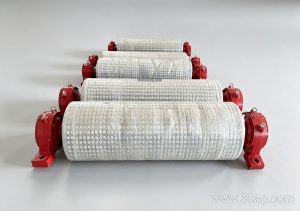
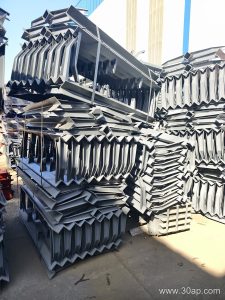
Fabrication methods for a robust custom conveyor bracket typically involve heavy-duty structural steel materials designed to withstand continuous mechanical stress and impact loading. Common structural profiles include hot-rolled angle iron, structural channel steel, and precision-formed steel plate bending. Depending on the operational demands of the system, such as a high-capacity Quarry Conveyor Belt line, these components are engineered into various functional types to support the overarching conveyor pulley and idler networks.
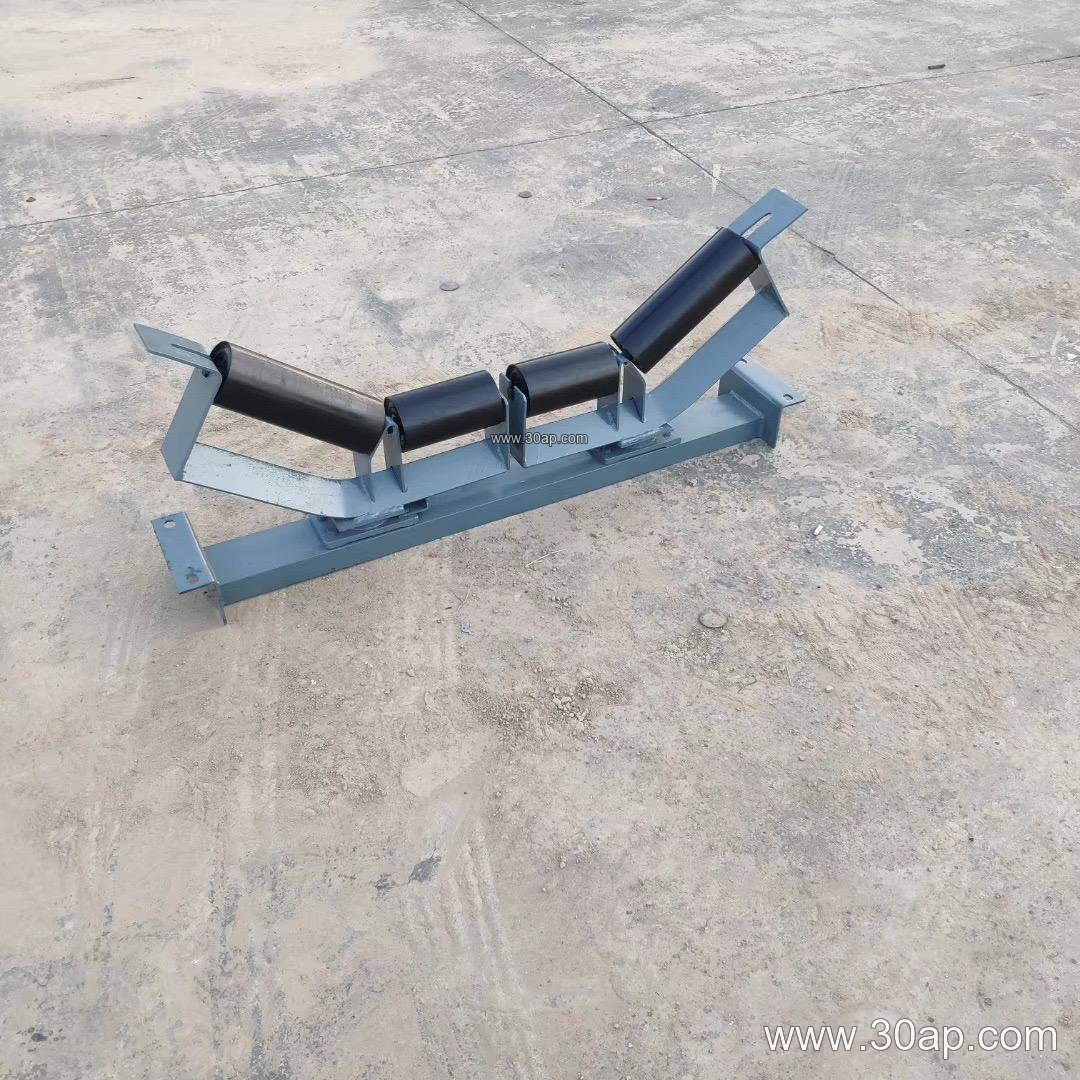
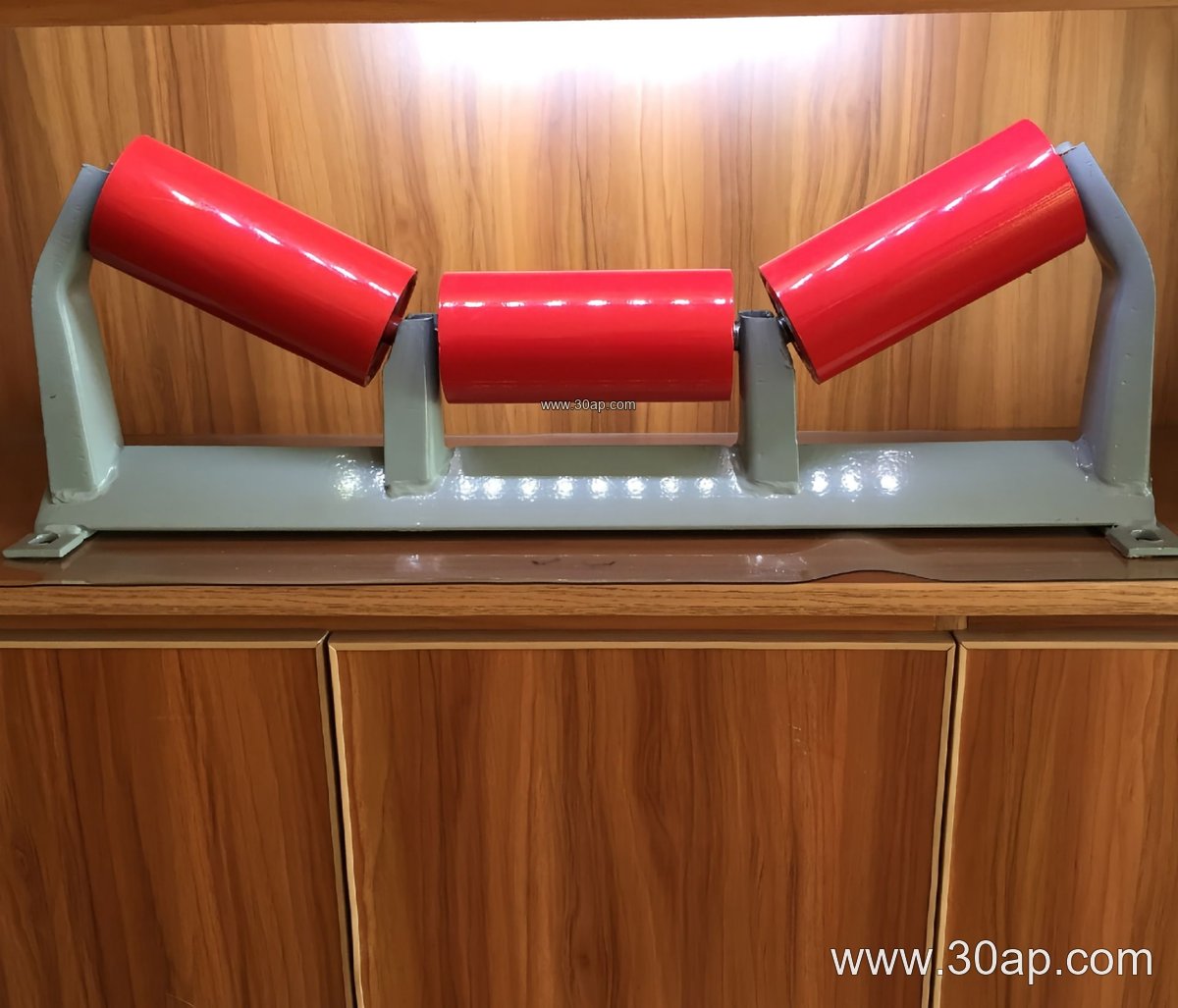
The selection of structural types must align with the mechanical requirements of the bulk material handling circuit. Below is a reference overview of common bracket types, associated belt widths, trough angles, and compatible roller diameters:
| Bracket Type | Supported Belt Width (mm) | Trough Angle (Degrees) | Roller Diameter (mm) |
|---|---|---|---|
| Upper Troughing Bracket | B650, B800, B1000 | 30, 35 | Ø89, Ø108, Ø133 |
| Impact Roller Bracket | B1200, B1400, B1600 | 35, 45 | Ø133, Ø159, Ø194 |
| V-Return Bracket | B800, B1000, B1200 | 10, 15, 20 | Ø108, Ø133 |
| Transition Bracket | B1000, B1200, B1400 | Variable (0 to 35) | Ø133, Ø159 |
Engineering Considerations for Plant Applications
When deploying support hardware in environments like a demanding Power Plant Conveyor Belt system, engineering teams must evaluate several geometric and mechanical factors. Bolt hole spacing and crossmember lengths vary dynamically depending on the selected belt width and chosen trough angle. For specialized tracking control, alignment options such as training idler brackets feature pivot mechanisms or slight forward tilt angles ranging commonly from 1.5 degrees to 2 degrees to correct lateral belt drift.
Proper integration ensures that the conveyor bracket maintains uniform load distribution across the entire idler assembly. This prevents premature wear on the rotating components and protects the integrity of the textile or steel cord carcass running above them. Engineers specify these tailored mounting units based on calculated load parameters, environmental exposure, and spatial limitations inherent to heavy industrial material transport.