Why Does a Conveyor Bracket Crack Near a Weld
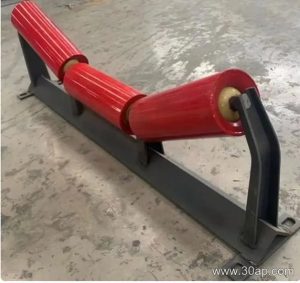
A crack at the weld toe of a conveyor bracket rarely means the steel was weak. It usually means the joint carried a load it was not shaped to carry. Walk the line and check three things before blaming the material.
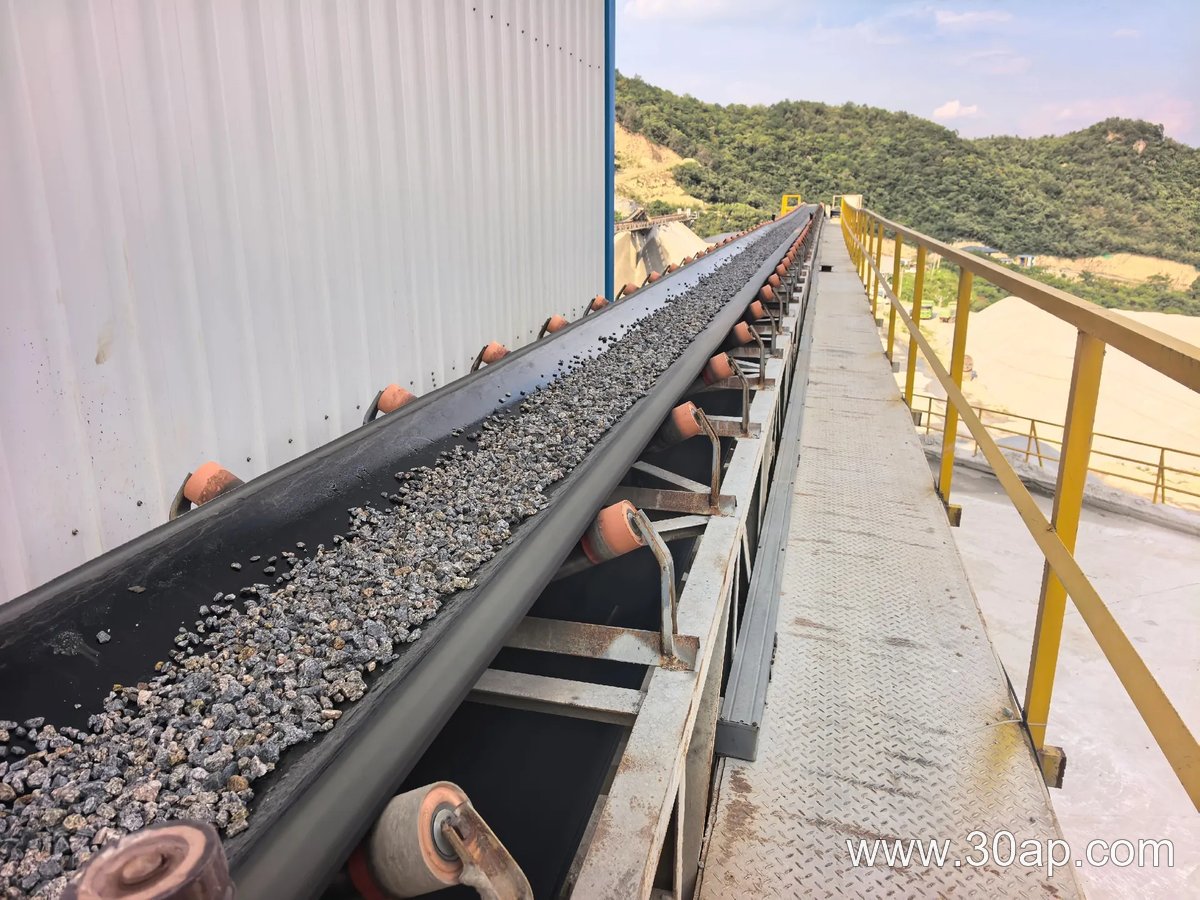
Plausible causes to separate
- Fatigue from vibration. A loose bolt lets the bracket fret, and the weld toe becomes the stress raiser.
- Poor fit-up. A gap filled by weld metal creates a notch that starts a crack under repeated belt loads.
- Overload. Material build-up on the idler adds weight the bracket was not sized for.
In a hypothetical general manufacturing line, a bracket cracked after several months because a worn idler let the belt track hard against one side. The weld was sound; the side load was not. Inspect the mating faces, check bolt torque, and confirm the idler still sits in its designed position before choosing a repair.
Why a Conveyor Belt Mistracks Only When the Ore Feed Is Uneven
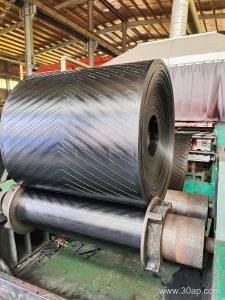
A conveyor belt that runs true empty but drifts under load usually points to a loading problem, not a belt defect. Off-center ore shifts the load’s center of gravity, pulling the belt sideways.
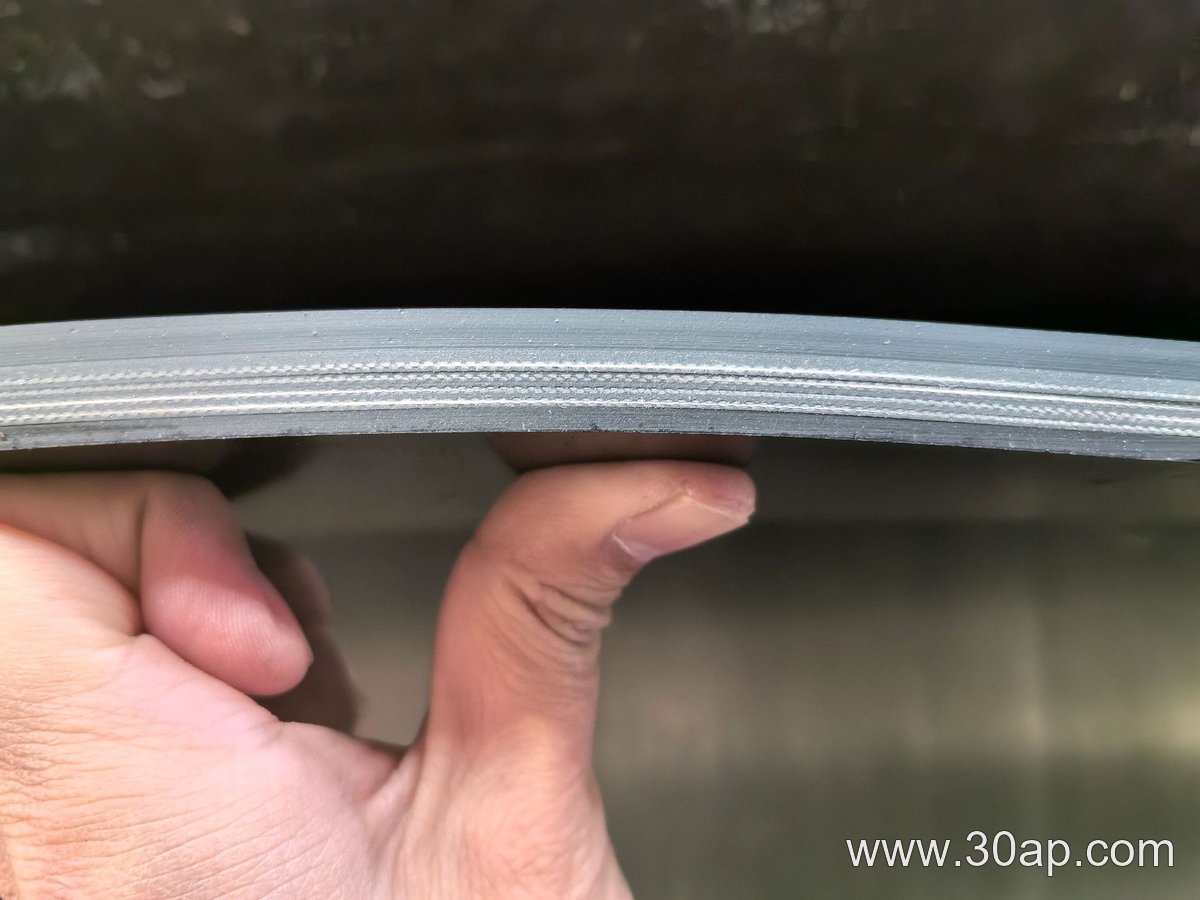
Checks and Causes
- Verify the chute discharges onto the belt centerline, not one edge.
- Inspect idlers for skew or seized rollers on one side.
- Confirm pulleys remain level and square to the frame.
Correct the feed first; belt training devices then hold alignment.
Why continuous duty stresses an idler roller differently
On a general manufacturing line that runs around the clock, the idler roller rarely fails from load alone. It fails from heat that cannot escape, grease that migrates away, and vibration that loosens fits over time. The question is not whether the roller is strong enough, but whether it can keep turning after thousands of hours without attention.
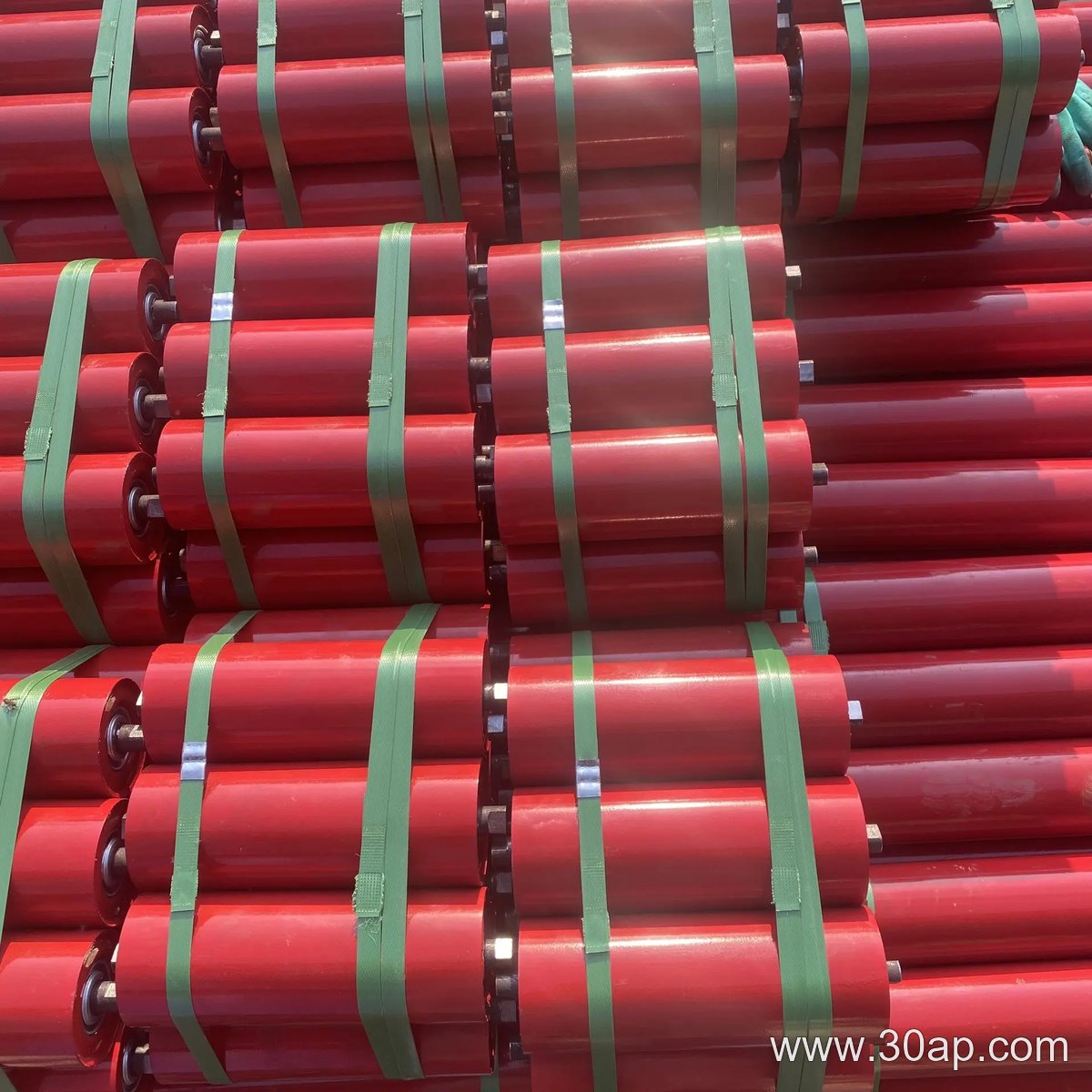
A focused troubleshooting sequence
- Check for a warm shell after several hours. A hot idler roller usually means bearing friction, not belt load.
- Listen at the bracket. A dry rumble points to lubricant loss; a rhythmic click points to a damaged race.
- Inspect the shaft ends for fretting marks. Movement here means the fit is loosening and the idler roller is rocking.
- Measure drag by hand during a stop. A roller that will not spin freely after a push is already near seizure.
If heat and drag appear together, replace the bearing housing seal first, then verify alignment before returning the idler roller to service.
Start with the operating conditions, not the catalog
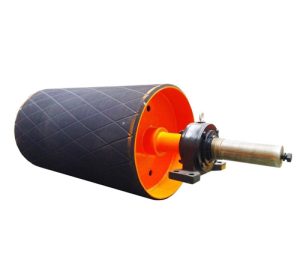
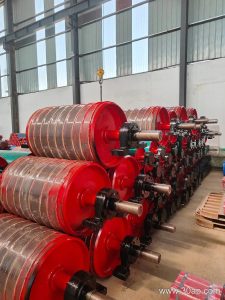
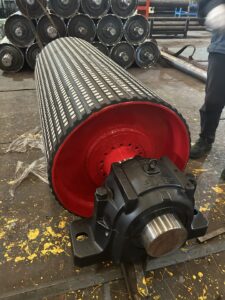
A common mistake is choosing a conveyor pulley by diameter alone. In a dusty quarry, abrasive dust, speed and temperature decide whether the pulley survives. First, measure the actual belt tension, speed, and ambient temperature range. Then, check the material path: dust that penetrates bearings will destroy them quickly.
Material and lagging choices
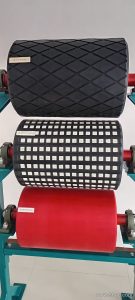
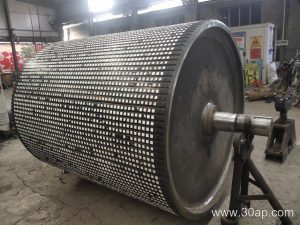
For a conveyor pulley in abrasive dust, a thicker shell and rubber lagging with a smooth surface reduce wear. In hot service, use heat-resistant lagging. Speed matters: high speed increases vibration, so dynamic balancing becomes critical.
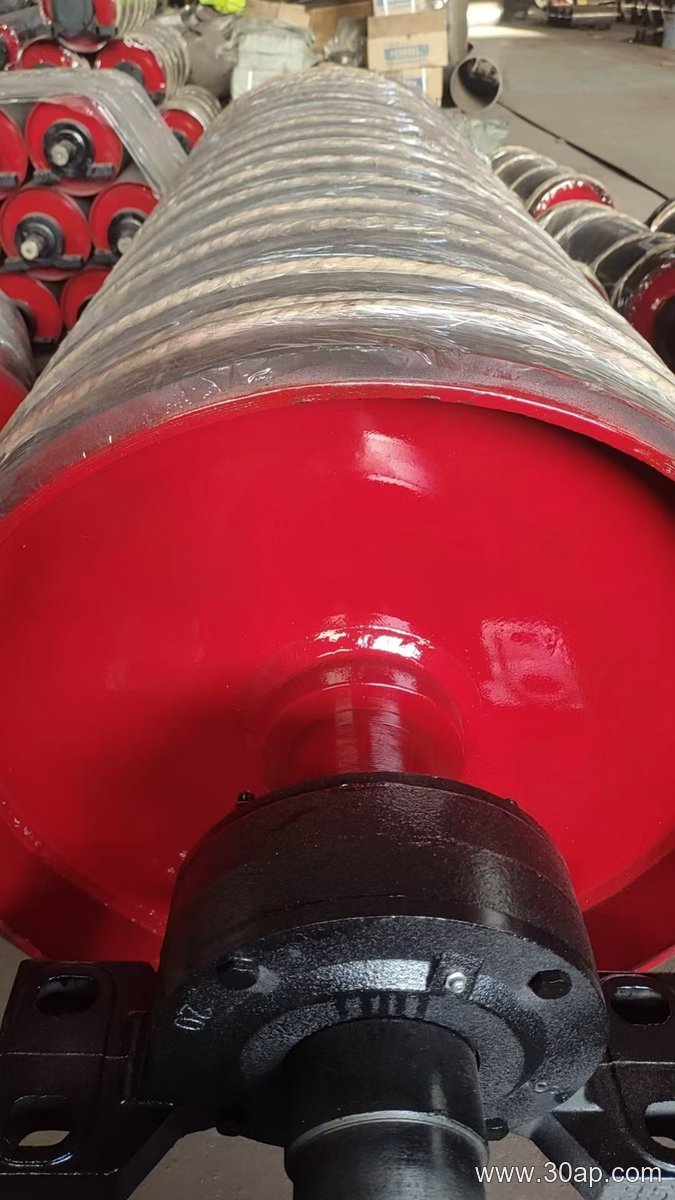
Operating condition checks
- Dust: specify sealed bearings and wear-resistant lagging.
- Speed: verify balancing grade and bearing speed limits.
- Temperature: match lagging and lubricant to the maximum continuous heat.
Document these checks before ordering. A conveyor pulley selected this way will last longer and reduce unplanned stops.