What a Lower Return Idler Does
A lower return idler is the roller that carries the empty side of a conveyor belt on its way back to the tail end. While the loaded strand rides on troughing idlers, the return strand runs underneath the conveyor frame, and this roller keeps it from sagging between support points. In a quarry, a coal washing plant, or a cement clinker line, the return side is easy to overlook, yet it affects belt tracking, power draw, and how long the belt itself lasts.
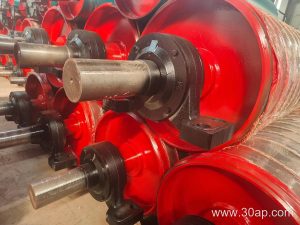
The same component is often called a return roller or a flat return idler, depending on the plant’s naming habit. These names point to the same product. They should not be confused with drive pulleys, tail pulleys, or bend pulleys, which transmit motion and change belt direction rather than simply supporting the returning belt.
How the Roller Is Built
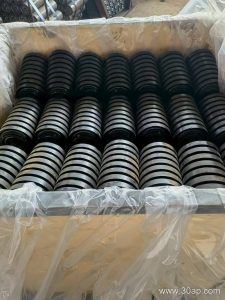
A typical lower return idler consists of a steel tube shell, two bearing housings, a shaft, and a sealing arrangement at each end. The shell is usually made from steel pipe, though nylon, ceramic, and rubber-disc surfaces appear where abrasion, buildup, or belt protection matters. Bearings such as 6204, 6205, 6305, 6306, 6308, or 6310 are common, but the bearing choice follows load and speed calculations rather than belt width alone.
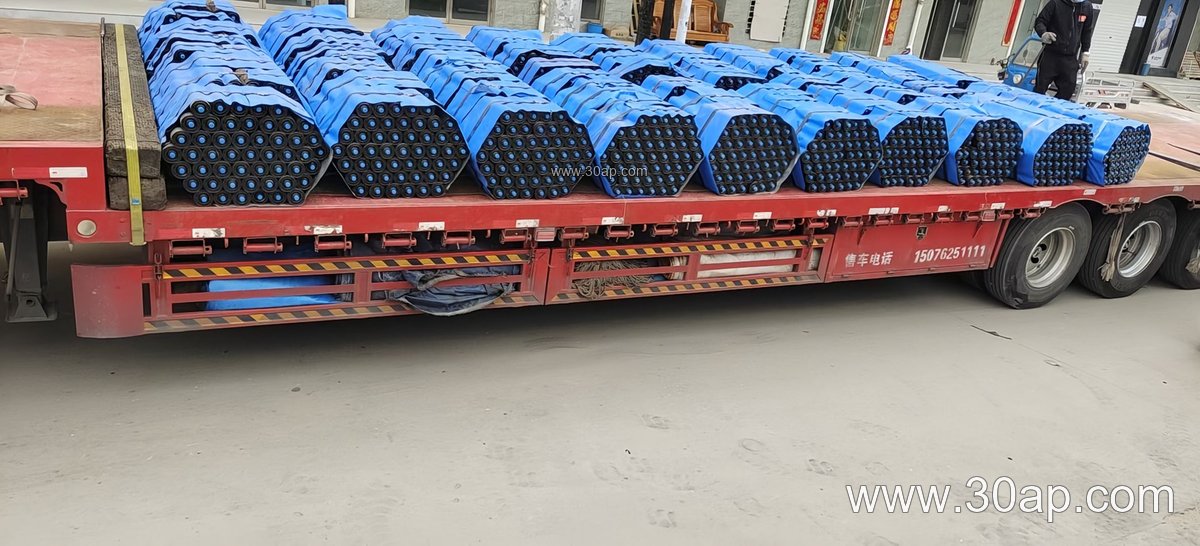
Sealing is the quiet hero of the design. Dust from crushed stone, fine coal, or cement powder will find any gap, so labyrinth seals and grease retention features are worth checking on a datasheet. A roller that loses its grease early will often seize, and a seized return roller can wear a flat spot into the belt before anyone notices.
Common Configurations and Dimensions
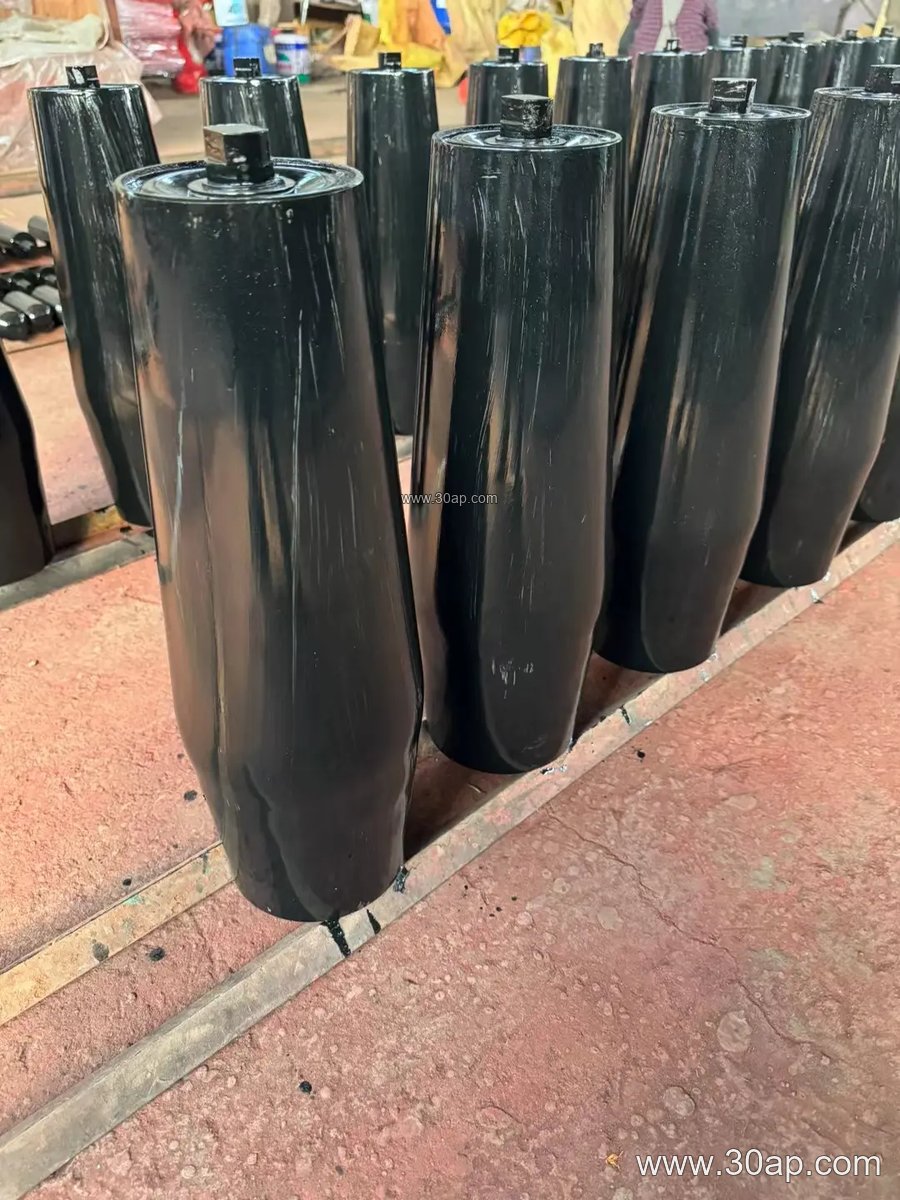
Most return positions use a single flat roller, but V-shaped return sets and two-roller arrangements are also used where belt training or material carryback is a concern. The table below gives reference ranges that appear across many conveyor designs; final values should always be confirmed against the conveyor drawing.
| Parameter | Common reference values |
|---|---|
| Roller diameter | Ø63, Ø76, Ø89, Ø102, Ø108, Ø127, Ø133, Ø159, Ø178, Ø194, Ø219 mm |
| Belt width | B400, B500, B650, B800, B1000, B1200, B1400, B1600, B1800, B2000, B2200, B2400 |
| Roller surface | Steel tube, nylon, ceramic, rubber disc |
| Bearing sizes | 6204, 6205, 6305, 6306, 6308, 6310 |
| Return set form | Single flat roller, V-return, two-roller |
Roller length is not fixed by belt width. It is set by the belt width, the frame width, and the return set form, and the shaft diameter should come from the load calculation, not from a rule of thumb based on belt width.
Where It Fits on the Conveyor
On a typical conveyor, lower return idlers are spaced along the return strand between the tail pulley and the drive pulley. Spacing is usually wider than on the carrying side because the belt is empty, but it still has to prevent sag that would cause belt whip or misalignment. In a tunnel spoil line or a fertilizer handling system, tight spaces sometimes push the spacing closer together.
Return rollers also interact with belt cleaners and ploughs. If a secondary cleaner is mounted near the tail, the first return idler after it should sit close enough to support the belt as it leaves the cleaner. In a crusher discharge or screening plant, carryback can build up on a flat return roller, which is one reason V-return or rubber-disc versions are sometimes selected.
What Buyers Should Check
- Confirm the roller diameter, shell length, and shaft end detail against the existing conveyor bracket and frame.
- Match the bearing and seal type to the site conditions: dusty, wet, or washdown duty may need a different seal class.
- Check the roller balance and runout for high-speed belts, since vibration shortens bearing life.
- Ask whether the return set is flat, V-shaped, or two-roller, and whether a training function is required.
- Verify that the roller surface suits the belt: rubber discs can protect the belt, while ceramic may suit abrasive fines.
- Keep a spare set on hand for critical conveyors in a steel mill or power plant coal yard, where downtime is costly.
A lower return idler is a small part of the conveyor, but it touches the belt on every revolution. Getting the diameter, sealing, and mounting right is more useful than choosing the heaviest roller available.