What a Ceramic Lagged Drive Pulley Does
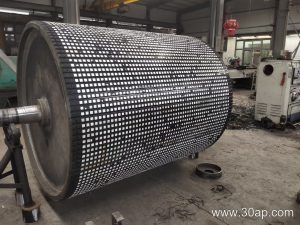
A ceramic lagged drive pulley is the head pulley that transmits motion to the conveyor belt in a bulk handling system. Its ceramic lagging—small alumina tiles embedded in a rubber matrix—raises friction between the pulley shell and the belt, reducing slip under high torque. This makes it a common choice in mines, cement plants, power stations, and quarry lines where wet, dusty, or oily conditions would otherwise cause a standard rubber lagged pulley to lose grip.
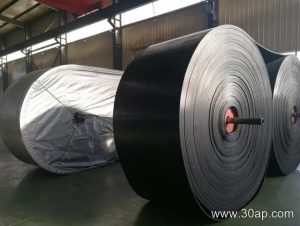
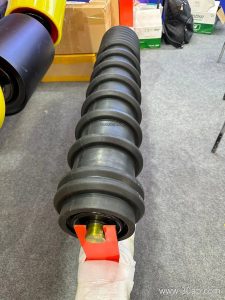
Unlike a tail pulley or a bend pulley, which mainly guide or tension the belt, the drive pulley carries the full driving force. The ceramic surface is therefore selected for wear resistance and grip rather than for simple tracking. In a typical conveyor, you will find the drive pulley at the discharge end, often paired with a conveyor belt, idler roller, and conveyor bracket assembly.
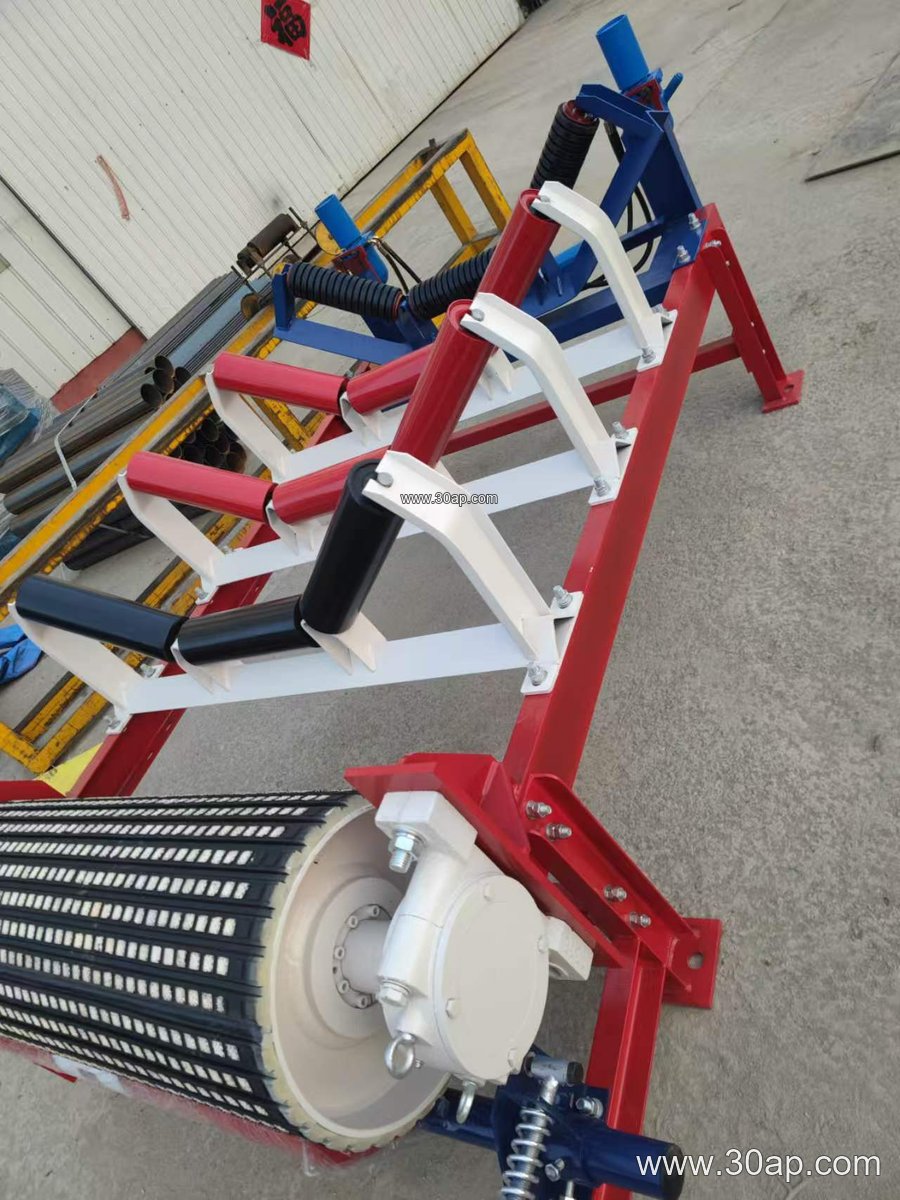
Construction and Surface Options
The pulley body is usually a welded steel shell with machined end discs and a shaft sized by torque and load—common shaft diameters include Ø80, Ø100, Ø120, Ø140, and Ø160 mm, though the final value depends on the drive design. The lagging is applied as tiles or strips with a rubber backing, then vulcanized or bonded to the shell. Ceramic lagging thickness commonly ranges from 8 mm to 20 mm, with 12 mm and 15 mm being frequent choices for heavy-duty mining conveyor belts.
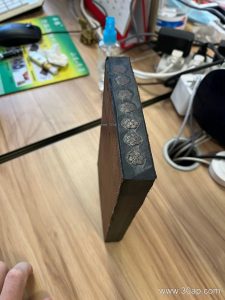
For comparison, a bend pulley may use plain rubber or diamond grooving because it does not need the same grip level. A ceramic lagged drive pulley is distinguished by its tile pattern—often square or rectangular tiles with exposed ceramic heads—which bites into the belt cover without damaging it.
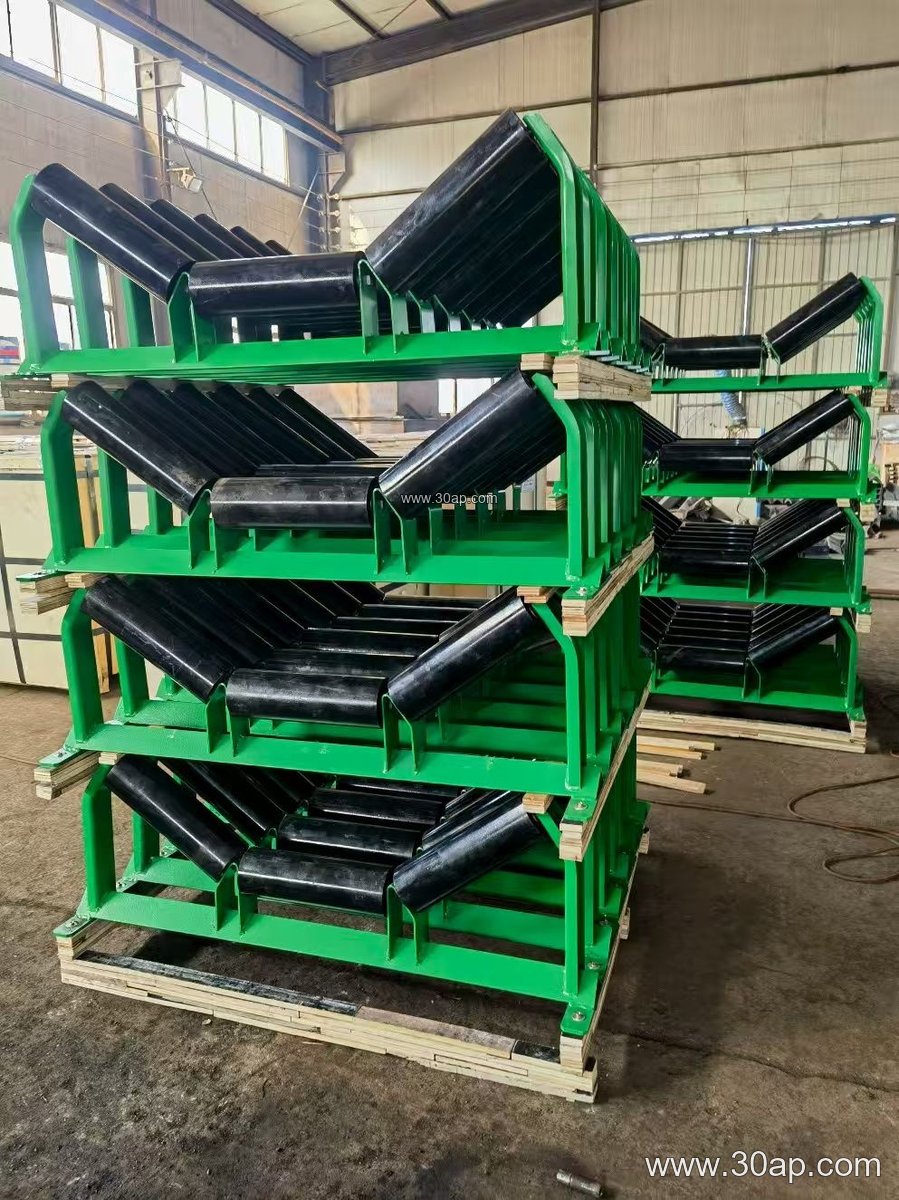
Common Reference Dimensions
Belt width and pulley diameter are matched by design, not by a fixed rule. The table below shows typical combinations for reference only.
- B650 belt width — pulley diameter Ø400 to Ø500 mm, shell width about 750 mm
- B800 belt width — pulley diameter Ø500 to Ø630 mm, shell width about 950 mm
- B1000 belt width — pulley diameter Ø630 to Ø800 mm, shell width about 1150 mm
- B1200 belt width — pulley diameter Ø800 to Ø1000 mm, shell width about 1400 mm
- B1400 belt width — pulley diameter Ø1000 to Ø1250 mm, shell width about 1600 mm
These are common ranges, not mandatory pairings. A B1200 × Ø1000 or B800 × Ø500 arrangement may appear in different plants depending on belt tension and space.
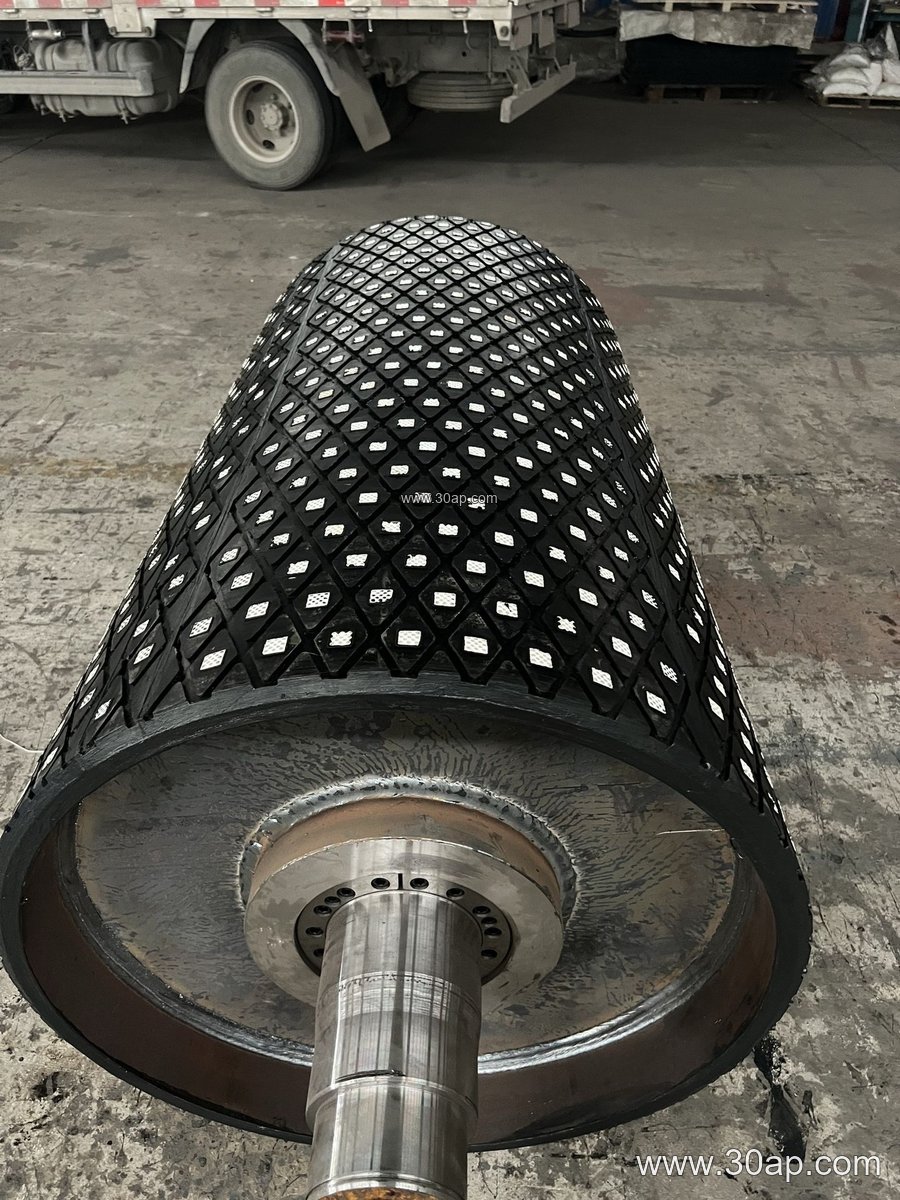
Where It Fits in the Plant
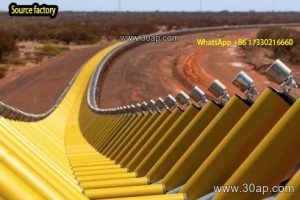
In a coal washing plant, a ceramic lagged drive pulley on the main feed conveyor keeps the belt moving when fines and water make the surface slick. In a limestone quarry, the same pulley type handles abrasive dust that would quickly polish a plain steel shell. It is also used in power plant coal handling, copper ore transport, and aggregate lines where the conveyor belt carries heavy loads up an incline.
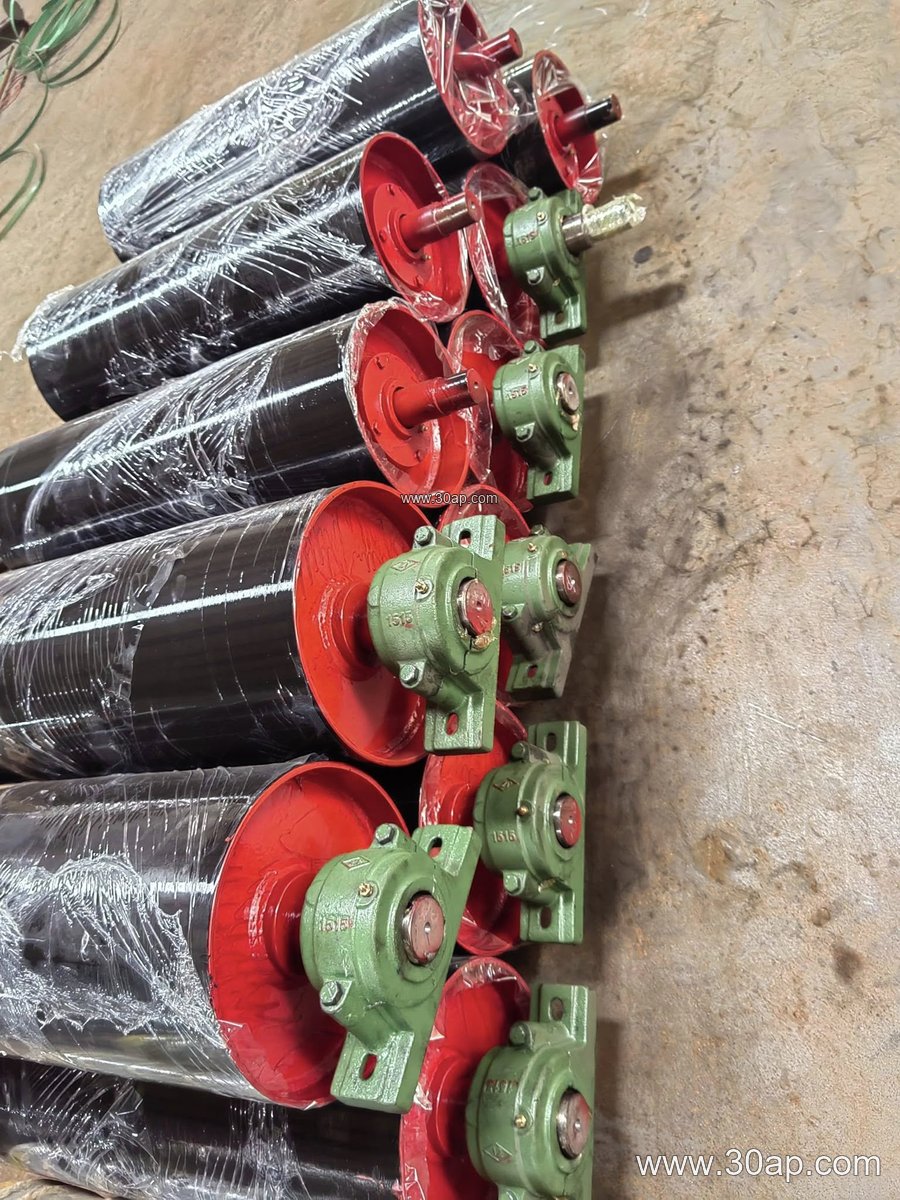
The pulley works with a range of belt types, including EP conveyor belt, steel cord conveyor belt, and flame retardant conveyor belt for underground mining. In underground coal mining, the ceramic lagging must be paired with anti-static and fire resistant conveyor belt to meet safety expectations, though the pulley itself is selected for grip and wear life.
Buyer Checklist
Before ordering, confirm the belt width, the required diameter, the shaft size, and the lagging thickness. Check whether the application needs a ceramic lagged drive pulley or whether a rubber lagged head pulley would suffice—ceramic is usually justified when slip is a recurring problem or when the belt is exposed to oil and water. Also verify the pulley’s compatibility with the conveyor bracket and the take-up system.
Ask for the tile pattern and bonding method, since poor adhesion can cause tile loss. For high-abrasion service such as iron ore or gold mining conveyor lines, a thicker lagging (15–20 mm) may be appropriate. Finally, confirm that the pulley is balanced for the intended belt speed and that the shaft keyway matches the drive coupling.
Related equipment such as the idler roller and conveyor bracket should be inspected at the same time, because a worn idler can accelerate belt wear and reduce the benefit of a ceramic lagged drive pulley.