What an Iron Ore Conveyor Belt Does
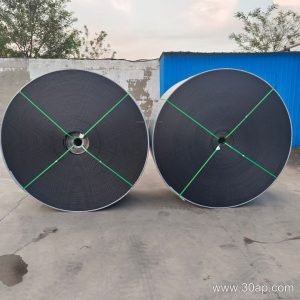
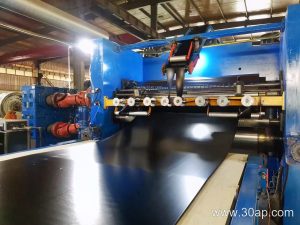
An iron ore conveyor belt is the load-carrying component of a bulk handling line that moves crushed or screened ore from a mine pit, stockpile, transfer station, or port berth toward the next process stage. Iron ore is dense, sharp-edged, and often wet or sticky, so the belt must combine high tensile strength with a tough, cut-resistant cover. In practice, an ore conveyor belt is usually a heavy-duty mining conveyor belt built on a fabric or steel cord carcass, selected to match the tonnage, incline, and lump size of each line. Whether the site is a mine, cement plant, power plant, coal preparation facility, or sand and gravel yard, the same engineering logic applies: the belt has to survive impact at the loading point and keep tracking through long runs.
Construction and Common Specifications
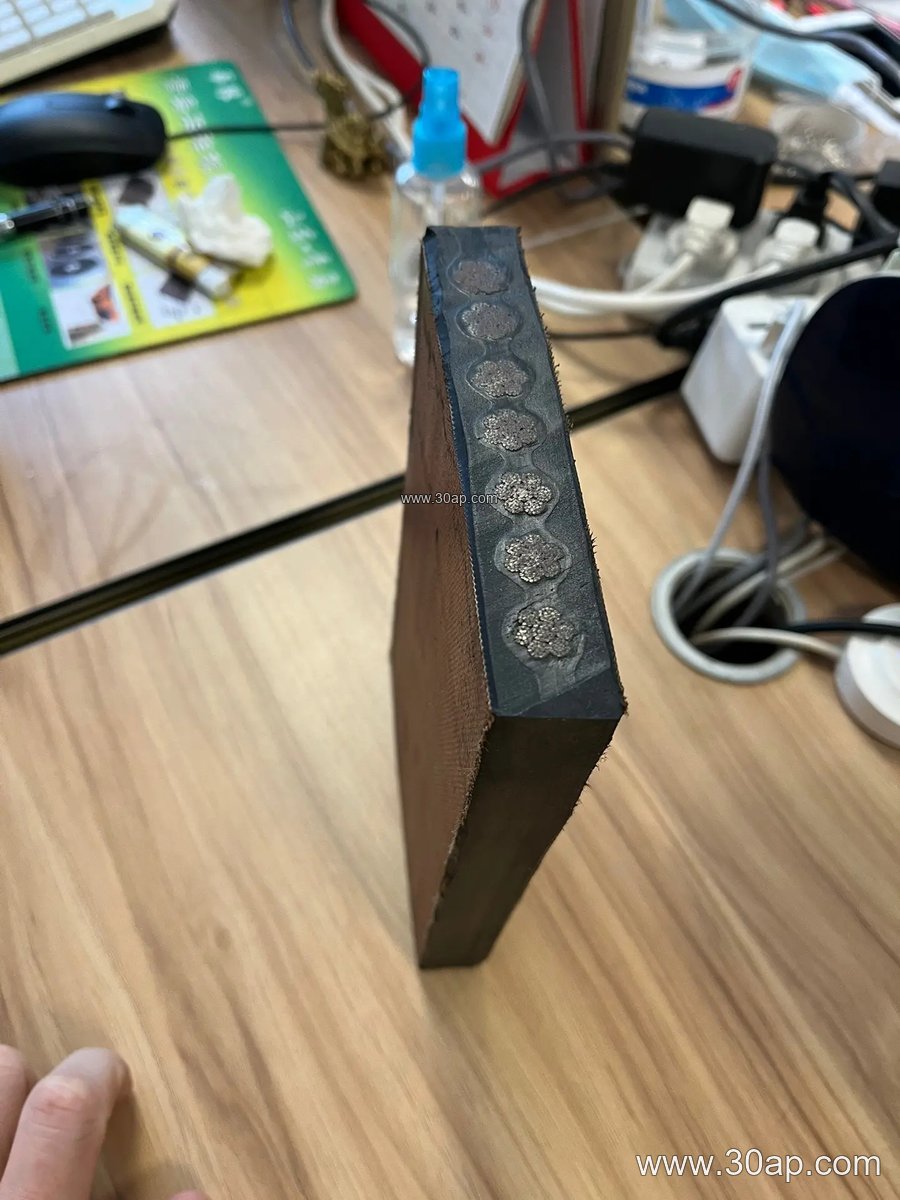
Most iron ore duties are served by one of two carcass families. Fabric-core belts use EP or NN plies, while high-capacity trunk conveyors often use a steel cord conveyor belt because it offers less elongation over long distances. Cover compounds are chosen for abrasion, heat, oil, flame retardance, or cold, depending on the site. The tables below show reference ranges that buyers commonly see; final values should always follow the design duty and the manufacturer’s data.
Typical carcass and strength options
- EP conveyor belt: EP200, EP315, EP400, EP500, EP630, EP800, EP1000, EP1250, EP1600, EP2000
- NN conveyor belt: NN100 to NN400 class ranges
- Steel cord conveyor belt: ST1000, ST1250, ST1600, ST2000, ST2500, ST3150
- Special covers: abrasion resistant, heat resistant, flame retardant, oil resistant, anti-static, cold resistant
Reference dimension ranges
Belt widths usually run from B500 and B650 up through B800, B1000, B1200, B1400, B1600, B1800, and B2000 for large ore terminals. Cover gauges are often quoted as 4+2, 5+2, 6+2, or 8+3 mm, with 2 to 6 plies in fabric constructions. These are reference values, not fixed rules, and a wide belt does not dictate a single pulley diameter — shaft and pulley sizing must come from the conveyor designer.
Where It Fits in the Plant
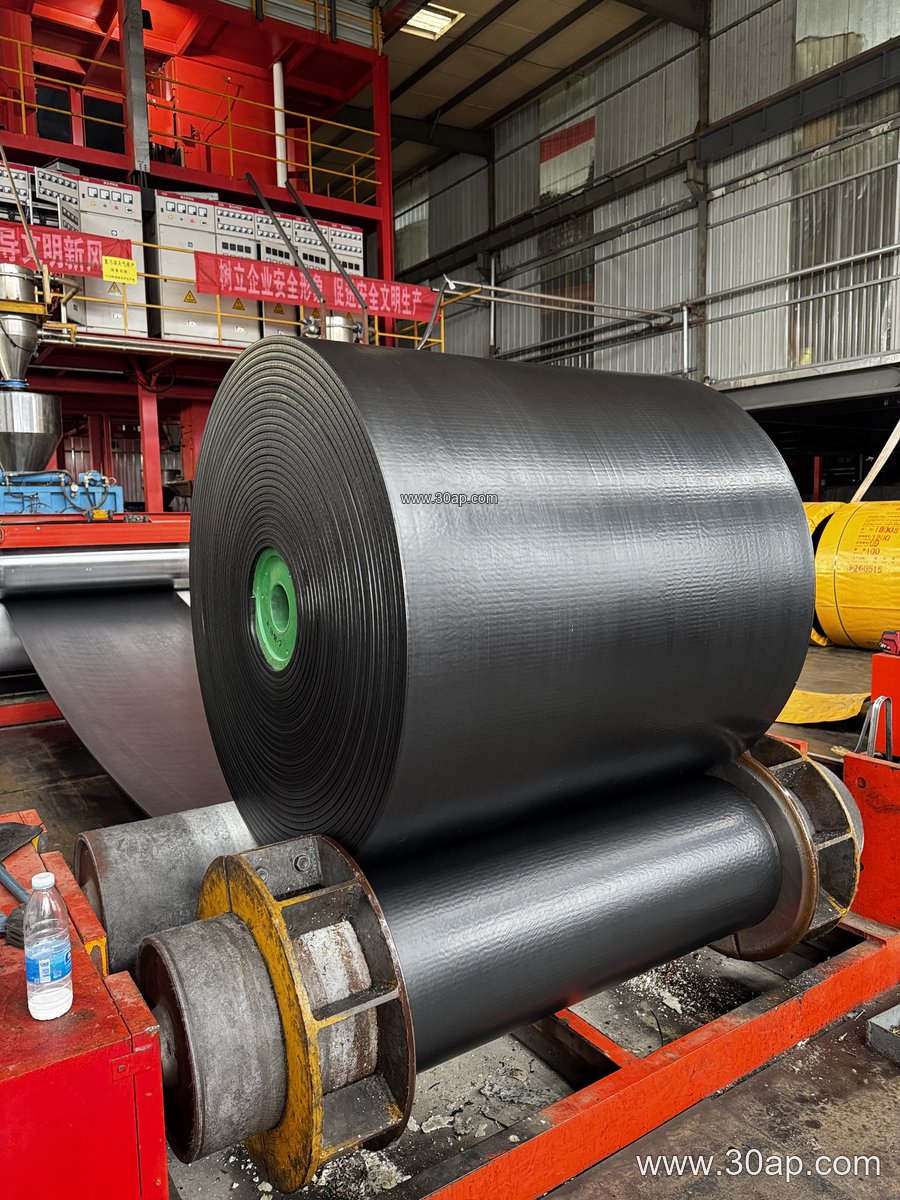
Iron ore handling lines appear across mining, steel plants, ports, and aggregate operations. A primary crusher discharge may use a heavy-duty belt with impact-resistant cover, while a ship loading conveyor at a port needs high strength and low stretch. Underground mining conveyor belts must also meet flame retardant requirements, and a coal mining conveyor belt shares many of those safety expectations. In a cement plant or power plant, the same belt family may feed raw material or limestone, and in a quarry or sand making plant it often works alongside a crusher conveyor belt and an aggregate conveyor belt.
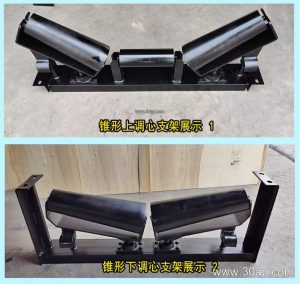
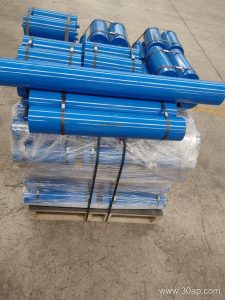
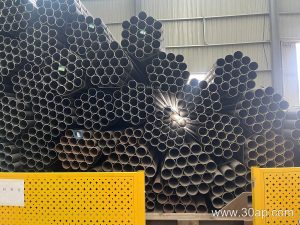
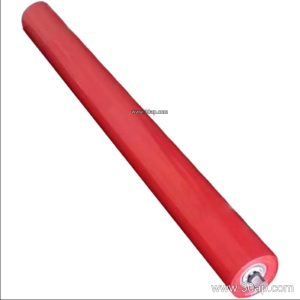
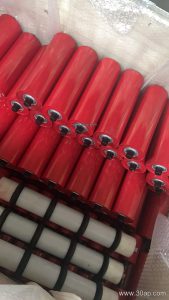
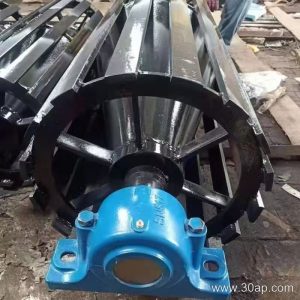
Ancillary equipment matters as much as the belt itself. A conveyor pulley at the drive, tail, and bend positions each has a different job, and they are not interchangeable. Idler rollers support the trough, while the conveyor bracket holds the idlers in alignment. A well-matched conveyor belt, pulley, and idler set reduces spillage and belt edge damage.
Selection Points for Buyers
Start with the material: lump size, moisture, temperature, and abrasiveness. Then confirm the required tensile grade, belt width, cover thickness, and troughability. For inclined sections, a chevron conveyor belt or a corrugated sidewall conveyor belt can prevent rollback, while a skirted conveyor belt helps contain material at transfer points. Enclosed routes may call for a pipe conveyor belt, and hot sinter or pellet duties may need a heat resistant conveyor belt. A flame retardant conveyor belt and anti-static grade are common where fire or dust risk is present.
- Check impact energy at the loading chute and specify cushion idlers if needed.
- Confirm cover grade against abrasion, oil, heat, or cold exposure.
- Ask for splice data and whether an endless conveyor belt is preferred.
- Match pulley and shaft sizing through the conveyor designer, not from belt width alone.
- Plan inspection of covers, edges, and splices as part of routine maintenance.
The right iron ore conveyor belt balances carcass strength, cover durability, and site safety requirements. Buyers who compare EP, NN, and steel cord options against real duty conditions will get longer service life and fewer unplanned stops.