What a Conveyor Support Bracket Does
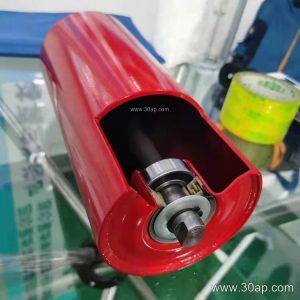
A conveyor support bracket is the structural interface between the idler roller and the conveyor frame. It holds the roller at the correct height, angle, and spacing so the conveyor belt runs smoothly under load. In a typical troughing arrangement, the bracket carries three rollers set at a trough angle, while return brackets support the belt on its lower run. The bracket itself does not drive or tension the belt—those jobs belong to the drive pulley and tail pulley—but it directly affects belt tracking, wear, and energy use. For operators in a quarry, a coal washing plant, or a cement plant, a well-matched bracket set keeps the belt centered and reduces spillage.
Construction and Materials
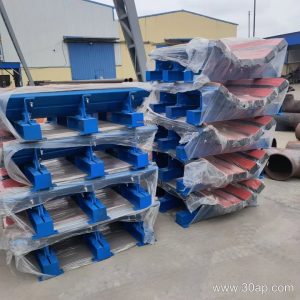
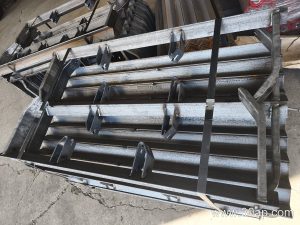
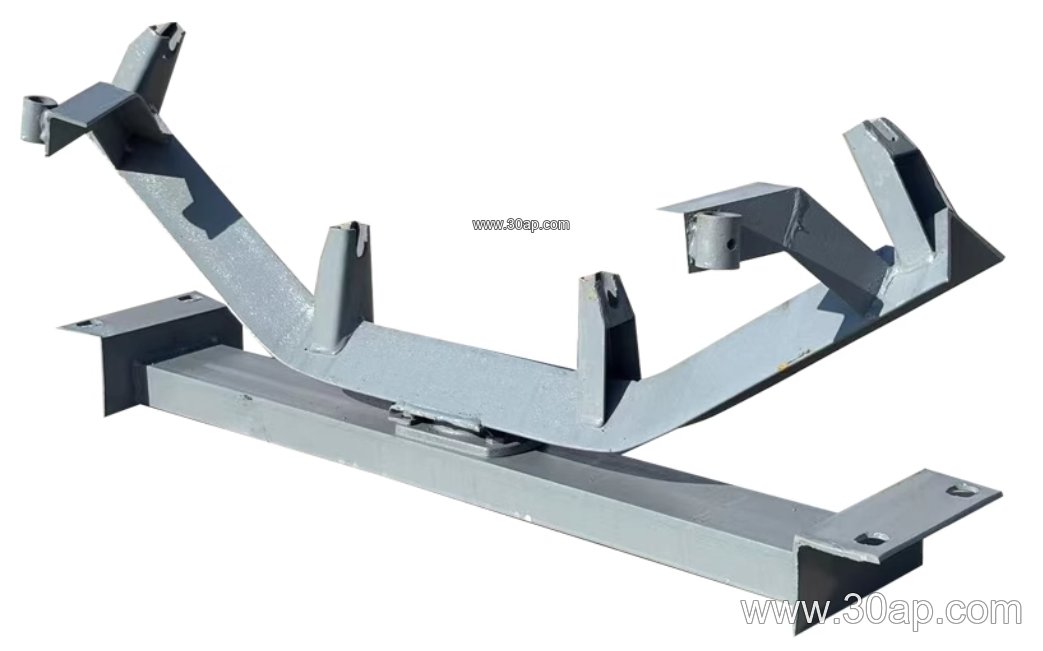
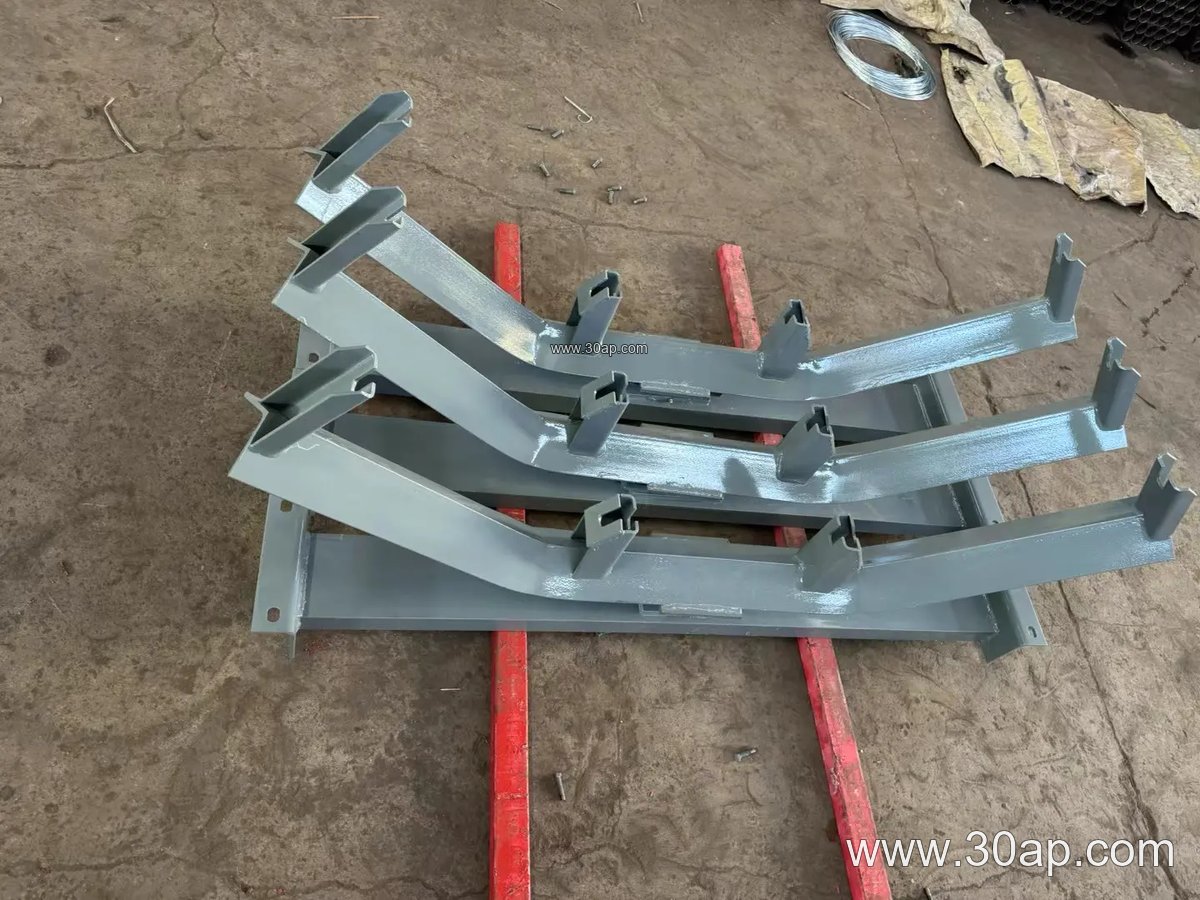
Most brackets are fabricated from angle steel, channel steel, or folded steel plate. The choice depends on load and environment. In a sand and gravel line, a folded plate bracket with a reinforced gusset often handles shock loads from coarse aggregate. In a port handling bulk material, channel steel brackets may be preferred for stiffness over long spans. The bracket usually includes mounting holes for the idler shaft, a crossbeam connection to the main frame, and sometimes an adjustable slot for fine-tuning trough angle. Common trough angles include 20, 30, 35, and 45 degrees; a transition bracket may use a shallower angle near the tail pulley to help the belt form its trough gradually.
Types and Typical Configurations
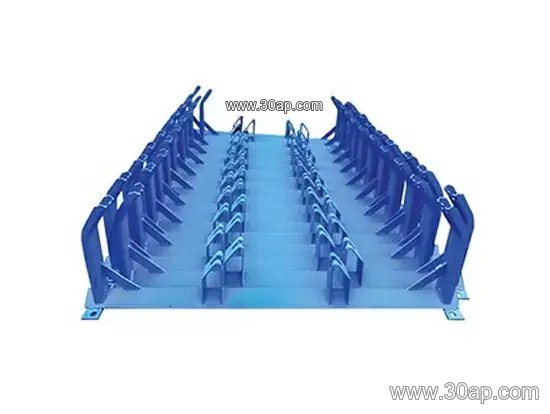
Brackets are not interchangeable across positions. A carry-side troughing bracket differs from a return bracket, and a self-aligning bracket differs from a fixed one. The table below gives common reference combinations; actual dimensions follow the conveyor design.
| Bracket Type | Common Belt Width | Trough Angle | Idler Diameter |
|---|---|---|---|
| Troughing bracket | B800 | 35 degrees | Ø108 |
| Transition bracket | B1000 | 20–30 degrees | Ø133 |
| Return bracket (V-type) | B1200 | — | Ø133 |
| Impact bracket | B1400 | 35–45 degrees | Ø159 |
| Adjustable bracket | B650–B1600 | 20–45 degrees | Ø89–Ø194 |
These values are examples, not fixed pairings. A B1200 belt may run at 35 or 45 degrees depending on material surcharge, and the roller diameter should be selected from load and speed, not belt width alone.
Where Brackets Are Used
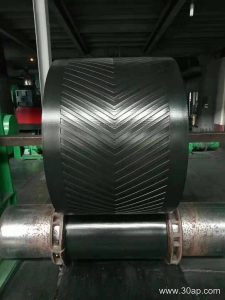
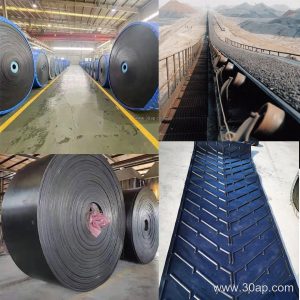
Support brackets appear wherever a conveyor belt changes direction or carries material. In an iron ore terminal, heavy-duty brackets under a steel cord conveyor belt must resist abrasion and impact. In a power plant coal yard, flame retardant conveyor belt and self-aligning brackets work together to keep the belt from drifting. In a fertilizer or grain silo, a lighter bracket with a smooth finish may be enough. The same bracket family also serves crusher discharge conveyors and tunnel spoil lines, where the belt may be a chevron or corrugated sidewall type.
Selection and Maintenance Notes
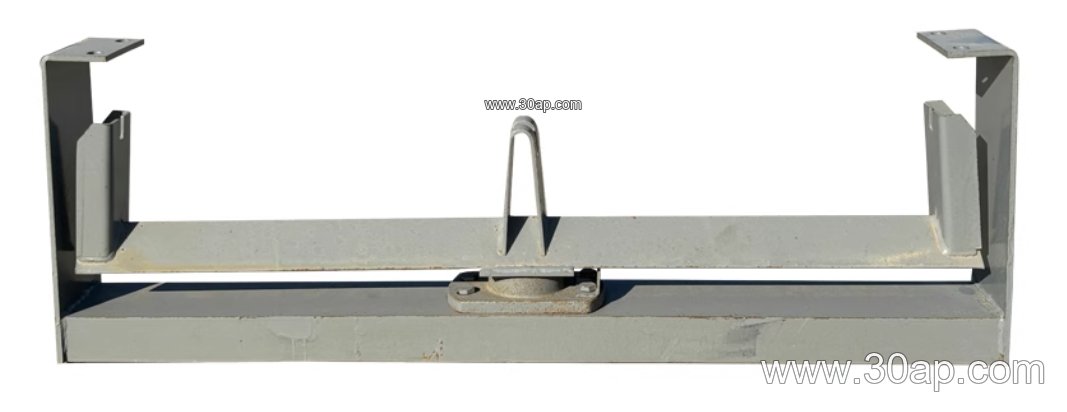
Buyers should confirm the belt width, trough angle, roller diameter, and mounting hole spacing before ordering. For a multi-ply fabric core conveyor belt or an EP conveyor belt, the bracket spacing is usually set by the belt sag limit, often around 1.0 to 1.5 meters on the carry side. On the return side, spacing can be wider. Adjustable brackets are useful where the belt needs fine tracking correction or where future changes in trough angle are expected. During maintenance, check for loose bolts, bent crossbeams, and worn idler seats; a damaged bracket can misalign the idler roller and cause edge wear on the conveyor belt. Keep spare brackets on hand for high-wear zones such as transfer points and crusher discharges.
Buyer Checklist
- Match bracket type to position: carry, return, transition, or impact.
- Confirm belt width and trough angle against the conveyor drawing.
- Select idler diameter from load and speed, not from width alone.
- Check material and finish for the site environment—dust, moisture, or heat.
- Verify mounting hole spacing and crossbeam length with the frame supplier.
For more on matching brackets with conveyor belt, idler roller, and conveyor pulley components, review the full conveyor line design rather than the bracket in isolation.