What a PVC Mining Conveyor Belt Is
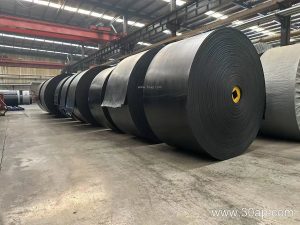
A PVC Mining Conveyor Belt is a solid-woven fabric belt whose covers and carcass are impregnated and coated with polyvinyl chloride. Unlike rubber belts built around separated fabric plies, the PVC type is a single integrated body, which makes it light, flexible and resistant to moisture and many chemicals. In mining and quarrying it is often chosen for secondary haulage, gathering lines and yard conveyors where a flame-retardant, anti-static belt is required and where loads are moderate rather than extreme.
The same product is also sold as a PVC conveyor belt for mining duty, and buyers should confirm that the grade offered matches the working environment rather than treating the name alone as a specification.
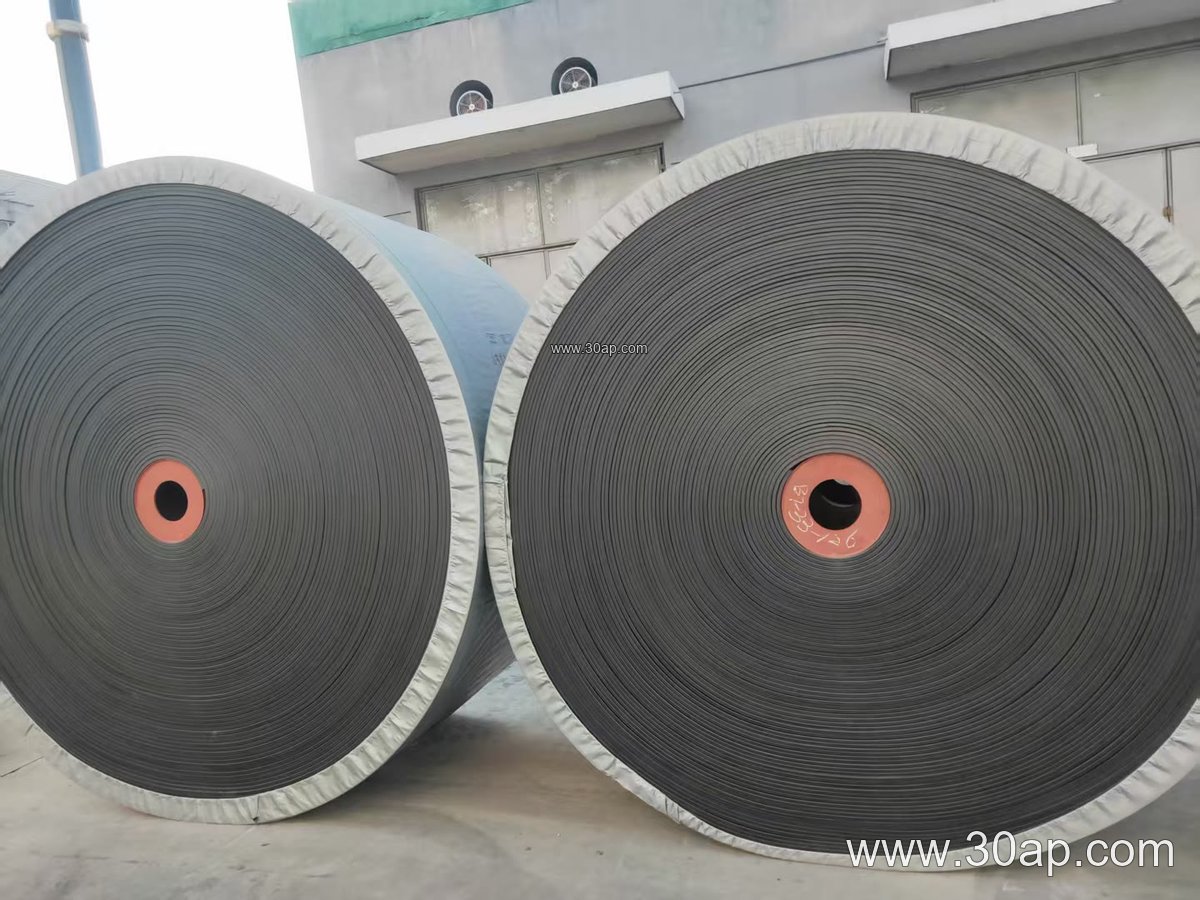
How the Belt Is Built
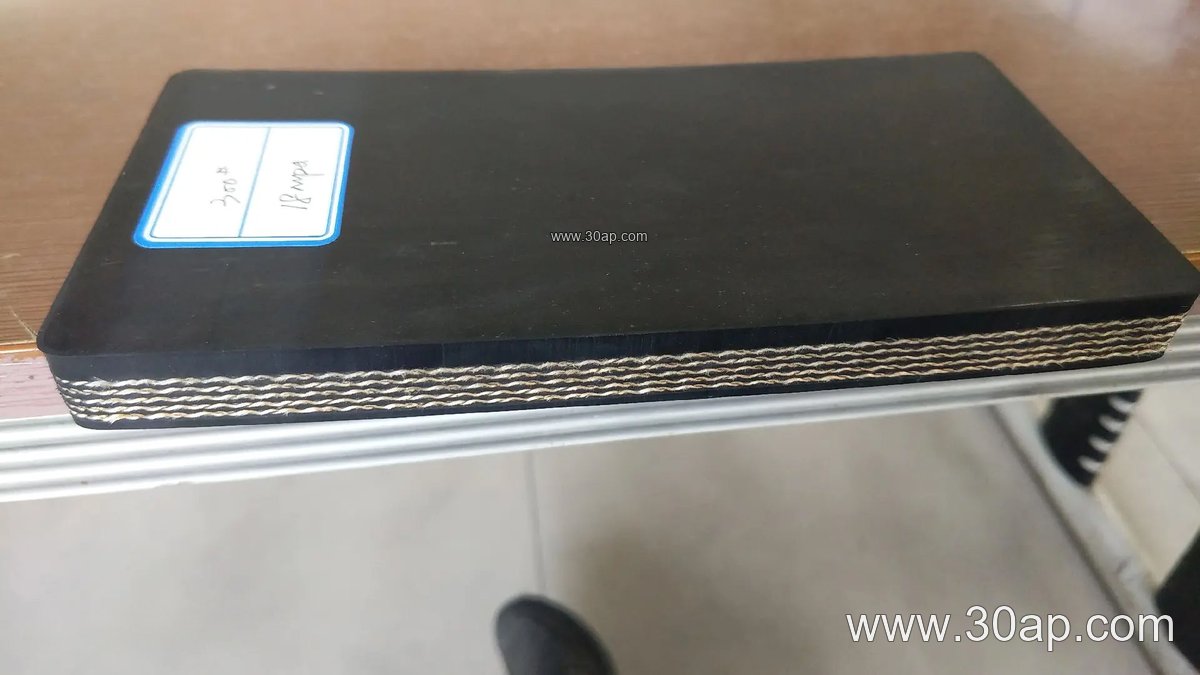
The carcass is a woven fabric, usually polyester warp with polyamide weft, fully encapsulated in PVC. The top and bottom covers are welded to the carcass during manufacture, so there is no separate cover-to-ply bond to fail. This construction gives good troughing behaviour on a conventional conveyor belt line and allows mechanical fastening or vulcanised splicing depending on the installation.
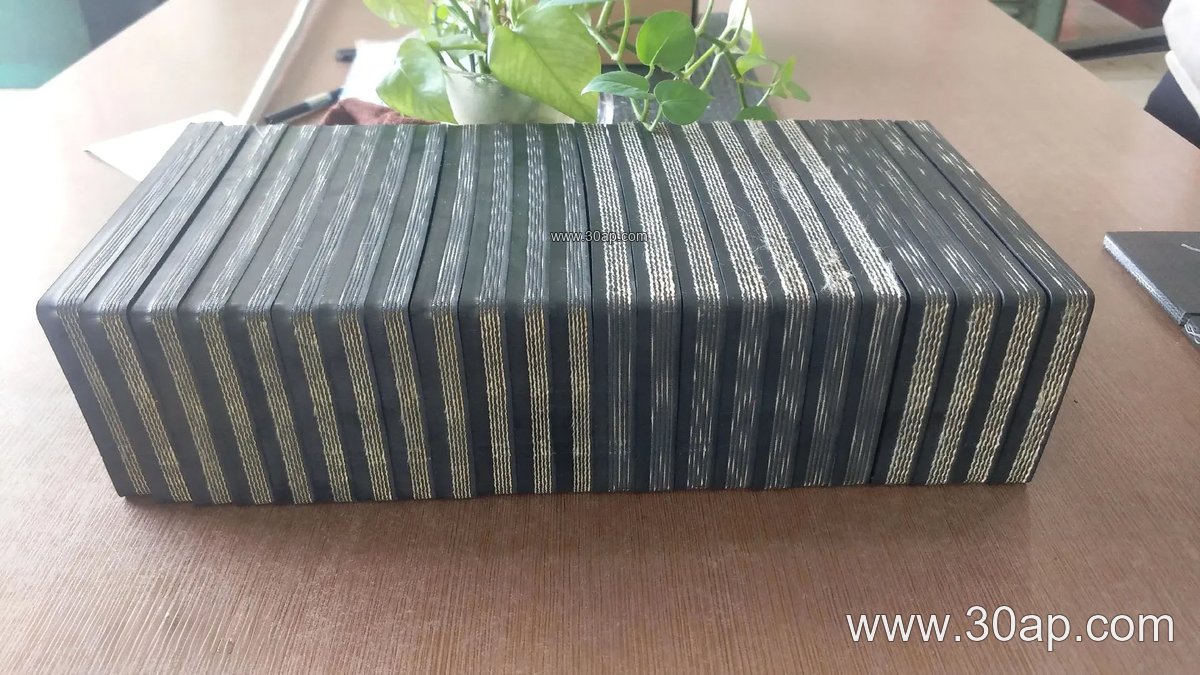
Because the body is homogeneous, the belt resists edge wear and does not delaminate in the way ply-built belts can when water enters a cut edge. It is, however, less tolerant of very sharp, hot or heavily oil-soaked material than a dedicated rubber cover compound.
Typical Duty and Where It Fits
PVC belts are common in underground coal mining, tunnel development, cement plants, power plant coal handling, sand and gravel yards, and port transfer systems. Their flame-retardant and anti-static grades suit enclosed galleries where static build-up and fire risk must be controlled. They also appear on crusher discharge lines and screening decks in aggregate plants.
Where the load is coarse run-of-mine rock, a heavy-duty rubber belt such as an abrasion resistant conveyor belt or a steel cord conveyor belt is usually the better match. For long overland routes with high tension, fabric-reinforced alternatives like EP conveyor belt or NN conveyor belt constructions carry more strength per unit width. PVC belts are also occasionally compared with PVG conveyor belt, which uses a nitrile-blended cover for oily conditions; the two are related but not identical products.
Common Reference Data
The values below are typical reference points, not a universal supply promise. Actual construction is confirmed by the manufacturer for each order.
| Item | Common Reference Range |
|---|---|
| Belt width | B500, B650, B800, B1000, B1200, B1400, B1600 |
| Cover thickness | 3+1.5 mm, 4+2 mm, 5+2 mm, 6+2 mm |
| Carcass layers | 2 to 6 plies equivalent |
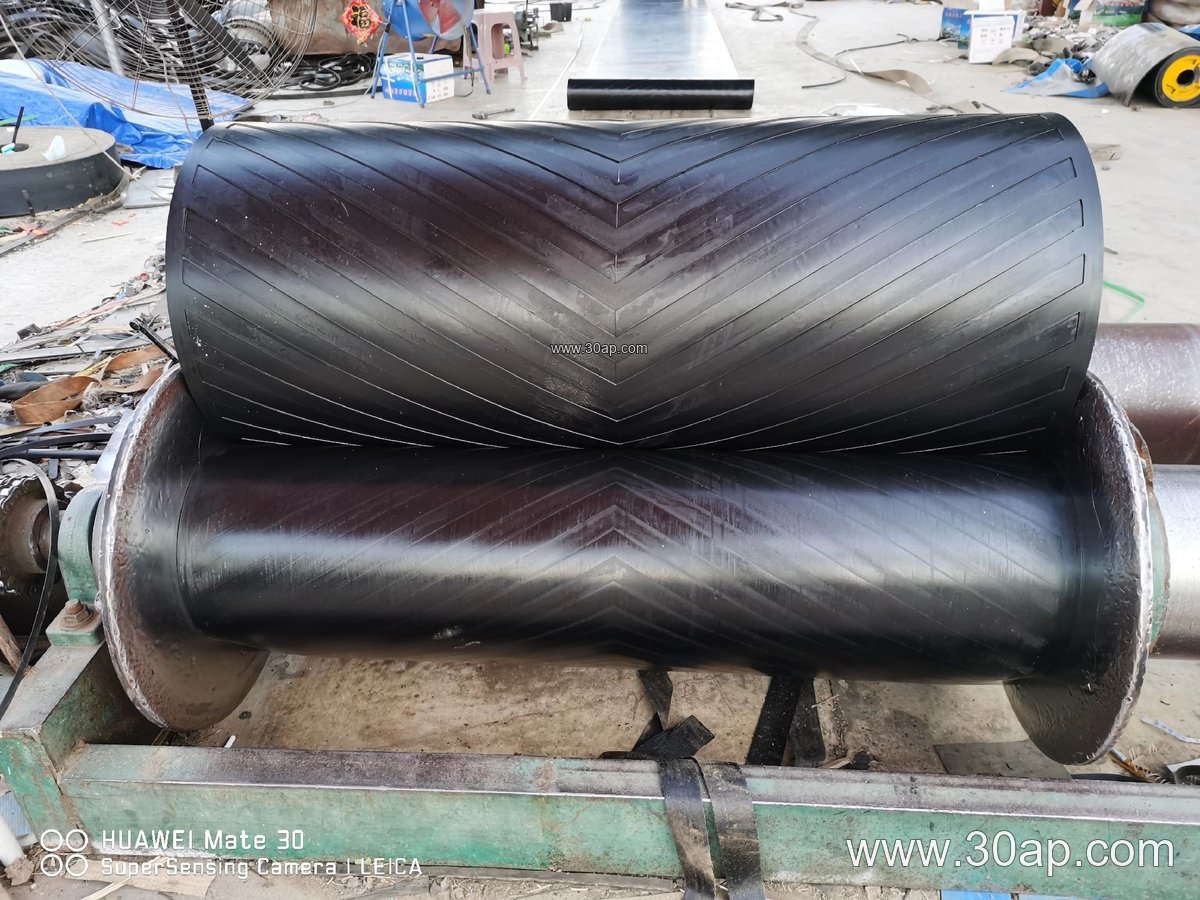
| Surface forms | Plain, chevron or patterned top cover |
| Special grades | Flame retardant, anti-static, cold resistant |
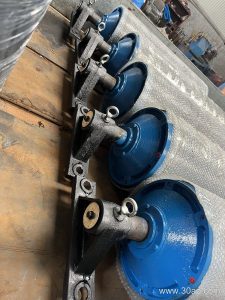
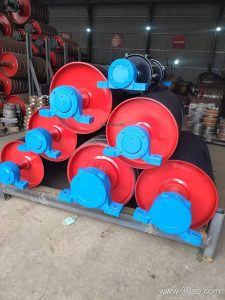
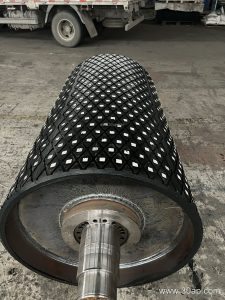
Width alone does not fix pulley diameter or shaft size. Those are set by the conveyor designer from belt tension, pulley face length, wrap angle and the duty of the drive, tail and bend pulleys, which are separate components with separate roles. A wider belt may run on the same pulley family as a narrower one if the tension calculation allows.
Selection Points for Buyers
- Material and lump size. Fine coal, cement and sand suit PVC well; large sharp rock calls for a thicker rubber cover.
- Tension demand. Check the calculated belt tension against the fabric grade offered. Do not assume a width corresponds to a fixed strength class.
- Fire and static rules. Underground coal and enclosed galleries usually require documented flame-retardant and anti-static performance.
- Temperature and oil. Standard PVC has limits; hot clinker or oily scrap needs a heat resistant conveyor belt or oil resistant conveyor belt instead.
- Splicing. Confirm whether the joint will be mechanical or vulcanised and whether the belt edge is sealed.
Installation and Maintenance Notes
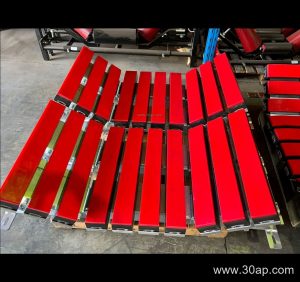
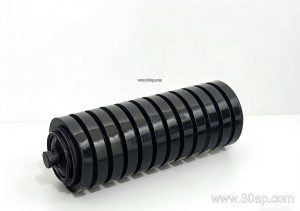
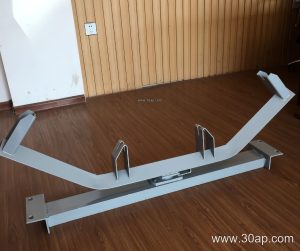
Alignment matters more than belt grade. Check that idler roller frames are square, that the conveyor pulley faces are true, and that conveyor bracket mountings are tight before tensioning. Keep the belt tracking centrally; edge damage on a PVC belt usually begins with misalignment against a structure or a seized roller. Store spare rolls indoors, away from direct sun and sharp objects, and inspect the splice at each shutdown. For a full conveyor belt review, match the belt grade to the actual material, not to the mine name on the gate.