What a 1200mm Conveyor Belt Is
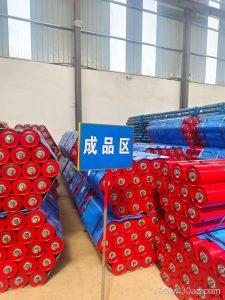
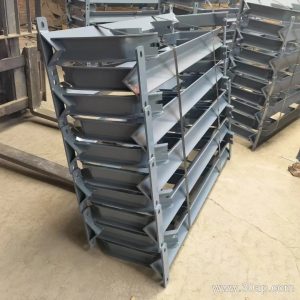
A 1200mm conveyor belt is a wide-format rubber or PVC belt with a nominal width of 1200 millimeters, often written as B1200 in specification sheets. This width sits in the heavy-duty range and is commonly chosen for high-tonnage material flow in mines, coal preparation plants, cement works, power stations, and sand and gravel yards. The belt itself is only one part of the circuit; it runs over idler rollers, wraps around a conveyor pulley at the head and tail, and is held in line by conveyor brackets and frames.
The same product is also called a 1200 mm wide conveyor belt or a B1200 belt. Those names describe one item, not different products. Drive pulleys, tail pulleys, and bend pulleys remain separate components and are not interchangeable with the belt or with each other.
How the Belt Is Built
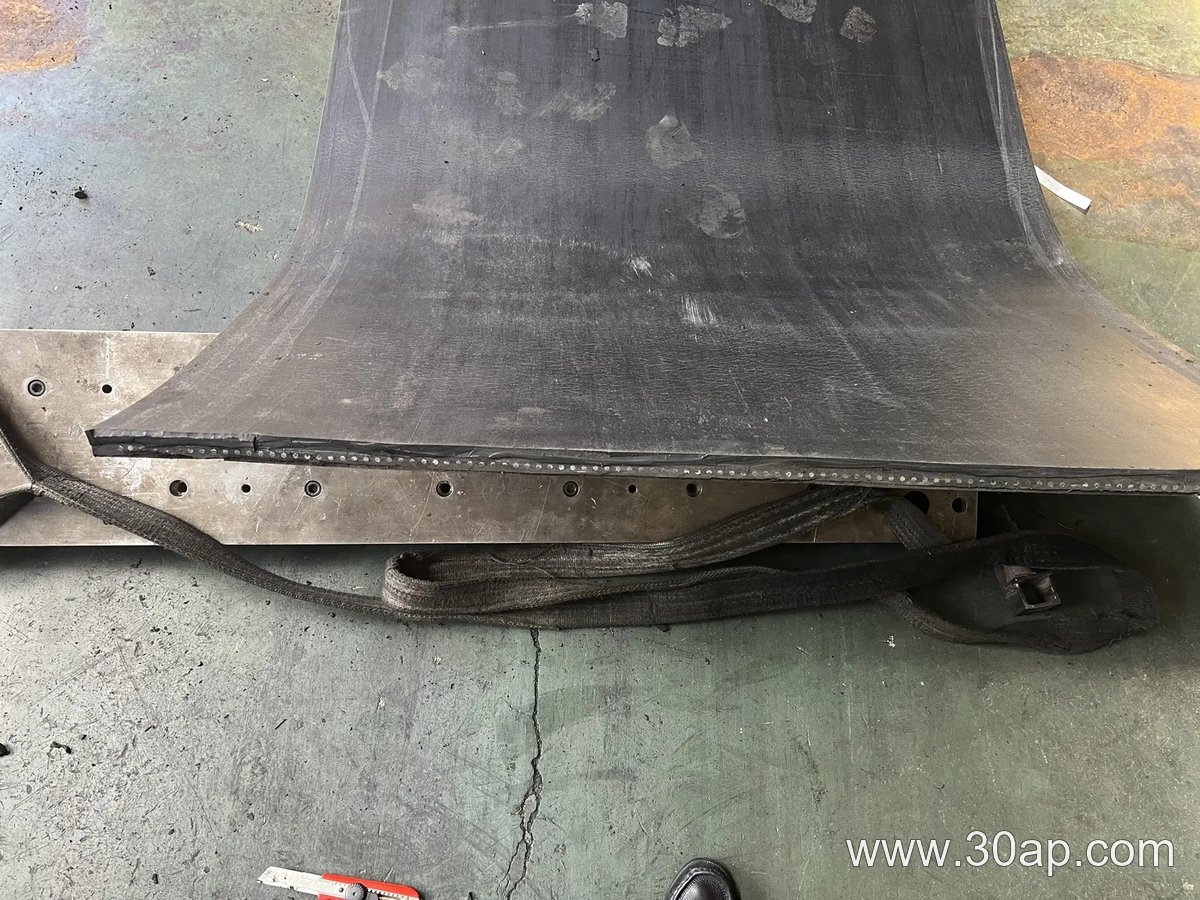
A typical 1200mm conveyor belt has three main layers of construction. The carcass carries the load, the cover rubber protects the carcass, and the edges seal the structure. Common carcass types include EP fabric, NN nylon, and steel cord, while PVC and PVG belts serve lighter or fire-sensitive duties.
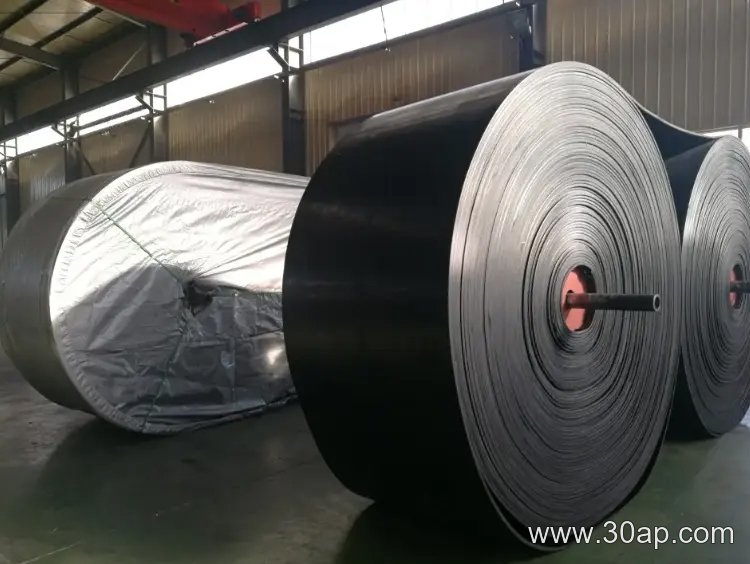
- Carcass: EP or NN fabric in 2 to 6 plies, or steel cord for very long hauls.
- Cover rubber: top and bottom covers such as 4+2, 5+2, 6+2, or 8+3 mm, depending on abrasion and impact.
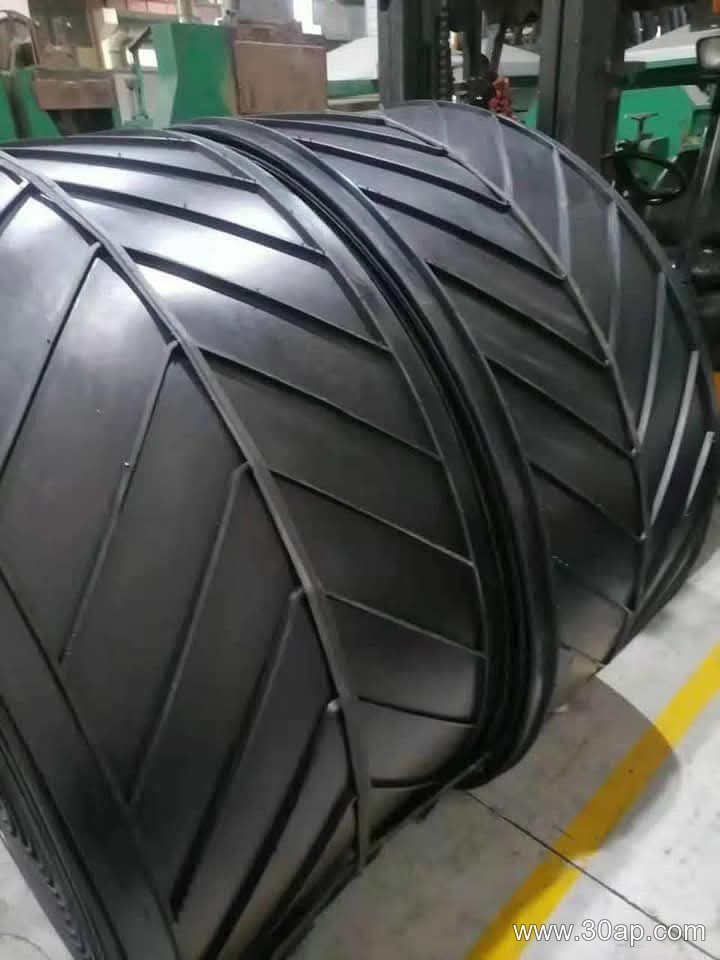
- Surface form: smooth, patterned, chevron, or corrugated sidewall, chosen to suit the incline and material.
Strength grades are usually quoted with the carcass, for example EP200, EP400, EP630, EP1000, or EP1600. A higher grade does not automatically suit every job; the duty, lump size, and transition distance all matter. Buyers should treat these values as reference data and confirm the final construction with the belt maker.
Where It Fits in the Plant
At 1200 mm wide, the belt moves large volumes without excessive spillage, which is why it appears on primary and secondary haulage lines. In a coal mine it may carry run-of-mine coal from a crusher to a stockpile. In a cement plant it can feed clinker or limestone between transfer points. In a power station it often handles coal or ash, and in a sand and gravel yard it moves screened aggregate.
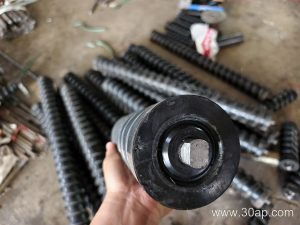
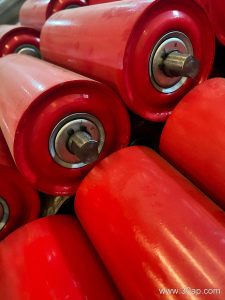
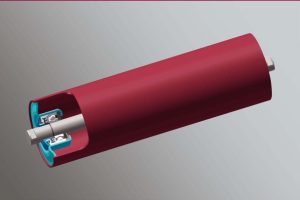
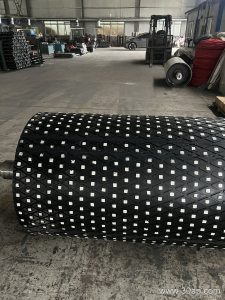
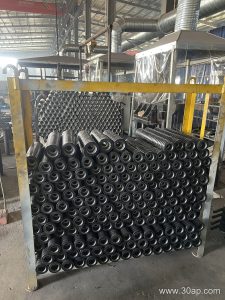
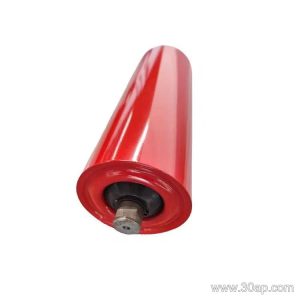
Because the load is heavy, the supporting hardware is equally important. Idler rollers should be spaced and sized for the belt width and material weight. The conveyor pulley at each end must be matched to the belt tension and shaft load, not selected from the belt width alone. A 1200 mm belt can run with different pulley diameters depending on the carcass, the wrap angle, and the duty.
Common Specifications at a Glance
The table below lists typical reference values for a B1200 belt. Actual supply varies by manufacturer and by the required operating conditions.
| Item | Common reference values |
|---|---|
| Belt width | 1200 mm (B1200) |
| Carcass type | EP, NN, steel cord, PVC, PVG |
| Strength grade | EP200, EP315, EP400, EP500, EP630, EP800, EP1000, EP1250, EP1600 |
| Cover thickness | 3+1.5, 4+2, 5+2, 6+2, 8+3 mm |
| Ply count | 2 to 6 layers, depending on carcass |
| Special grades | wear resistant, heat resistant, oil resistant, flame retardant, antistatic, cold resistant, acid and alkali resistant |
Choosing the Right Version
Selection starts with the material and the environment. Sharp, abrasive ore calls for a thick wear-resistant cover, while a hot clinker line needs a heat-resistant compound. A coal mine may require flame retardant and antistatic properties. Cold outdoor yards in winter may need a cold-resistant grade. The incline also decides the surface form: a smooth belt for flat runs, a chevron or patterned belt for steep angles, and a corrugated sidewall belt where the material must be contained.
Buyers should also check the pulley and idler arrangement. Drive pulleys, tail pulleys, and bend pulleys each perform a different function and cannot be swapped. The idler roller spacing, the conveyor bracket layout, and the take-up system all affect belt life. A belt that is too stiff for the pulley diameter can crack; a belt that is too soft for the load can stretch and mistrack.
Installation and Maintenance Notes
Correct storage matters. A 1200mm conveyor belt should be kept in a dry, shaded place and not folded sharply. During installation, the belt must be centered before tension is applied, and the splice should match the carcass and cover. After commissioning, check tracking, cover wear, and edge condition at regular intervals. Idler rollers that stop turning can wear a groove in the cover, and a misaligned conveyor pulley can pull the belt to one side. Small corrections early are cheaper than a full replacement.
For any project, the final belt specification should come from the conveyor designer and the belt supplier, using the real material, tonnage, and layout. A 1200 mm width is a starting point, not a complete specification.