What a Large Conveyor Idler Is
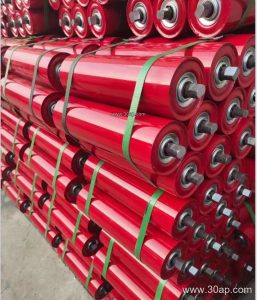
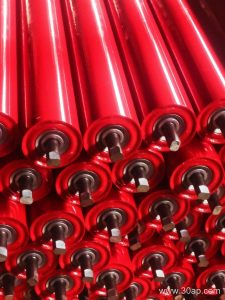
A large conveyor idler is the rotating support roller used under and along the carrying side of a heavy-duty conveyor belt. The term usually points to rollers with bigger diameters, longer shells, and heavier bearings than light-duty idlers, so they can carry high belt tension and dense bulk material on long conveying lines. In a quarry, a coal preparation plant, or a cement kiln feed line, these rollers sit in frames and keep the belt in a stable trough while material moves from the crusher to the stockpile or from the mine to the transfer point.
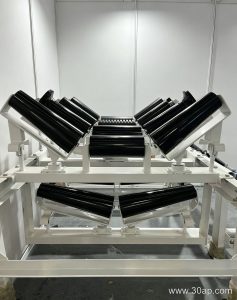
The idler roller itself is only one part of the system. It works with the conveyor bracket, the conveyor pulley at the head and tail, and the belt itself. A large idler must match the belt width, the load, and the environmental conditions, so buyers normally compare roller diameter, shell length, bearing size, and surface form rather than a single number.
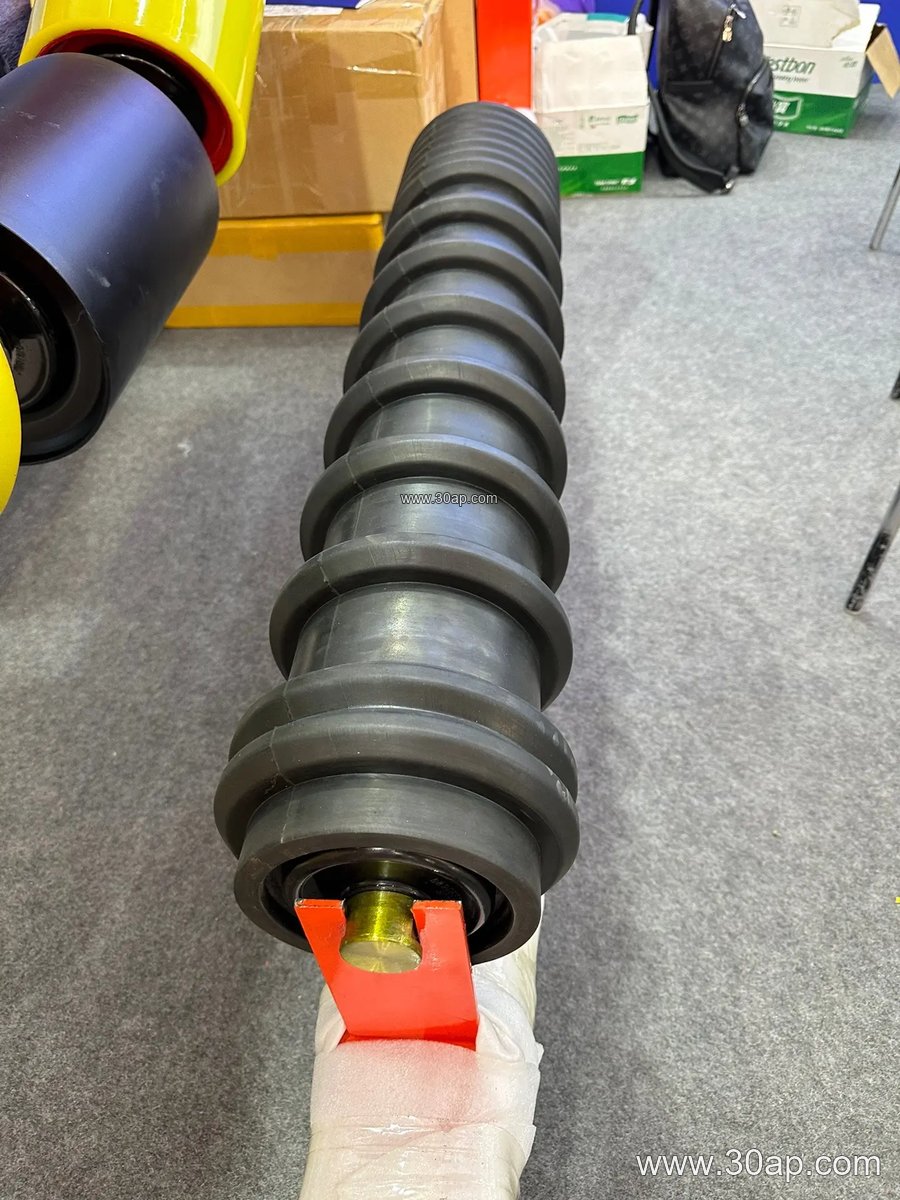
How the Roller Is Built
A typical large conveyor idler has a steel tube shell, a through shaft, stamped or cast bearing housings, and sealed bearings. The seal is often the deciding factor in dusty plants: fine dust from limestone, iron ore, or clinker will destroy an unsealed bearing quickly, while a good labyrinth seal keeps grease in and grit out. Common bearing numbers include 6205, 6305, 6306, 6308, and 6310, but the bearing is selected by load and speed, not by roller diameter alone.
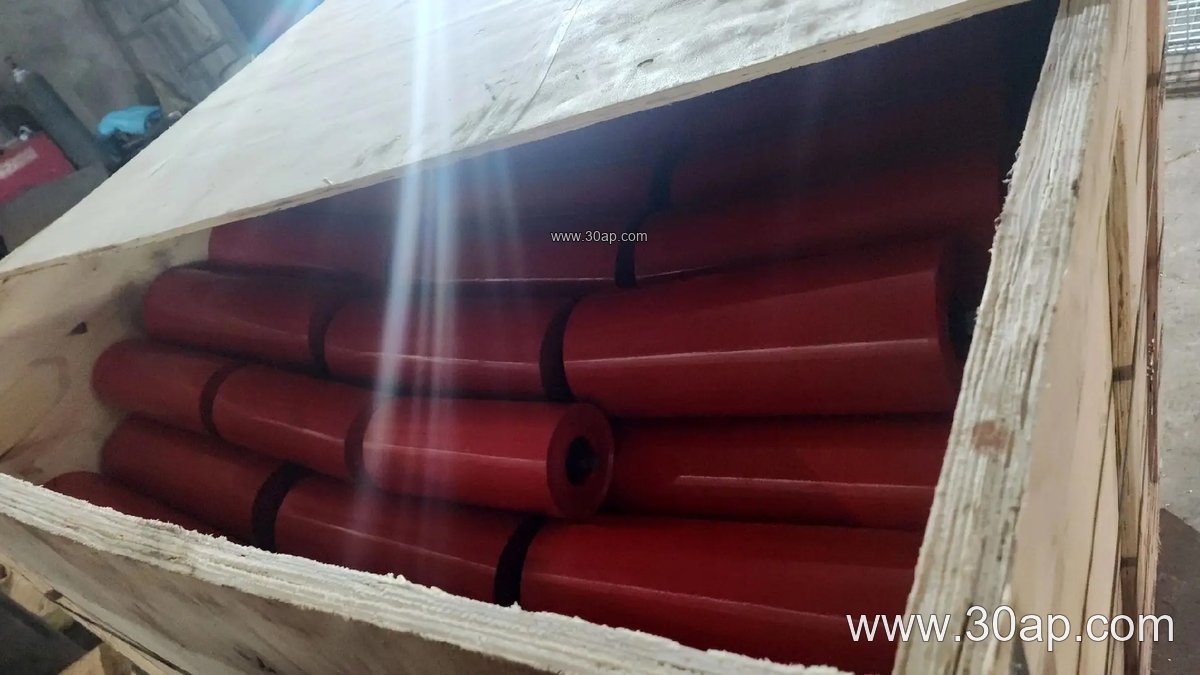
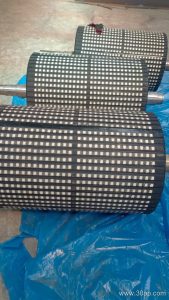
Shell surfaces vary. Plain steel is the standard choice for general bulk handling. Rubber rings are used on impact idlers under a loading point, while nylon or ceramic covers may be chosen where build-up or wear is a concern. The roller length changes with belt width, trough angle, and frame type. In a three-roll trough set, common shell lengths are roughly 200 mm for B500, 250 mm for B650, 315 mm for B800, 380 mm for B1000, 465 mm for B1200, 530 mm for B1400, 600 mm for B1600, 670 mm for B1800, and 750 mm for B2000. These are reference examples only; side rollers and center rollers can differ, and the final size is set by the conveyor design.
Common Roller Diameters and Belt Widths
Large idlers usually fall in the range from Ø108 up to Ø219, with Ø127, Ø133, Ø159, Ø178, and Ø194 also common in heavy service. A wider belt does not automatically require one fixed pulley diameter or one fixed shaft size. Belt width and roller diameter are matched through the load calculation, belt speed, trough angle, and spacing between idler frames.
- Ø108 to Ø133: medium-duty carrying and return positions on B650 to B1200 belts
- Ø159 to Ø178: heavy carrying positions on B1200 to B1800 belts
- Ø194 to Ø219: high-load lines, long spans, and large bulk systems
Trough angles of 20, 30, 35, and 45 degrees are common. A deeper trough helps contain material on a fast belt, but it also raises the load on the side rollers. Forward tilt of about 1.5 to 2 degrees is used on training idlers to help keep the belt centered, not as a default setting for every roller.
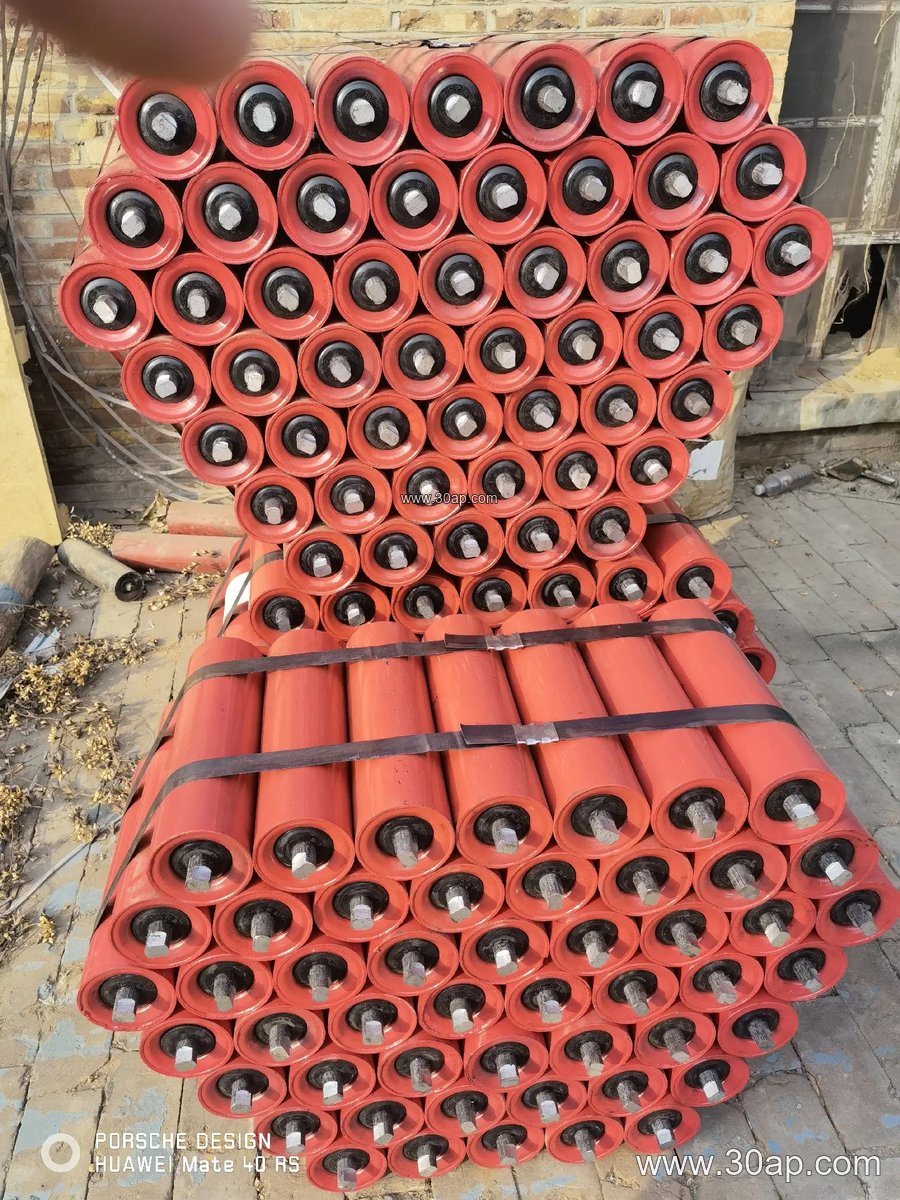
Where Large Idlers Are Used
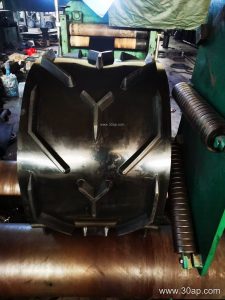
These rollers appear in more than one industry. In a sand and gravel plant, a large conveyor idler supports the belt after the primary crusher, where lump size and impact are high. In a power plant coal yard, the same roller type carries a flame retardant conveyor belt or an abrasion resistant conveyor belt toward the boiler bunker. A large idler may also run under a steel cord conveyor belt on a long overland line, or under an EP conveyor belt in a cement plant. The belt type does not change the idler’s job, but it does affect the load and the required roller spacing.
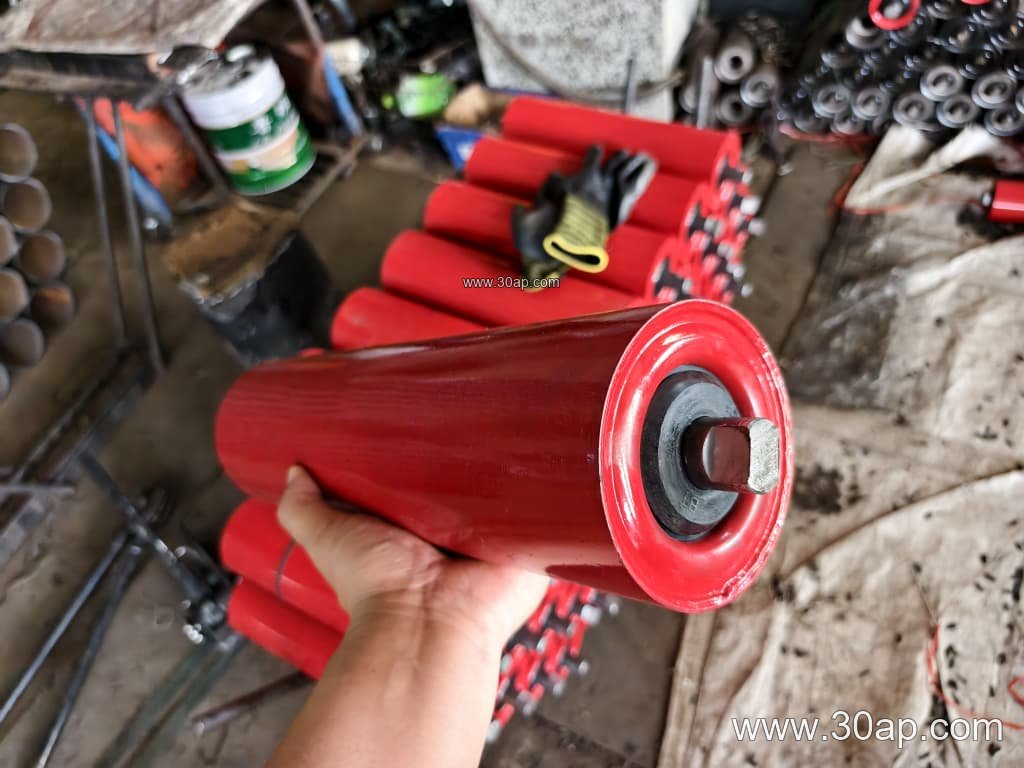
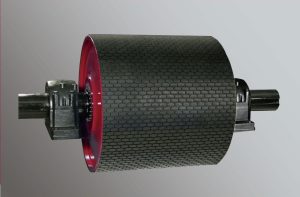
Return-side positions usually use a flat return idler or a V-shaped return roller. Impact positions under a chute may use a rubber ring impact idler. These are different roles, and a return roller should not be treated as a replacement for a carrying idler. Likewise, a bend pulley or a drive pulley at the conveyor head is a separate component from the idler roller and is selected by shaft load and belt tension.
What Buyers Should Check
Before ordering, confirm the belt width, the trough angle, the frame type, the roller diameter, and the bearing size. Ask for the seal design, the shell wall thickness, and the shaft material. For dusty or wet sites, specify the sealing level clearly. For a food or chemical line, a different surface and lubricant may be needed. Buyers should also check that the conveyor bracket matches the shaft end, because a well-made idler will still fail if the frame does not hold it square.
On a large conveyor idler, small details decide service life: bearing clearance, seal fit, shell roundness, and balance at running speed. A buyer who compares these points, rather than only the price per piece, usually gets a roller that runs quietly and keeps the belt tracking through the shift.