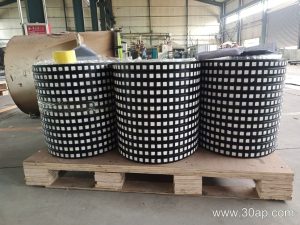
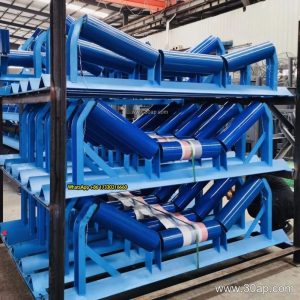
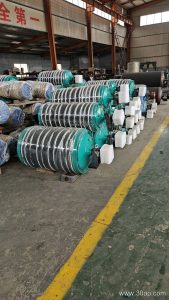
What a Conveyor Rubber Lagged Pulley Does
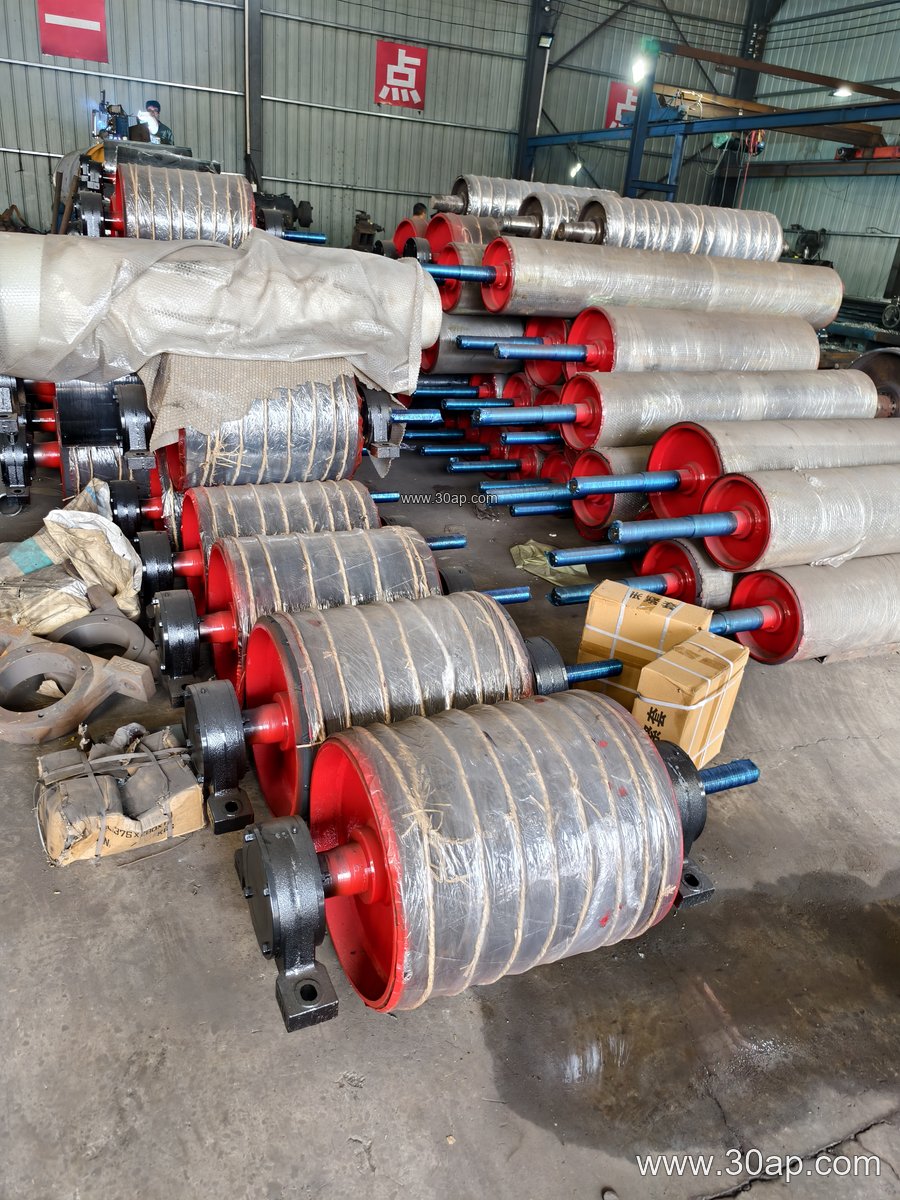
A conveyor rubber lagged pulley is a belt conveyor drum whose outer shell carries a bonded rubber layer instead of bare steel. The lagging raises friction between the drum and the conveyor belt, protects the shell from wear, and helps shed water, fines and sticky material. In a typical conveyor pulley assembly, this rubber-covered drum works together with the conveyor belt, idler roller groups, and conveyor bracket frames to keep the belt tracking and transmitting torque.
The same product is also called a rubber lagged conveyor pulley or a rubber-coated conveyor pulley. Those names describe the same item. A drive pulley, tail pulley and bend pulley are different positions in the conveyor, and none of them should be treated as an interchangeable name for another.
How the Lagging Is Built
The drum usually starts as a rolled steel shell with welded end discs and a shaft. Rubber is then applied in one of several ways: hot vulcanized rubber, cold bonded rubber, or cast rubber. Surface patterns include plain, diamond, herringbone and ceramic lagging. Thickness commonly falls in the 8 mm to 20 mm range, with 10 mm and 12 mm often seen on general duty drums.
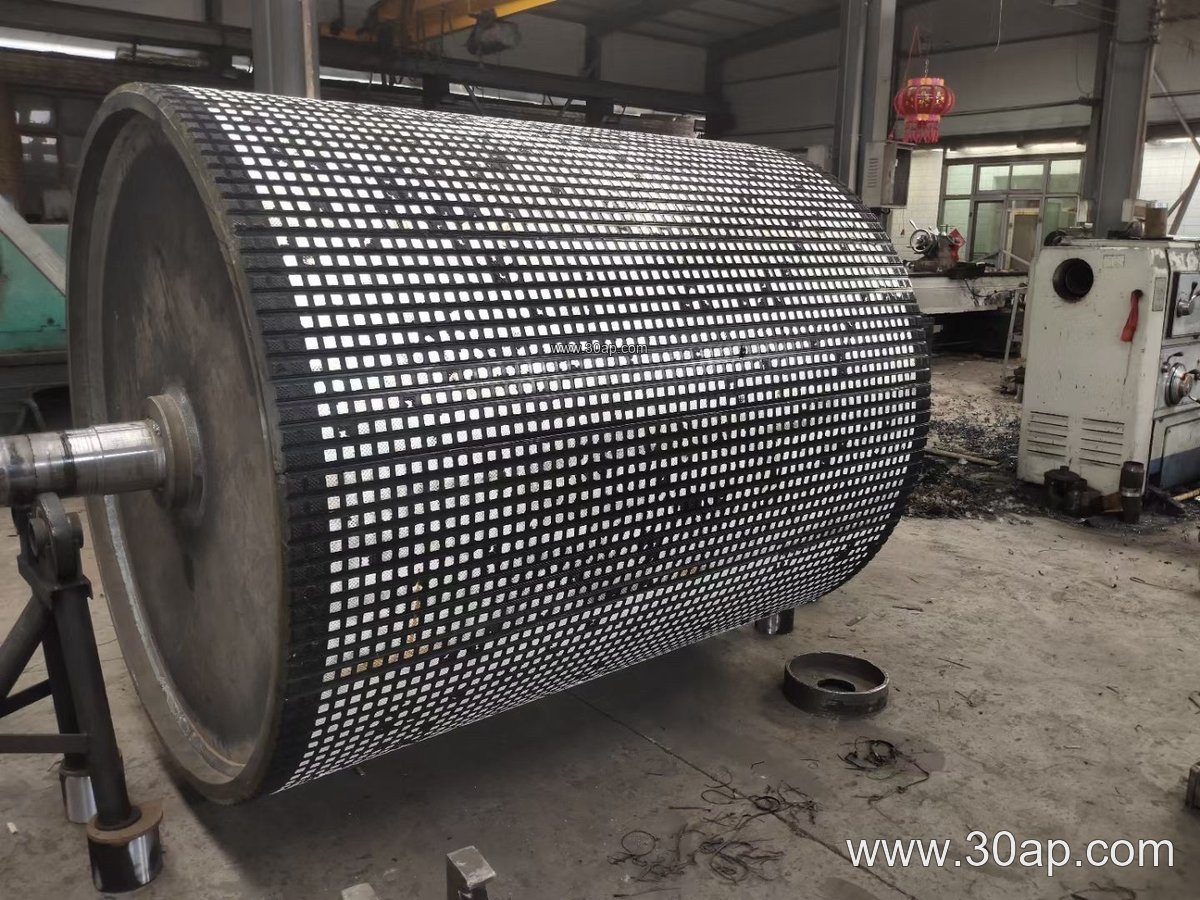
On a drive pulley, the lagging is normally grooved or patterned to let water and dirt escape from the contact zone. On a tail pulley, plain rubber is common because the main job is protection and centering rather than high torque transfer. A bend pulley may use thinner lagging where space and weight matter.
Common Sizes and Reference Data
Drum diameter and face width are selected from belt width, belt tension, torque and shaft load. The values below are common reference points, not fixed rules, and a given belt width can pair with more than one diameter.
| Belt width | Typical pulley face width | Example diameter combinations |
|---|---|---|
| B400 | about 500 mm | Ø200, Ø250, Ø315 |
| B500 | about 600 mm | Ø250, Ø315, Ø400 |
| B650 | about 750 mm | Ø315, Ø400, Ø500 |
| B800 | about 950 mm | Ø400, Ø500, Ø630 |
| B1000 | about 1150 mm | Ø500, Ø630, Ø800 |
| B1200 | about 1400 mm | Ø630, Ø800, Ø1000 |
| B1400 | about 1600 mm | Ø800, Ø1000, Ø1250 |
| B1600 | about 1800 mm | Ø1000, Ø1250, Ø1400 |
| B1800 | about 2000 mm | Ø1250, Ø1400, Ø1600 |
Shaft diameters commonly range from Ø50 to Ø200, for example Ø80, Ø100, Ø120, Ø140 and Ø160. Shaft size should be calculated from torque and bearing load, never copied from belt width alone. Face width is usually slightly larger than the belt so the belt edges stay supported.
Where It Is Used
Rubber lagged drums appear in quarry and aggregate lines, cement plants, coal handling systems and power plant coal yards. In a crushing and screening circuit, the head drum drives a heavy-duty mining conveyor belt carrying rock, while the tail drum keeps the return strand aligned. In a coal preparation plant, flame retardant conveyor belt and rubber lagged pulleys often work together to meet fire safety requirements. Port bulk terminals handling iron ore or copper ore also rely on lagged drums for reliable grip in wet conditions.
Belt selection matters too. An EP conveyor belt or multi-ply fabric core conveyor belt is common on medium-duty lines, while a steel cord conveyor belt suits long overland conveyors with high tension. A heat resistant conveyor belt may run on a line where the drum is positioned away from the hot zone, and an abrasion resistant conveyor belt pairs well with lagged drums in abrasive stone service. In dusty or explosive atmospheres, an anti-static conveyor belt is often specified alongside the pulley.
Buyer Checklist
- Confirm the pulley position: drive, tail, bend, take-up or snub. Each has different lagging and groove needs.
- State belt width, belt type and belt tension so the supplier can size shell, shaft and lagging together.
- Choose lagging thickness and pattern for the material: plain for protection, diamond or herringbone for grip and water drainage.
- Check that the drum face width, bearing centers and shaft diameter match the conveyor bracket and bearing housing.
- Ask how the rubber is bonded and whether the surface can be re-lagged later.
For more on matching a drum to a rubber conveyor belt or an EP conveyor belt, and for conveyor pulley specifications, visit rubberlaggedpulley.example.com or check our conveyor pulley pages. A well-chosen conveyor rubber lagged pulley reduces belt slip, extends belt life and keeps the whole conveyor line running smoothly.