What a Wide Conveyor Belt Is
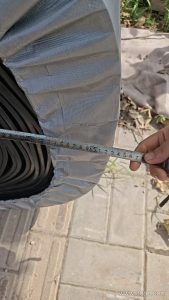
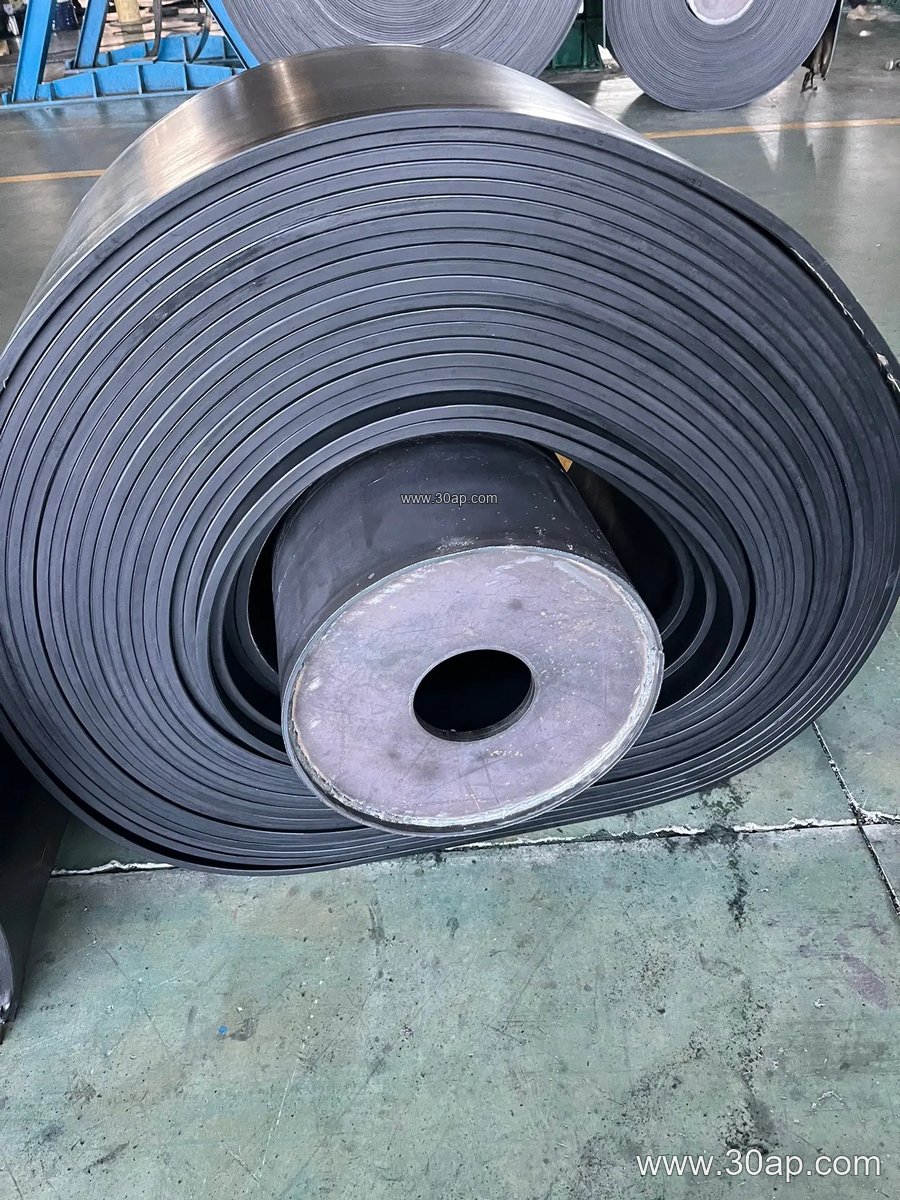
A wide conveyor belt is a heavy-duty belting product built with an above-average width so that a single conveyor line can carry large volumes of bulk material, bulky lumps, or wide loads without excessive spillage. In practice, widths of 1200 mm, 1400 mm, 1600 mm, 1800 mm, and 2000 mm are commonly associated with this class, and extra-wide conveyor belt constructions may go beyond that range. The belt is not simply a scaled-up narrow belt. Its carcass, cover rubber, splice design, and supporting conveyor components all need to match the wider span and the higher loads that come with it.
This product is still a conveyor belt at heart, so it shares the basic job of moving material continuously between process points. What sets it apart is the balance between width, tensile strength, and tracking stability. A wide belt that is under-supported or poorly tensioned will wander, edge-damage, and wear unevenly, no matter how strong its fabric or steel cord layer is.
Construction and Common Configurations
Most wide belts use a fabric core or a steel cord core. Fabric Core Conveyor Belt designs, including EP Conveyor Belt and NN Conveyor Belt grades, are common where moderate to high tension is required and flexibility around pulleys matters. Multi-Ply Fabric Core Conveyor Belt constructions add plies to reach higher strength. Steel Cord Conveyor Belt designs suit long runs and very high tension, and they allow a thinner belt profile at the same strength.
Cover rubber is selected for the duty. Abrasion Resistant Conveyor Belt covers handle crushed stone and ore, Heat Resistant Conveyor Belt covers serve cement clinker and sinter, and Flame Retardant Conveyor Belt or Fire Resistant Conveyor Belt grades are chosen for coal and other combustible material. Oil Resistant Conveyor Belt, Cold Resistant Conveyor Belt, and Anti-Static Conveyor Belt options cover other specific conditions.
Common reference data for wide belt specifications is summarized below. Values are typical ranges, not fixed supply promises, and should be confirmed against the actual design.
| Parameter | Common Reference Range |
|---|---|
| Belt width | B1200, B1400, B1600, B1800, B2000, and wider by design |
| Fabric strength grades | EP200, EP400, EP630, EP800, EP1000, EP1250, EP1600 |
| Steel cord grades | ST1000, ST1600, ST2000, ST2500 and above by design |
| Carcass plies | Usually 2 to 6 layers for fabric cores |
| Cover thickness | 4+2 mm, 5+2 mm, 6+2 mm, 8+3 mm |
Where Wide Belting Fits
Large tonnage operations are the natural home. In mining and mineral processing, a Mining Conveyor Belt of wide format feeds crushers and stockpiles, and an Ore Conveyor Belt or Iron Ore Conveyor Belt carries abrasive rock at high capacity. Coal Mining Conveyor Belt and Underground Coal Mining Conveyor Belt systems use flame-retardant wide belting where regulations and ventilation demand it. Quarry Conveyor Belt and Aggregate Conveyor Belt lines at sand and gravel plants benefit from the reduced spillage that extra width provides at transfer points.
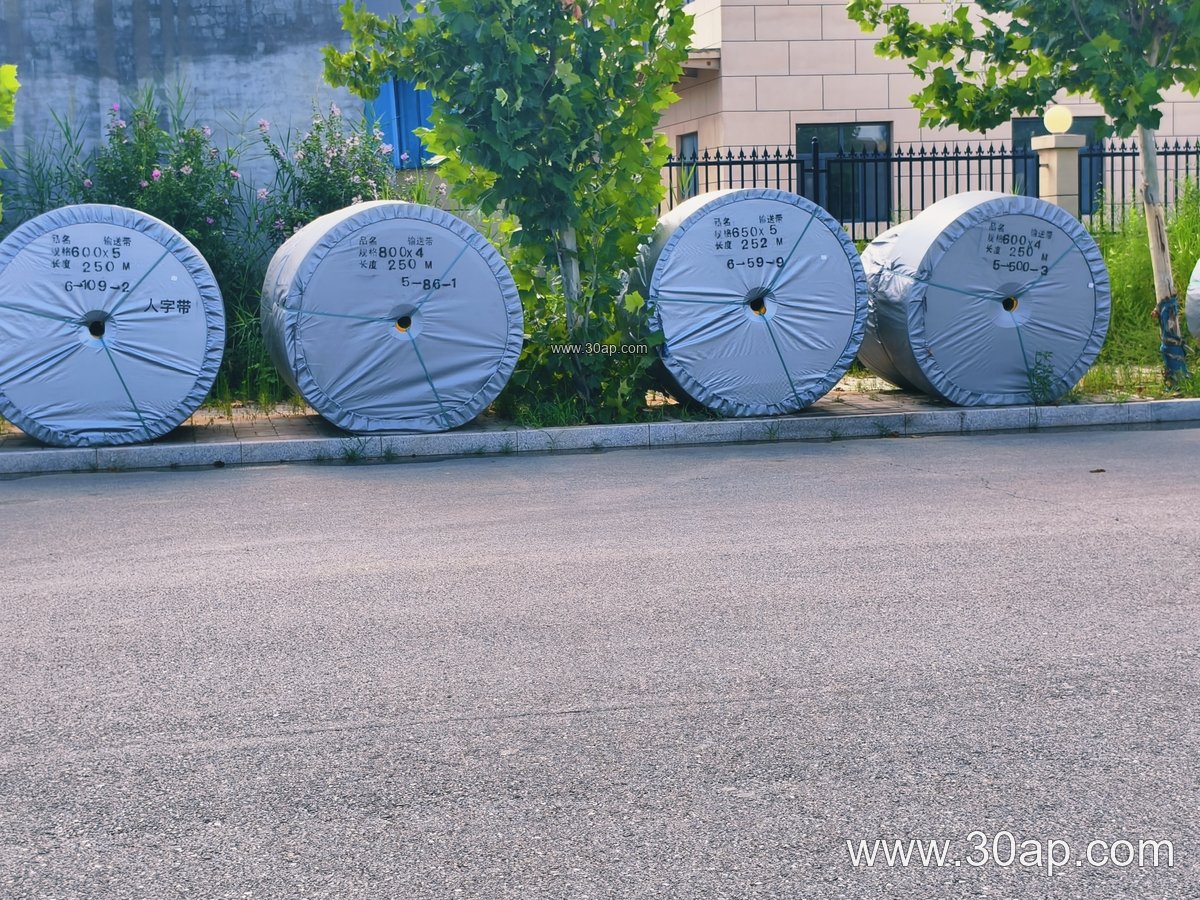
Cement plants, power plants, and steel plants also use wide belting for clinker, limestone, coal, and sinter handling. Port and ship loading conveyors rely on wide belts to load bulk carriers efficiently. In recycling and construction waste lines, a wide belt with a Chevron Conveyor Belt profile or a Skirted Conveyor Belt edge helps contain loose, uneven material on inclines.
Components Around the Belt
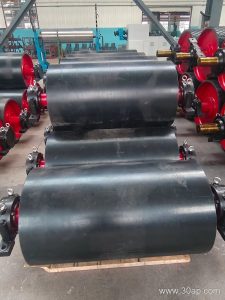
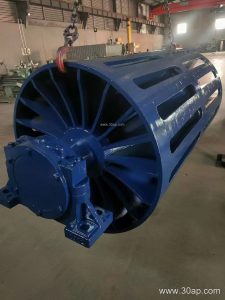
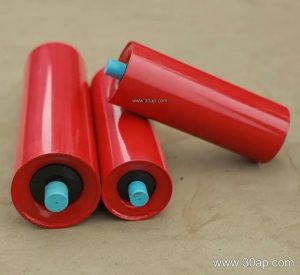
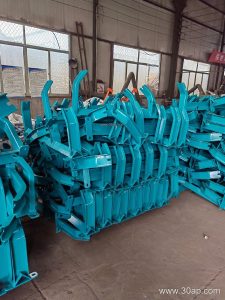
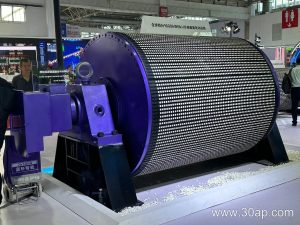
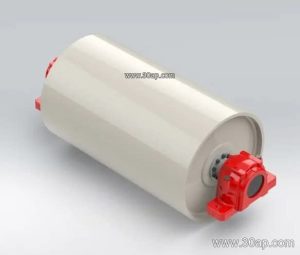
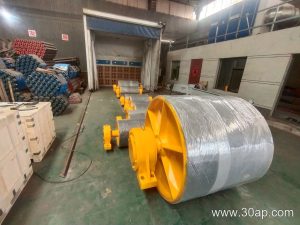
A wide conveyor belt does not work alone. The conveyor pulley set, including drive, tail, and bend pulleys, must be sized for the belt tension and the shaft load. These pulley roles are distinct and are not interchangeable. Idler roller spacing and trough angle affect how well a wide belt forms its load profile, and conveyor bracket rigidity matters on long spans. Poorly aligned frames show up quickly as edge wear on a wide belt.
For steep inclines, a Corrugated Sidewall Conveyor Belt or a chevron profile may be considered as a comparison to a flat wide belt, but these are different constructions and should not be treated as substitutes for the flat wide product itself.
Buyer Checklist
- Confirm the required belt width against the actual material lump size and capacity, not by habit.
- Match tensile grade to the conveyor length, incline, and starting conditions.
- Select cover compound for abrasion, heat, oil, or fire risk as applicable.
- Check pulley and idler roller compatibility; belt width alone does not define shaft diameter.
- Plan the splice method and edge protection for the wider profile.
- Review tracking, training idlers, and take-up travel before commissioning.
For more on matching belt, pulley, and roller choices, see the technical notes at www.example.com/conveyor-belt and www.example.com/conveyor-pulley. A well-specified wide belt, supported by correctly sized components, delivers steady high-volume conveying with longer service life.