Conveyor Pulley Selection and Purchasing Guide
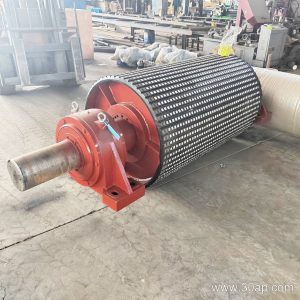
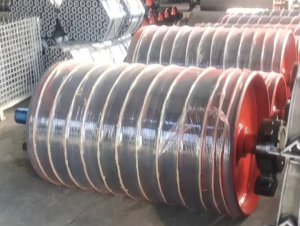
A conveyor pulley drives and tensions the belt. Choose the right one for reliable, efficient operation.
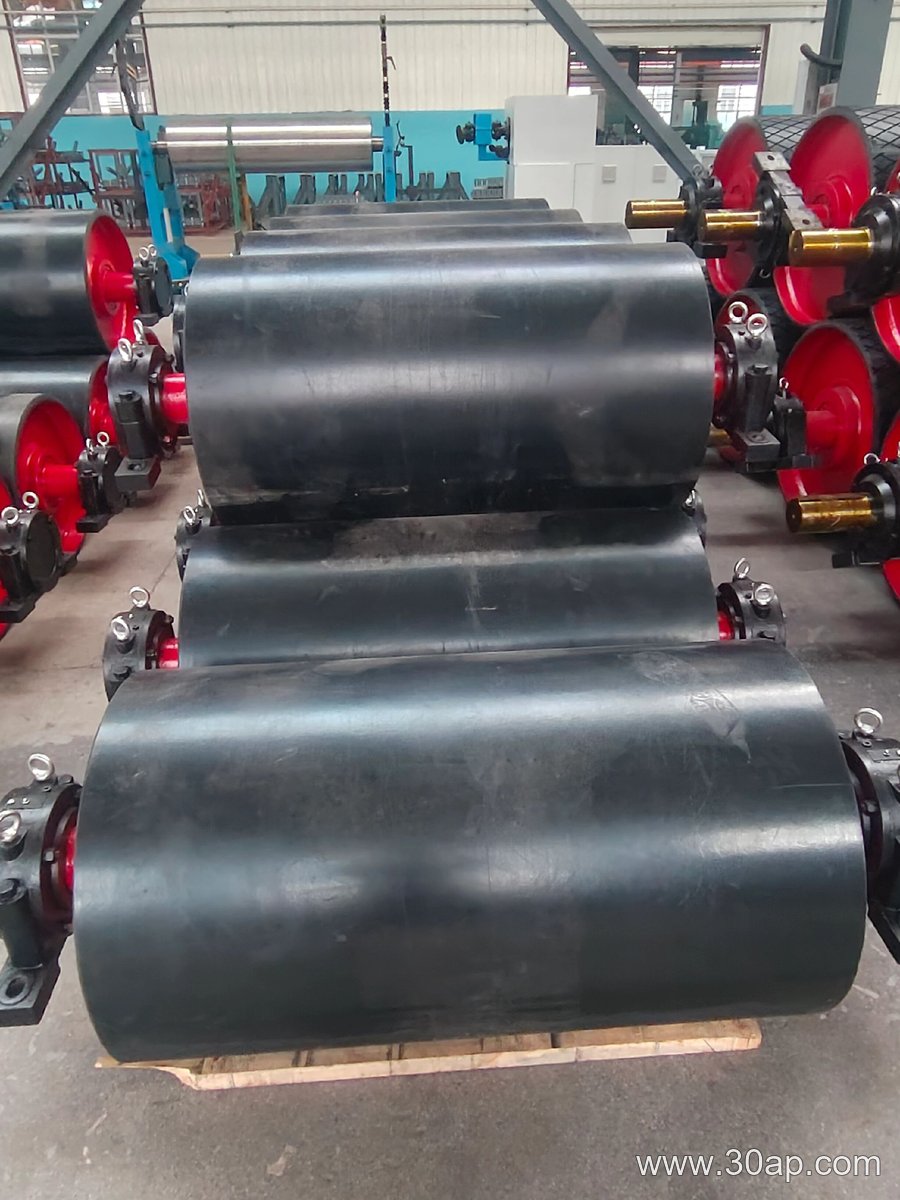
Key Selection Factors
- Belt width and load capacity
- Pulley diameter and face length
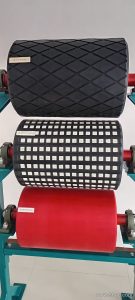
- Lagging type for grip
- Shaft and bearing compatibility
Purchasing Advice
Verify material, balance, and certification. Buy from reputable suppliers for durability.
Conveyor Bracket Basics
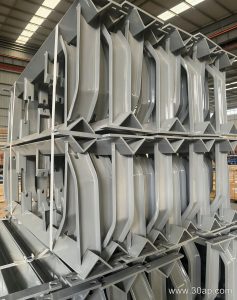
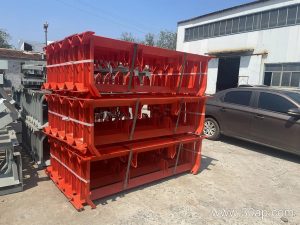
A conveyor bracket mounts rollers, idlers, and pulleys to your frame. Choose the correct bracket to ensure alignment, load capacity, and easy maintenance.
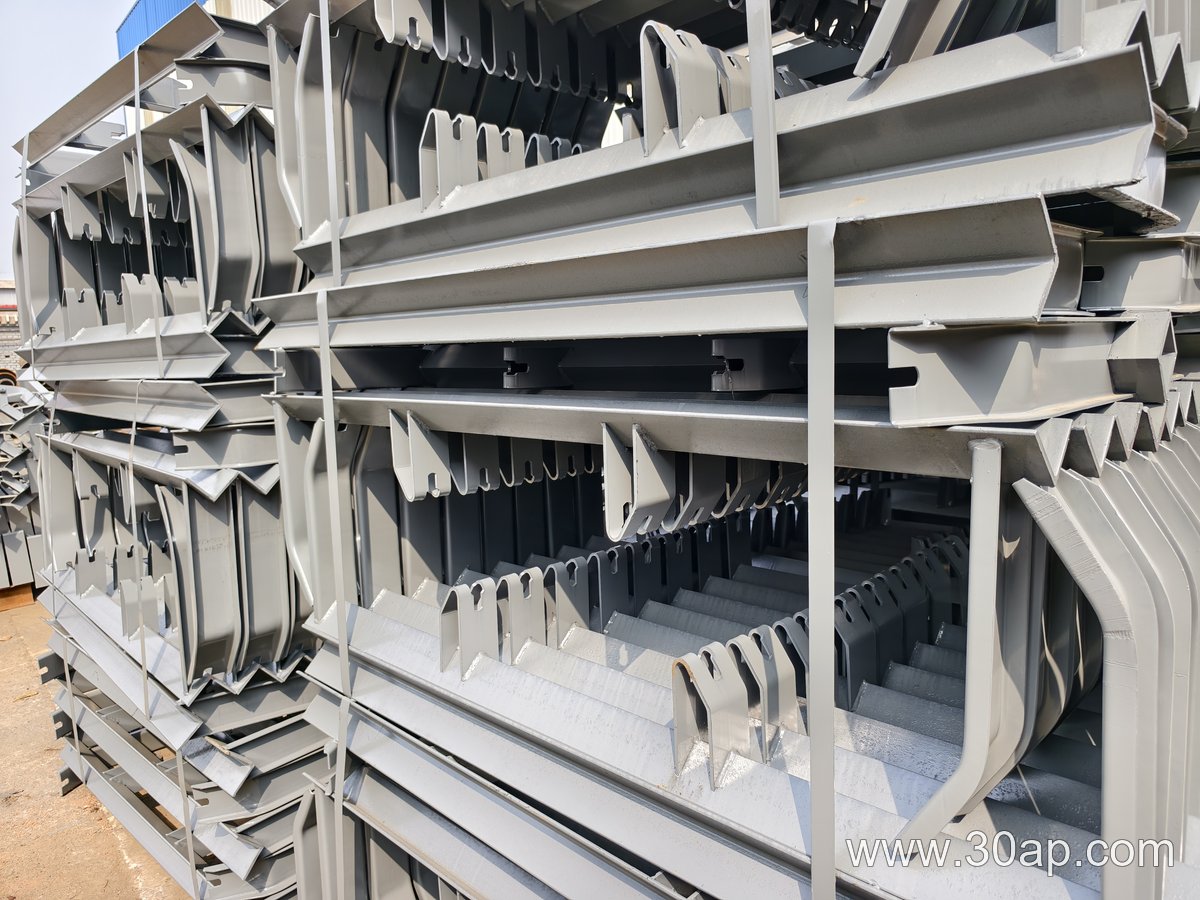
Selection and Purchasing Advice
- Match bracket material to your environment: mild steel for dry areas, stainless steel for washdowns.
- Confirm slot spacing and bolt hole diameter fit your conveyor frame.
- Check load rating against the total roller and belt weight.
- Prefer adjustable brackets for tensioning and misalignment correction.
- Buy from suppliers offering dimensional drawings and corrosion specs.
Conveyor Belt Selection and Purchasing Guide
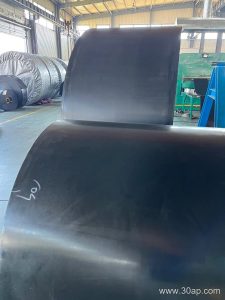
A conveyor belt is the core of any bulk handling system. Match belt type to material and load.
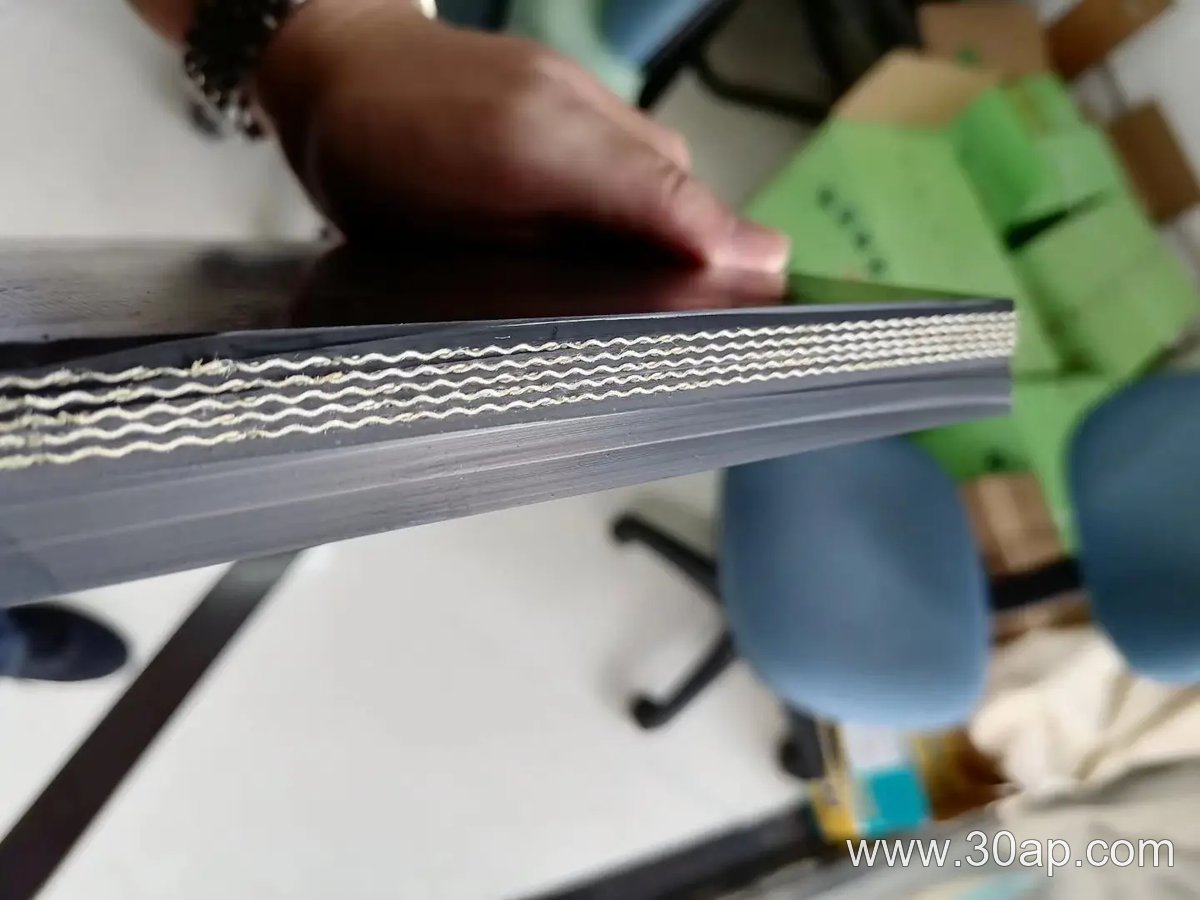
- Check tensile strength and carcass.
- Confirm cover grade for abrasion or heat.
- Verify width, speed, and splice.
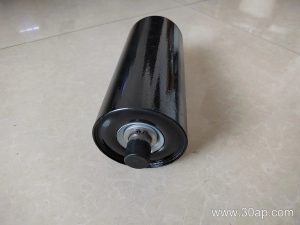
Idler Roller Selection and Purchasing Guide
An idler roller supports and guides the belt without driving it. Choose the right one to cut downtime and energy costs.
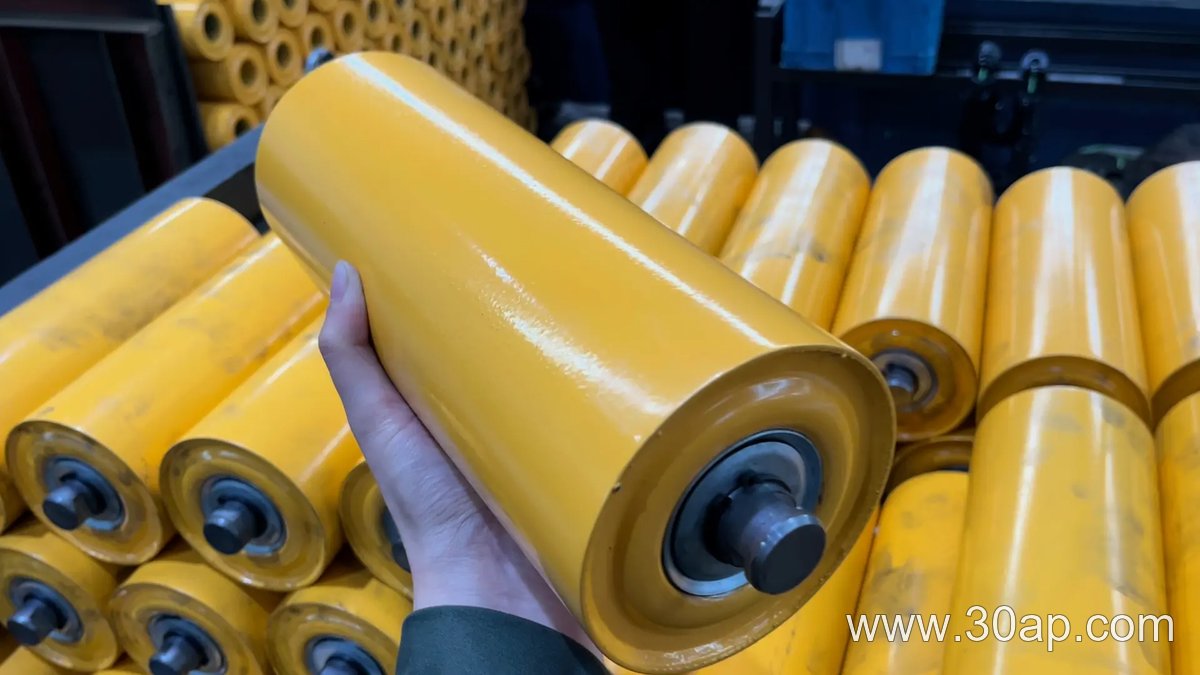
Key Selection Factors
- Load capacity and belt width
- Roller diameter and wall thickness
- Bearing type: sealed vs. open
- Material: steel, stainless, or polymer
- Environmental conditions: dust, moisture, heat
Purchasing Advice
Match the roller to your conveyor’s speed and duty cycle. Prefer sealed bearings for dusty sites. Verify shaft and frame tolerances before ordering.