Understanding Idler Procurement
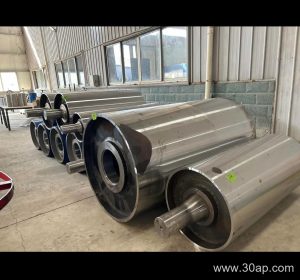
Idler procurement is the process of sourcing idler rollers and complete idler sets for belt conveyors. These components support the conveyor belt and the material load along the carrying and return sides of the system. Getting the procurement right means matching roller diameter, length, bearing type, and surface form to the actual duty, while keeping spare parts compatible across the plant. In quarries, cement plants, and coal handling facilities, idler rollers are high-wear items, so a clear procurement plan reduces downtime and avoids mismatched stock.
Construction and Key Components
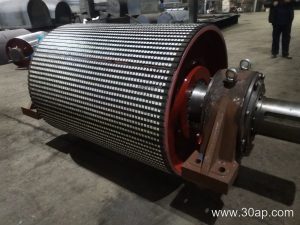
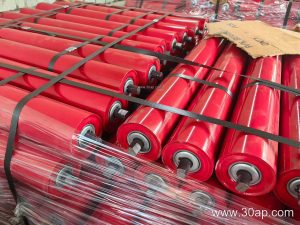
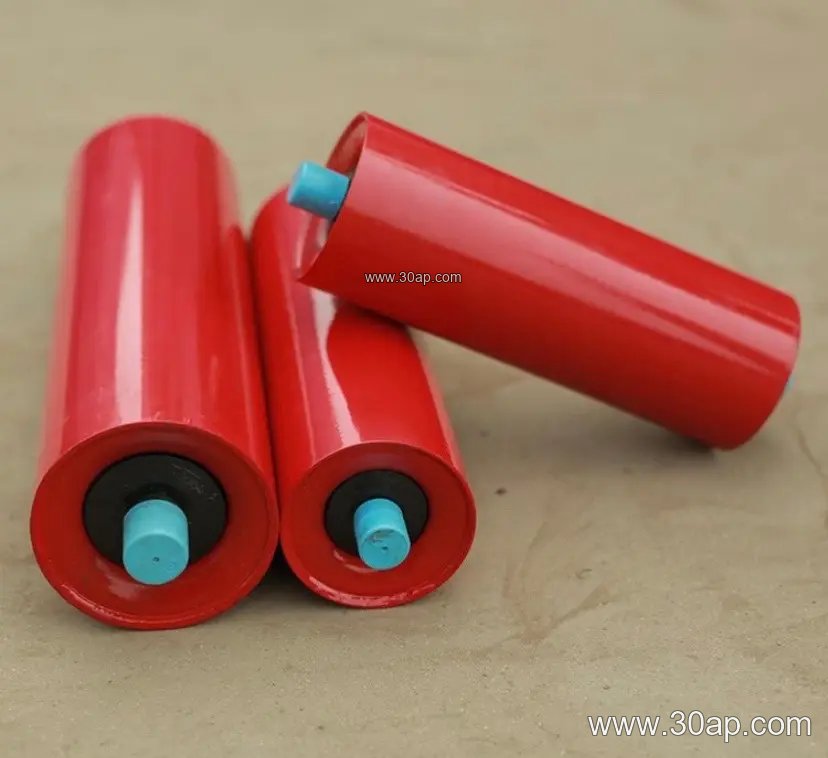
A typical idler roller consists of a steel tube shell, bearing housings, a shaft, and seals. The shell may be plain steel, nylon-coated, ceramic-lined, or fitted with rubber rings for impact absorption. Bearings are commonly 6204, 6205, 6305, 6306, 6308, or 6310, selected according to load and speed rather than tube diameter alone. Sealing quality matters in dusty environments such as crushing and screening circuits, where fine particles can penetrate poorly sealed bearings. The roller ends are usually welded or pressed, and the shaft extends to fit into the conveyor bracket.
Common Idler Types in Procurement
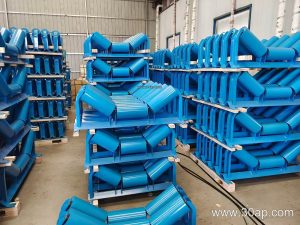
Buyers usually deal with several idler families. Troughing idlers, also called carrying idlers, come in two-roll or three-roll arrangements and support the loaded belt. Return idlers support the empty belt on the return strand, often as flat or V-shaped rollers. Impact idlers with rubber rings are placed at transfer points to cushion falling material. Self-aligning idlers help correct belt tracking, while spiral or comb-type rollers can reduce material buildup. Each type has a specific role, so procurement should list them separately rather than treating all idlers as interchangeable.
Dimensions and Reference Data
Roller diameter and belt width are the first parameters to confirm. Common roller diameters include Ø63, Ø76, Ø89, Ø102, Ø108, Ø127, Ø133, Ø159, Ø178, Ø194, and Ø219 mm. Belt widths range from B400 to B2400, and trough angles are often 20, 30, 35, or 45 degrees. Roller length varies with belt width and idler arrangement; for a three-roll troughing set, typical examples are about 200 mm for B500, 250 mm for B650, 315 mm for B800, 380 mm for B1000, 465 mm for B1200, 530 mm for B1400, 600 mm for B1600, 670 mm for B1800, and 750 mm for B2000. These are common references, not fixed matches, and side rollers may differ from center rollers.
| Parameter | Common Range or Example |
|---|---|
| Roller diameter | Ø63 to Ø219 mm |
| Belt width | B400 to B2400 |
| Trough angle | 20°, 30°, 35°, 45° |
| Bearing | 6204, 6205, 6305, 6306, 6308, 6310 |
| Surface form | Steel, nylon, ceramic, rubber rings |
Where Idlers Are Used
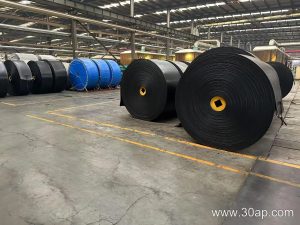
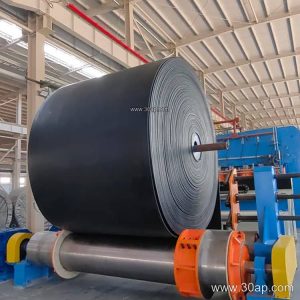
Idler rollers appear wherever a conveyor belt runs. In a limestone quarry or aggregate line, troughing idlers carry crushed stone while return idlers support the belt on its way back. In a coal washing plant or power station coal yard, sealed idlers resist dust and moisture. Cement plants use idlers on clinker and raw material conveyors, and steel plants rely on them in sinter and coke handling. The same components also serve port loading systems, recycling lines, and tunnel spoil removal. The conveyor belt itself may be an EP conveyor belt, a steel cord conveyor belt, or a flame retardant conveyor belt, but the idler selection still follows load, speed, and environment.
What Buyers Should Check
- Confirm roller diameter, length, and shaft end dimensions against the existing conveyor bracket.
- Match bearing type and sealing to dust, water, and temperature conditions.
- Choose the surface form for the duty: rubber rings for impact, ceramic or nylon for wear resistance.
- Check trough angle and idler arrangement so the belt is supported correctly.
- Keep a spare parts list by conveyor line to avoid mixing incompatible rollers.
- Review the conveyor belt specification, such as abrasion resistant conveyor belt or heat resistant conveyor belt, because belt stiffness and load affect idler choice.
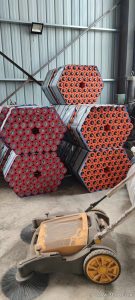
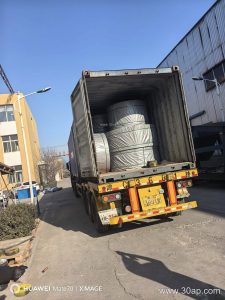
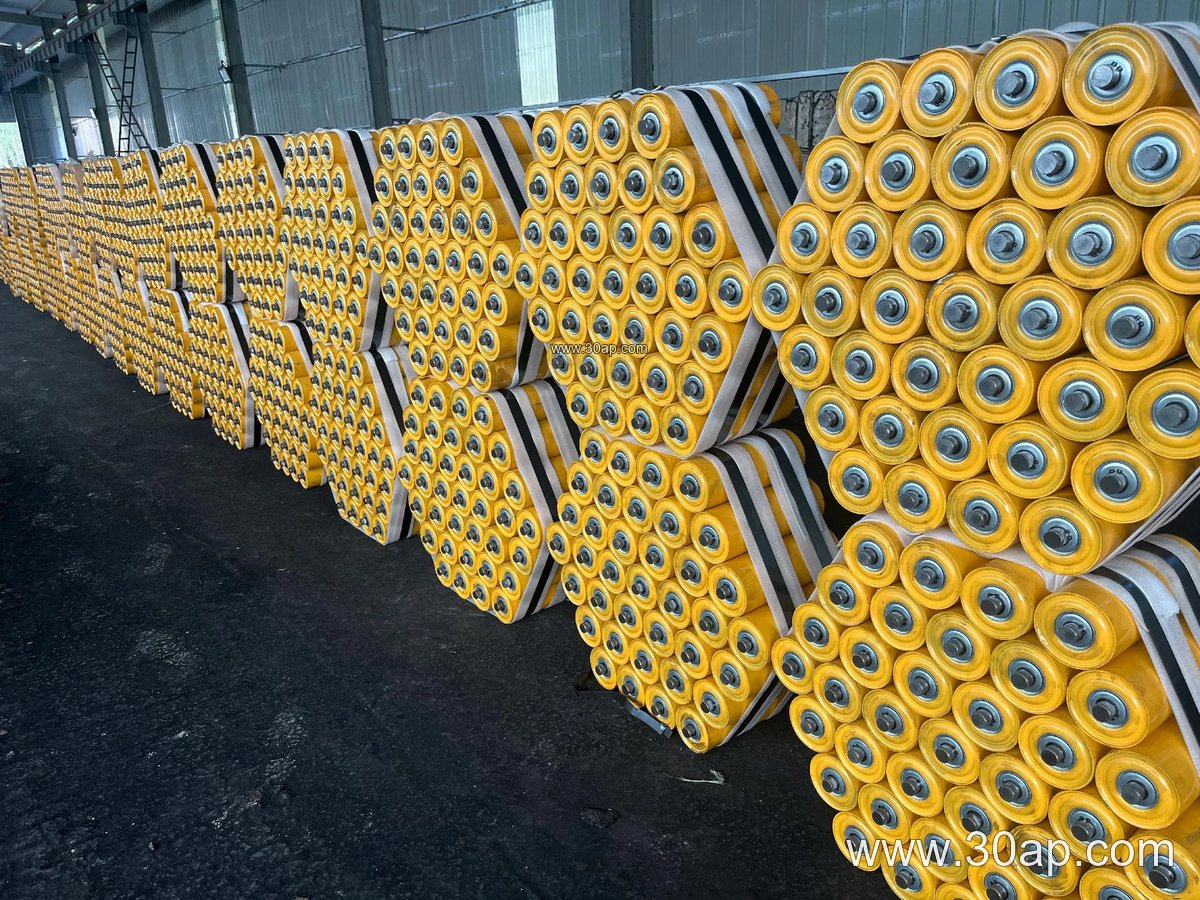
Procurement teams should also consider lead times and storage. Idler rollers are bulky, so ordering in planned batches with clear labeling helps maintenance crews find the right part quickly. For systems carrying heavy ore or rock, heavy-duty idlers with thicker shells and robust bearings are usually preferred, while lighter duty lines may use standard steel rollers. A practical idler procurement plan records the conveyor tag, belt width, roller position, and bearing size for every line.
Procurement Summary
Successful idler procurement is about compatibility and clarity. List each idler type by its location, confirm dimensions against the conveyor bracket, and specify bearings and seals for the site conditions. Whether the plant handles coal, cement, iron ore, or sand and gravel, the right idler roller keeps the conveyor belt running smoothly and reduces unexpected stoppages.