What a Conveyor Idler Frame Does
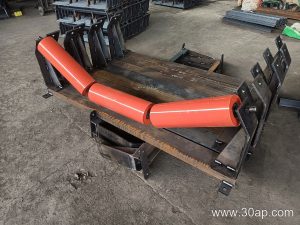
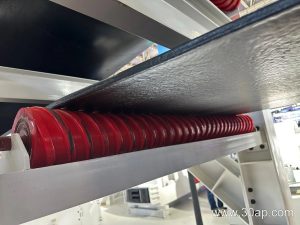
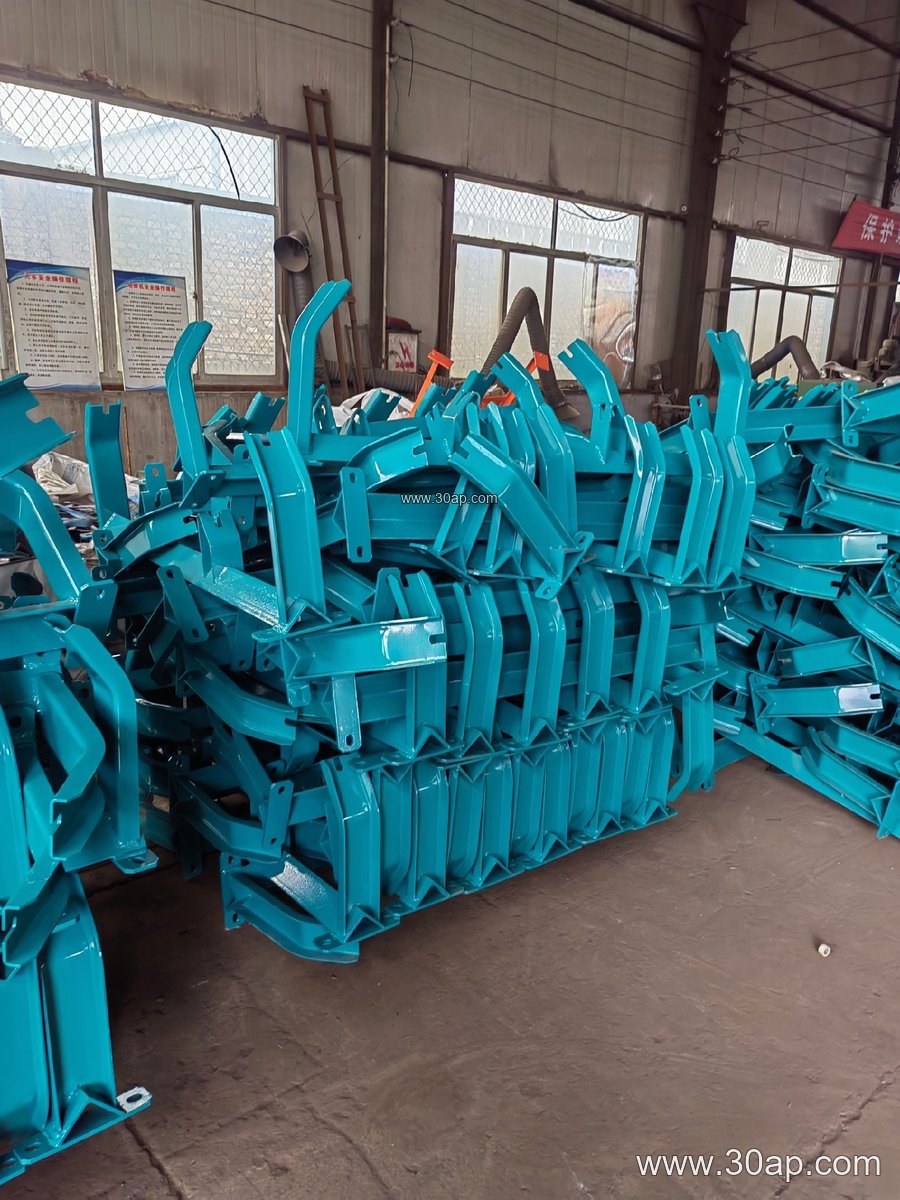
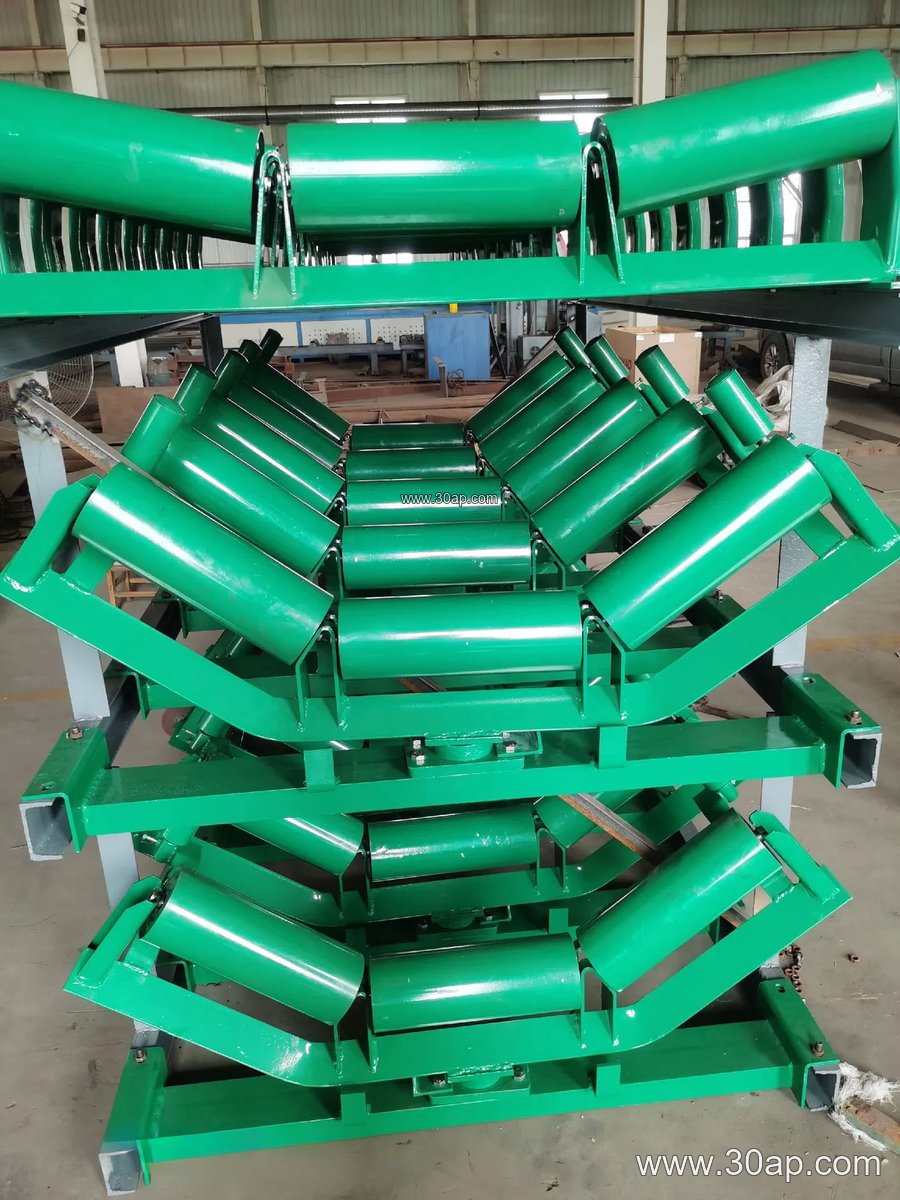
The conveyor idler frame is the structural backbone that holds idler rollers in the correct position under and around the conveyor belt. Often called a idler bracket or roller support frame, this component determines the trough angle, roller spacing, and alignment that keep a belt tracking smoothly. In a quarry, cement plant, or power station coal yard, a well-built idler frame reduces belt edge damage and extends roller life. The frame itself is a fabricated steel assembly, typically made from angle steel, channel steel, or folded steel plate, and it is designed to match the belt width and load profile of the conveyor. While the frame is a separate item from the conveyor pulley, both are essential to the belt line, and neither can substitute for the other.
Construction and Common Configurations
Most frames are welded or bolted structures with mounting slots that allow fine adjustment during installation. The main types include trough frames for carrying idlers, return frames for the belt return side, impact frames for load points, and self-aligning frames that help correct belt wander. A transition frame is used near pulleys to gradually change belt shape, while a suspension frame hangs from the structure above. Adjustable frames let maintenance crews change the trough angle between common settings such as 20, 30, 35, and 45 degrees. Forward-leaning frames, usually set at about 1.5 to 2 degrees, help with belt centering. The table below shows typical reference combinations; actual mounting hole spacing and beam length vary with belt width and trough angle.
| Belt Width | Trough Angle | Roller Diameter | Typical Frame Use |
|---|---|---|---|
| B650 | 30 degrees | Ø89 | Light to medium duty, aggregate lines |
| B800 | 35 degrees | Ø108 | General bulk material handling |
| B1000 | 35 degrees | Ø133 | Mining and cement plant conveyors |
| B1200 | 45 degrees | Ø133 | High capacity, heavy-duty mining conveyor belt |
| B1400 | 45 degrees | Ø159 | Ore and coal handling, power plant coal yard |
| B1600 | 45 degrees | Ø159 | Large tonnage, steel plant and port systems |
| B1800 | 45 degrees | Ø194 | Extra-wide belts, high impact zones |
These values are common references, not fixed rules. A B1200 belt, for example, can be paired with different trough angles and roller diameters depending on the load and belt construction. The frame design should always be confirmed against the conveyor layout and the selected idler roller dimensions.
Where Idler Frames Are Used
You will find idler frames in almost any bulk handling operation. In a limestone quarry or stone crushing line, they support the conveyor belt through every transfer point. In a coal washing plant, flame retardant conveyor belt and self-aligning frames work together to keep the belt centered. Cement plants use heavy-duty frames under clinker and raw meal belts, while power plant coal yards rely on them for continuous fuel feed. The frame also appears in port ship loading systems, steel plant sinter lines, and tunnel spoil removal conveyors. Because the frame carries the roller load, its material and welding quality directly affect the reliability of the whole belt system.
Buyer Checklist for Idler Frames
- Confirm the belt width and trough angle required by the conveyor design, not just the belt size alone.
- Match the frame mounting dimensions to the actual idler roller shaft and the conveyor stringer spacing.
- Choose the frame material and finish for the environment: dusty, wet, or corrosive sites may need galvanized or painted frames.
- Decide between fixed and adjustable frames based on whether the trough angle may need future changes.
- Check that the frame type suits the belt: impact frames at loading points, return frames on the lower run, and self-aligning frames on long runs.
- Ask for dimensional drawings that show hole spacing and beam length for the specific belt width and angle.
A properly selected conveyor idler frame keeps the idler rollers aligned, protects the conveyor belt from unnecessary wear, and supports smooth operation from the tail pulley to the drive pulley. Whether the site is a sand and gravel plant, a fertilizer granulation line, or an iron ore terminal, the frame is a small but critical part of the conveying system.