What a Ø63.5 Conveyor Idler Is
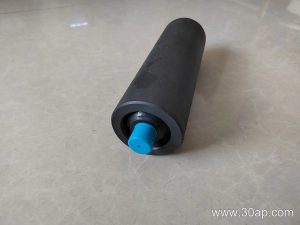
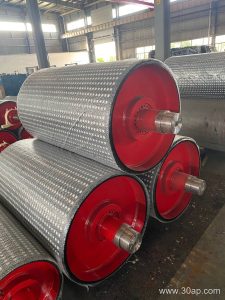
A Ø63.5 conveyor idler is a small-diameter carrying roller used to support the belt on light and medium-duty conveyors. The 63.5 mm figure refers to the outer diameter of the roller shell, a size that sits at the compact end of the idler range and is often chosen where the belt is narrow and the load per meter is moderate. In practice you will see it described as a 63.5 mm idler roller, a small-diameter troughing roller, or simply a 63.5 idler. It is a belt-support component, not a drive part, so it should never be confused with a head pulley, tail pulley or bend pulley, which transmit motion and change belt direction rather than carry the load.
How the Roller Is Built
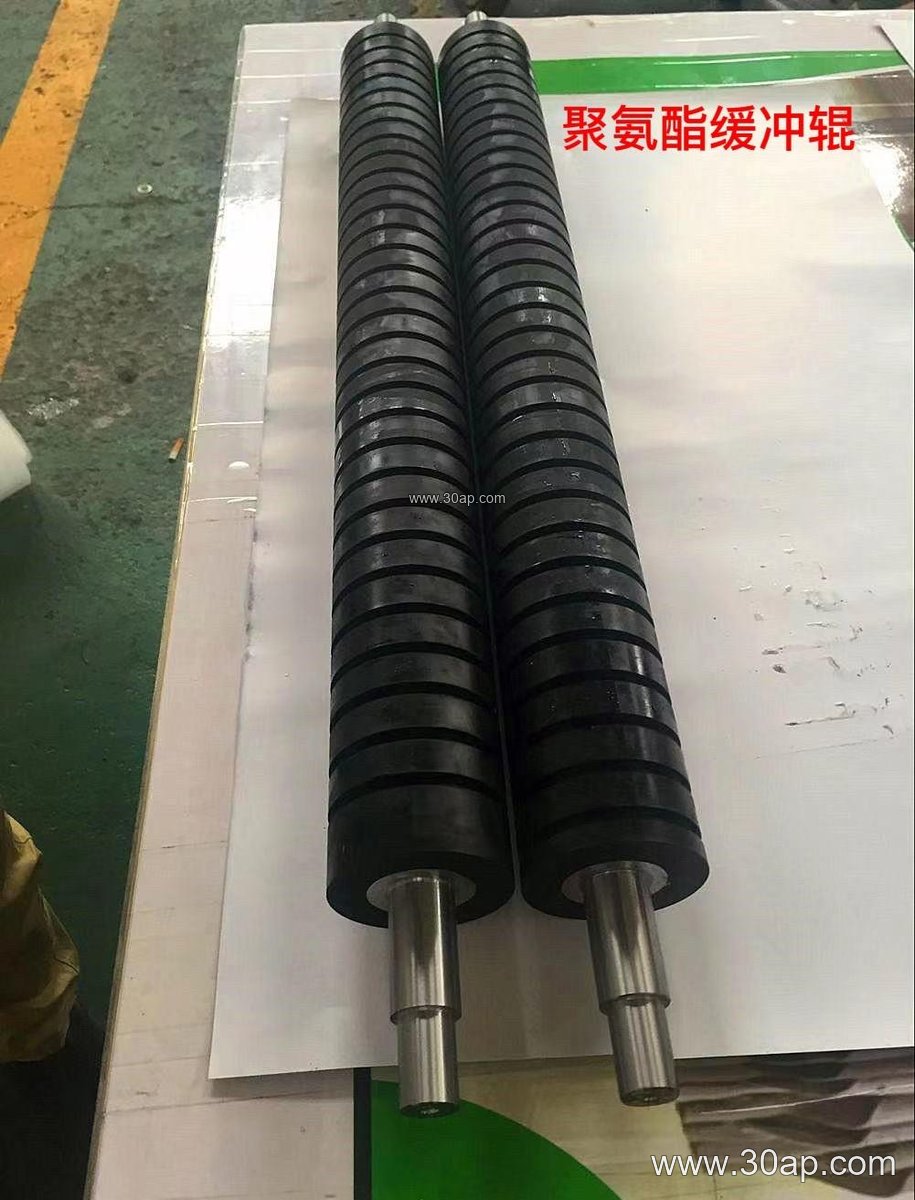
The typical construction is a steel tube shell fitted over a through shaft, with pressed bearing housings at each end and a sealing arrangement to keep dust and water away from the bearings. Shell surfaces may be plain steel, nylon-coated, ceramic-covered or fitted with rubber rings, depending on whether the priority is low friction, wear resistance or impact absorption. Common bearing sizes in this diameter class include 6204 and 6205, though the correct bearing is determined by the idler design and load rating rather than by the roller diameter alone.
Because the roll is small, the shaft and bearing assembly must be well protected. Good labyrinth sealing matters more here than on large rollers, since a narrow belt line often runs at higher speed and any grit that reaches the bearing will shorten service life quickly.
Where It Fits on the Conveyor
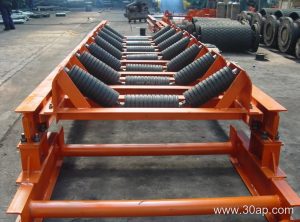
This size is most at home on narrow belt installations. It appears in three-roll troughing sets on B500 and B650 belts, in two-roll sets where a flatter profile is acceptable, and as a return roller under the carrying strand. Trough angles of 20, 30 and 35 degrees are common; a 45 degree trough is possible but puts more sideways force on a small roller and is usually reserved for free-flowing bulk materials.
Roller length is not fixed by diameter. For a three-roll troughing set, a B500 belt commonly uses rolls around 200 mm long and a B650 belt around 250 mm, but side rolls and center rolls can differ, and the final figure should always come from the conveyor design.
Typical reference values
| Parameter | Common range |
|---|---|
| Outer diameter | 63.5 mm |
| Belt width | B500, B650 (also seen on B400) |
| Trough angle | 20°, 30°, 35° |
| Roll length, three-roll set | about 200 mm at B500, about 250 mm at B650 |
| Bearing sizes | 6204, 6205 |
| Shell surface | steel, nylon, ceramic, rubber rings |
These are reference values, not a supply promise. Actual dimensions follow the individual conveyor specification.
Applications Across Industries
Small-diameter idlers turn up in sand and aggregate lines feeding screens, in cement plant additive belts, in power plant coal handling runs where belt widths are modest, and in tunnel muck conveyors that must stay compact. A quarry conveyor belt or a crusher conveyor belt on a short transfer may use them as return rollers, while a fertilizer or grain line may prefer them because the low rotating mass suits frequent starts and stops.
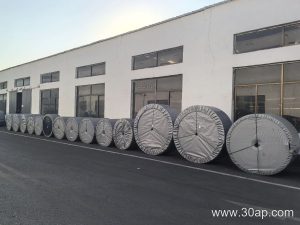
The belt itself matters too. A light EP conveyor belt or a multi-ply fabric core belt is a natural match for this roller size, and a chevron conveyor belt on an inclined narrow line can also run over Ø63.5 idlers provided the roll spacing is set correctly. On abrasive duties, an abrasion resistant conveyor belt paired with ceramic-covered rollers reduces both belt wear and shell wear.
Choosing and Maintaining the Size
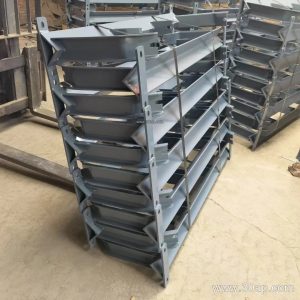
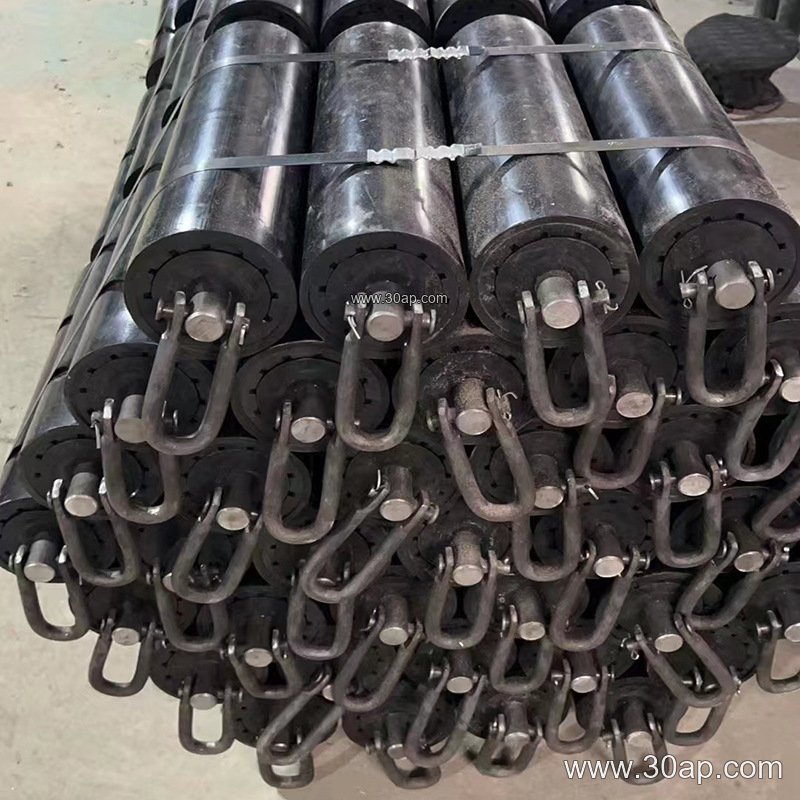
Buyers should confirm four things before ordering: the belt width, the trough angle, the roll length and the mounting arrangement on the conveyor bracket. The idler must sit correctly in the frame so the roll axis stays square to the belt; a misaligned bracket causes edge wear and tracking problems that no roller quality can fix. Check that the shaft ends match the bracket slot, and confirm the sealing class suits the environment, since dust in a quarry or washdown in a cement plant demands different protection.
During service, listen for squealing and watch for a roller that stops turning while the belt keeps moving. A seized Ø63.5 idler will wear a flat spot into the belt cover quickly. Spacing on the carrying side is usually tighter than on the return side, and impact zones benefit from rubber-ring versions. When replacing rollers, keep the same diameter and length so the belt line height does not change.
For related components such as conveyor pulleys, idler rollers and conveyor brackets, match the roller specification to the original conveyor drawing rather than to a generic size chart, and treat the Ø63.5 figure as one input among several.