What an Anti-Static Conveyor Belt Is
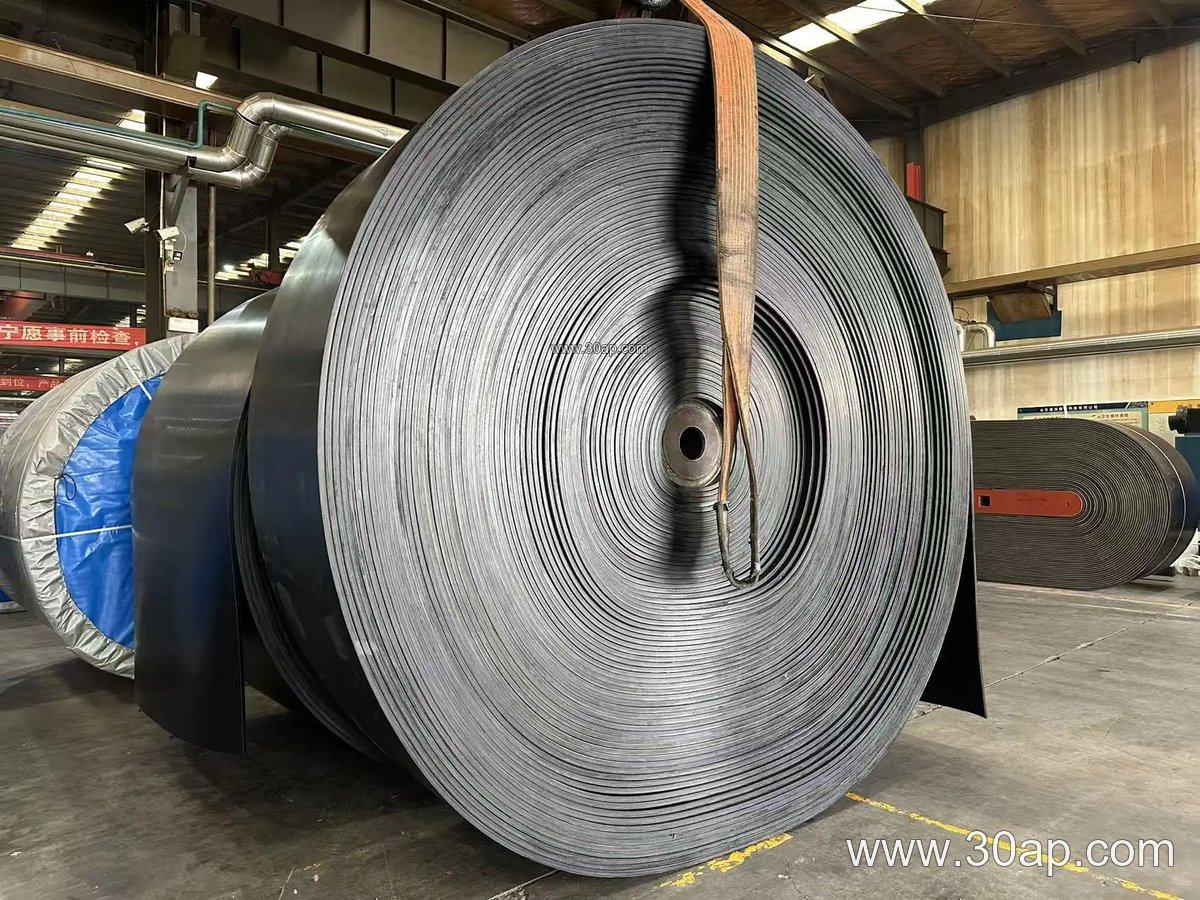
An anti-static conveyor belt is a rubber or PVC conveyor belt designed to dissipate static electricity that builds up as the belt runs over pulleys and idler rollers. In dusty operations such as coal mines, cement plants, power stations, and sand and gravel yards, static discharge can ignite combustible dust or interfere with sensitive equipment. The belt is also called a static-dissipating conveyor belt, and both names describe the same product: a belt whose cover compound and construction allow controlled leakage of static charge to the frame and ground.
How the Belt Is Built
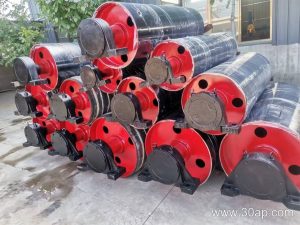
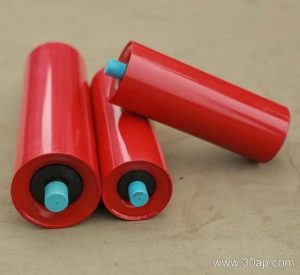
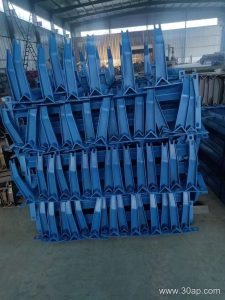
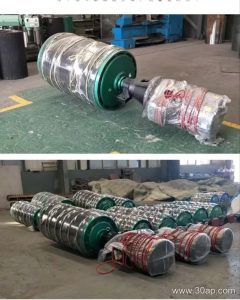
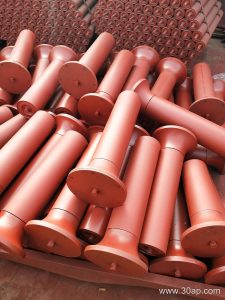
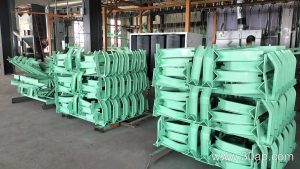
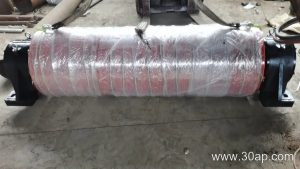
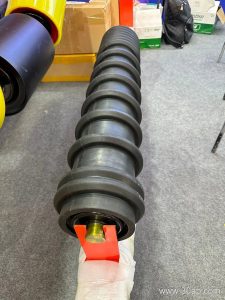
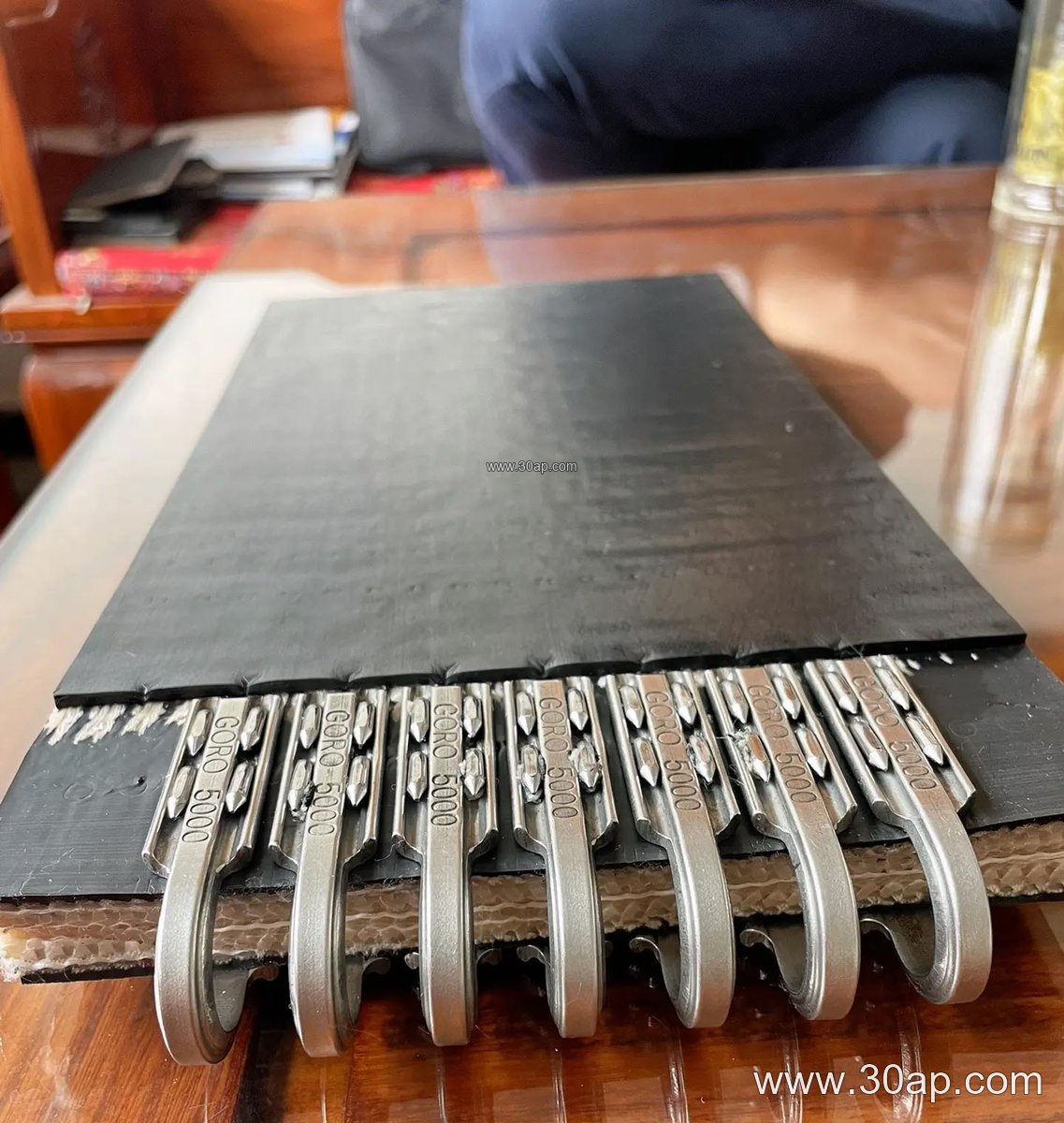
The anti-static property usually comes from conductive carbon black or other additives compounded into the cover rubber. The carcass may be EP fabric, NN nylon, or steel cord, depending on tension and load. A common construction uses 2 to 6 fabric plies with cover thickness such as 3+1.5 mm, 4+2 mm, 5+2 mm, or 6+2 mm. The belt must be properly grounded through the conveyor structure, and metal parts such as the conveyor pulley, idler roller, and conveyor bracket should be bonded to earth so charge can flow away.
Where It Is Used
Static build-up is a concern wherever dry bulk materials move fast and dust is present. Typical installations include:
- Coal handling and preparation plants
- Cement kilns and clinker conveying lines
- Power plant coal yards and ash handling
- Sand, gravel, and aggregate operations
- Grain and other dusty bulk terminals
In these environments, an anti-static belt reduces the risk of sparks and dust ignition. It is often specified together with flame-retardant properties, though anti-static and flame resistance are separate characteristics.
Specifications and Options
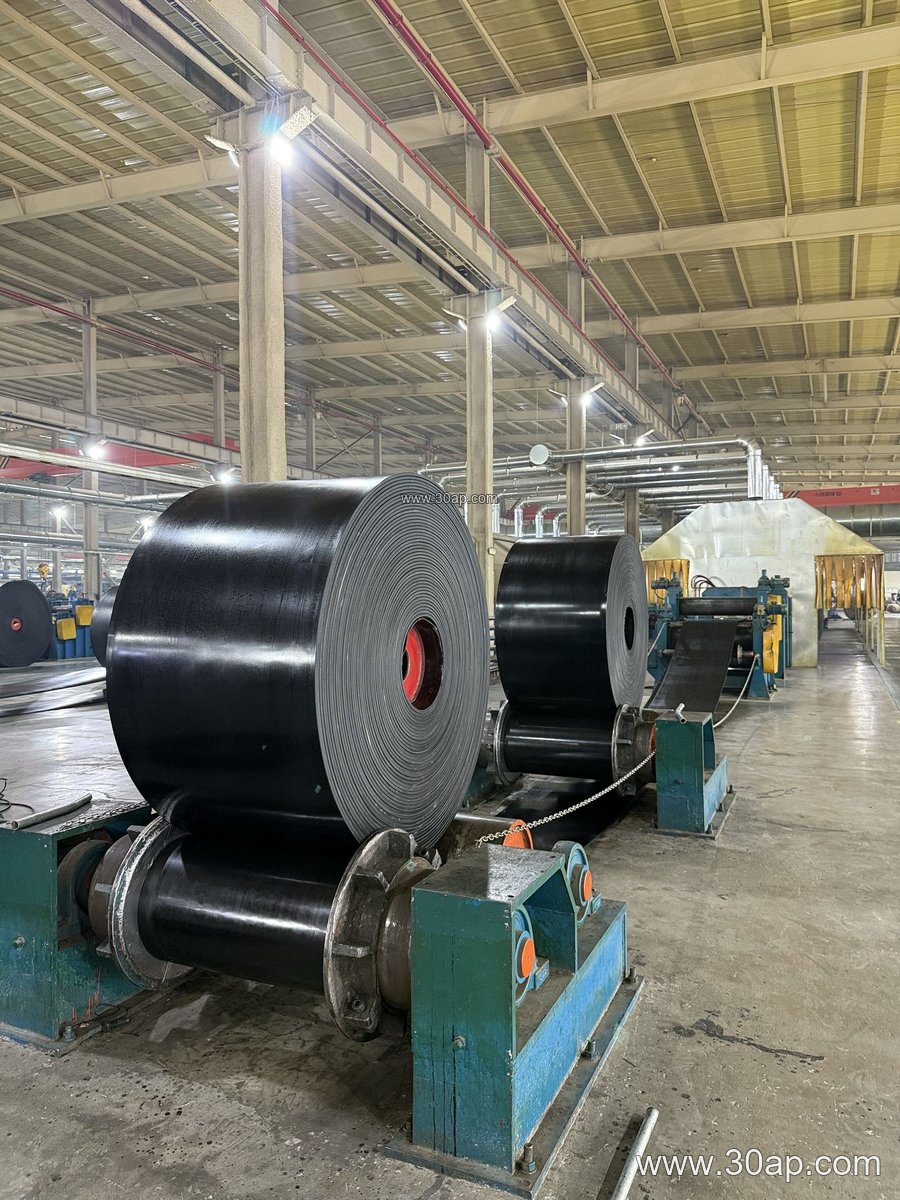
Buyers can choose strength, width, and cover grade to match the conveyor design. Common tension grades include EP200, EP315, EP400, EP500, EP630, EP800, EP1000, EP1250, EP1600, and EP2000. Belt widths are usually stated as B500, B650, B800, B1000, B1200, B1400, B1600, B1800, and B2000. The table below shows reference values; actual supply depends on the manufacturer and the application.
| Parameter | Common reference values |
|---|---|
| Tension grade | EP200 to EP2000 |
| Belt width | B500 to B2000 |
| Cover thickness | 3+1.5 mm, 4+2 mm, 5+2 mm, 6+2 mm, 8+3 mm |
| Carcass plies | 2 to 6 |
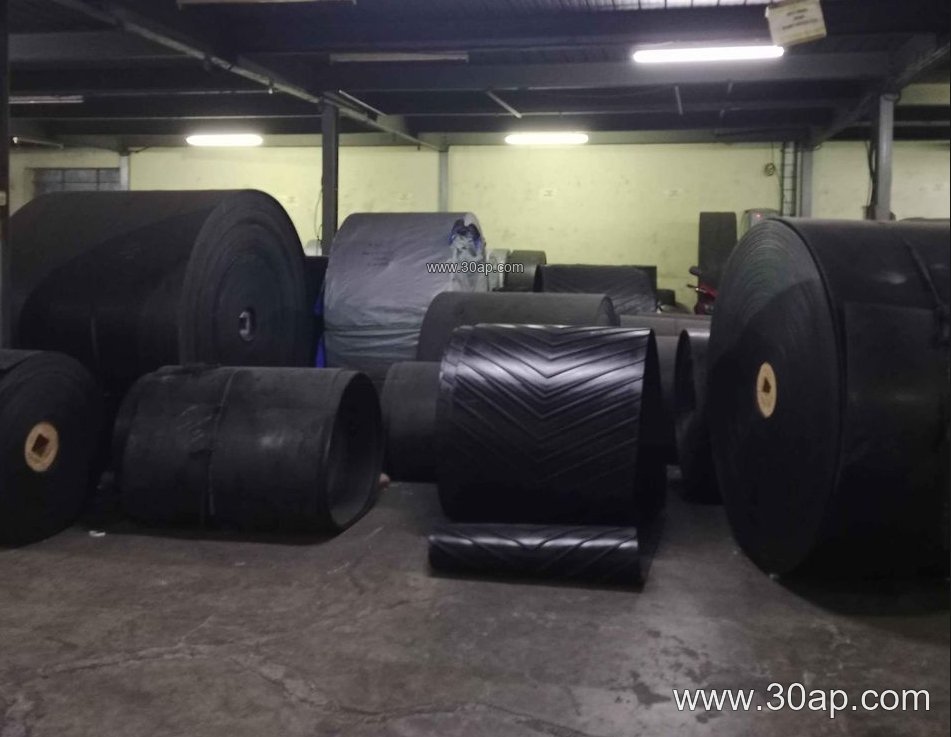
| Surface form | Plain, patterned, or chevron |
Surface patterns and chevron profiles can be combined with anti-static covers where extra grip is needed. PVC and PVG belts are also available in anti-static grades for lighter duty or underground use.
Selection and Maintenance Notes
Choose the belt by the maximum tension, pulley diameters, and material lump size rather than by width alone. A wider belt does not automatically mean a larger pulley diameter, and shaft size should be confirmed by the conveyor designer. Keep the belt clean and check grounding continuity on the conveyor frame, idler roller, and conveyor pulley at regular intervals. Worn covers can reduce static dissipation, so inspect the surface and replace the belt when conductivity drops below the design requirement.
For dusty mines, cement works, and power plants, an anti-static conveyor belt is a practical choice when static control is part of the safety plan. Match the belt grade to the duty, confirm the electrical path to ground, and follow the manufacturer’s data for the final specification.