Conveyor Pulley Basics
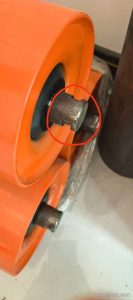
The conveyor pulley drives and tensions the belt, so choose the right one for your system.

Selection Tips
- Match pulley diameter to belt speed and load.
- Choose lagging for grip and wear protection.
- Check shaft, bearing, and balance specs.
Purchasing Advice
Buy from suppliers who provide load ratings, material certificates, and after-sales support.
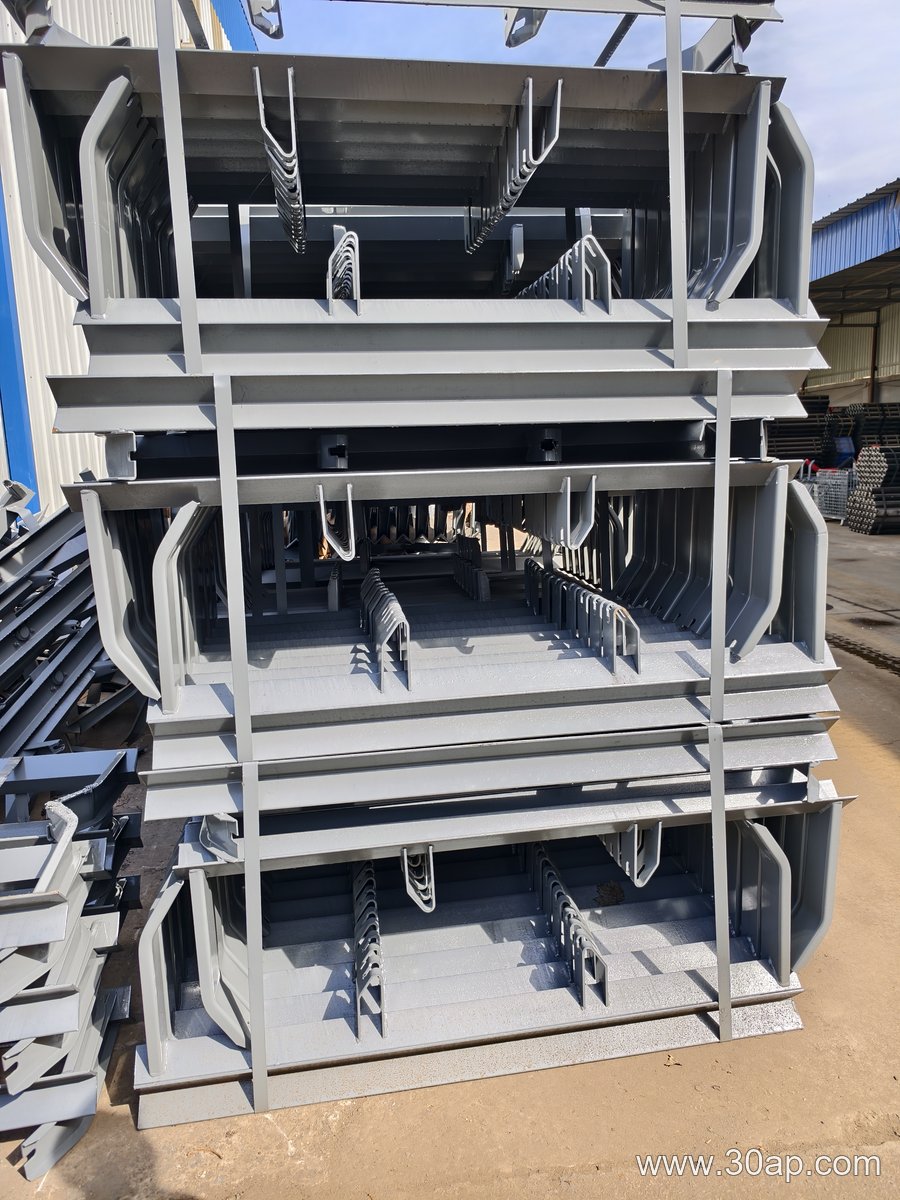
Why the Conveyor Bracket Matters
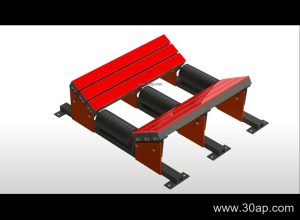
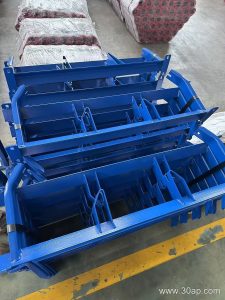
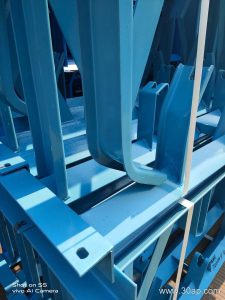
A conveyor bracket connects rollers, idlers, and frames, keeping your line aligned and safe. Choose the right one to cut downtime and maintenance costs.
Selection Tips
- Match load capacity and belt width.
- Pick mild steel, stainless, or galvanized based on environment.
- Confirm hole patterns and mounting centers.
Purchasing Advice
Buy from suppliers offering load ratings, drawings, and corrosion options. Standardize sizes to simplify spares and reduce lead times.
Conveyor Belt Selection and Purchasing Guide
A conveyor belt is the core of any bulk material handling system. Match carcass, cover grade, and splice to your load, speed, and environment before you buy.

Key Selection Factors
- Material weight, abrasion, and temperature
- Belt width, trough angle, and pulley diameter
- Oil, heat, or fire resistance needs
- Belt fastener or vulcanized splice preference
Purchasing Advice
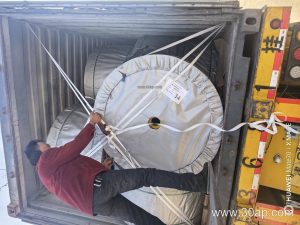
Request test reports, confirm export packaging, and compare total cost per ton moved, not price per meter alone.
Choosing the Right Idler Roller
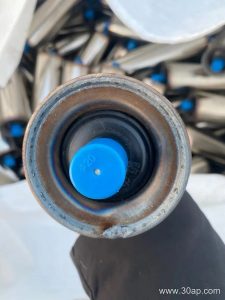
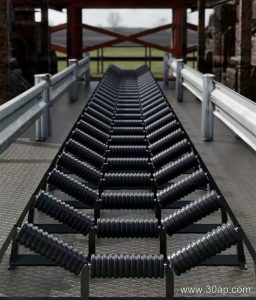
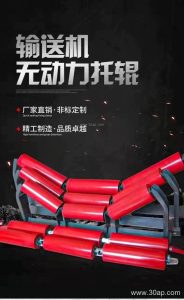
An idler roller supports and guides conveyor belts, reducing friction and extending system life. Select based on load, speed, and environment.

Key Selection Factors
- Load capacity and belt width
- Bearing type and sealing
- Material: steel, stainless, or polymer
- Operating speed and noise
Purchasing Advice
Verify dimensional tolerances, request test data, and compare total cost of ownership. Choose suppliers offering corrosion-resistant options for washdown or outdoor use.