What an Anti-Slip Lagged Pulley Does
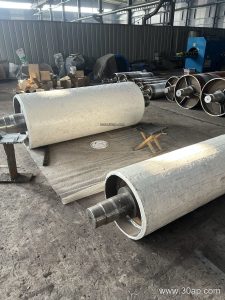
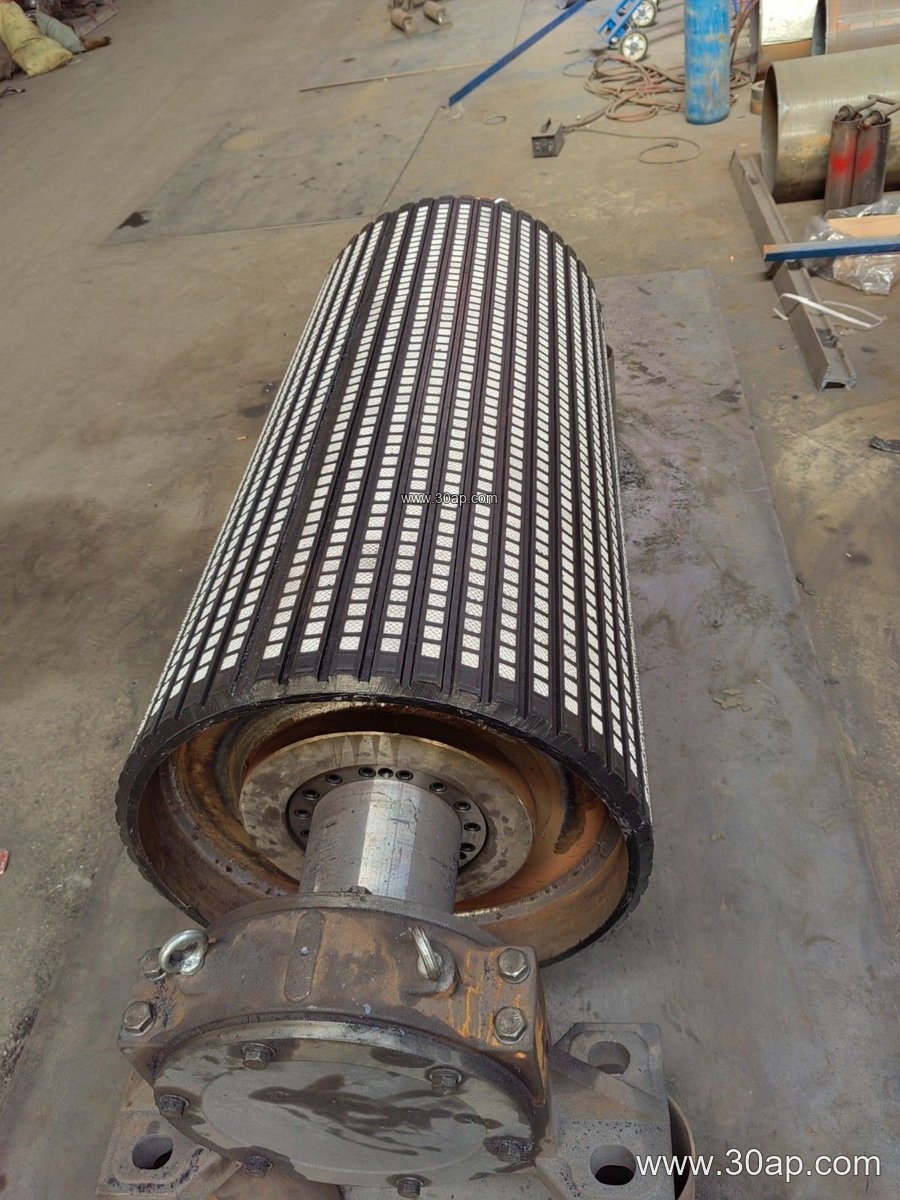
An anti-slip lagged pulley is a conveyor pulley whose shell is covered with a rubber or ceramic lagging layer designed to raise friction between the drum surface and the conveyor belt. The lagging reduces belt slip under starting torque, wet conditions, or heavy loads, protecting both the belt cover and the pulley face from premature wear. In practice, this pulley is usually a drive pulley, also called the head or drive drum, because that is the position where torque transfer matters most and where slip is most damaging.
Buyers often search for this item as a rubber lagged drive pulley or friction lagging drum. Both names describe the same product. It should not be confused with a tail pulley or a bend pulley, which guide or tension the belt rather than transmit the main driving force.
Construction and Surface Options
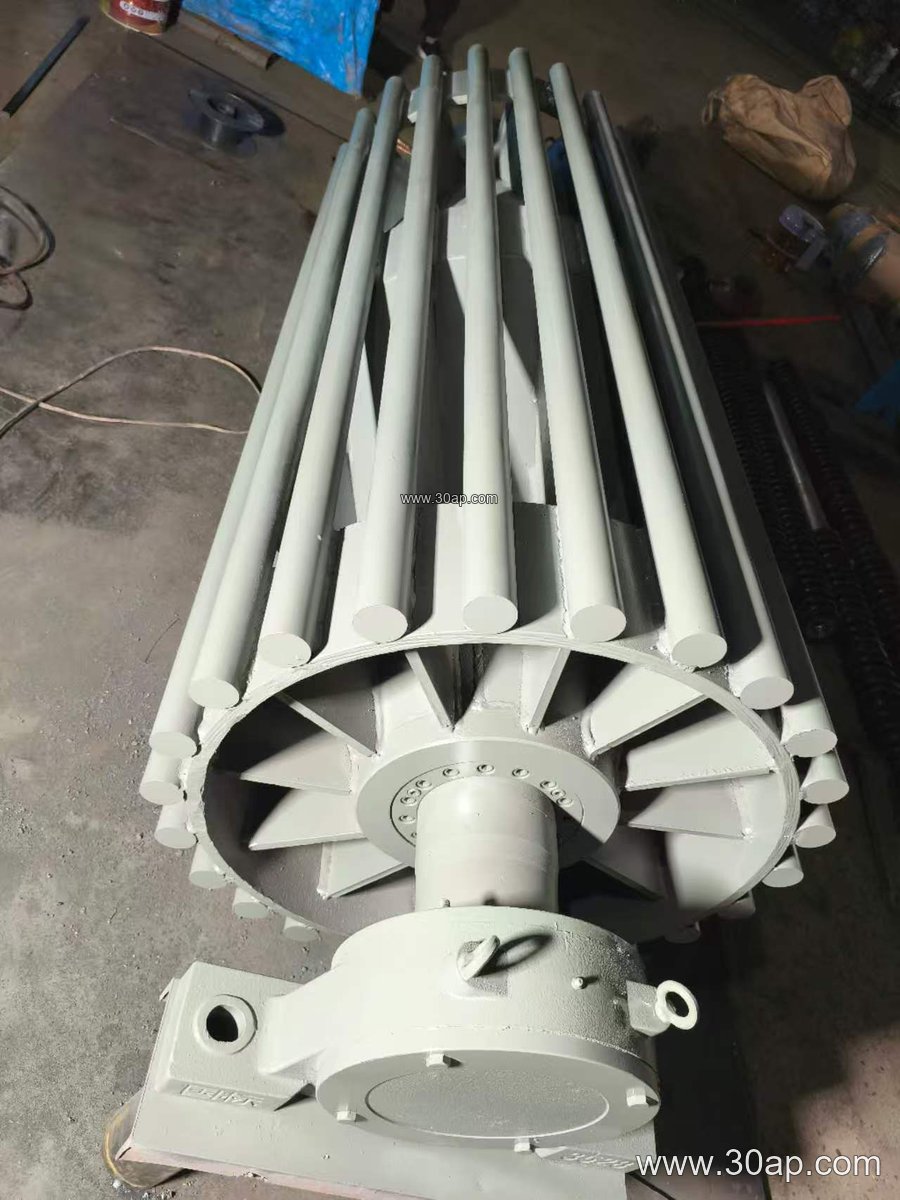
The core is a welded steel shell with shaft, hubs, and end discs sized for the calculated torque and radial load. Lagging is applied in several ways, and the surface pattern is chosen to match the duty:
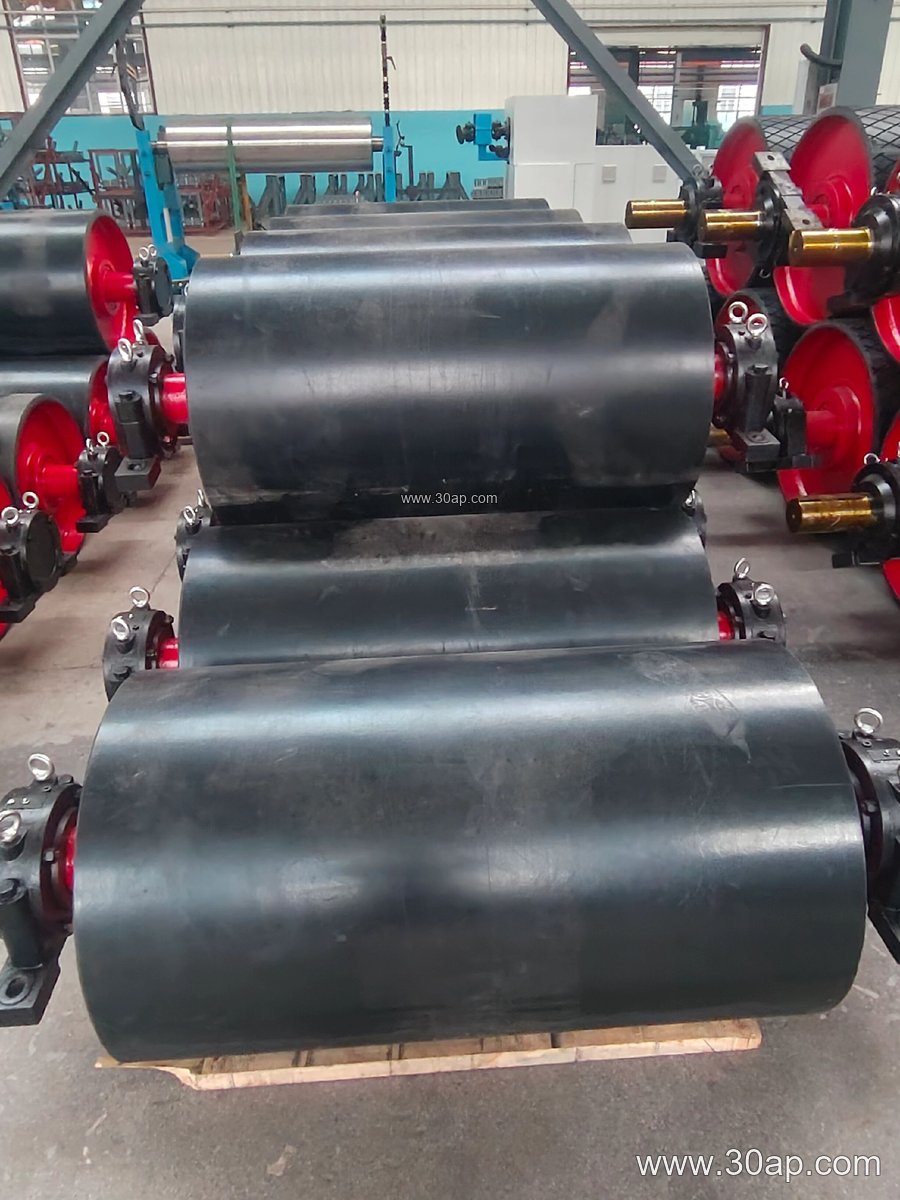
- Plain rubber lagging for general dry service
- Diamond groove lagging to help water and fines escape
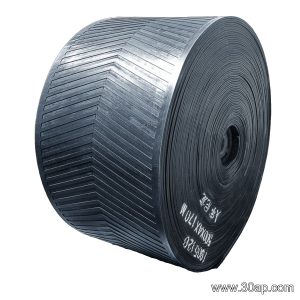
- Herringbone pattern for better grip in one defined running direction
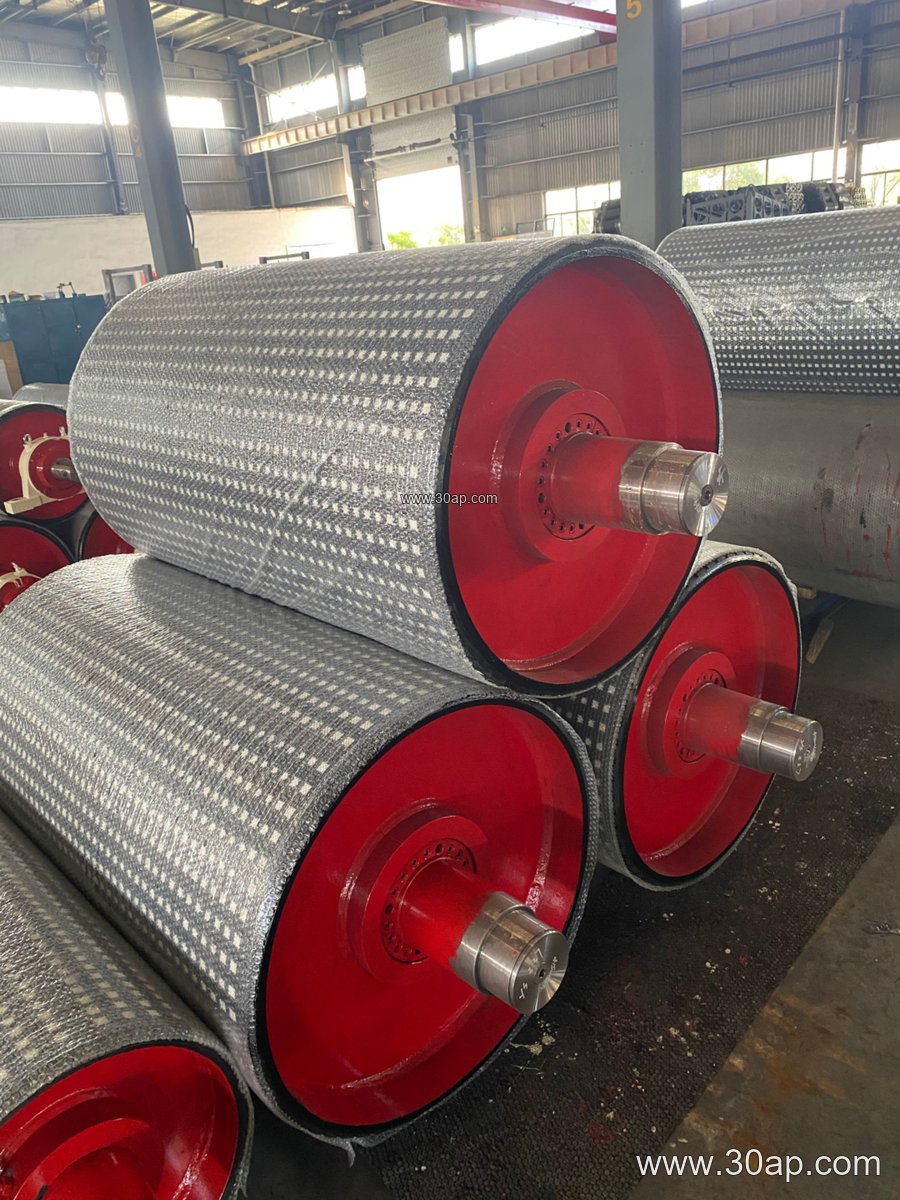
- Ceramic lagging tiles for very abrasive or wet duty
- Hot vulcanized or cold bonded rubber, depending on workshop capability
Lagging thickness commonly ranges from 8 mm to 20 mm, for example 10 mm, 12 mm or 15 mm. Thicker covers suit high-torque drives and coarse bulk material, while thinner covers keep the pulley diameter compact. A properly specified anti-slip lagged pulley also includes adequate end clearance and, where needed, a crowned face to help the belt center itself.
Typical Sizes and Selection Notes
Drum diameter and face width follow the belt width, belt tension, and drive layout. Face width is normally slightly larger than the belt, for example about 950 mm for a B800 belt or about 1400 mm for a B1200 belt. Common combinations include B800 x Ø500 and B1200 x Ø1000, but diameter should be confirmed from shaft torque and belt fatigue requirements rather than copied from a table.
Shaft diameter is usually selected from torque and bearing load, with common values such as Ø80, Ø100, Ø120, and Ø140. A given belt width does not dictate one shaft size. The table below shows indicative reference values only; final dimensions are set by design.
| Reference item | Typical range or example |
|---|---|
| Belt width | B500, B650, B800, B1000, B1200, B1400, B1600 |
| Pulley diameter | Ø315, Ø400, Ø500, Ø630, Ø800, Ø1000, Ø1250 |
| Lagging thickness | 8, 10, 12, 15, 20 mm |
| Shaft diameter | Ø60 to Ø200 depending on load |
| Surface form | Plain, diamond, herringbone, ceramic |
On a limestone quarry line or a coal handling system in a power plant, the drive pulley may run with an EP conveyor belt or a steel cord conveyor belt. The lagging compound should be compatible with the belt cover and with local conditions such as oil, heat, or fine dust.
Where It Is Used
Anti-slip lagging is common in aggregate plants, cement works, iron ore and copper ore handling, sinter plants, and port bulk terminals. It suits inclined conveyors, start-stop duty, and belts carrying wet or muddy material. In a crusher discharge or screen feed arrangement, a lagged drive drum helps maintain speed when the belt is unevenly loaded.
For comparison, a bend pulley or tail pulley may use plain or lightly lagged surfaces, since its job is redirection rather than traction. A drive pulley with worn or glazed lagging is a frequent cause of belt slip, smoke, and edge damage, so replacement lagging is often part of planned maintenance.
Buyer Checklist
- Confirm the pulley position, torque, and belt speed before choosing the lagging pattern
- State belt width, pulley diameter, face width, and shaft diameter with tolerances
- Specify lagging thickness, hardness, and whether grooving or ceramic tiles are required
- Check balancing, bearing type, and locking arrangement
- Match lagging to the conveyor belt cover and site environment
For related components, coordinate the drum with conveyor brackets, idler rollers, and the belt specification so the whole drive station works as one system. A correctly sized anti-slip lagged pulley extends belt life and keeps throughput steady in demanding bulk handling duty.