What a Parallel Idler Is
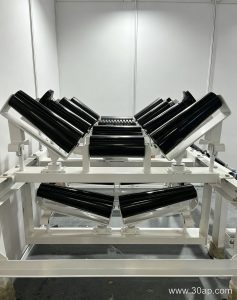
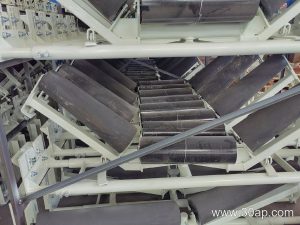
A parallel idler is a carrying roller whose axis stays parallel to the conveyor frame, so the roller surface runs flat across the full width of the conveyor belt. In a troughing set the side rollers are angled upward to cup the belt, but in a parallel arrangement the belt rests on a flat line of rollers. This makes the parallel idler a simple, stable support for the load side of a belt, and the same flat geometry appears on the return side as a plain return roller. In plant drawings and spare-parts lists you may also see it called a flat carrying idler or a plain parallel roller, which refers to the same product.
The flat profile suits conveyors that do not need a deep trough. It also helps where the belt must stay open and flat, for example under a discharge point or along a section where material is spread evenly rather than piled in the center.
How the Roller Is Built
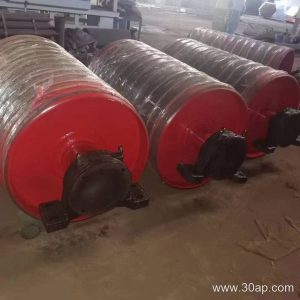
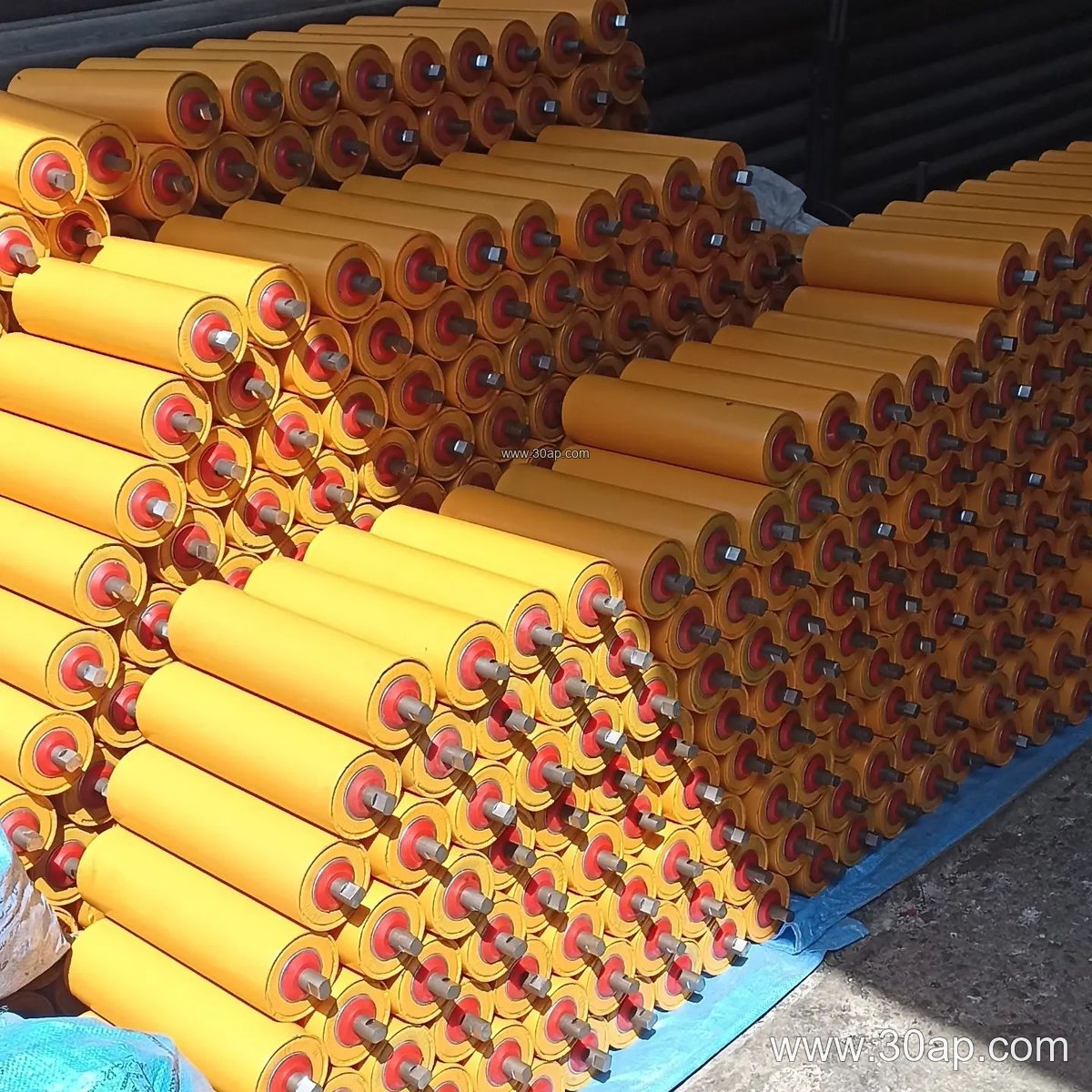
A typical parallel idler is a steel tube shell fitted with end caps, a shaft, and sealed bearings. The shell may be plain steel, nylon-coated, or covered with rubber rings when extra grip or impact protection is wanted. Common bearing sizes include 6204, 6205, 6305, 6306, 6308, and 6310, and the bearing is matched to the shaft and load during design rather than to belt width alone.
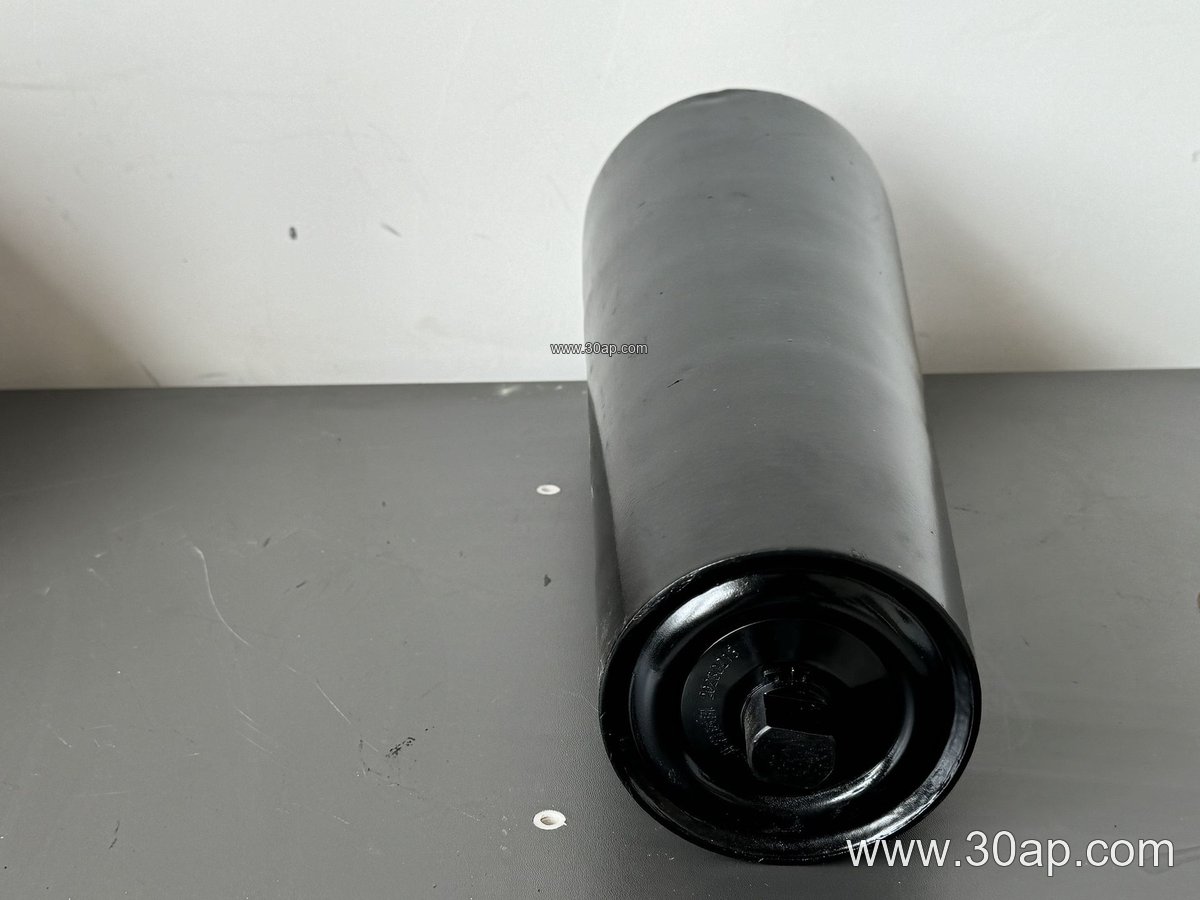
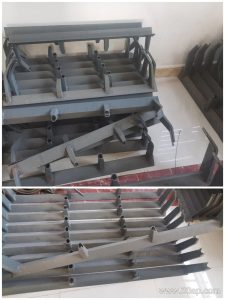
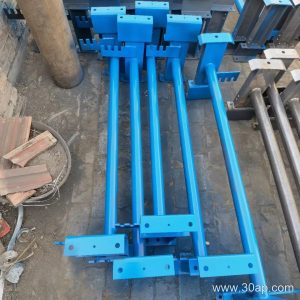
Roller diameter is usually chosen from a range such as Ø63, Ø76, Ø89, Ø102, Ø108, Ø127, Ø133, Ø159, Ø178, Ø194, and Ø219 mm, depending on belt speed, load, and the frame height available. The roller length follows the belt width and the mounting arrangement. For flat carrying idlers the shell usually spans most of the belt width, while a troughing set uses shorter rolls. Because the parallel idler sits in a simple frame, it is often paired with a conveyor bracket that sets the shaft height and spacing.
Where It Fits on the Conveyor
Parallel idlers are common on the carrying side of belt conveyors in sand and gravel plants, cement lines, coal handling at power stations, and fertilizer or grain transfer houses. They also appear on the return side as flat return rollers, supporting the empty belt between the head and tail. On a long overland conveyor, a flat carrying section may be used where the belt is loaded gently and the material is not likely to spill. In a crushing and screening circuit, a parallel roller under a wide feed belt can keep the belt flat and reduce edge wear when the load is distributed evenly.
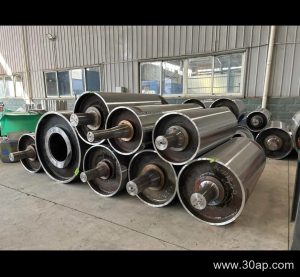
They are not a substitute for a bend pulley, drive pulley, or tail pulley; those are separate components that turn or redirect the belt. A parallel idler only supports the belt. Where the belt needs a trough, a three-roll troughing set with 20, 30, 35, or 45 degree trough angles does the job instead.
Diameters, Widths, and Reference Data
The table below shows common reference values for parallel idlers and related flat rollers. These are typical examples, not fixed matches; final length and diameter are set by the conveyor design.
| Belt width | Common roller diameter | Typical flat roller length | Common bearing |
|---|---|---|---|
| B500 | Ø76 to Ø89 mm | About 200 mm | 6204 / 6205 |
| B650 | Ø89 to Ø108 mm | About 250 mm | 6205 / 6305 |
| B800 | Ø89 to Ø108 mm | About 315 mm | 6205 / 6305 |
| B1000 | Ø108 to Ø133 mm | About 380 mm | 6305 / 6306 |
| B1200 | Ø108 to Ø133 mm | About 465 mm | 6306 / 6308 |
| B1400 | Ø133 to Ø159 mm | About 530 mm | 6308 / 6310 |
| B1600 | Ø133 to Ø159 mm | About 600 mm | 6308 / 6310 |
| B1800 | Ø159 to Ø178 mm | About 670 mm | 6310 |
| B2000 | Ø159 to Ø194 mm | About 750 mm | 6310 |
Larger diameters such as Ø194 and Ø219 mm are usually reserved for heavy belts and high loads. A wider belt does not automatically require a larger shaft; the shaft is sized from the actual load and the frame design.
Buyer Checklist
- Confirm whether the position is carrying or return, since a flat carrying roller and a flat return roller may use different mountings.
- Check the belt width, the frame opening, and the required roller length before ordering.
- Match the roller surface to the duty: plain steel for clean material, rubber rings for impact areas, and nylon or ceramic where build-up is a concern.
- Ask about bearing size and sealing, especially in dusty coal, cement, or quarry conditions.
- Verify the shaft end and bracket type so the parallel idler fits the existing conveyor bracket.
Good maintenance starts with rotation. A parallel idler that stops turning will flat-spot the shell and wear the conveyor belt. Regular inspection of bearing seals and roller alignment keeps the flat section running smoothly in sand and gravel yards, power plant coal lines, and cement plants alike.