What an Anti-Misalignment Idler Does
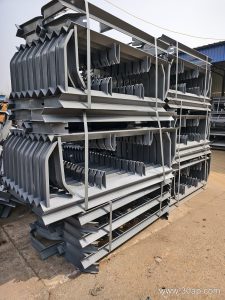
An anti-misalignment idler, also called a self-aligning idler or training idler, is a conveyor idler roller designed to correct belt drift before it becomes a problem. On a running conveyor belt, small tracking errors can grow into edge damage, spillage, and uneven wear. The anti-misalignment idler responds to the belt touching its end roller or pivoting frame, then angles slightly to guide the belt back toward the center line. In quarries and aggregate lines, this type of idler is often placed on the carrying side after the feed point, while in coal mining conveyor systems it may appear on both carrying and return runs where misalignment risk is high.
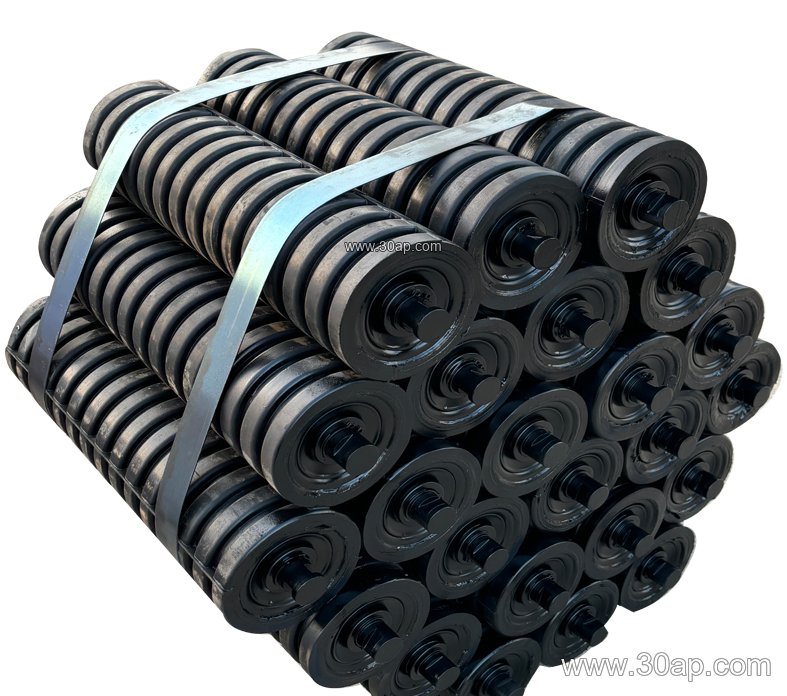
Construction and Working Principle
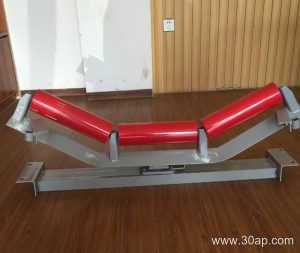
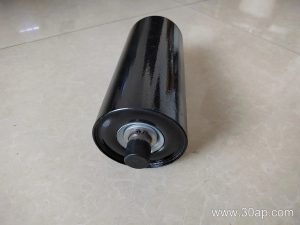
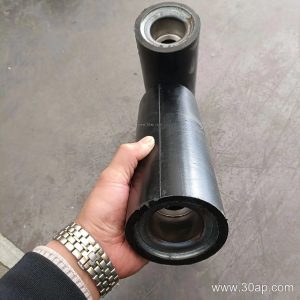
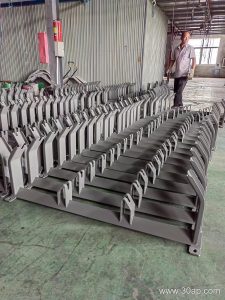
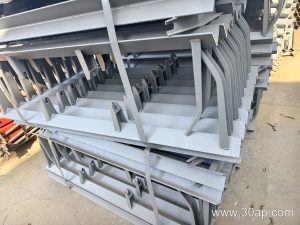
A typical anti-misalignment idler uses a pivoted bracket that allows the idler frame to rotate in the horizontal plane. The idler roller itself may be a steel tube with rubber rings or a plain steel surface, and the bearings are usually sealed to resist dust and moisture. When the belt shifts sideways, it contacts a vertical guide roller or the end of the idler frame, creating a small steering angle. The resulting friction force pushes the belt back. Common roll diameters for this family include Ø89, Ø108, Ø127, and Ø133, with bearing sizes such as 6204, 6205, 6305, and 6308 chosen to match the load and shaft design. The idler length follows the belt width and trough configuration, so a B800 belt might use a 315 mm roll in a three-roll trough set, while a B1200 system often uses around 465 mm. These are typical references, not fixed rules.
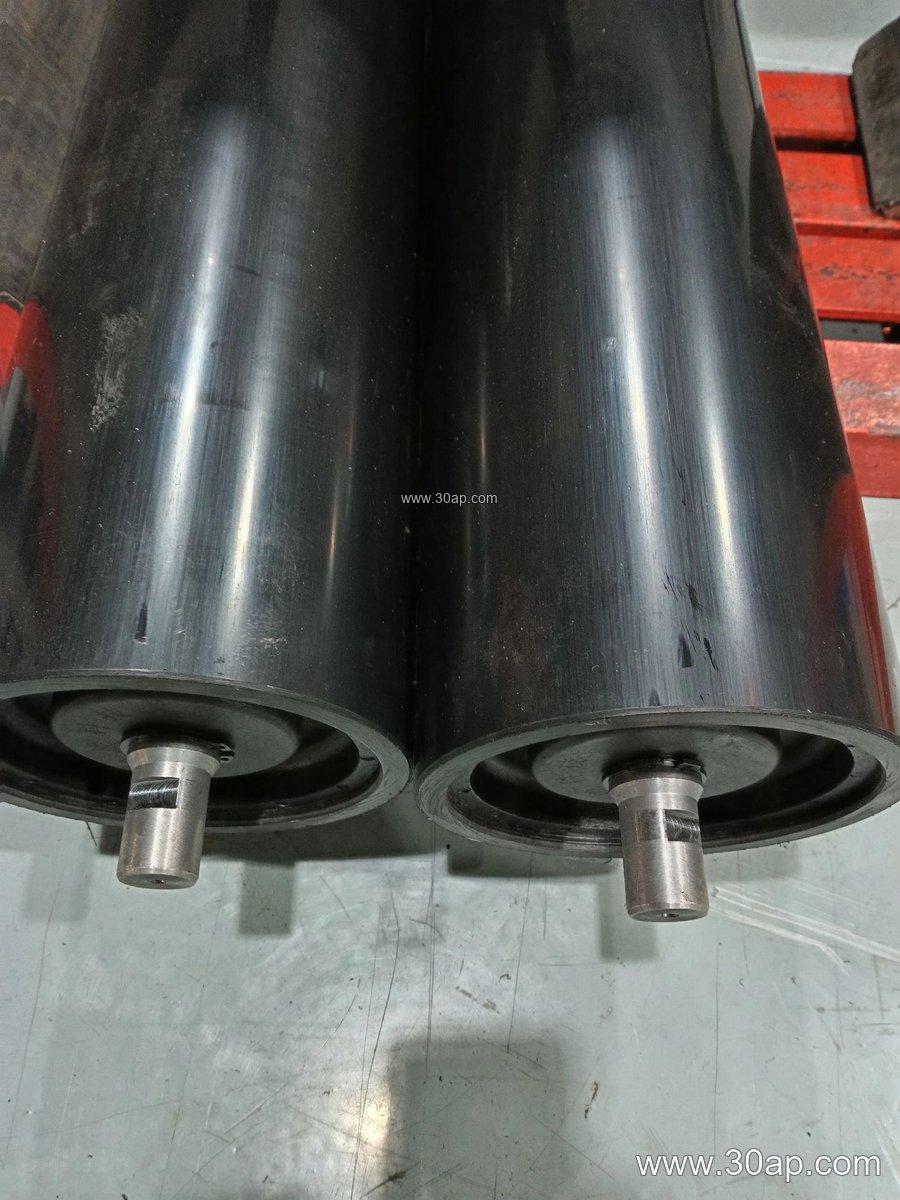
Where It Fits in a Conveying System
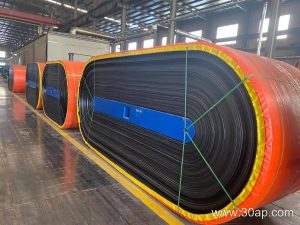
Anti-misalignment idlers are common in cement plants, power plant coal handling, iron ore and copper ore operations, and sand and gravel plants. They are especially useful where a Rubber Conveyor Belt is long, where loading is off-center, or where the structure is exposed to wind and weather. In a crushing and screening circuit, a self-aligning idler after the crusher discharge helps keep a Mining Conveyor Belt centered despite uneven stone flow. On the return side, a V-type return idler may be used for support, but the anti-misalignment idler is the component that actively corrects tracking. Drive pulleys, tail pulleys, and bend pulleys are not interchangeable with this idler; each has a different job in the conveyor.
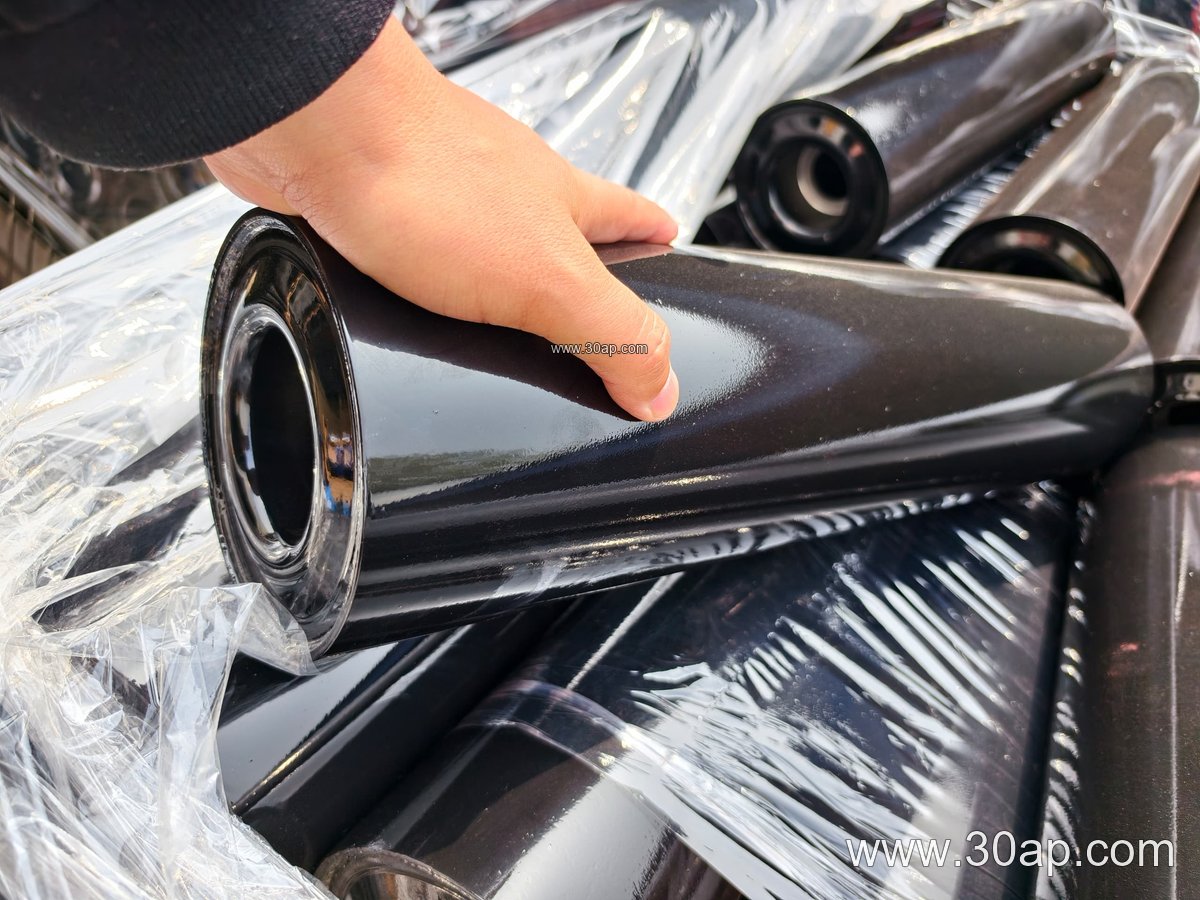
Selection Details Buyers Should Check
Buyers should confirm the belt width, trough angle, idler diameter, and mounting bracket dimensions before ordering. A common three-roll trough set may use 20, 30, 35, or 45 degree trough angles, and the idler frame must match the existing conveyor bracket. The surface form matters too: rubber rings can reduce impact and noise, while a plain steel roll suits lighter duty. For abrasive bulk material, an Abrasion Resistant Conveyor Belt paired with well-sealed idlers reduces maintenance. In underground coal mining, a Flame Retardant Conveyor Belt is often required, and the idler bearings should be protected against fine coal dust. The table below lists common reference dimensions; actual sizes are confirmed by design.
| Belt Width | Typical Idler Diameter | Typical Roll Length (three-roll trough) | Common Bearing |
|---|---|---|---|
| B500 | Ø63–Ø89 | 200 mm | 6204 |
| B650 | Ø76–Ø108 | 250 mm | 6205 |
| B800 | Ø89–Ø127 | 315 mm | 6305 |
| B1000 | Ø108–Ø133 | 380 mm | 6306 |
| B1200 | Ø108–Ø159 | 465 mm | 6308 |
| B1400 | Ø127–Ø159 | 530 mm | 6308 |
| B1600 | Ø133–Ø178 | 600 mm | 6310 |
Installation and Maintenance Notes
Mount the anti-misalignment idler square to the conveyor center line and allow free movement of the pivot. Check that the belt does not rub the guide roller during normal running. Lubrication intervals depend on the bearing seal and environment; sealed bearings often need less frequent attention, but dusty cement or quarry conditions call for regular inspection. Keep the idler roller clean and replace worn rubber rings before they affect tracking. When used with a Steel Cord Conveyor Belt on a long overland system, a self-aligning idler should be placed at intervals suggested by the conveyor designer, not at every frame. Finally, remember that an anti-misalignment idler supports tracking, but correct pulley alignment and proper belt tension remain essential for reliable operation.