What a Steel Cord Conveyor Belt Is
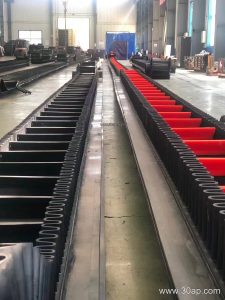
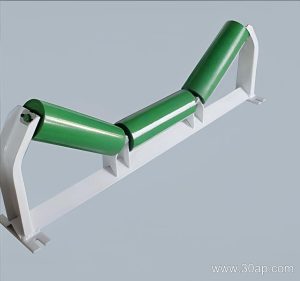
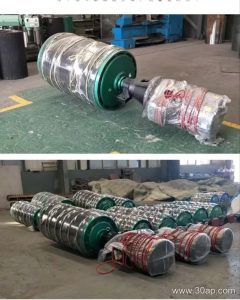
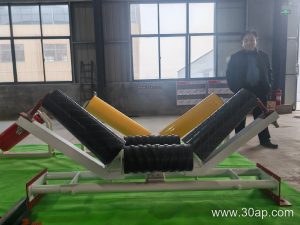
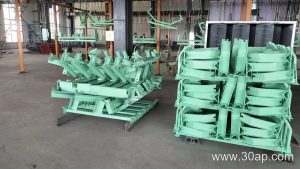
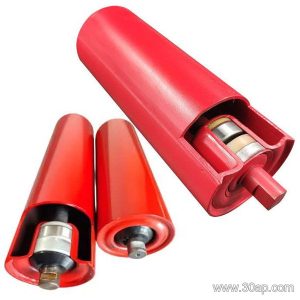
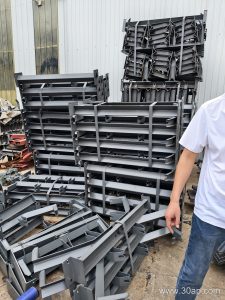
A steel cord conveyor belt is a heavy-duty rubber belt whose load-bearing skeleton is made of parallel steel cords embedded in a rubber matrix. Unlike fabric-reinforced belts, the cords run longitudinally and carry the tension, so a single belt can span long distances and handle high tonnage without excessive stretch. In mining, cement, power plant and port bulk material systems, this steel cord conveyor belt is often the backbone of the main haulage line, working alongside conveyor pulleys, idler rollers and sturdy conveyor brackets.
The same product is also called a steel-reinforced cord belt or simply an ST belt, where the ST number refers to the nominal cord strength. This article concentrates on that product family; other constructions such as EP conveyor belt or NN conveyor belt appear only for comparison.
How the Belt Is Built
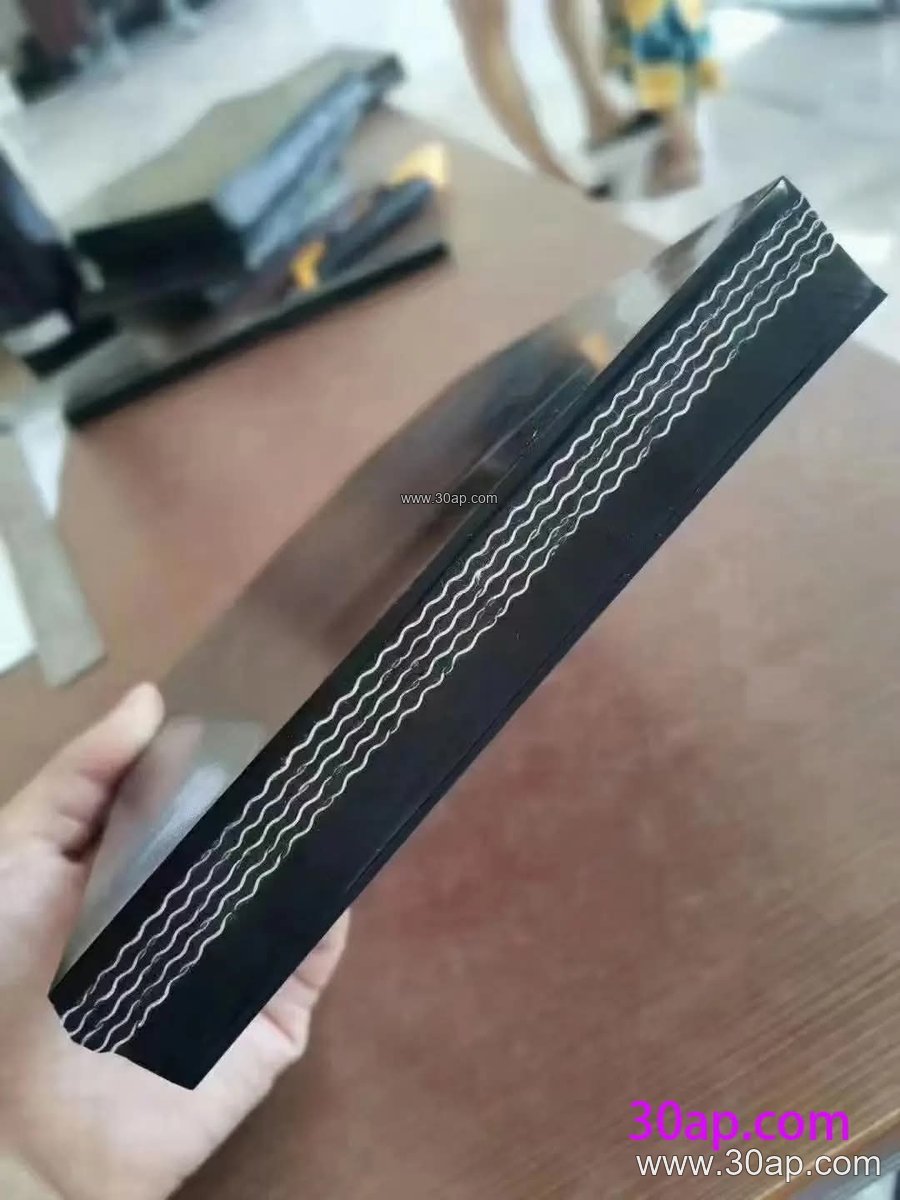
The construction is layered but simple in principle. A top cover rubber and a bottom cover rubber protect the core, while the steel cords sit in a single plane between them. A thin layer of bonding rubber or adhesive compound anchors each cord to the surrounding rubber so that load transfers smoothly from the cover to the cords. The belt edges are usually protected by rubber, and some designs add a transverse reinforcement to improve resistance to impact and tearing.
- Cover rubber: protects against abrasion, impact, heat, oil or flame depending on the compound.
- Steel cord layer: provides tensile strength and low elongation.
- Bonding compound: keeps cords fixed and prevents pull-out.
- Edge construction: resists edge damage at loading points and on long runs.
Cover thickness is normally specified as top plus bottom, for example 6+2 mm or 8+3 mm. The belt is often produced in an endless conveyor belt form for critical main lines, though open lengths joined on site are also common.
Typical Strength Grades and Widths
Steel cord belts are named by nominal cord strength. Common grades include ST1000, ST1250, ST1600, ST2000, ST2500 and ST3150, though actual supply depends on the manufacturer and the project design. Widths usually follow the conveyor system, with B800, B1000, B1200, B1400, B1600, B1800 and B2000 among the common sizes. The table below shows typical reference values; these are not universal specifications and should be confirmed against the design requirements.
| Reference Item | Typical Values | Notes |
|---|---|---|
| Strength grade | ST1000, ST1250, ST1600, ST2000, ST2500, ST3150 | Nominal cord strength, design dependent |
| Belt width | B800, B1000, B1200, B1400, B1600, B1800, B2000 | Matched to conveyor layout and tonnage |
| Cover thickness | 5+2 mm, 6+2 mm, 8+3 mm | Top and bottom cover, application dependent |
| Belt length | Open length or endless | Determined by the conveyor route |
Belt width and pulley diameter are matched through conveyor design calculations, not by a fixed rule. A wider belt does not automatically dictate one particular pulley size, and shaft dimensions must be calculated from the actual load case.
Where It Is Used
The main applications are long overland and underground conveyors in mines, coal mining operations, cement plants, power stations, steel plants, quarries and port ship loading systems. A steel cord conveyor belt is well suited to high-capacity ore, rock and bulk material transport, especially where low elongation and long center distances matter. In underground coal mining, flame retardant and anti-static grades are often required, and abrasion resistant or impact resistant covers help at transfer points.
Fabric belts remain a practical choice for shorter runs and lighter loads: an EP conveyor belt or multi-ply fabric core conveyor belt is easier to splice and usually less stiff, while a chevron conveyor belt or corrugated sidewall conveyor belt solves incline and material spillage problems. These are different constructions, and the steel cord belt should not be replaced by them when high tension and long distance are the governing factors.
What Buyers Should Check
- Strength grade: confirm the required ST rating from the conveyor tension calculation.
- Cover compound: select heat resistant, oil resistant, abrasion resistant or flame retardant grades to suit the material and environment.
- Cover thickness: match top and bottom covers to impact and wear conditions.
- Splice method: steel cord belts usually need a controlled splice, so plan site equipment and trained personnel.
- Pulley and idler compatibility: check conveyor pulley diameters, idler roller spacing and conveyor bracket condition before installation.
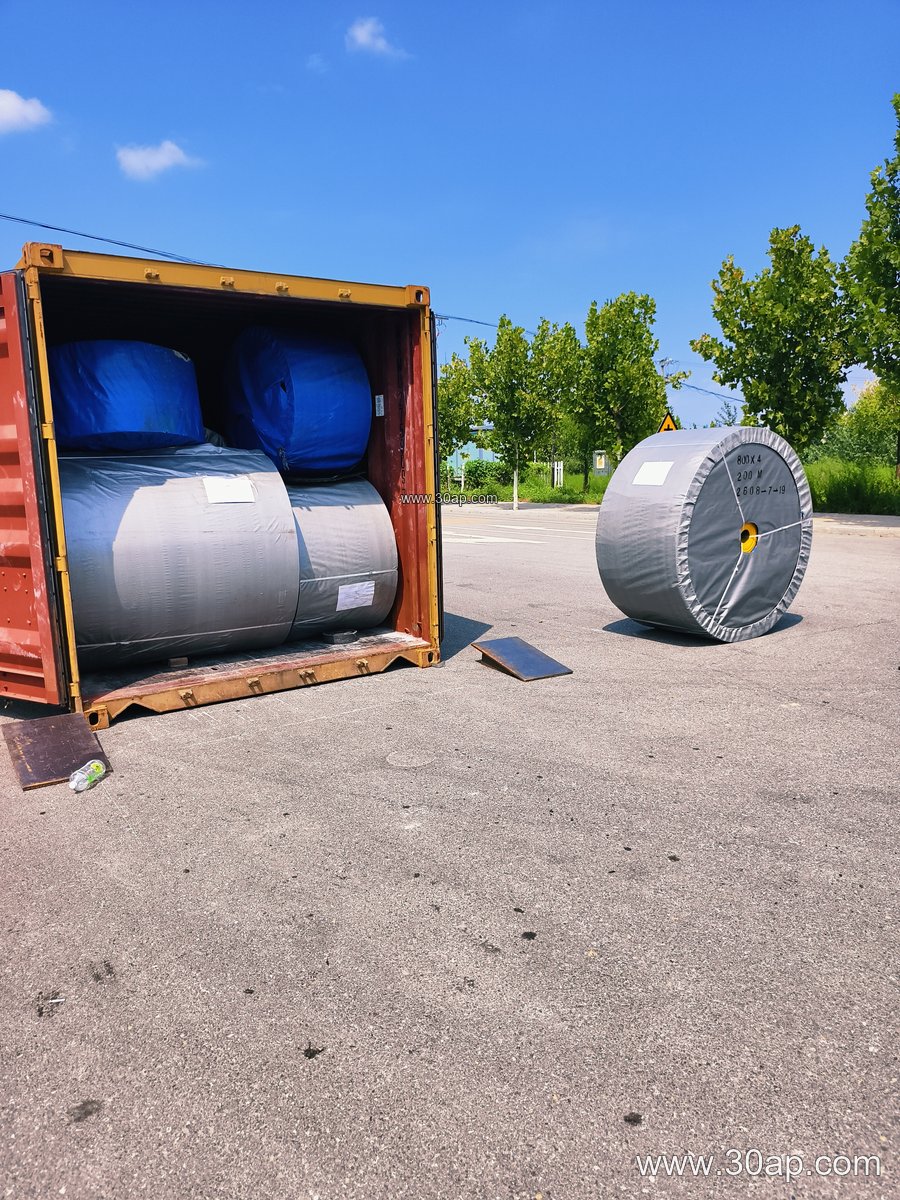
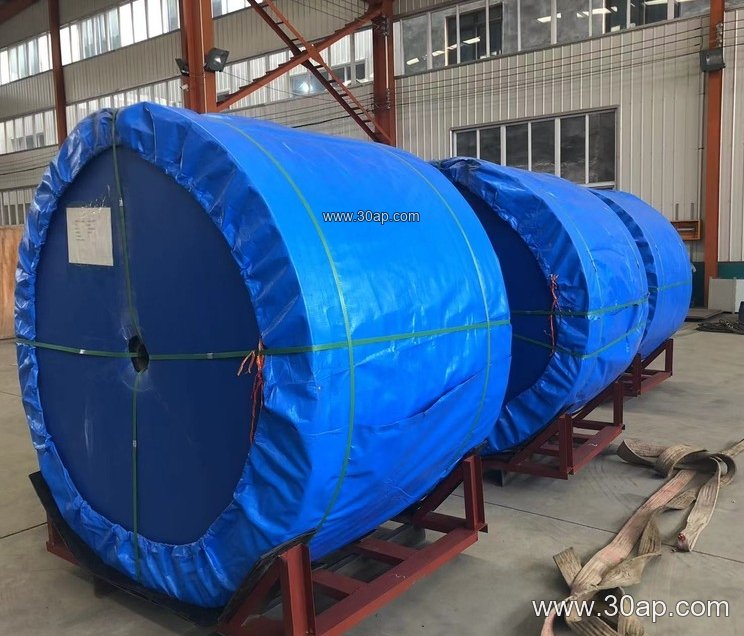
- Storage and handling: avoid sharp bends and keep the belt clean and dry before splicing.
For mining conveyor belt projects, the belt, pulleys, idlers and brackets work as one system, so procurement should be based on the full conveyor specification rather than belt width alone. A correctly specified steel cord conveyor belt, matched to its conveyor pulley and idler roller arrangement, gives reliable service in the toughest bulk material duty.