What a Rock Conveyor Belt Is
A rock conveyor belt is the heavy-duty carrying surface used to move crushed stone, gravel, ore and other abrasive bulk materials through a plant or along a haulage route. In practice the term describes a rubber conveyor belt built for high impact, sharp edges and constant abrasion, rather than a single fixed specification. Buyers in mining, quarrying, cement, power and sand-and-gravel plants often use the name interchangeably with heavy-duty mining conveyor belt or abrasion resistant conveyor belt, depending on which property matters most.
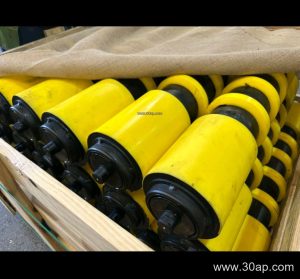
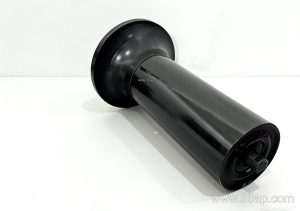
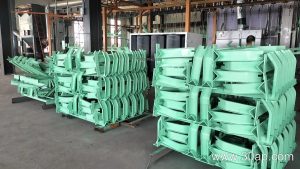
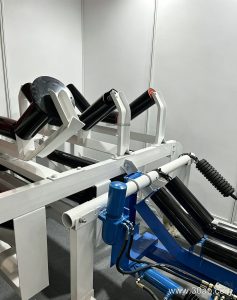
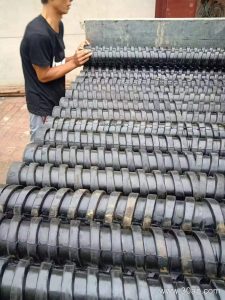
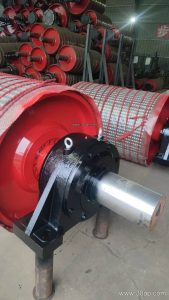
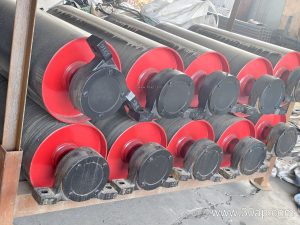
The belt is only one part of the circuit. A typical installation pairs it with idler rollers that support the load, a conveyor pulley at the drive and tail ends, and conveyor brackets that hold the frame together. Each component has its own role, and none should be treated as a substitute for another.
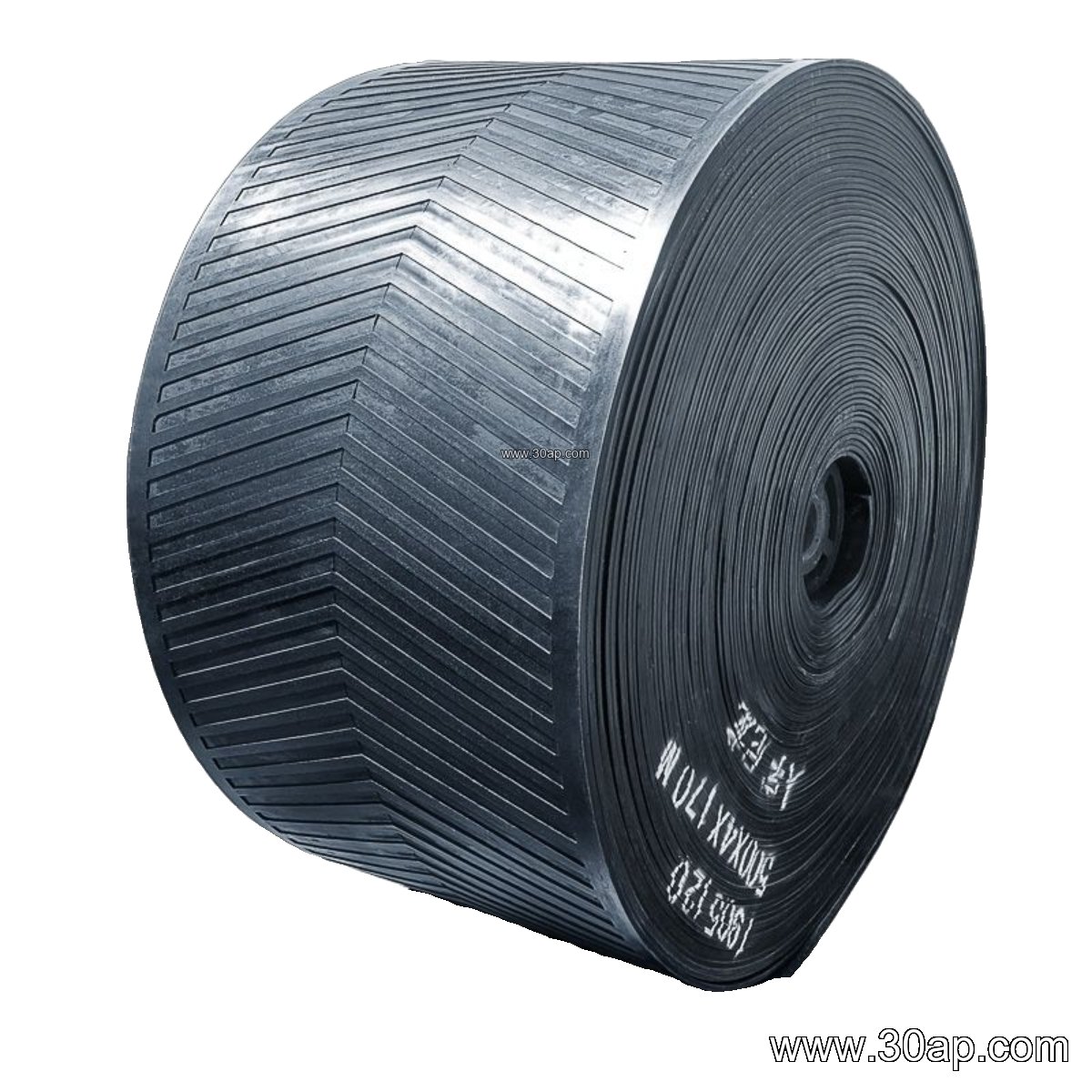
How the Belt Is Built
Most rock belts use a fabric core or a steel cord core. Fabric constructions include EP conveyor belt (polyester-polyamide) and NN conveyor belt (nylon-nylon), often supplied as a multi-ply fabric core conveyor belt with two to six plies. For very long runs or high tension, a steel cord conveyor belt is chosen. The carcass carries tension, while the rubber covers protect it from cutting and wear.
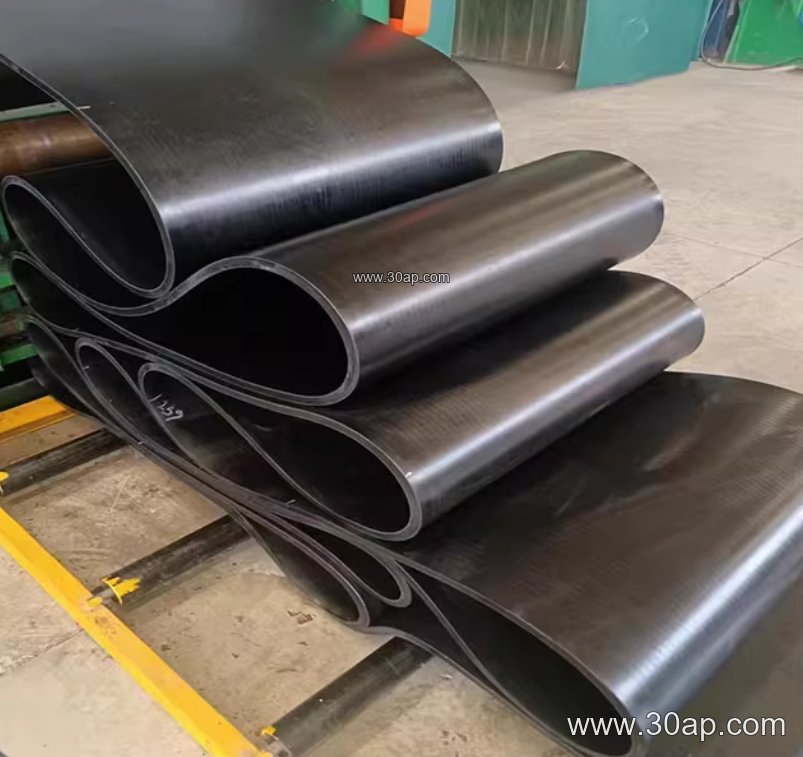
Cover thickness is usually expressed as top plus bottom, for example 4+2 mm, 5+2 mm, 6+2 mm or 8+3 mm. These are common reference figures, not universal requirements; final cover gauge follows the material size, drop height and duty cycle. The rubber compound may be formulated for abrasion resistance, heat, oil, flame retardance or cold service.
Where It Is Used
- Open-pit and underground mines handling ore and waste rock
- Quarries and stone crushing lines feeding screens and crushers
- Aggregate plants transferring gravel and sand between stockpiles
- Cement works moving clinker, limestone and additives
- Power stations and steel plants handling coal and slag
- Ports and ship loading terminals moving bulk cargo
In these settings the belt may be a quarry conveyor belt, crusher conveyor belt or ore conveyor belt. Where the route climbs steeply, a chevron conveyor belt or corrugated sidewall belt can help retain material; where dust and enclosed transfer points dominate, a skirted conveyor belt or pipe conveyor belt may suit the layout.
Common Specifications
Tables below show typical reference ranges. Actual values are confirmed by the conveyor designer and may differ between manufacturers.
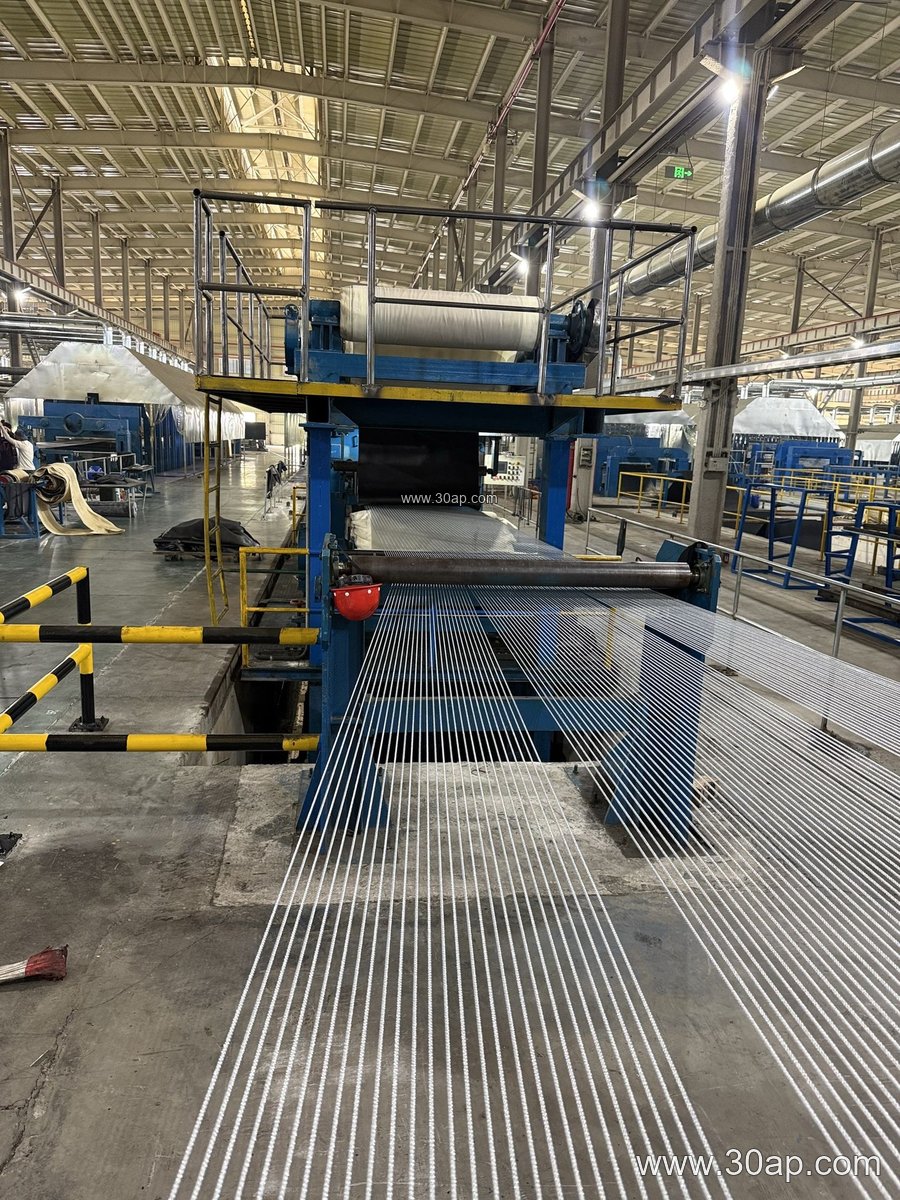
Strength Grades
| Core type | Common grades |
|---|---|
| EP fabric | EP200, EP315, EP400, EP500, EP630, EP800, EP1000, EP1250, EP1600, EP2000 |
| NN fabric | NN100, NN200, NN300, NN400 |
| Steel cord | ST1000, ST1250, ST1600, ST2000, ST2500, ST3150 |
Width and Cover
| Item | Typical range |
|---|---|
| Belt width | B500, B650, B800, B1000, B1200, B1400, B1600, B1800, B2000 |
| Cover thickness | 3+1.5, 4+2, 5+2, 6+2, 8+3 mm |
| Ply count | 2 to 6 plies for fabric cores |
Belt width and pulley diameter are selected together from tension and load calculations, not from a fixed pairing rule. A wider belt does not automatically dictate one shaft size.
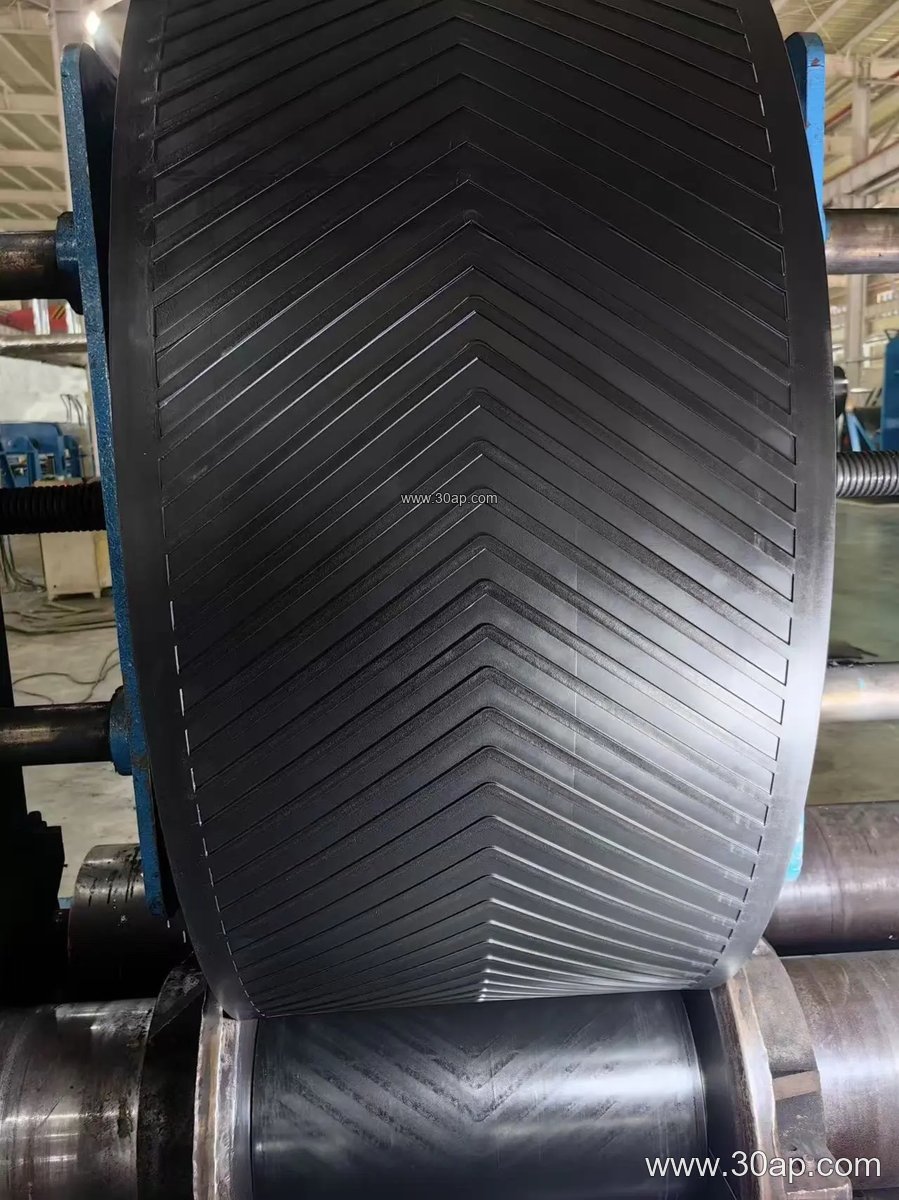
What a Buyer Should Check
Start with the material: lump size, moisture, temperature, oil content and whether the rock is sharp or rounded. Then confirm the duty — hours per day, tonnage, incline and transfer drop. Ask for the carcass type, grade, cover compound and cover thickness in writing, and check that the offered belt matches the pulley and idler roller arrangement on the existing frame.
For dusty or underground work, flame retardant and anti-static properties are often requested; for hot clinker or sinter, a heat resistant grade is needed. In cold climates a cold resistant compound reduces cracking. Where fine material must be contained, consider a skirted or corrugated sidewall design rather than a plain belt. An endless conveyor belt made to length can reduce joint maintenance on critical runs.
Finally, plan storage and splicing. Rock belts are heavy and stiff; correct roll handling, square cuts and a proven splice procedure extend service life as much as the compound itself. Keep spare idler rollers and a spare pulley inspection schedule alongside the belt maintenance plan so that one worn component does not accelerate damage to the rest of the line.