What a Parallel Idler Bracket Does
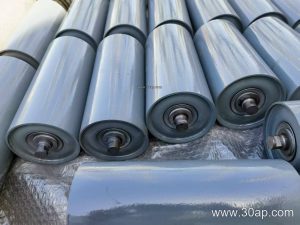
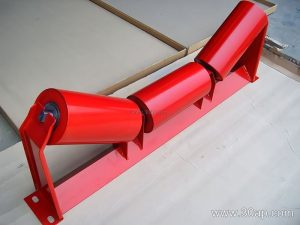
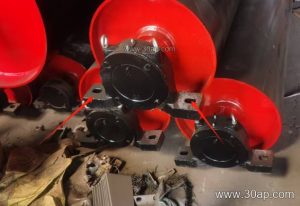
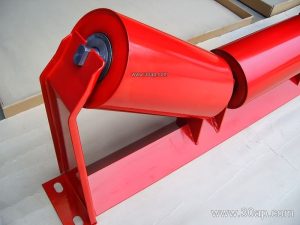
A Parallel Idler Bracket is the stationary support frame that holds a set of parallel idler rollers in line with the conveyor belt. Unlike a troughing bracket, which inclines the side rollers to cup the load, this bracket keeps the rollers flat and level across the belt path. It is commonly used on the return side of a conveyor, where the belt runs empty and needs only flat support, and it also appears on certain carry sections where a flat belt profile is intended. In a typical bulk handling line, the bracket works together with the conveyor belt, the idler roller set, and the conveyor pulley that drives the system, forming one link in a long support chain.
Construction and Common Materials
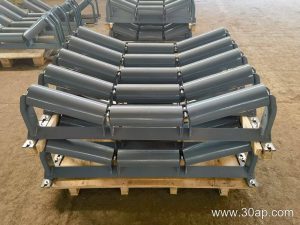
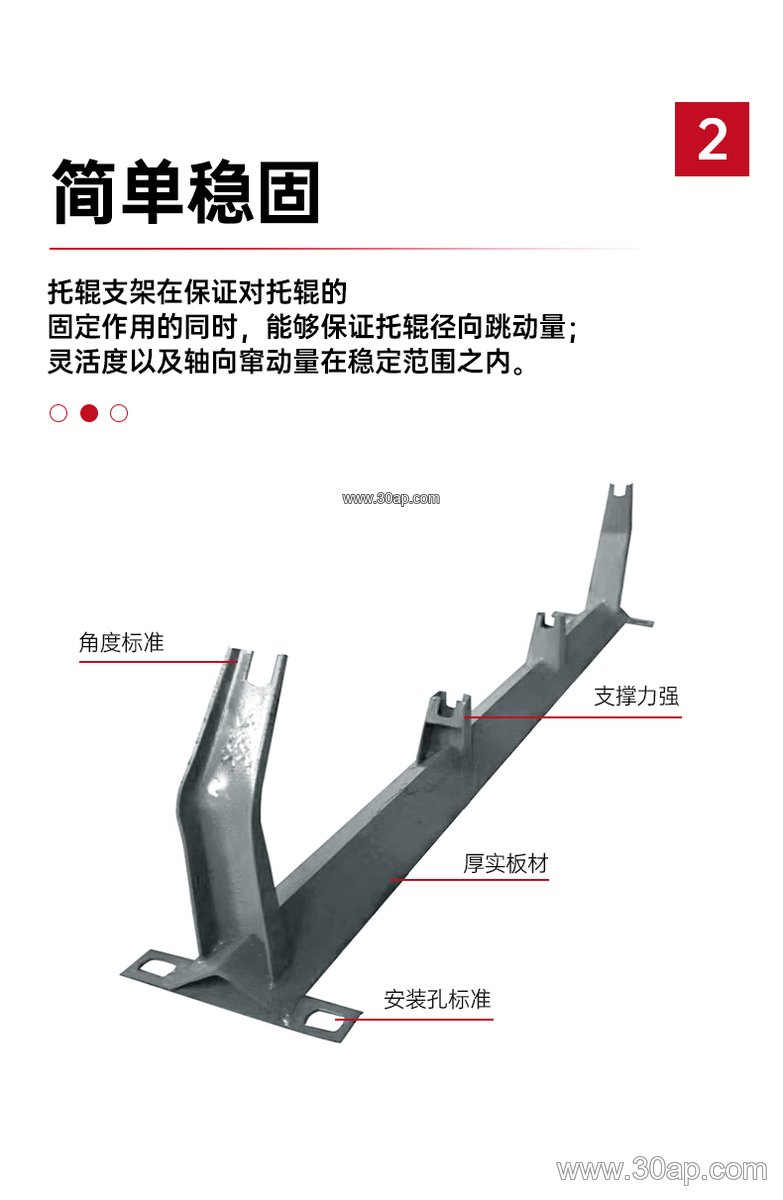
The frame is usually fabricated from angle steel, channel steel, or folded steel plate. Two side arms carry the idler shaft seats, and a cross beam ties them together and bolts to the conveyor stringer. The mounting hole spacing and beam length are determined by the belt width and the roller diameter, so they vary from one design to another rather than following one fixed number.
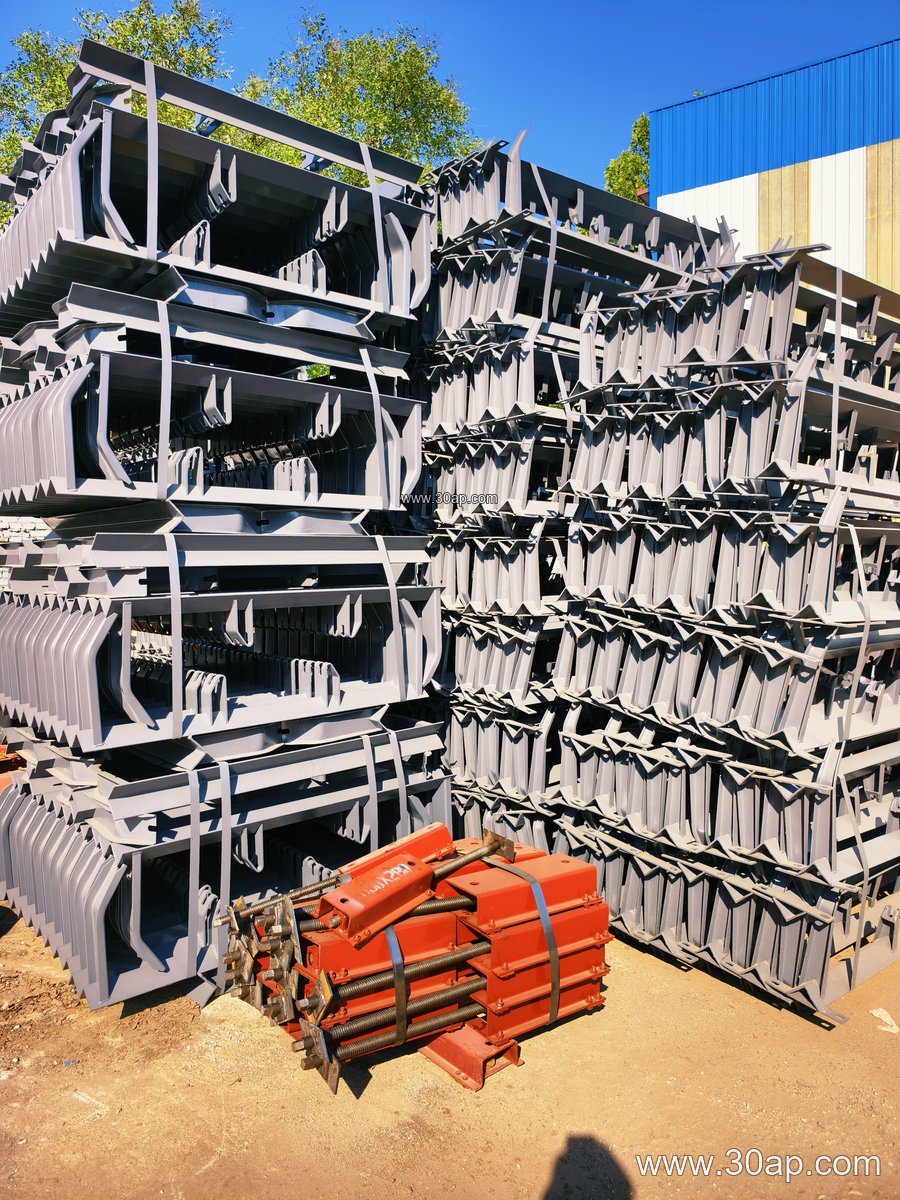
- Frame material: angle steel, channel steel, or folded plate
- Surface treatment: painted or galvanized, depending on site conditions
- Roller seat: fixed cradle or adjustable slot, depending on the model
- Fixing: bolted to the conveyor frame, with shims used for alignment
Where It Fits in a Conveying System
In a quarry or aggregate line, the return run of a long belt needs steady, low-friction support, and a parallel bracket is a straightforward choice for that duty. In a coal preparation plant or a power plant coal yard, the same frame keeps the empty belt from sagging between pulleys. It is also found in cement plants, crushing and screening circuits, and tunnel muck removal lines. Because the bracket does not change the belt profile, it is often paired with a flat return idler and works alongside the head and tail conveyor pulleys.
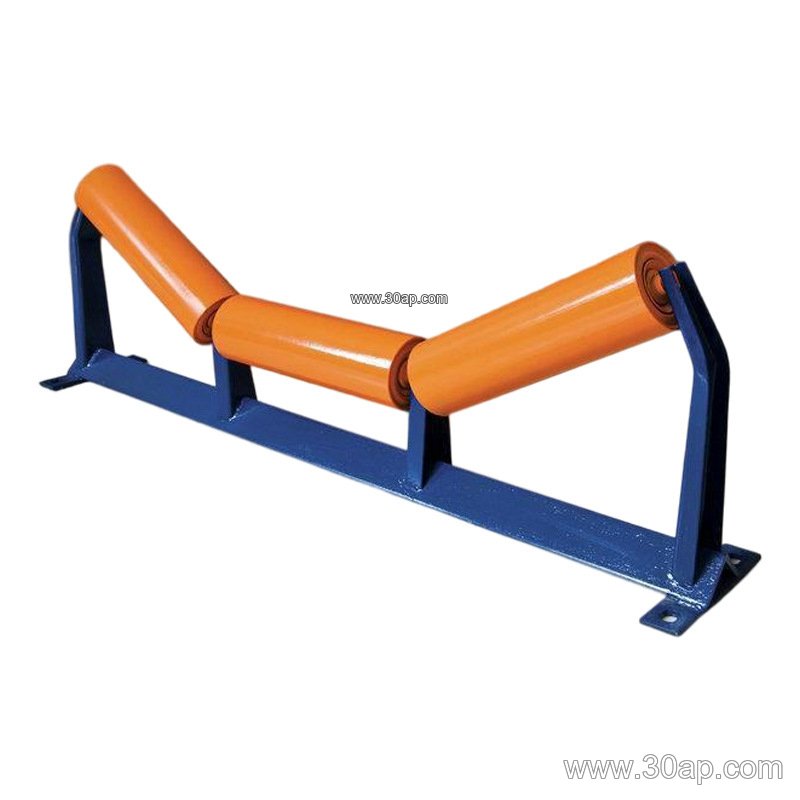
For heavy abrasive service, the surrounding components matter as much as the bracket. A high abrasion resistant conveyor belt reduces wear on the belt cover, while a flame retardant conveyor belt is often specified in underground coal mining conveyors. The bracket itself is a structural part, so its job is to hold position and transmit load, not to influence belt compound selection.
Fixed Versus Adjustable Versions
Fixed parallel brackets hold the rollers at one height and one plane. Adjustable versions allow the roller position to be trimmed during installation, which helps when the conveyor frame is long and minor height differences accumulate. For comparison, a troughing idler bracket uses inclined side rollers at a set trough angle, while the parallel type keeps a flat line. Neither replaces the other; they serve different positions on the same conveyor.
Reference Dimensions
The values below are common reference ranges, not universal specifications. Final dimensions follow the conveyor design and the roller selected.
| Belt width | Typical roller diameter | Bracket style |
|---|---|---|
| B500 | Ø89 | Fixed parallel |
| B650 | Ø89 / Ø108 | Fixed or adjustable |
| B800 | Ø108 | Fixed parallel |
| B1000 | Ø108 / Ø133 | Adjustable parallel |
| B1200 | Ø133 | Fixed or adjustable |
| B1400 | Ø133 / Ø159 | Heavy frame |
| B1600 | Ø159 | Heavy frame |
| B1800 | Ø159 / Ø194 | Heavy frame |
| B2000 | Ø194 | Heavy frame |
Belt width and roller diameter are matched by design, and one belt width can accept more than one roller size. Do not assume a fixed shaft diameter from belt width alone; confirm it with the roller drawing.
Buyer Checklist
- Confirm the mounting hole spacing and beam length against the existing conveyor frame.
- State the belt width, roller diameter, and whether the position is carry or return.
- Choose fixed or adjustable according to how much field alignment is expected.
- Check the frame material and finish against the site environment, especially in wet or dusty plants.
- Match the bracket to the idler roller and conveyor pulley layout so the belt line stays straight.
A parallel idler bracket is a small part, but a mismatched one causes belt tracking problems and uneven roller wear. Measure the frame, confirm the roller, and order to the drawing rather than to a nominal size.