What Is a Galvanized Conveyor Bracket?
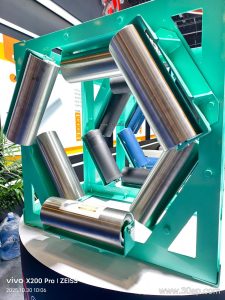
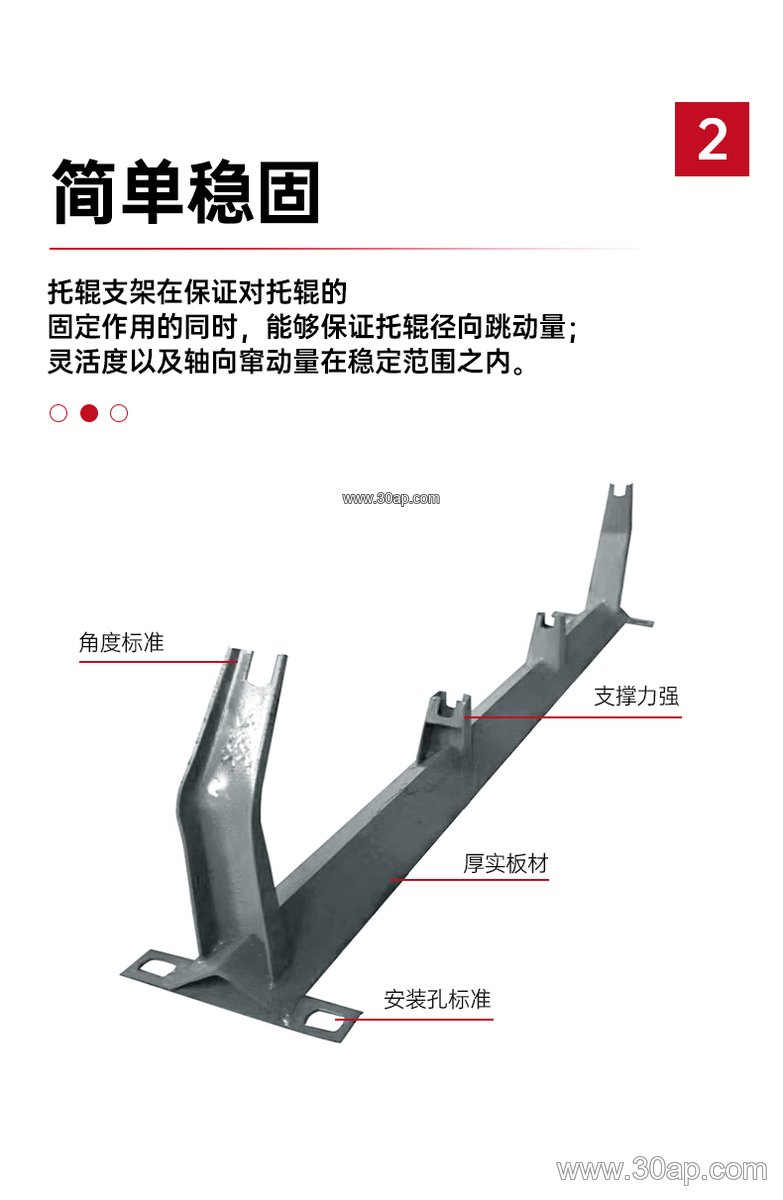
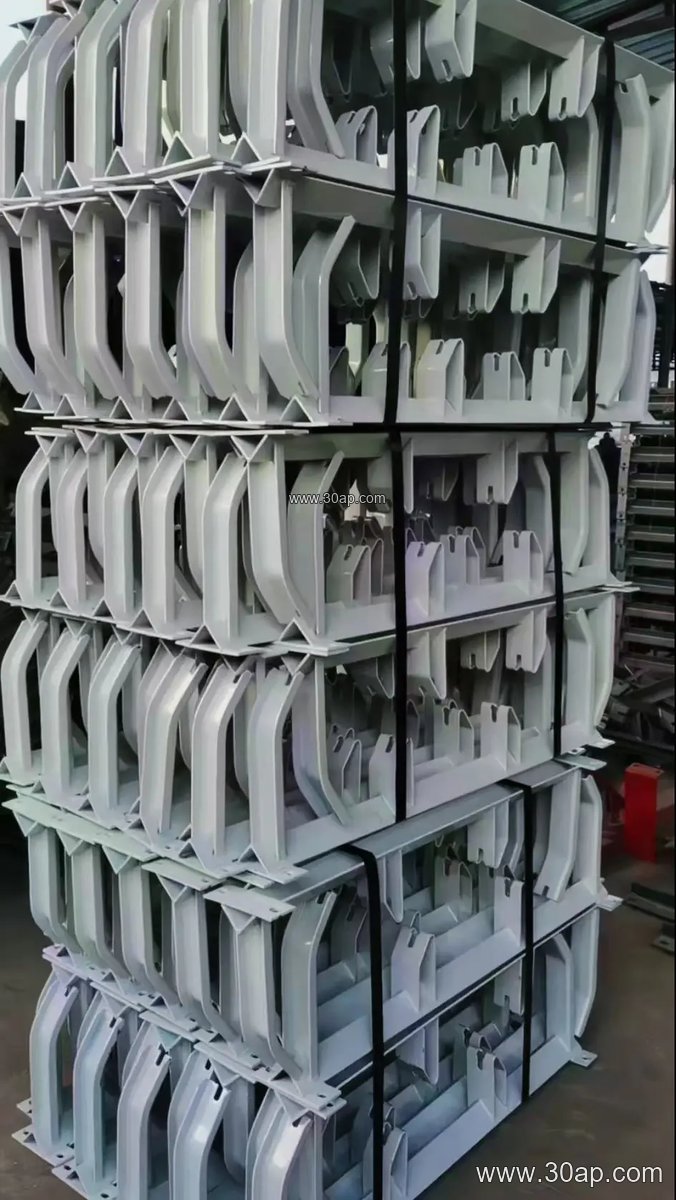
A galvanized conveyor bracket is a structural component that supports idler rollers and helps maintain the correct belt profile on a conveyor system. Often called a galvanized idler bracket or galvanized roller support, this product is made from steel that has been coated with zinc to resist corrosion. It is commonly used in industries such as mining, cement, power generation, and quarrying, where dust and moisture can quickly degrade unprotected steel. The bracket itself does not drive the belt; it provides a stable mounting point for troughing, return, and impact idlers. Proper selection of a galvanized conveyor bracket affects belt tracking, roller life, and overall conveyor reliability.
Construction and Materials
Most galvanized conveyor brackets are fabricated from angle steel, channel steel, or folded steel plate. The galvanizing process—usually hot-dip—forms a zinc layer that protects the base metal from rust and extends service life in outdoor or wet conditions. The bracket design includes mounting holes for idler shafts and may feature slotted holes for adjustment. Common configurations include fixed troughing brackets, adjustable brackets that allow changing the trough angle, and return brackets for supporting the lower belt run. The bracket must be rigid enough to handle the weight of the belt and material, especially in heavy-duty mining conveyor systems where a steel cord conveyor belt or a thick abrasion resistant conveyor belt is used.
Where It Is Used
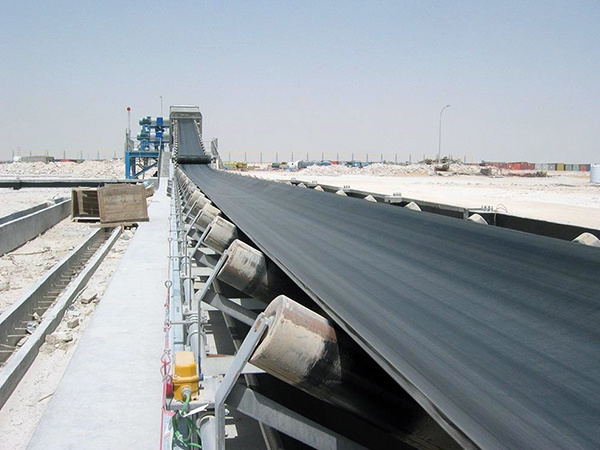
You will find galvanized conveyor brackets in a wide range of bulk material handling operations. In a quarry or aggregate plant, they support troughing idlers under a crusher conveyor belt or a quarry conveyor belt. In coal mining, they are used with flame retardant conveyor belts and underground mining conveyor belts to keep the belt aligned and stable. Cement plants rely on them for clinker and raw material transport, often paired with heat resistant conveyor belts. Power plants use them in coal handling systems, and steel mills use them in sinter and ore transport. The galvanized finish is particularly valued in port facilities and outdoor stockyards where salt spray or rain is present.
Key Parameters and Selection
When specifying a galvanized conveyor bracket, several parameters should be considered. The belt width determines the bracket span and the idler size. Common belt widths include B500, B650, B800, B1000, B1200, B1400, B1600, B1800, B2000, B2200. The trough angle—typically 20, 30, 35, or 45 degrees—affects material capacity and belt training. Idler roller diameters such as Ø89, Ø108, Ø133, Ø159, and Ø194 are matched to belt width and load. Adjustable brackets allow on-site changes to trough angle, while fixed brackets provide a simpler, more economical solution. The table below shows typical combinations, but these are examples only; final selection depends on the conveyor design and duty.
| Belt Width | Trough Angle | Idler Diameter | Bracket Type |
|---|---|---|---|
| B500 | 20°–30° | Ø89 | Fixed troughing |
| B650 | 30°–35° | Ø89–Ø108 | Fixed or adjustable |
| B800 | 35° | Ø108 | Adjustable troughing |
| B1000 | 35°–45° | Ø108–Ø133 | Heavy-duty fixed |
| B1200 | 35°–45° | Ø133 | Adjustable troughing |
| B1400 | 35°–45° | Ø133–Ø159 | Heavy-duty fixed |
| B1600 | 35°–45° | Ø159 | Heavy-duty adjustable |
| B1800 | 35°–45° | Ø159–Ø194 | Heavy-duty fixed |
| B2000 | 35°–45° | Ø194 | Heavy-duty fixed |
Note that a given belt width can work with more than one trough angle or idler diameter. Installation hole spacing and crossbeam length vary with belt width and trough angle, so always confirm dimensions with the conveyor design. For high-capacity systems using an EP conveyor belt or a multi-ply fabric core conveyor belt, the bracket must be sized to handle the belt tension and load. In dusty or corrosive environments, the galvanized coating thickness should be appropriate for the expected service life.
Buyer’s Checklist
Before purchasing galvanized conveyor brackets, verify the following:
- Belt width and trough angle required for your conveyor.
- Idler roller diameter and shaft size to ensure compatibility.
- Bracket material and galvanizing standard (e.g., hot-dip zinc coating).
- Mounting hole pattern and crossbeam length—these are not universal.
- Load rating and whether adjustable or fixed design is preferred.
- Compatibility with the conveyor belt type, such as abrasion resistant conveyor belt or oil resistant conveyor belt, and with the idler roller series used.
Also consider the overall conveyor layout: transition brackets, impact brackets, and return brackets may be needed alongside standard troughing brackets. For more information on conveyor components, visit our site at www.example.com/conveyor-bracket or explore our range of conveyor pulleys and idler rollers. A well-chosen galvanized conveyor bracket will help your belt run true and reduce maintenance downtime in demanding applications like mining, cement, and power generation.