Conveyor Belt Selection and Purchasing Guide
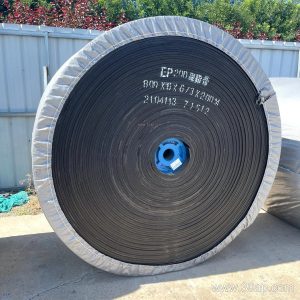
A conveyor belt is the core of any bulk handling line. Match cover compound to material, check tension rating, and confirm export documentation before ordering.

Key Buying Checks
- Verify belt width, ply, and splice type.
- Confirm abrasion, heat, or oil resistance.
- Request test certificates and spare splice kits.
Idler Roller Basics for Global Buyers
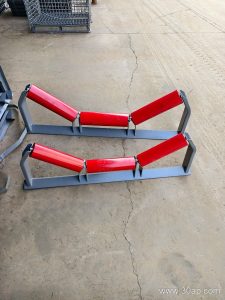
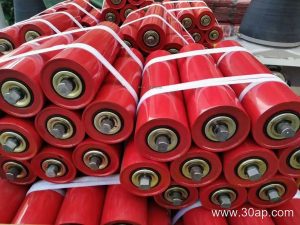
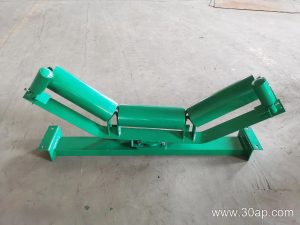
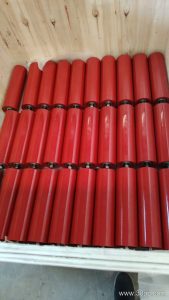
An idler roller supports and guides conveyor belts without driving them. Exporters specify load, speed, and environment to match the right unit.

Key Selection Factors
- Roller diameter and shaft size for belt width
- Bearing type: sealed or open for dust and moisture
- Shell material: steel, stainless, or polymer
- Load capacity and rotation speed
Purchasing Advice
Request dynamic load ratings, tolerance data, and test reports. Confirm IP-rated seals for washdown or outdoor use. Compare lead times and spare-part availability before ordering.
Conveyor Pulley: Key Selection Factors
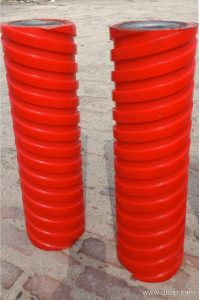
Choose the right conveyor pulley for your system by matching load, belt width, and environment. Consider diameter, face length, and lagging.

Purchasing Advice
- Verify shaft and bearing compatibility.
- Select lagging for grip and wear.
- Check balance and runout specs.
Prioritize reputable suppliers and request load calculations.
Why the Conveyor Bracket Matters
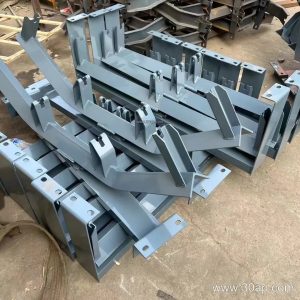
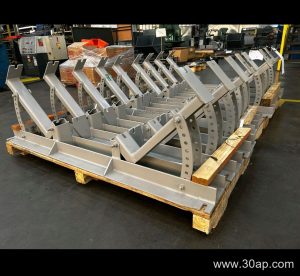
A conveyor bracket supports rollers, idlers, and frames, keeping your line aligned and efficient. Choose the right one for durability.
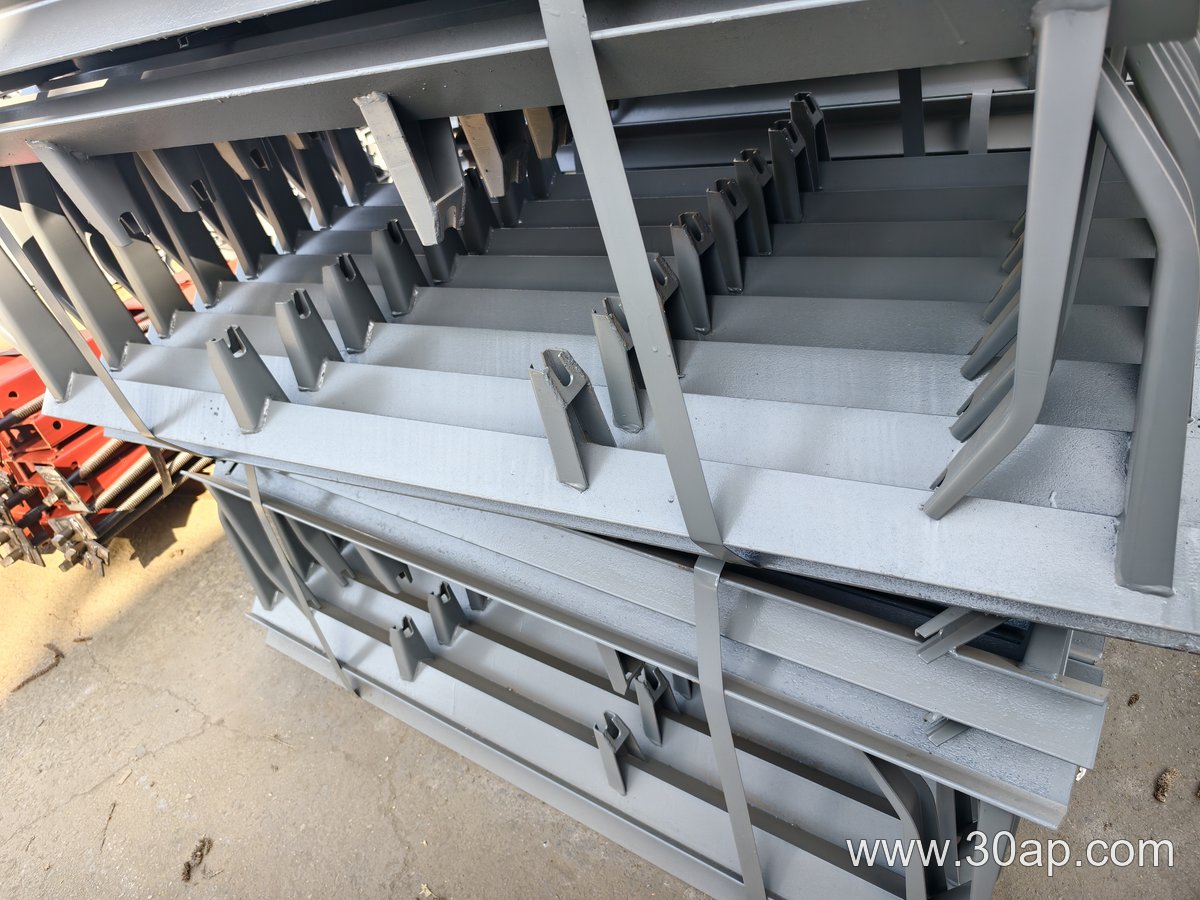
Selection and Purchasing Advice
- Match material to load and environment: steel for heavy duty, stainless for washdowns.
- Verify hole patterns and mounting dimensions before ordering.
- Check load ratings and corrosion resistance for longevity.