What a Conveyor Equipment Idler Does on the Line
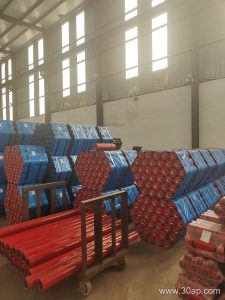
A conveyor equipment idler is the rotating support that carries the conveyor belt along its route. In a quarry, a coal handling system, or a cement plant, these idlers hold the belt in shape, reduce friction, and keep material moving without excessive sag. The idler is a simple assembly, but its condition affects belt life, power draw, and the amount of spillage a plant has to clean up. A well-chosen idler roller, matched to the belt width and load, often matters more than buyers expect.
How the Assembly Is Built
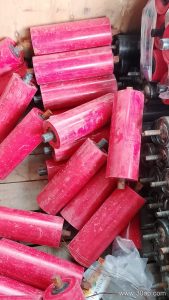
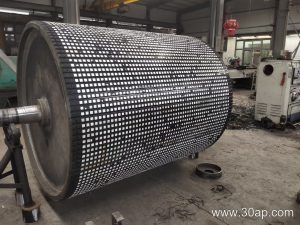
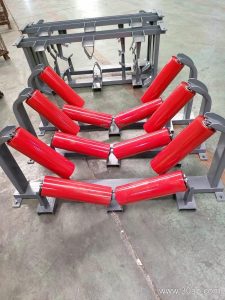
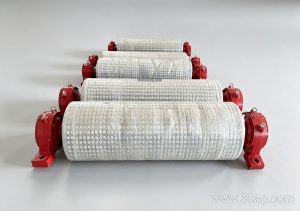
A typical idler has a steel shell, a shaft, bearing housings, and a sealing arrangement. The shell may be plain steel, nylon-coated, ceramic-covered, or fitted with rubber rings for impact zones. Bearings are usually deep-groove ball types, with 6204, 6205, 6305, 6306, and 6308 being common in general duty. The seal is the part that decides service life in dusty conditions, so a labyrinth or multi-stage seal is worth asking about. Each idler sits in a conveyor bracket or frame that sets the trough angle and spacing.
Common Idler Forms and Where They Fit
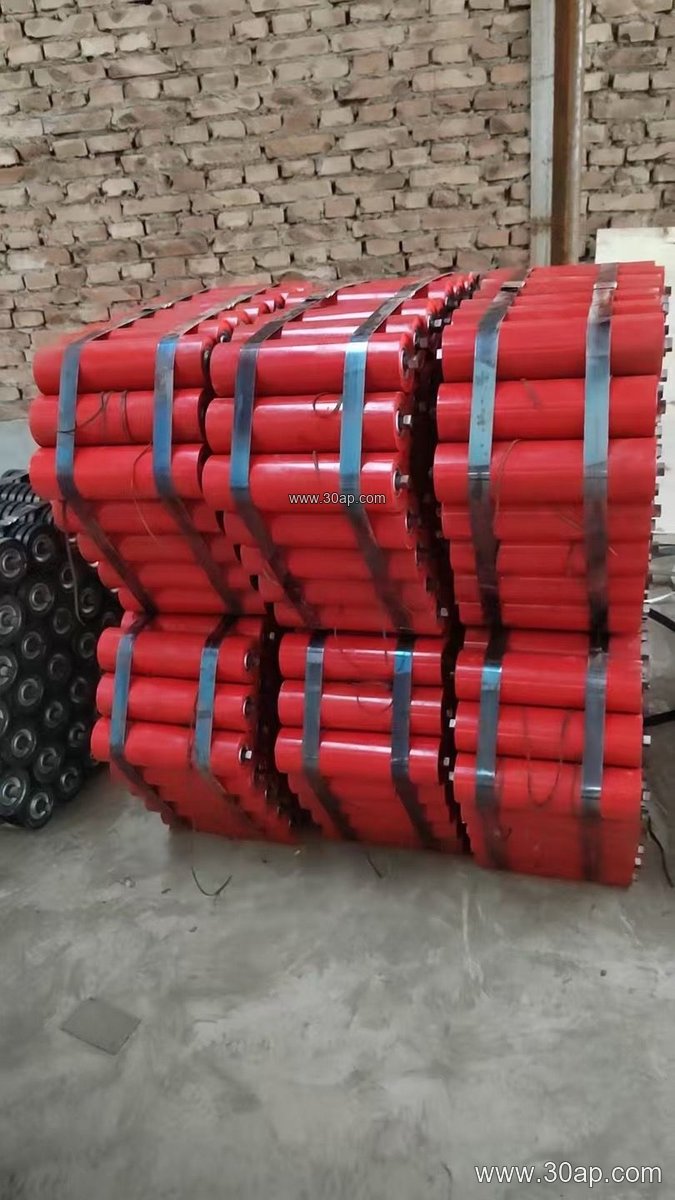
Troughing idlers, usually in two- or three-roll sets, support the loaded side of the belt. Return idlers, flat or V-shaped, carry the empty strand. Impact idlers with rubber rings go under loading points where rock or ore drops onto the belt. Self-aligning idlers correct minor belt drift on long runs. Spiral idlers help shed sticky material. The table below shows reference values only; actual choices follow belt width, trough angle, and design load.
| Item | Common Reference Range |
|---|---|
| Roller diameter | Ø63, Ø76, Ø89, Ø102, Ø108, Ø127, Ø133, Ø159, Ø178 mm |
| Belt width | B500, B650, B800, B1000, B1200, B1400, B1600, B1800, B2000 mm |
| Trough angle | 20°, 30°, 35°, 45° |
| Roller length, three-roll set | About 200 mm at B500 up to about 750 mm at B2000, with side rolls varying |
| Bearing examples | 6204, 6205, 6305, 6306, 6308, 6310 |
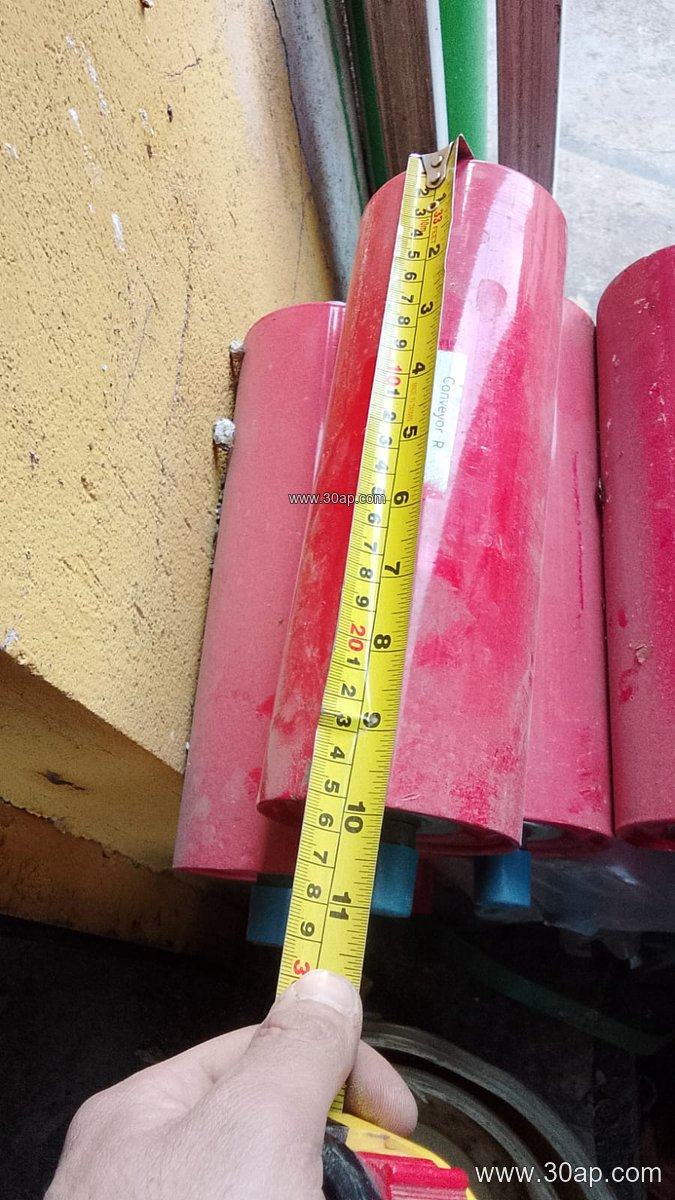
Roller length is not fixed to one belt width. Side rolls and center rolls can differ, and trough angle changes the geometry. A buyer should confirm dimensions against the frame drawing rather than assume a single pairing.
Choosing Diameter, Spacing, and Surface
Larger diameters turn more slowly and suit heavy loads or high belt speeds, while smaller rollers keep the frame low. Spacing depends on belt tension and material weight; carrying idlers are usually closer together than return idlers. In dusty stone crushing lines, sealed bearings and wear-resistant shells pay back quickly. Under a crusher discharge, rubber-ring impact idlers protect both the roller and the belt. On a long overland run feeding a power plant, alignment idlers reduce edge wear on the conveyor belt.
Where These Idlers Are Used
You will find them in limestone mines, copper ore handling, iron ore plants, and aggregate yards. Cement plants use them on clinker and raw meal lines. Port terminals rely on them for ship loading and stockyard conveyors. In coal mining, flame retardant and anti-static belt grades are often specified alongside the idler set, so the roller surface and frame should suit the same environment.
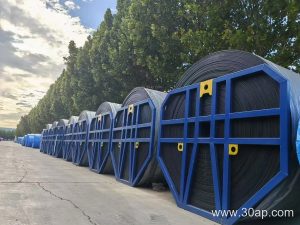
When the belt itself is a heavy-duty mining conveyor belt or an abrasion resistant conveyor belt, idler selection should follow the belt’s stiffness. A steel cord conveyor belt may need wider spacing on straight runs, while an EP conveyor belt on a shorter transfer can use standard troughing sets. Matching idlers to a rubber conveyor belt or a heat resistant conveyor belt in a sinter plant means checking temperature at the roller, not only at the belt surface.
Buyer Checklist Before Ordering
- Confirm belt width, trough angle, and frame hole spacing.
- State the material, lump size, and whether impact idlers are needed.
- Ask about seal type, bearing brand, and shell wall thickness.
- Check that roller diameter suits belt speed and load, not just width.
- Plan spare rollers for the loading zone and return strand.
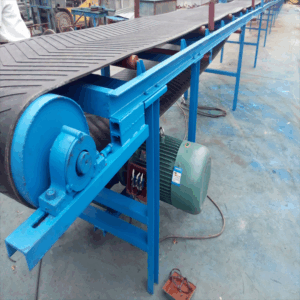
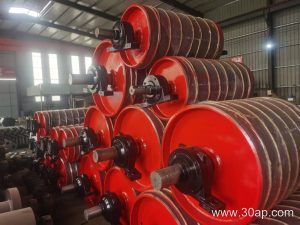
Regular inspection of idler rotation, seal condition, and frame alignment prevents belt tracking problems before they start. For a full conveyor equipment idler program, combine the right roller form with a compatible conveyor pulley at the drive and tail, and keep the conveyor bracket geometry consistent along the run.