Conveyor Pulley Mechanics Under Wet Aggregate and Slurry Conditions
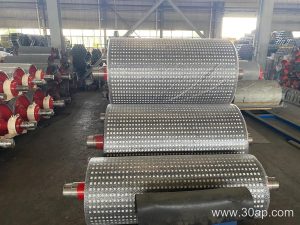
A common misconception in bulk handling is that a conveyor pulley can operate outdoors with standard smooth steel faces without suffering accelerated degradation when handling wet aggregate. In reality, heavy rain, mud, and water-borne rock particles create severe lubrication and sliding environments between the belt and the steel shell. A high wear-resistant lagged pulley relies on specialized rubber or ceramic compound surfaces bonded to the outer steel cylinder to maintain high frictional grip, shed moisture through drainage grooves, and absorb the relentless impact of heavy, water-logged stone.
When operating outdoors in open-air quarries or washing plants, a conveyor pulley must counteract the lubricating effects of wet silt. Water reduces the natural friction coefficient between a bare steel shell and a rubber conveyor belt, leading to slippage, thermal glazing, and accelerated shell wear. By applying a heavy-duty elastomeric lagging, the contact interface deforms slightly around trapped aggregate particles, preventing the sharp edges of wet crushed rock from gouging the underlying metal shell.
Surface Profiling and Drainage Design for High-Moisture Environments
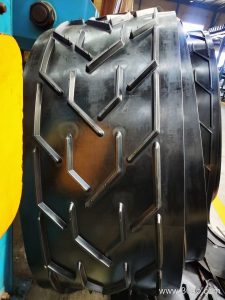
Managing water runoff and fine aggregate slurry requires careful attention to surface geometry. Plain flat lagging can trap a thin film of water, acting like a hydroplaning wedge beneath the belt. To combat this, industrial designers utilize patterned or grooved lagging profiles.
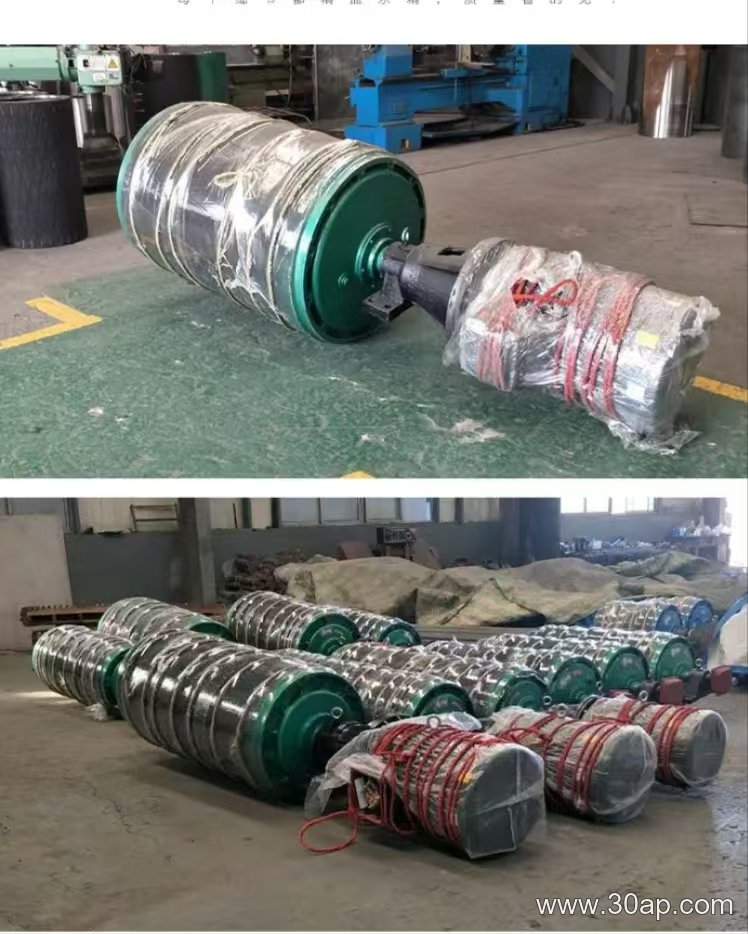
- Herringbone Grooves: Channel water outward toward the edges of the belt, clearing the central contact zone to maintain maximum traction.
- Diamond Patterns: Provide multidirectional drainage while distributing belt tension evenly across the face of the conveyor pulley.
- Ceramic-Embedded Strips: Combine high-friction rubber matrices with alumina ceramic tiles to resist extreme gouging from sharp, wet granite and basalt ores.
Shell Integrity and Environmental Sealing Considerations
Beyond the lagging surface, the internal structural integrity of a conveyor pulley faces unique challenges in wet outdoor settings. Constant moisture exposure threatens internal bearing assemblies and locking elements if proper sealing mechanisms are absent. Hypothethical design calculations for outdoor duty typically incorporate higher safety factors to account for dynamic load spikes caused by frozen slush in winter or heavy torrential downpours in summer.
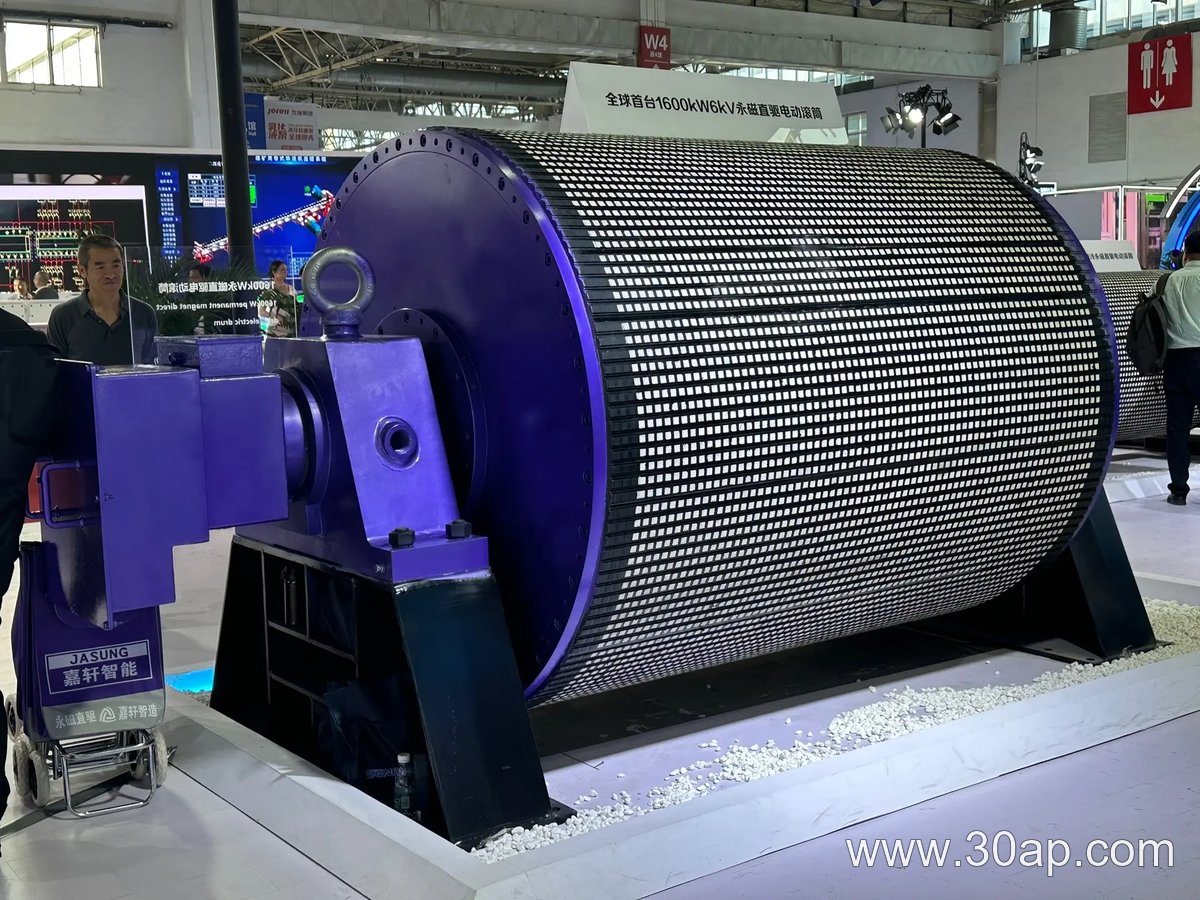
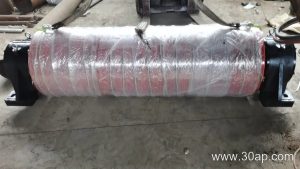
The rotating components must feature labyrinth seals and multi-lip contact barriers to prevent slurry ingress into the pillow block bearings. Furthermore, continuous submerged operation or high humidity can foster crevice corrosion beneath poorly welded end discs. High-quality manufacturing standards dictate full-penetration welding on the end plates and meticulous stress-relieving heat treatments to prevent micro-cracking from fatigue loading under variable weather conditions.
Operational Best Practices for Wet-Duty Assemblies
Ensuring longevity for a heavy-duty conveyor pulley in a damp processing environment extends beyond initial component selection. Plant operators must implement proactive housekeeping protocols to prevent fine aggregate slurry from packing around the underside of the pulley shell. Accumulated material hardened by intermittent sun and rain can throw the belt off-tracking and induce eccentric loading on the shaft.
Routine maintenance inspections should include checking the bond strength of the lagging, measuring surface wear depth, and verifying that condensate drain holes in hollow structural frames remain unblocked. By addressing these environmental factors, industrial facilities can significantly reduce unplanned downtime and extend the operational lifecycle of critical drive and redirection components.