Conveyor Pulley Selection and Purchasing
Choose a conveyor pulley by matching drum diameter, face width, shaft load, and lagging to your belt tension and duty cycle. Verify balance, bearing type, and corrosion protection for your environment.
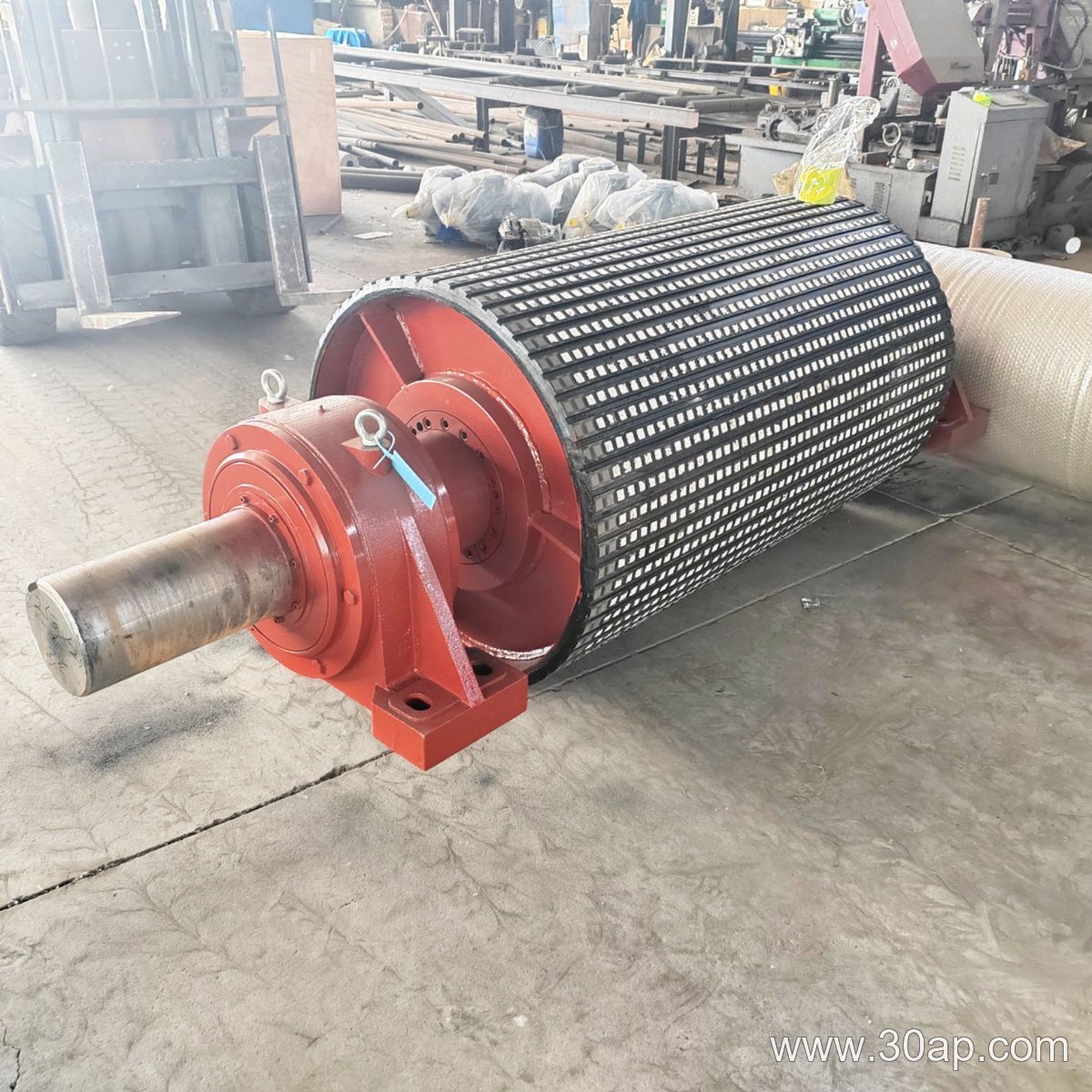
- Confirm belt width and speed.
- Check radial load capacity.
- Specify lagging for grip.
- Review maintenance access.
Purchasing Advice
Request load calculations, material certificates, and runout tolerances. Compare total cost, lead time, and spare-part availability before ordering.
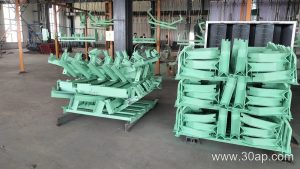
Conveyor Bracket Selection Guide
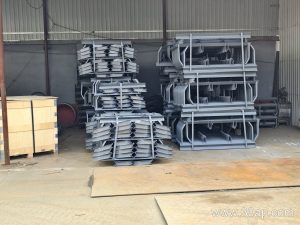
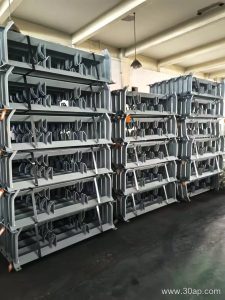
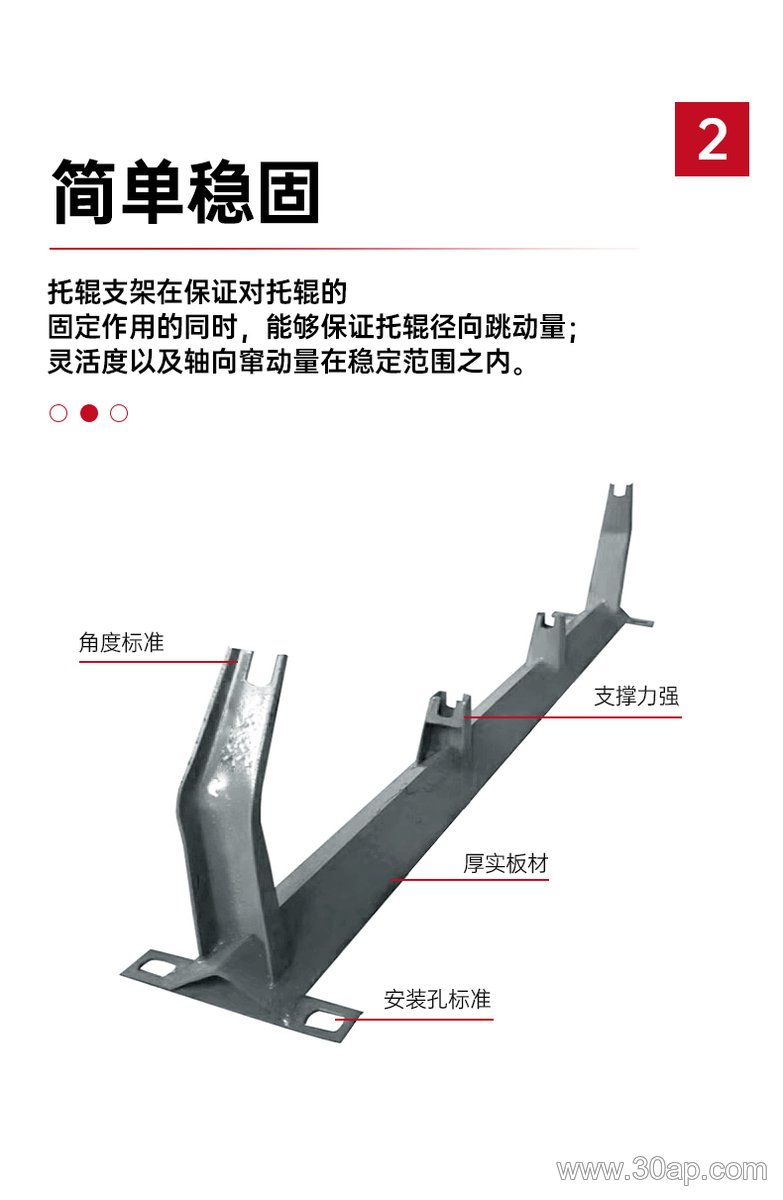
A conveyor bracket supports rollers and frames, so correct choice prevents downtime.
Key Buying Factors
- Match load capacity and belt width.
- Check material: steel, stainless, or polymer.
- Confirm mounting hole pattern and adjustability.
Prefer corrosion-resistant finishes for washdown areas and verify compatibility with your existing conveyor profile before ordering.
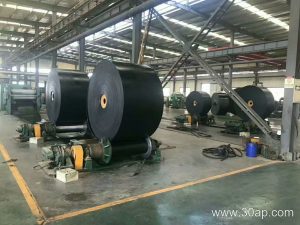
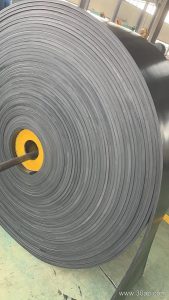
Conveyor Belt Selection Guide
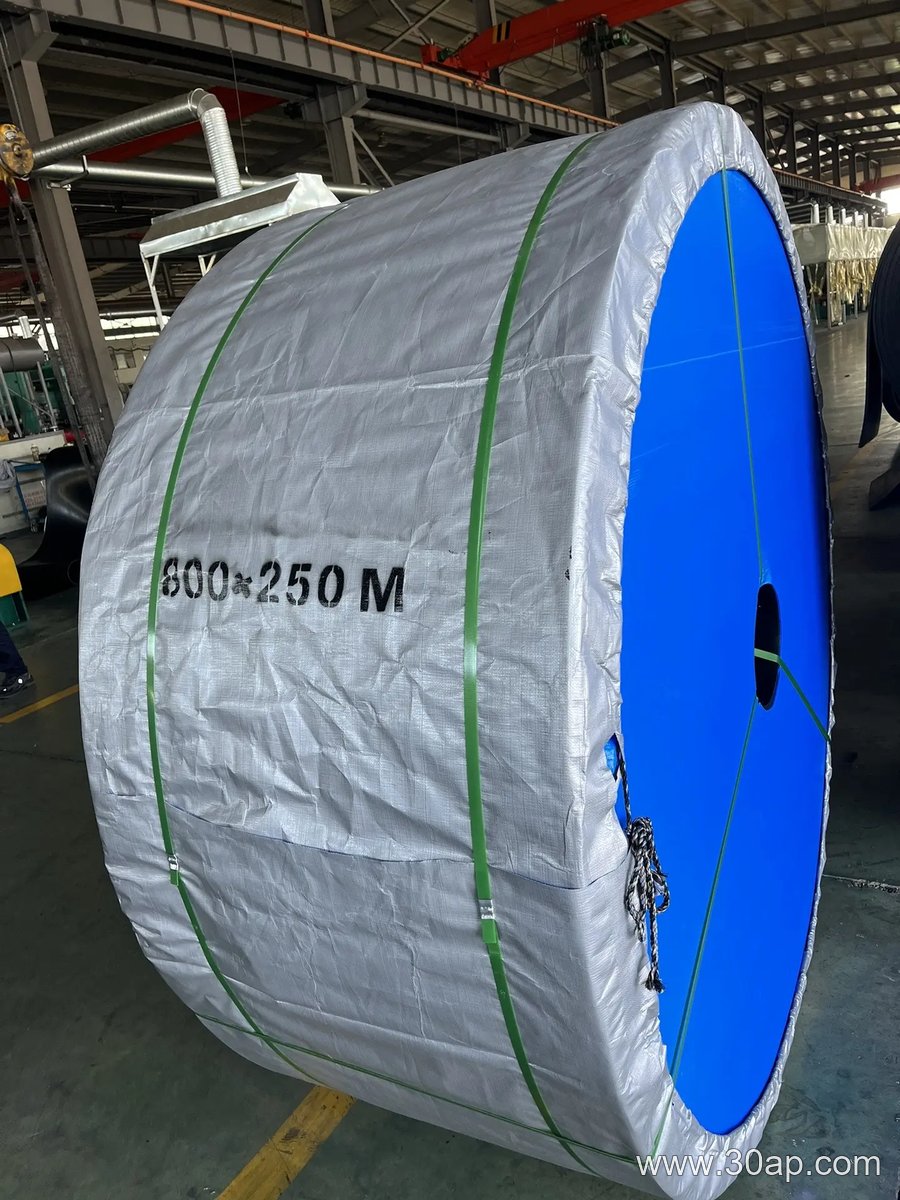
A conveyor belt moves materials efficiently, but the wrong specification raises costs. Match belt type to load, speed, and environment.
Key Buying Factors
- Material: rubber, PVC, or steel for heat and abrasion.
- Ply and tension rating for heavy loads.
- Cleat and profile for incline transport.
- Food-grade or anti-static options.
Purchasing Advice
Request test reports, confirm joint type, and compare warranty. Buy from exporters offering spare parts and technical support.
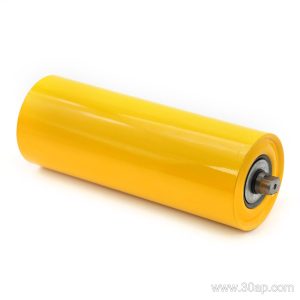
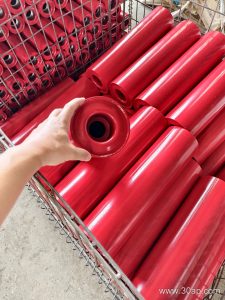
Idler Roller Basics for Global Buyers
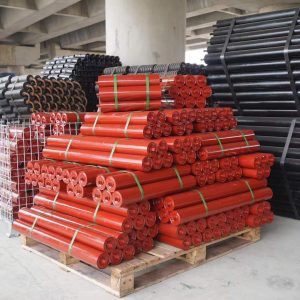
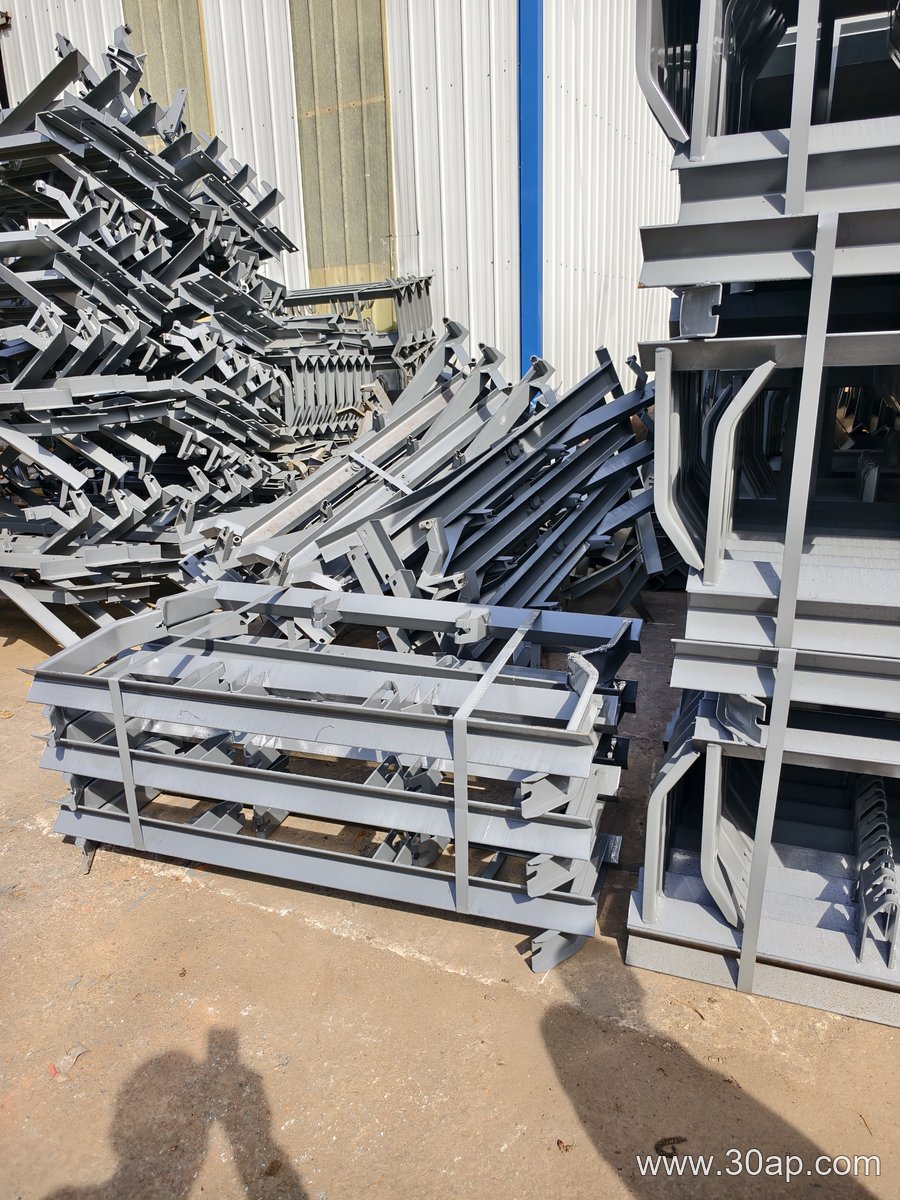
An idler roller supports and guides conveyor belts without driving them. Choose the right idler roller to cut downtime and energy costs.
Key Selection Factors
- Load capacity and belt width
- Bearing type: sealed vs. open
- Shell material: steel, stainless, or polymer
- Environmental resistance to dust, moisture, and heat
Purchasing Advice
Verify tolerances, dynamic balance, and lubrication. Request test reports and sample idler rollers before bulk orders. Confirm export packaging, lead times, and after-sales support.