What a Belt Conveyor Pulley Does
A belt conveyor pulley is the rotating drum that carries and drives the conveyor belt at the ends of a conveyor. It is more than a simple roller: the pulley transfers torque, sets belt tension, and guides the belt on its return path. In a quarry or a cement plant, one failed pulley can stop an entire crushing or clinker line, so the choice of drum, lagging, and shaft deserves careful attention.
In practice, buyers often call this component a conveyor pulley or a drum pulley. The belt wraps around the shell, and friction between the shell surface and the belt does the work. That is why the shell surface, the lagging, and the shaft connection all matter together.
How the Drum Is Built
A typical belt conveyor pulley consists of a cylindrical shell, two end discs, a shaft, and a bearing assembly. The shell is usually rolled from steel plate and welded to the end discs. The shaft passes through the drum and is supported by bearings mounted in the conveyor bracket or bearing housing.
- Shell: rolled steel, machined at the ends for a true running surface.
- End discs: welded or bolted to the shell and keyed to the shaft.
- Shaft: sized by torque and load, not by belt width alone.
- Lagging: plain, rubber, ceramic, or patterned surface for grip.
- Bearings and seals: selected for dust, water, and radial load.
For heavy ores such as iron ore or copper ore, the shaft and bearing selection often dominates the design. In coal mining and underground coal mining, flame retardant conveyor belt and anti-static belt properties also affect the overall system design, although the pulley itself is selected mainly for load and grip.
Common Types and Where They Sit
The drive pulley, also called the head pulley, is the powered drum that pulls the belt. The tail pulley sits at the loading end and turns with the belt. A bend pulley changes belt direction, and a take-up pulley maintains tension. These are different duties and are not interchangeable names.
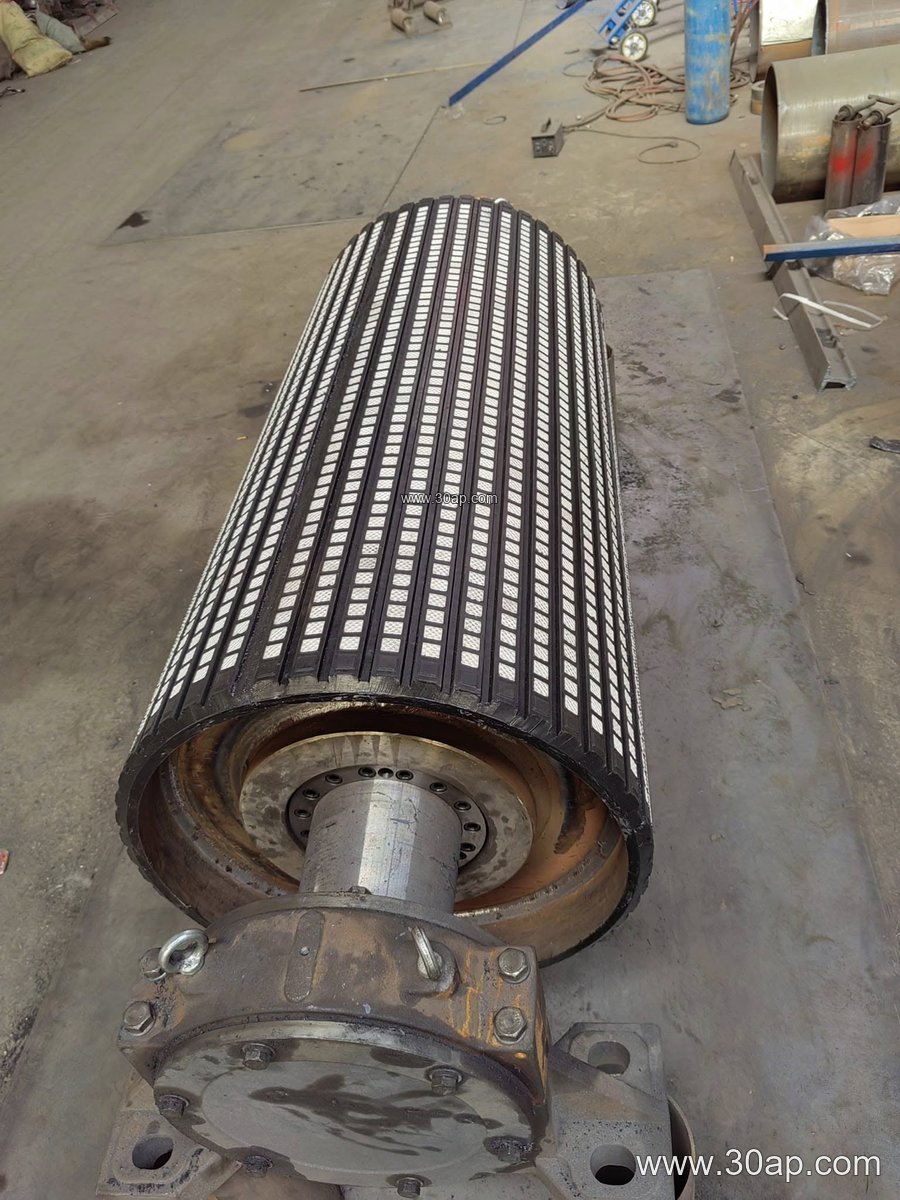
Other designs include the wing pulley, which sheds sticky material, and the motorized pulley, which houses the motor inside the drum. For a comparison only, a bend pulley is often smaller and lighter than a drive pulley because it carries less torque.
Typical Size Reference
Sizes below are common reference values and are not a fixed matching rule. Final dimensions are confirmed by design.
| Belt width | Typical shell face width | Example diameter |
|---|---|---|
| B400 | about 500 mm | Ø200 to Ø315 |
| B500 | about 600 mm | Ø250 to Ø400 |
| B650 | about 750 mm | Ø315 to Ø500 |
| B800 | about 950 mm | Ø400 to Ø630 |
| B1000 | about 1150 mm | Ø500 to Ø800 |
| B1200 | about 1400 mm | Ø630 to Ø1000 |
| B1400 | about 1600 mm | Ø800 to Ø1250 |
| B1600 | about 1800 mm | Ø1000 to Ø1400 |
| B1800 | about 2000 mm | Ø1250 to Ø1600 |
Common shaft diameters include Ø50, Ø60, Ø70, Ø80, Ø90, Ø100, Ø120, Ø140, Ø160, Ø180, and Ø200. A B1200 × Ø1000 drive pulley and a B800 × Ø500 tail pulley are both realistic combinations, but the shaft size must follow calculated torque.
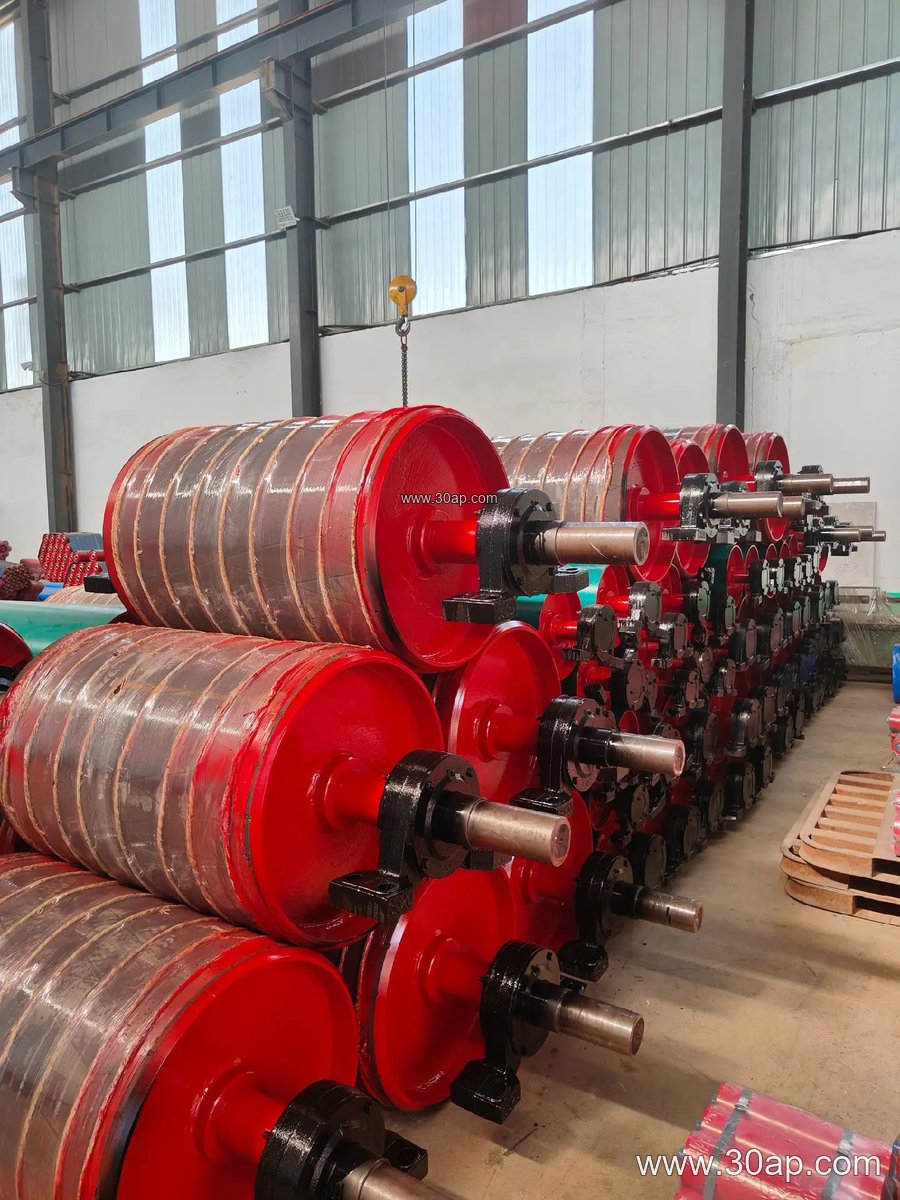
Lagging and Surface Choice
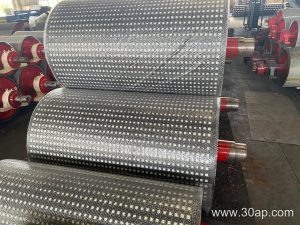
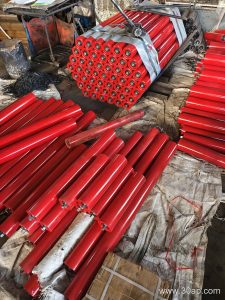
Lagging improves friction and protects the shell. Plain surface is used where grip is not critical. Rubber lagging, either cold-bonded or hot-vulcanized, is common on drive pulleys. Diamond and herringbone patterns help shed water and fines. Ceramic lagging suits high-torque drives in wet or muddy conditions. Lagging thickness is often 8, 10, 12, 15, or 20 mm.
In a washing plant or a port bulk terminal, wet fines can reduce friction sharply, so patterned rubber lagging is often specified on the drive drum. In a cement plant clinker line, heat and abrasion may call for a heat resistant conveyor belt and a wear-resistant lagging surface.
Matching the Pulley to the Belt
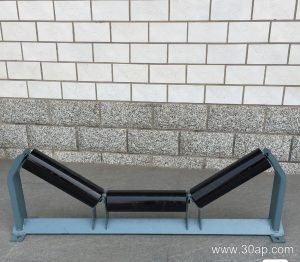
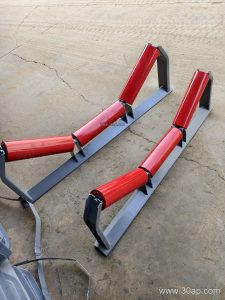
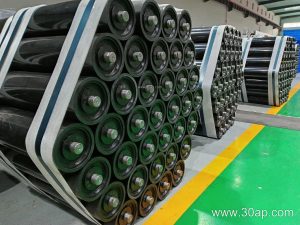
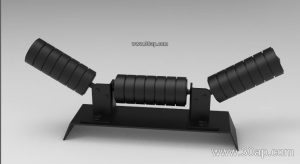
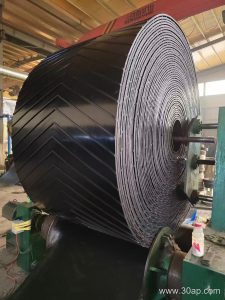
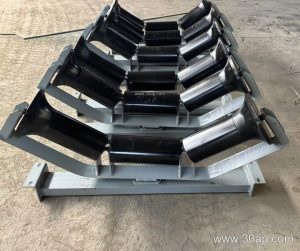
The drum works with the conveyor belt, the idler roller, and the conveyor bracket as one system. A steel cord conveyor belt or a high strength conveyor belt needs a drive pulley with enough friction and a shell that will not deform. An EP conveyor belt or NN conveyor belt on a medium-duty line may use a smaller drum.
For abrasive duties, an abrasion resistant conveyor belt paired with a properly lagged drum reduces slip and wear. In underground mining, a flame retardant conveyor belt and fire resistant conveyor belt are often required, and the pulley bearings should be sealed against dust and water.
What Buyers Should Check
- Confirm the duty: drive, tail, bend, or take-up position.
- Provide belt width, belt type, capacity, and belt speed.
- State the calculated torque so the shaft and bearings can be sized.
- Choose lagging by grip, wetness, and material abrasiveness.
- Check the shell face width against the belt and the frame.
For more information on matching drums with conveyor belt, idler roller, and conveyor bracket, visit conveyorpulley.example.com or review belt conveyor pulley data at beltconveyorpulley.example.com. A careful selection keeps the line running in the quarry, the cement plant, or the power plant coal yard.