What an EP100 Conveyor Belt Is
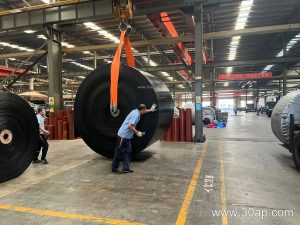
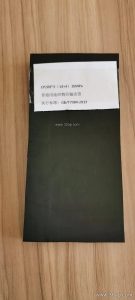
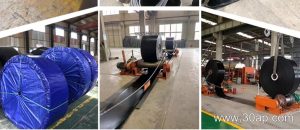
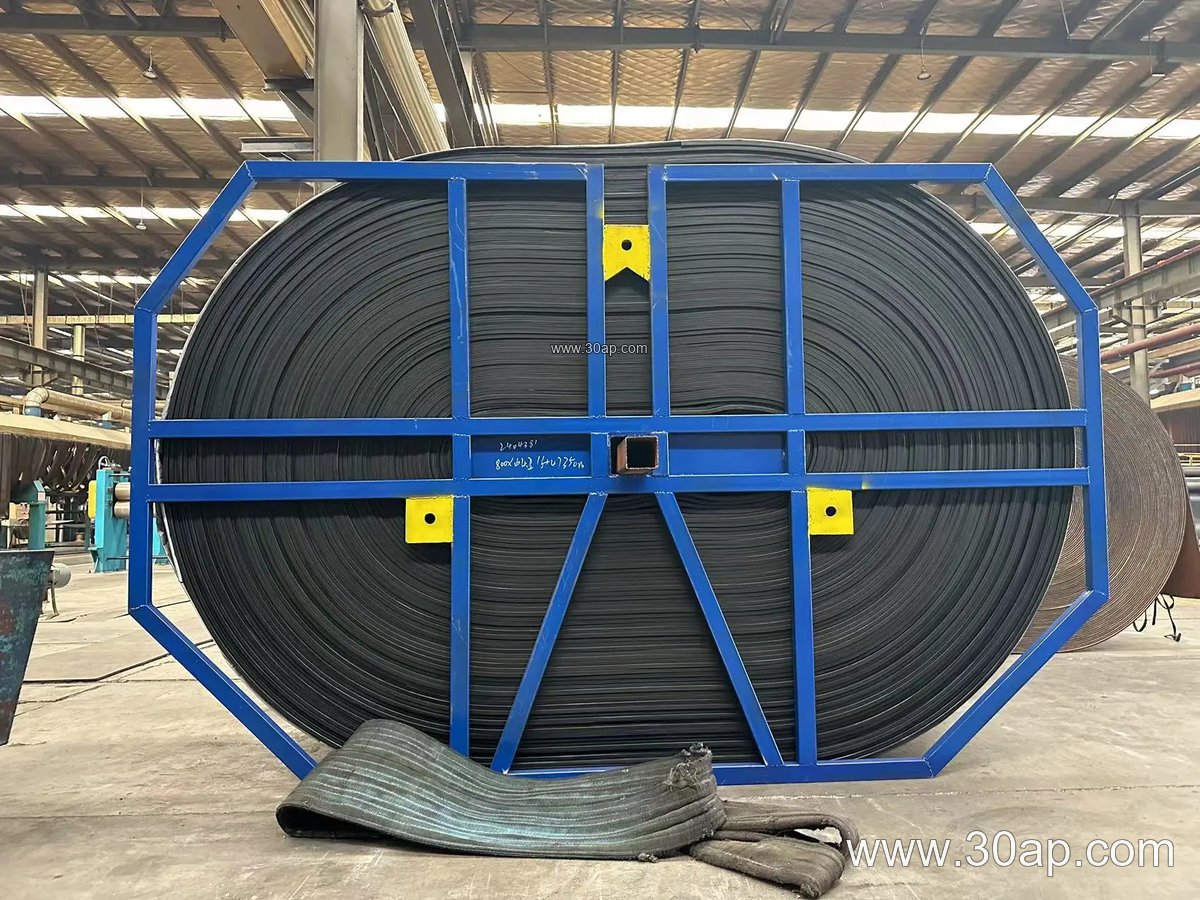
An EP100 Conveyor Belt is a fabric core belt built on polyester-polyamide (EP) canvases, with a nominal tensile strength of 100 N/mm per ply. It sits at the lighter end of the EP family, above general-purpose cotton or NN constructions in many duties but below heavier grades such as EP200, EP300, or EP500. Because the EP carcass stretches less than all-nylon designs, it holds tension well on long centre distances and keeps take-up travel modest. Buyers often meet it as an EP rubber conveyor belt for mixed bulk loads where a steel cord conveyor belt would be over-specified.
Construction and Layer Build
The carcass is normally two to four plies of EP fabric, bonded with skim rubber and protected by top and bottom covers. Common cover combinations include 3+1.5 mm, 4+2 mm, and 5+2 mm, with 6+2 mm and 8+3 mm used on rougher duties. The rubber grade can be abrasion resistant, flame retardant, heat resistant, oil resistant, anti-static, or cold resistant, depending on the site.
- EP fabric plies carry the working tension
- Skim and friction layers lock plies together
- Top cover resists impact and wear
- Bottom cover runs against idler rollers
An EP fabric core conveyor belt of this class is usually spliced with vulcanised stepped joints, or with mechanical fasteners on short runs. Joint choice affects real strength, so specify it with the belt.
Typical Service Conditions
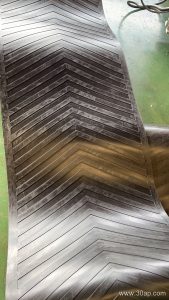
This grade suits medium-duty lines in sand and gravel plants, cement plants, power plant coal yards, and general port or bulk terminals. It is also found in quarry conveyor belts feeding crushers and screens, and in recycling lines where mixed waste punishes the cover. In underground coal mining, flame retardant versions are common, though heavier PVG or steel cord belts often take over on trunk conveyors. Where a chevron conveyor belt is needed for steep inclines, the EP100 body can still be the base carcass.
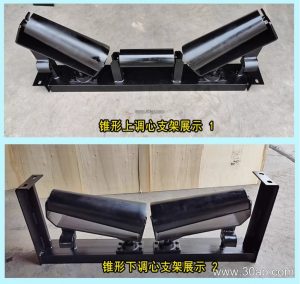
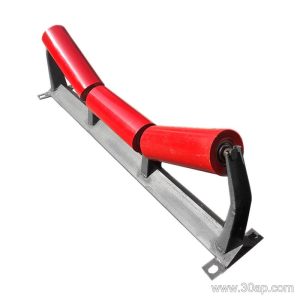
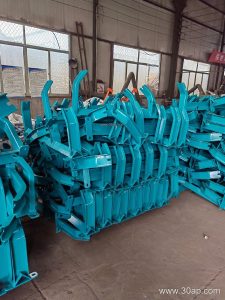
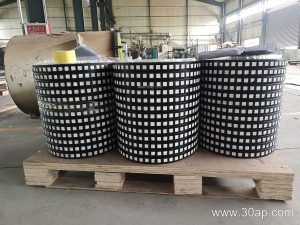
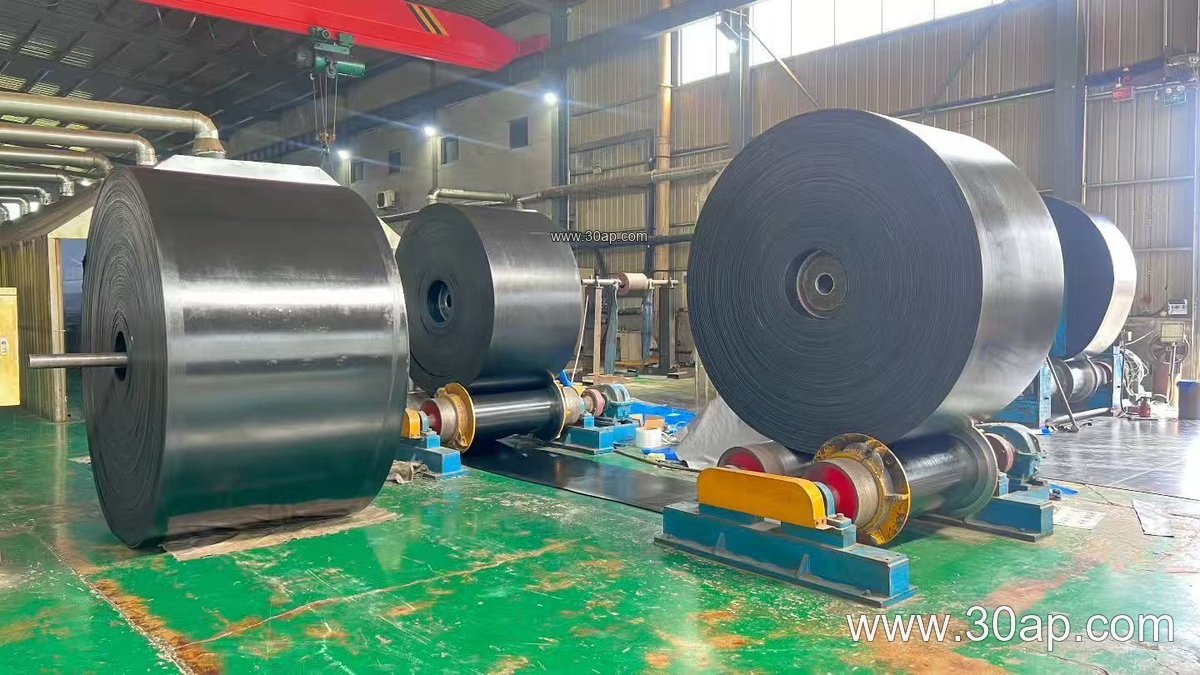
Related hardware matters as much as the belt itself. Troughed idler rollers support the load, a drive pulley transmits torque, a tail pulley sets return tension, and bend pulleys route the return strand. Conveyor brackets hold the rollers and pulleys in line. None of these parts are interchangeable, and each is matched to the belt width and load.
Common Width and Strength Reference
The following values are indicative reference data, not universal specifications. Final sizing depends on the conveyor design and should be confirmed with the supplier.
| Parameter | Typical Range |
|---|---|
| Nominal strength | EP100, with EP200 and EP300 as heavier options |
| Belt width | B500, B650, B800, B1000, B1200, B1400, B1600 |
| Cover thickness | 3+1.5, 4+2, 5+2, 6+2, 8+3 mm |
| Carcass plies | 2 to 6 layers |
| Surface options | smooth, chevron, skirted, corrugated sidewall |
Width and pulley diameter are independent design choices; a wider belt does not fix a shaft size, and a given width can run on several pulley diameters. Ask for the pulley and shaft data from the conveyor designer rather than assuming them from the belt.
Selection Notes for Buyers
Start with the material: lump size, temperature, oil content, and abrasiveness. Hot clinker calls for a heat resistant conveyor belt; oily scrap may need an oil resistant grade; coal and grain lines usually ask for flame retardant and anti-static properties. Then check the duty: a heavy-duty mining conveyor belt with thick covers and more plies may be better than a light EP100 build on primary crushing lines.
Compare alternatives honestly. An NN conveyor belt is more elastic and can suit impact-heavy transfer points, while a steel cord conveyor belt is chosen for very high tension and long hauls. Neither replaces the EP100 grade where its strength band fits the load.
Installation and Maintenance Basics
- Align idler rollers and pulleys before tensioning
- Check skirt rubber and sidewall clearance on skirted or corrugated sidewall belts
- Watch for cover wear at loading points and add impact beds if needed
- Re-tension after the first weeks of running
- Inspect splice edges for ply separation
Store spare rolls indoors, away from ozone and direct sun, and rotate stock. A correctly matched EP100 conveyor belt, with clean pulleys and free-turning rollers, usually gives long, quiet service in cement, sand, coal, and ore handling lines.