What a Coal Mining Conveyor Belt Does Underground and on the Surface
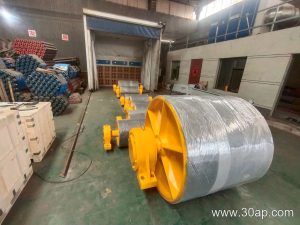
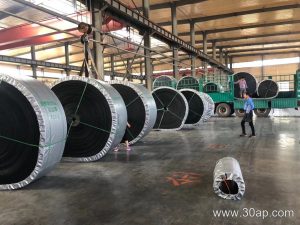
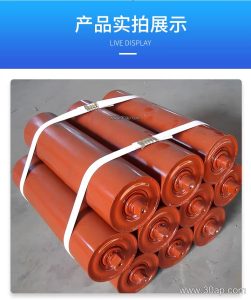
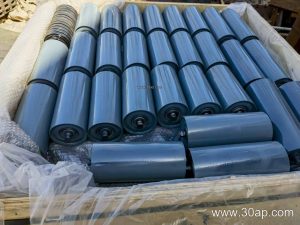
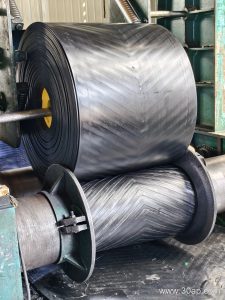
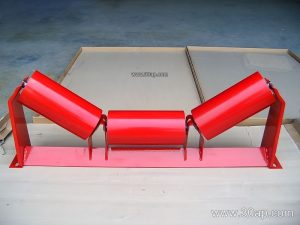
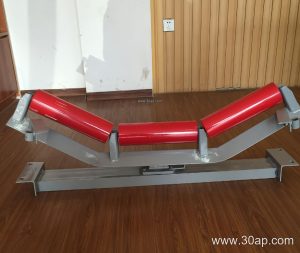
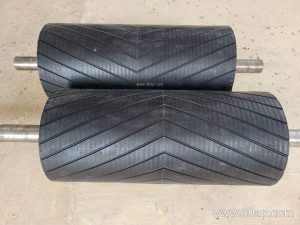
A coal mining conveyor belt is the load-carrying element of a continuous haulage system that moves raw coal from the face, through transfer points, and on to stockpiles, silos, or preparation plants. Unlike a general-purpose belt on a package line, this rubber conveyor belt works in a harsh duty cycle: sharp lump coal, rock partings, wet fines, dust, and frequent starts under load. The belt itself is only one part of the circuit. It runs over idler roller sets that support the carcass, wraps a conveyor pulley at the drive and tail, and is held in alignment by conveyor bracket frames and training idlers.
Because the coal mining conveyor belt is often the single most expensive wear item in the system, matching its construction to the actual duty is more important than buying on price alone.
How the Belt Is Built
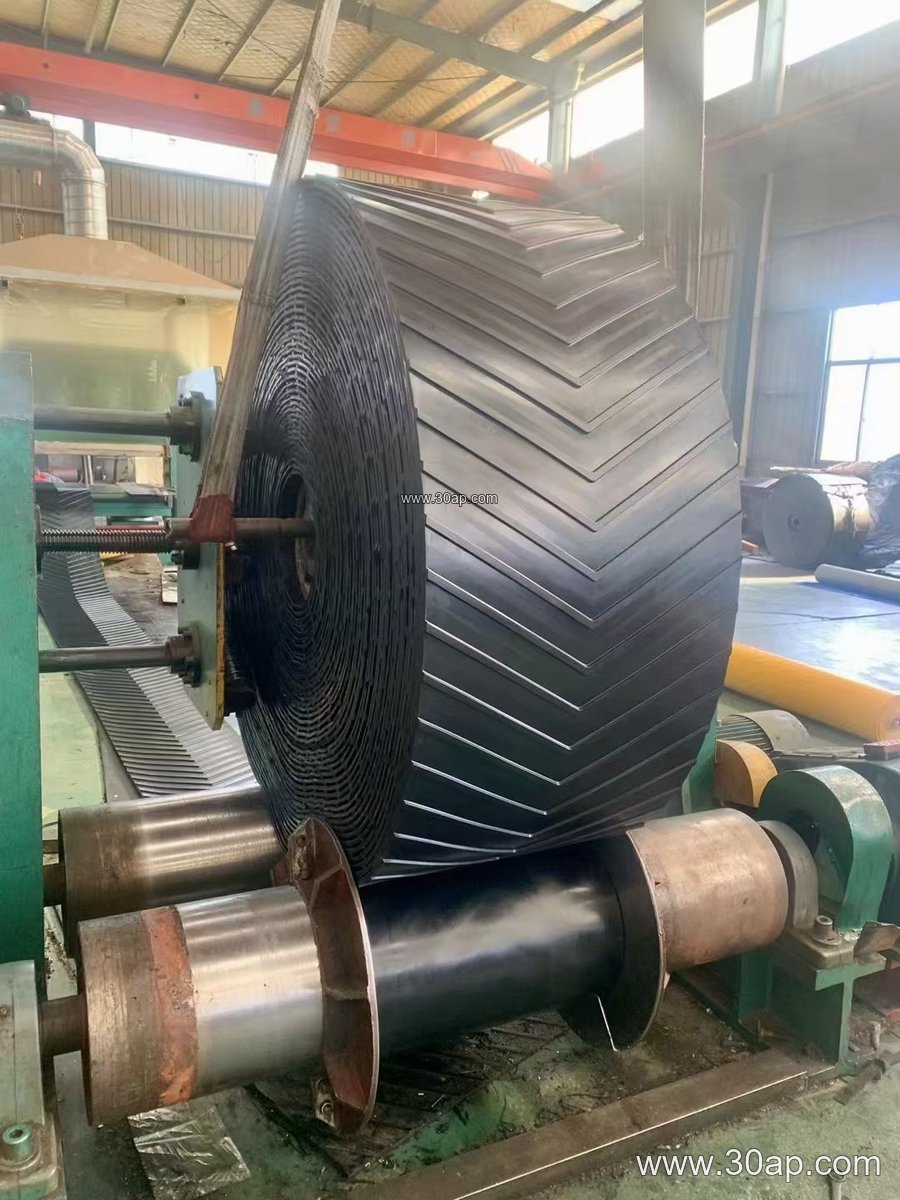
Most coal haulage belts are fabric-cored or steel-cord reinforced, with rubber covers on both faces. The carcass carries tension; the covers resist cutting, abrasion, and in some cases fire. A flame retardant conveyor belt is commonly specified for underground coal mining conveyor belt duty, where anti-static properties are also relevant. Surface lines feeding a power plant or coal washery may use the same carcass with different cover compounds.
Key construction elements:
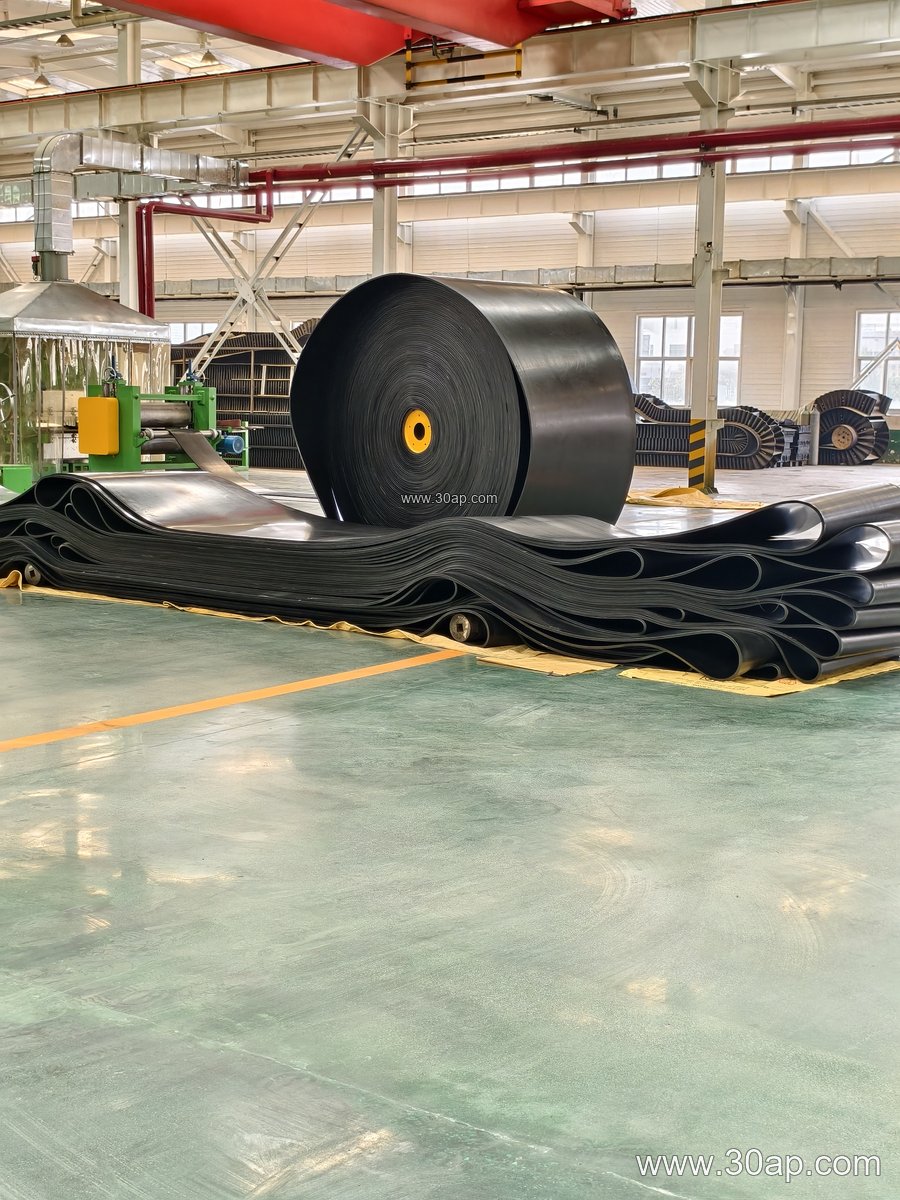
- Carcass: EP fabric (polyester-nylon), NN fabric (nylon-nylon), multi-ply fabric core, or steel cord.
- Top cover: abrasion resistant rubber for lump coal, heat resistant grades near dryers or hot ash handling, oil resistant grades where lubricants or oily coal are present.
- Bottom cover: usually thinner, sized to protect the carcass from idler contact.
- Edges: cut or molded, depending on whether the belt is endless spliced on site.
Common Reference Data (not a fixed specification)
Values below are typical reference ranges. Actual construction is set by the conveyor design, and different manufacturers vary.
| Parameter | Common reference values |
|---|---|
| Fabric belt strength grades | EP200, EP315, EP400, EP500, EP630, EP800, EP1000, EP1250, EP1600 |
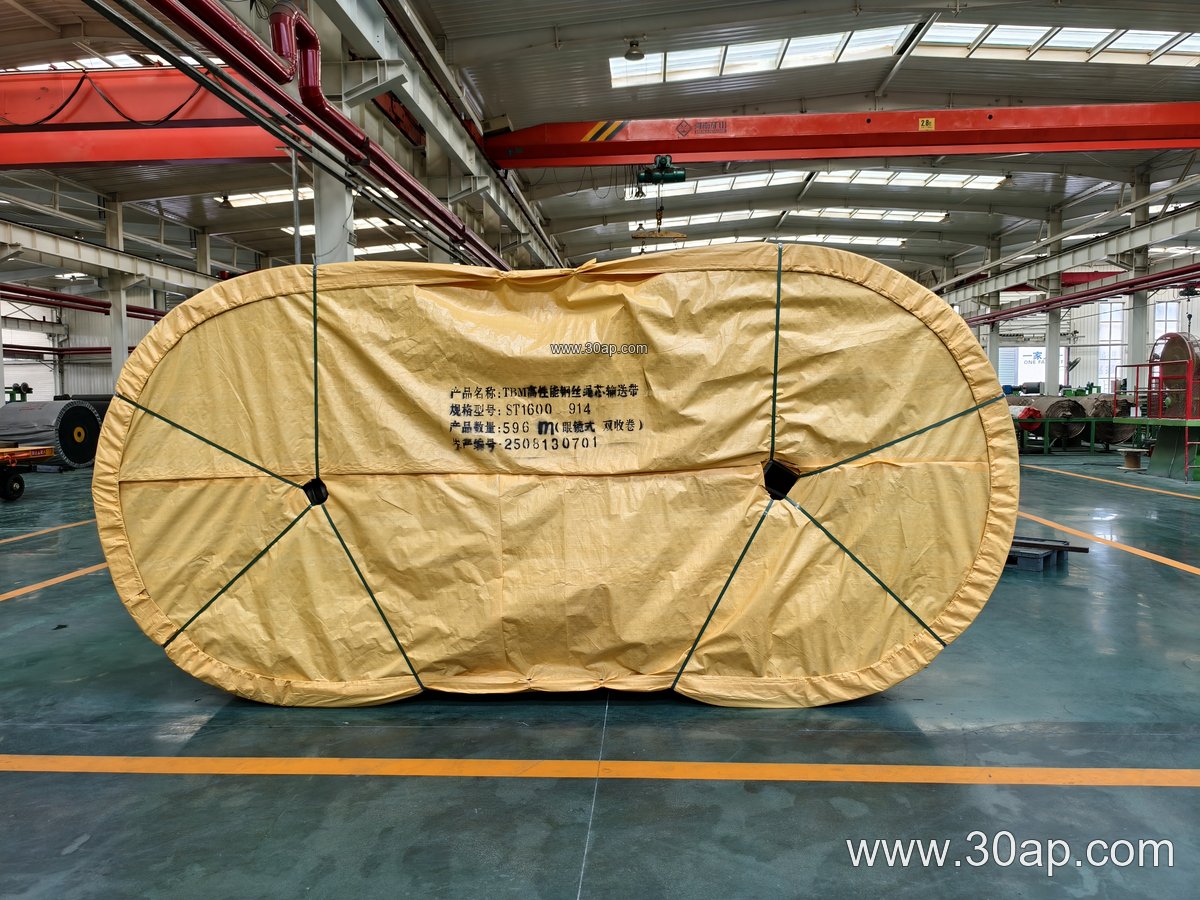
| Steel cord grades | ST1000, ST1250, ST1600, ST2000, ST2500, ST3150 |
| Belt width | B500, B650, B800, B1000, B1200, B1400, B1600, B1800, B2000 |
| Cover thickness (top + bottom) | 3+1.5, 4+2, 5+2, 6+2, 8+3 mm |
| Fabric plies | 2 to 6 layers, depending on grade and width |
Belt width and pulley diameter are matched through the conveyor design calculation, not by a single rule. A wider belt does not automatically require one specific pulley size, and shaft diameter is determined from torque and load, not from width alone.
Where It Is Used
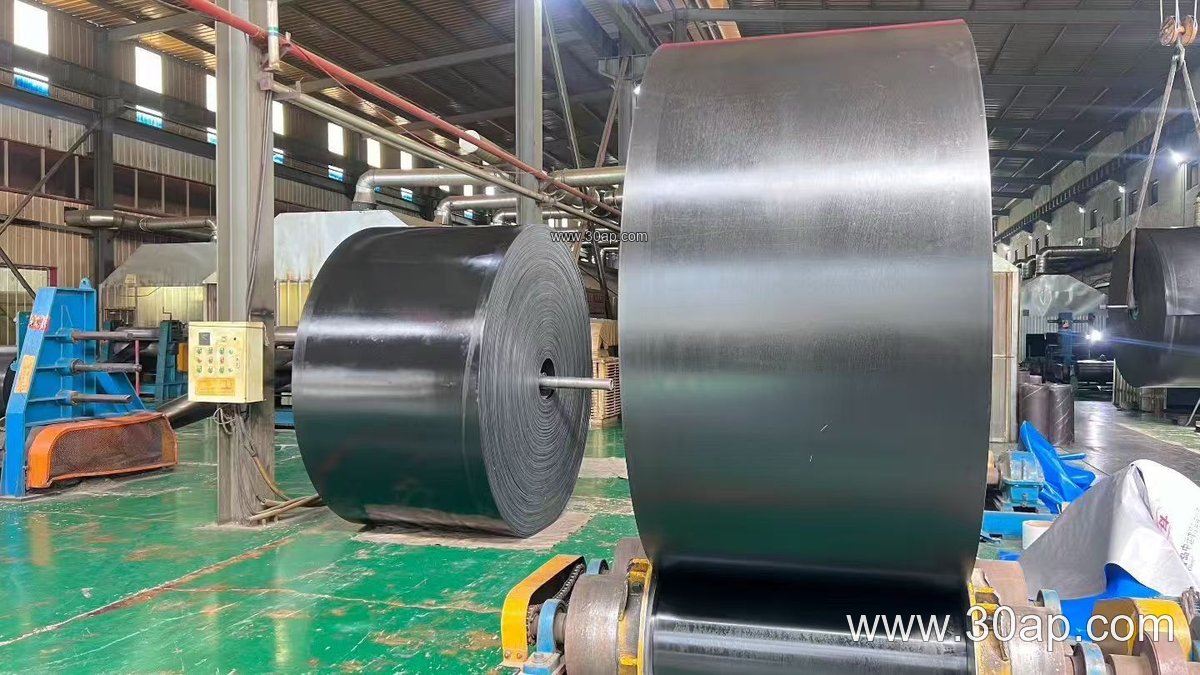
Coal is the classic application, but the same heavy-duty mining conveyor belt appears across adjacent industries:
- Underground coal mining conveyor belt lines and face-to-shaft haulage
- Surface coal handling at power plants and preparation plants
- Cement plants moving clinker, limestone, and raw meal
- Quarries and aggregate plants feeding crushers and screens
- Port and ship loading terminals handling bulk coal and ore
- Steel plants and coke oven batteries
In a quarry or sand making plant, an abrasion resistant conveyor belt with thick covers is common. In a cement plant, heat resistant grades may be needed near kiln discharge. In a coal prep plant, a combination of flame retardant and oil resistant properties is sometimes requested.
Buyer Checklist
Before ordering, confirm the following with the conveyor designer and the belt supplier:
- Strength grade: EP or ST class that matches the calculated maximum tension, with a safety factor.
- Width and cover thickness: based on lump size, throughput, and troughing angle.
- Fire and static requirements: especially for underground coal mining conveyor belt service.
- Splice method: vulcanized endless splice versus mechanical fasteners; an endless conveyor belt splice needs proper press time and edge preparation.
- Pulley and idler compatibility: check conveyor pulley lagging, idler roller spacing, and conveyor bracket alignment before installation.
- Storage and handling: belt rolls should be stored indoors, off the ground, and rotated periodically.
Ask for the carcass construction, cover compound data, and splice recommendation in writing. For coal duty, request confirmation of flame retardant and anti-static behavior rather than assuming it from the product name.
Maintenance Notes
Track cover wear at transfer points, where impact and cutting are highest. Inspect idler roller rotation and replace seized rollers before they groove the bottom cover. Check conveyor pulley lagging for wear that causes slip and belt tracking problems. Keep the belt cleaner and skirt rubber adjusted so fines do not build up on the return strand. A well-matched flame retardant conveyor belt with correct splicing usually outlasts a cheaper belt that was selected on strength grade alone.