What a Conveyor Equipment Idler Does on the Line
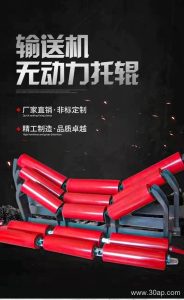
A conveyor equipment idler is the rotating roller assembly that supports the conveyor belt along its carrying and return runs. In practice, plant teams often call it simply an idler roller, and the same component appears on quarry conveyors, coal handling systems, cement plant clinker lines, power plant coal yards and port loading circuits. Its job sounds simple, yet the idler set controls belt sag, keeps material centered and absorbs much of the daily mechanical stress that would otherwise reach the conveyor pulley and frame.
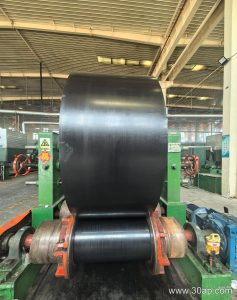
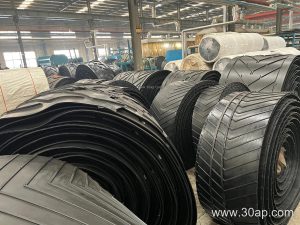
Because the idler contacts the belt continuously, small choices in roller diameter, shell material and bearing protection have a large effect on belt life. A heavy-duty mining conveyor belt carrying iron ore at a crusher discharge faces different loads from an EP conveyor belt moving bagged fertilizer in a warehouse.
How the Roller Is Built
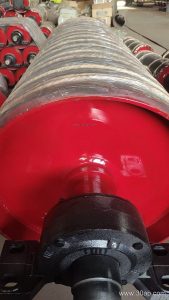
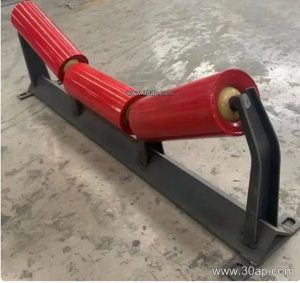
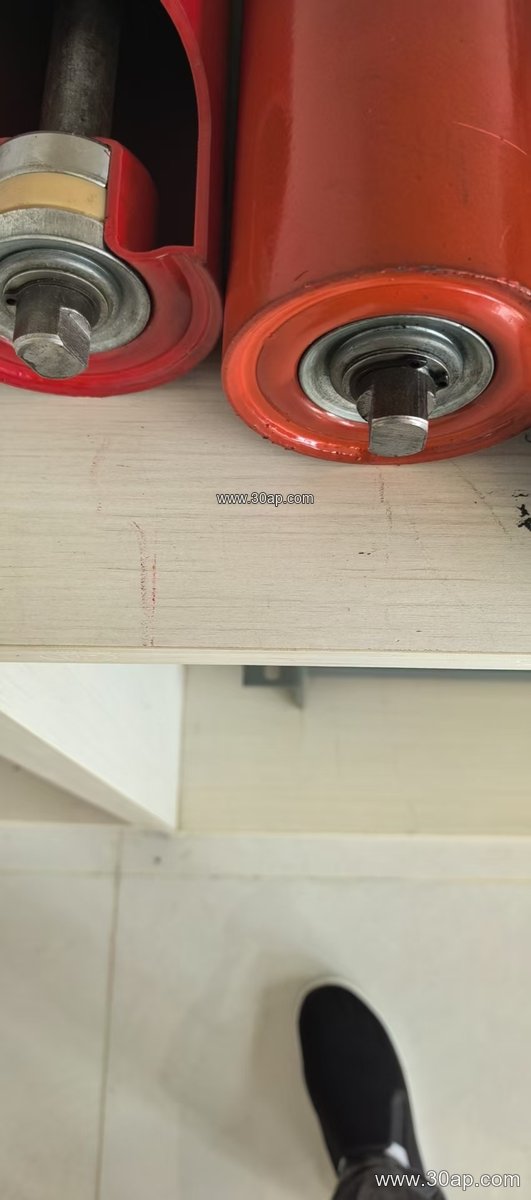
Most idlers share a common architecture: a steel tube shell, a shaft running through the axis, bearing housings at each end, and a sealing arrangement that keeps dust and water away from the bearing. Common roller diameters include Ø63, Ø76, Ø89, Ø102, Ø108, Ø127, Ø133, Ø159, Ø178, Ø194 and Ø219 mm. Small diameters suit light belts and tight spaces, while larger shells are used where belt widths and material loads are greater.
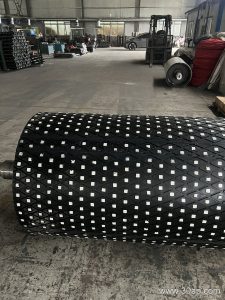
Shell options matter as much as size. Plain steel tube is the general-purpose choice. Nylon rolls reduce weight and resist buildup in sticky service. Ceramic-covered rolls add grip and wear resistance in wet or abrasive conditions. Rubber rings are used on impact idlers at transfer points, where lumps fall onto the belt and shock loads are high.
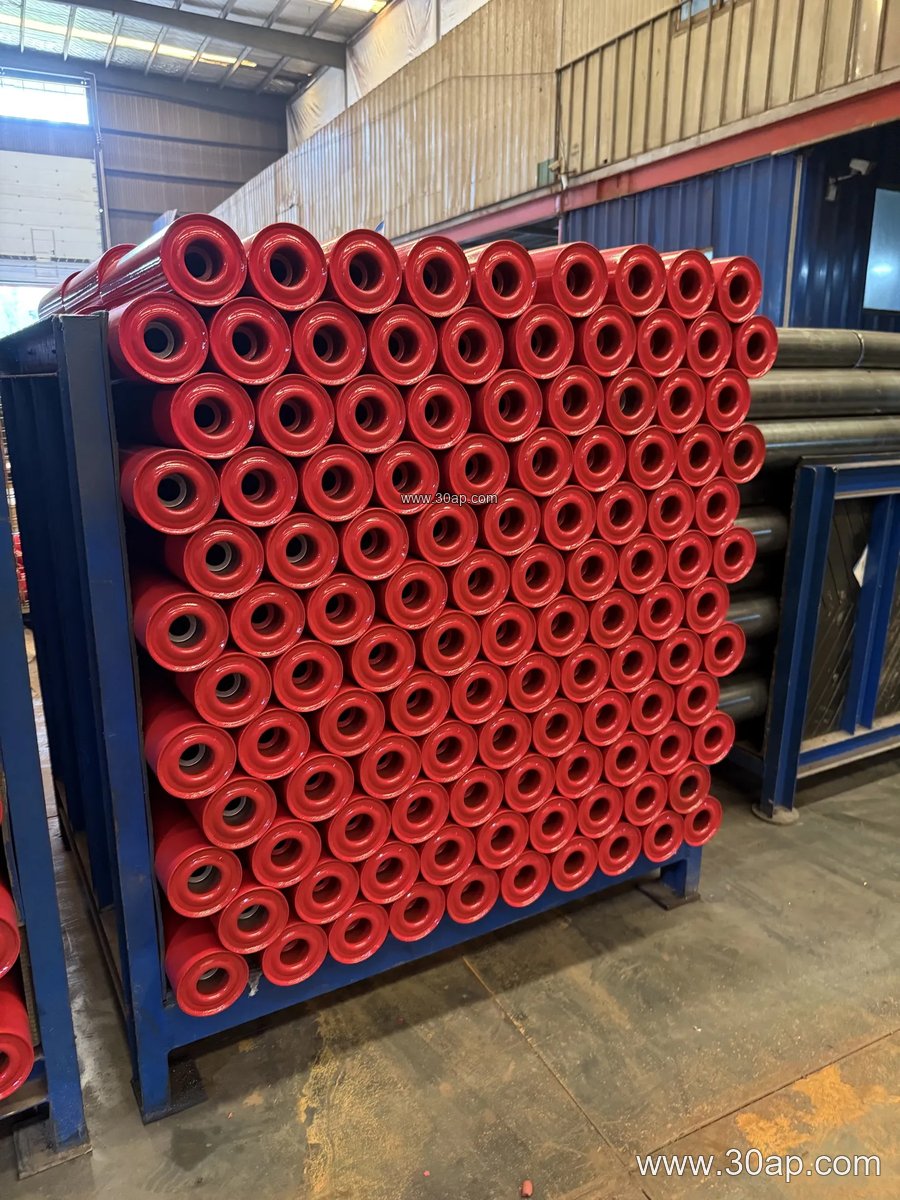
Bearings are usually selected from common series such as 6204, 6205, 6305, 6306, 6308 and 6310. The bearing is not fixed by roller diameter alone; load, speed and sealing design all influence the final selection. A well-designed seal is often the difference between a roller that runs for years and one that seizes within months in a dusty aggregate plant.
Types and Where They Sit
The carrying run normally uses troughing idlers arranged as single-roll, two-roll or three-roll sets. A three-roll troughing set is the most common arrangement on bulk material conveyor belts. Trough angles of 20, 30, 35 and 45 degrees are specified according to belt stiffness and material behavior; a deeper trough helps contain a wide, fast-moving load, while a shallower angle suits certain fragile materials.
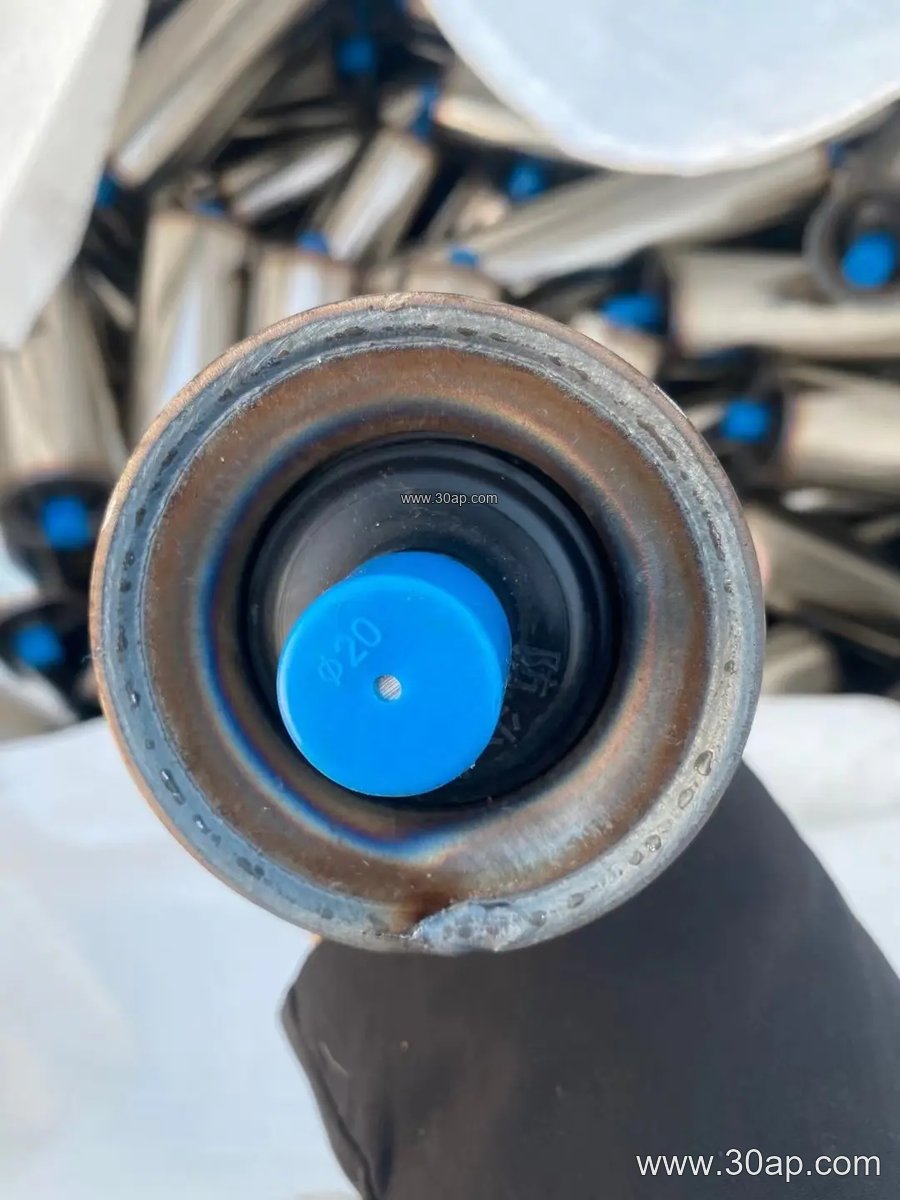
Impact idlers or rubber-ring impact idlers are placed below the loading point. Return idlers support the empty belt, and V-return or flat return idlers are chosen depending on belt tracking needs. Self-aligning idlers, including friction and tapered types, help correct belt drift on long runs. Spiral idlers are used where sticky material tends to build up on the shell.
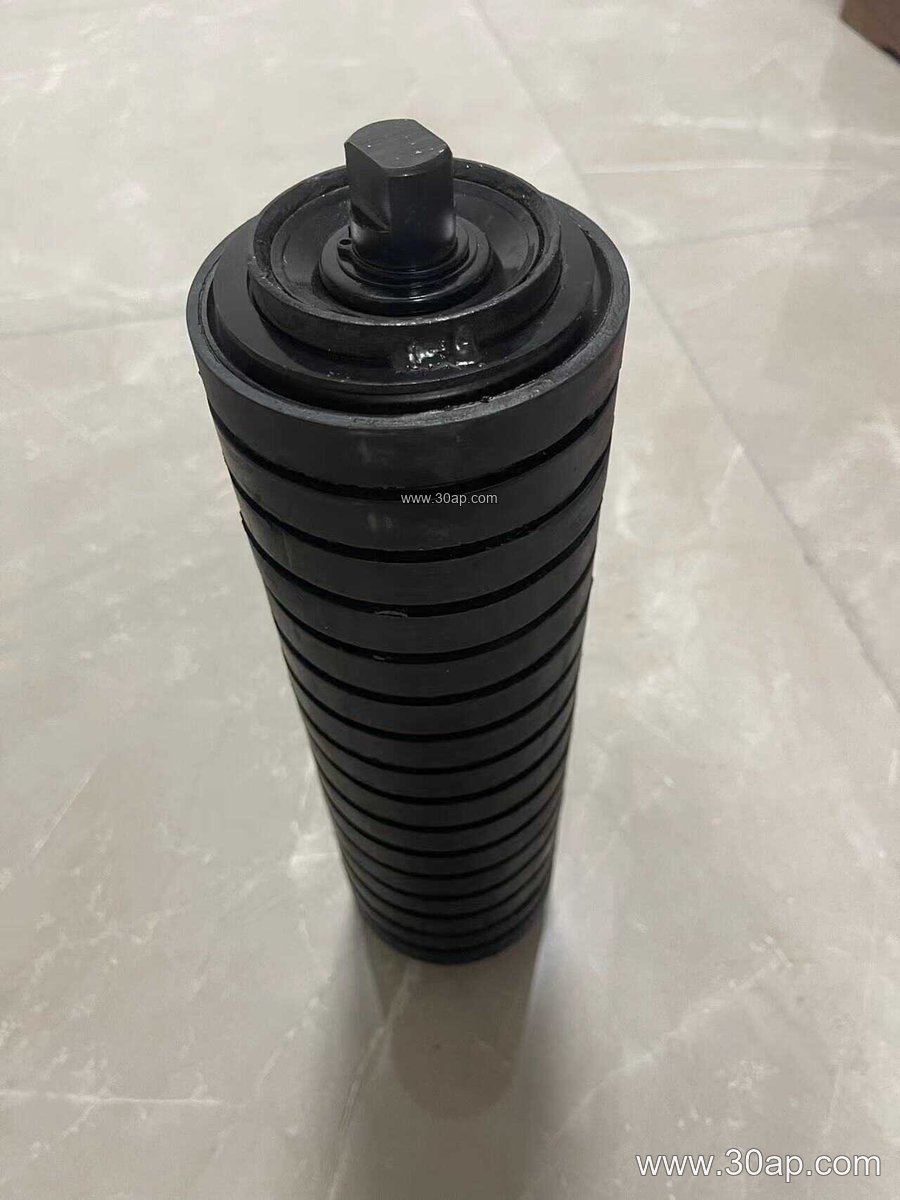
Roll length follows belt width, trough angle and roll configuration. For example, a three-roll troughing set might use a roll of roughly 200 mm at B500, 315 mm at B800, 465 mm at B1200 and 670 mm at B1800. These are typical references, not fixed pairings; side rolls and center rolls can differ, and final dimensions should be confirmed by design.
Application Notes Across Industries
In a limestone quarry or sand and gravel line, abrasion is the main enemy, so abrasion resistant conveyor belt grades and durable roller shells are usual. In a coal preparation plant or underground coal mining conveyor, flame retardant conveyor belt and anti-static conveyor belt properties are specified together with sealed idlers that tolerate washdown and fine dust. Cement plants combine heat resistant conveyor belt sections near kilns with standard troughing idlers on cooler runs. Port ship loading conveyors favor long, stable idler spacing and reliable return rolls to keep throughput steady.
Where a steel cord conveyor belt is used on a high-capacity trunk conveyor, idler alignment and roll quality become especially important because belt replacement cost is high. On shorter lines using an NN conveyor belt or multi-ply fabric core conveyor belt, standard troughing sets usually perform well when selected correctly.
Buyer Checklist
- Confirm belt width and trough angle before choosing roll length and roll diameter.
- Match shell and seal material to dust, moisture and temperature conditions.
- Use impact-rated rollers at transfer points rather than standard troughing rolls.
- Check bearing series and sealing against actual load and speed, not just roller size.
- Plan idler spacing with the conveyor designer; spacing affects belt sag and pulley load.
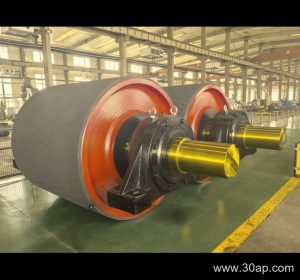
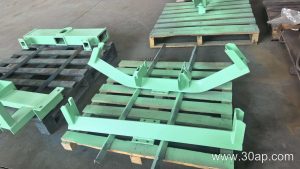
An idler is a low-cost part with a high influence on uptime. Buying on price alone often shifts cost to belt wear and maintenance labor. A clear specification, consistent roller quality and sensible spacing will keep the conveyor equipment idler working quietly in the background, which is exactly what a busy plant needs. For related components such as the conveyor bracket, conveyor pulley and conveyor belt, coordinate dimensions early so the whole line fits together.