What a Wear-Resistant Lagged Pulley Does
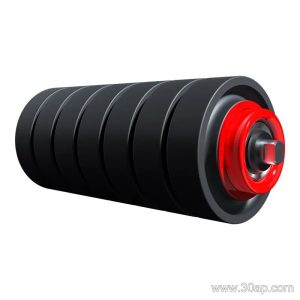
A wear-resistant lagged pulley is a conveyor pulley whose shell is covered with a durable rubber or ceramic layer to protect the drum and improve grip on the conveyor belt. In heavy-duty operations such as a quarry, iron ore mine, or cement plant, the pulley faces constant abrasion from grit, fines, and high-tension belt contact. The lagging acts as a sacrificial surface that extends pulley life and reduces belt slip.
This pulley is often the drive pulley at the head of the conveyor, but it can also serve as a tail pulley or bend pulley where wear is severe. The lagging material is selected for abrasion resistance, and the surface pattern may be smooth, diamond, or ceramic depending on the required traction.
Construction and Surface Options
The base is a welded steel drum with a shaft, hubs, and bearing housings. Lagging is applied by hot vulcanization, cold bonding, or cast rubber directly onto the shell. Common lagging thicknesses are 8, 10, 12, 15, and 20 mm. Surface forms include plain rubber, diamond groove, herringbone, and ceramic tiles embedded in rubber.
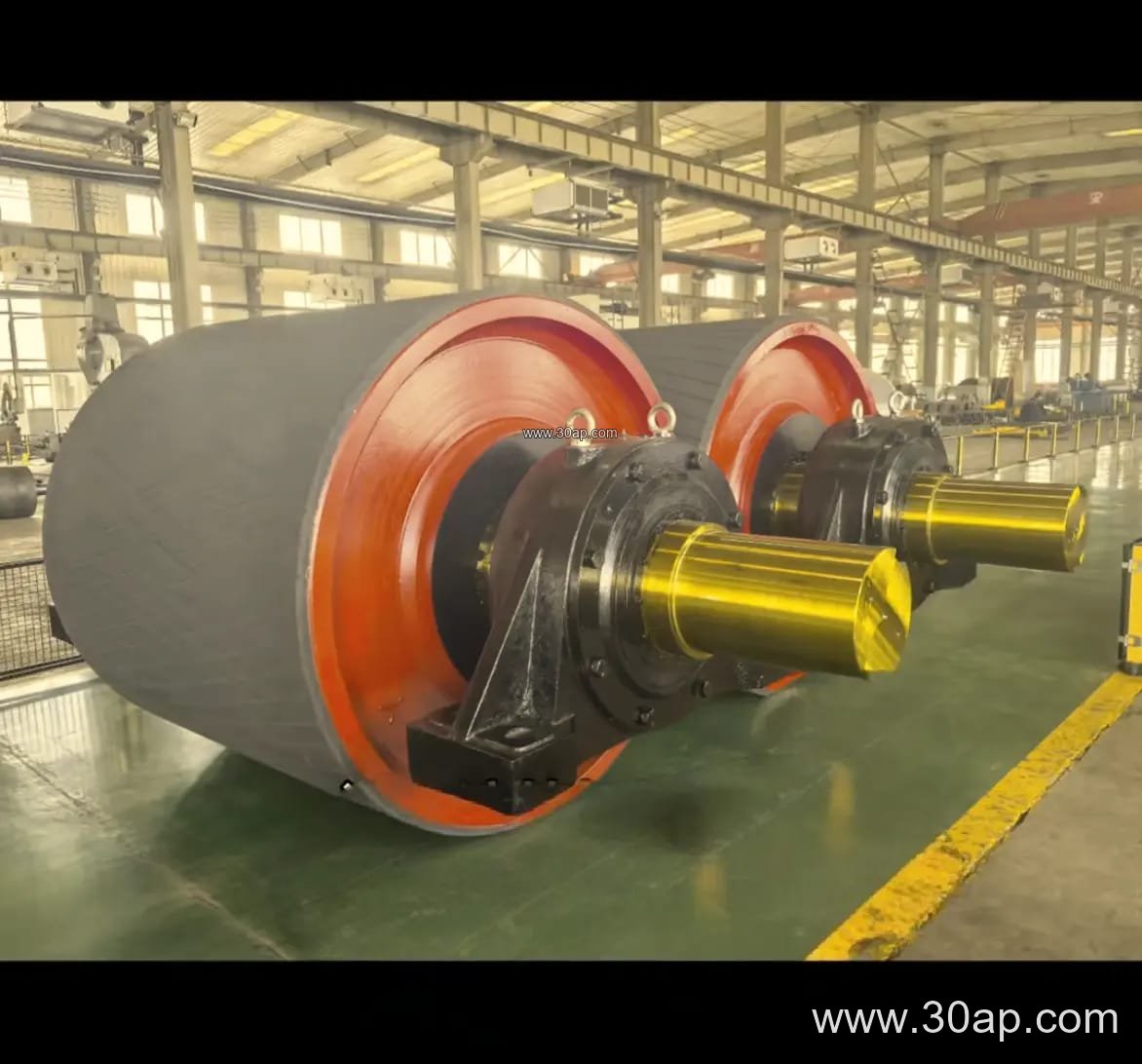
- Hot-sulfurized rubber lagging – strong bond for high-torque drive pulleys.
- Cold-bonded rubber lagging – field-replaceable option for maintenance.
- Ceramic lagging – excellent wear resistance in abrasive slurry or wet conditions.
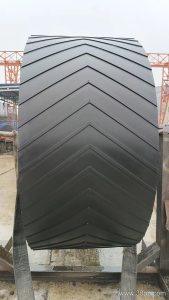
- Diamond or herringbone pattern – improves friction and sheds water.
For a coal mining conveyor belt or a steel cord conveyor belt under high tension, the pulley diameter and shaft size are determined by torque and load, not by belt width alone. A B1200 pulley might use Ø1000 or Ø1250 depending on the drive design; a B800 unit could be Ø500 or Ø630. Shaft diameters commonly range from Ø50 to Ø200, selected by the engineer.
Where It Fits in the Conveyor
Wear-resistant lagged pulleys are found in primary crushing circuits, ship loading conveyors, and power plant coal handling. In a sand and gravel line, the head pulley often runs with a heavy-duty abrasion resistant conveyor belt and needs lagging that resists sharp aggregate. In a cement plant, the same pulley type may handle hot clinker after cooling, so heat-resistant lagging grades are available.
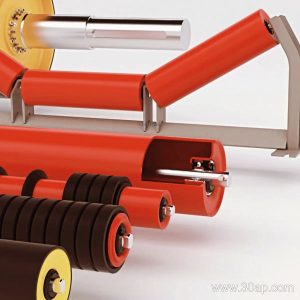
They also work with idler rollers and conveyor brackets to keep the belt aligned. A lagged bend pulley can correct tracking on long overland conveyors, while a lagged tail pulley reduces material buildup. The pulley is not interchangeable with a drive pulley or tail pulley by name alone—each position has its own load and slip requirements.
Buyer Checklist for Wear-Resistant Lagged Pulleys
Before ordering, confirm the belt width, pulley diameter, shaft diameter, lagging thickness, and surface pattern. Also specify the operating environment: wet, dusty, oily, or high-temperature. For a quarry conveyor belt or an EP conveyor belt system, diamond lagging is common; for a coal mining conveyor belt, flame retardant lagging may be required.
Ask for the lagging bond method and the expected wear life. Check that the pulley shell width exceeds the belt width—for example, B1000 typically uses about 1150 mm face width, and B1400 about 1600 mm. Do not assume a fixed shaft size from belt width; torque calculations govern the shaft.
Regular inspection of lagging wear, bolt tightness, and bearing condition prevents unexpected downtime. When lagging wears thin, re-lagging is often more economical than replacing the whole pulley.