What a Four-Roll Trough Idler Is
A four-roll trough idler is a carrying idler assembly that supports the conveyor belt on four rolls arranged in a trough profile. Unlike the common three-roll trough set, this design adds an extra roll to each side, creating a smoother transition curve for the belt and the bulk material it carries. The four-roll trough idler is often selected where belt widths are large, material loads are heavy, or the conveyor operates in demanding industries such as mining, coal preparation, cement plants, and power station coal handling. On long overland conveyors and high-tonnage bulk material lines, the extra roll helps distribute the load more evenly across the belt edge and reduces the risk of material spillage at the trough corners.
How the Four-Roll Trough Idler Is Built
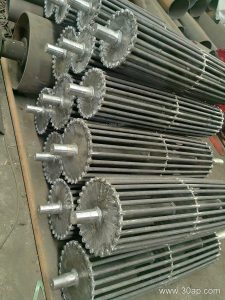
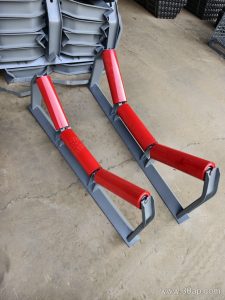
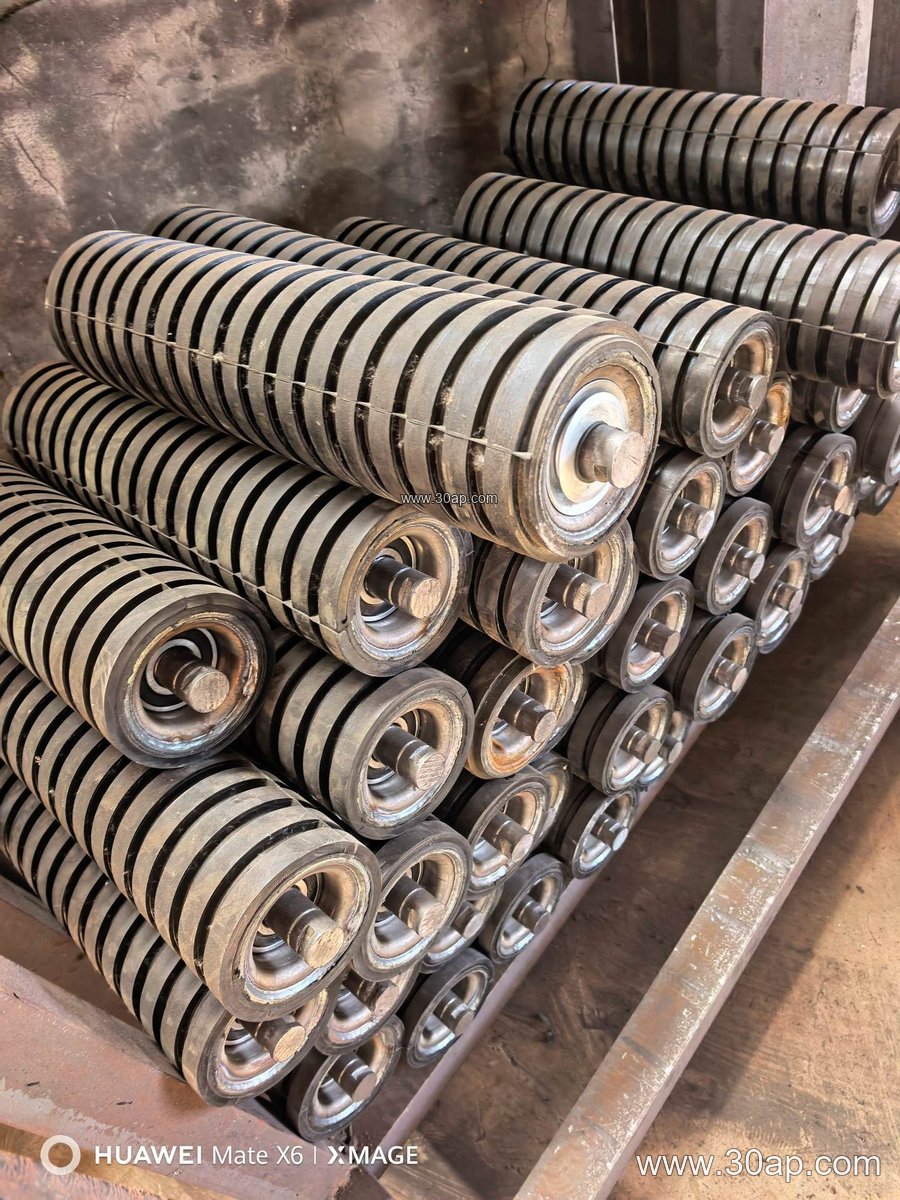
The assembly typically consists of four idler rollers mounted on a common frame or bracket set. The two side rolls run at a steeper angle, while the two inner rolls form a shallower central trough. Common trough angles for the outer rolls include 35 degrees and 45 degrees, and the inner rolls may be set at a different angle to create a rounded profile. Roll diameters commonly range from 89 mm to 194 mm, depending on the belt width and load. The rollers may use steel tube shells, nylon shells, or rubber rings for impact absorption. Bearings such as 6205, 6305, 6306, and 6308 are frequently used, with the final choice depending on the shaft load and speed.
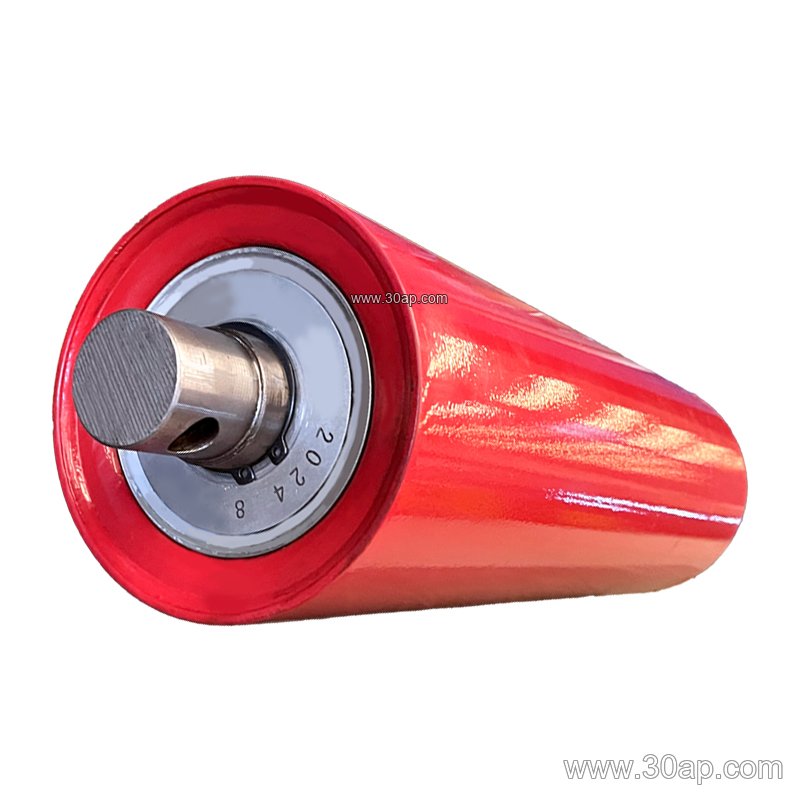
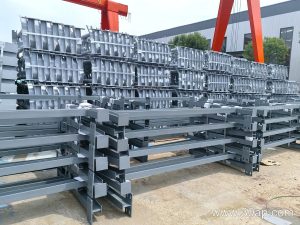
The idler roller shells are usually fitted with sealed bearings to keep out dust and water. In coal mining and quarry applications, the seal design matters as much as the roll thickness, because fine abrasive dust can shorten bearing life. The conveyor bracket and frame should match the idler mounting dimensions, and the roll length is determined by the belt width and the trough geometry. For example, a four-roll set on a 1200 mm wide conveyor belt will use different roll lengths than a set on a 1800 mm belt, and the side rolls may be shorter than the inner rolls.
Where Four-Roll Trough Idlers Are Used
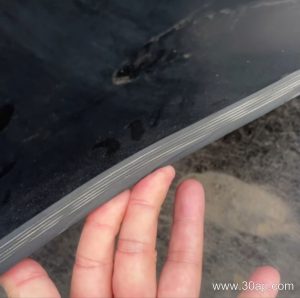
These idlers are common in bulk material handling where the belt carries heavy, lumpy, or abrasive loads. In a coal preparation plant, a four-roll trough idler can help keep a flame retardant conveyor belt centered under uneven loading. In a cement plant, the same assembly may support a heat resistant conveyor belt carrying clinker or raw meal. In an iron ore or copper ore operation, the idler works alongside a heavy-duty mining conveyor belt and a conveyor pulley at the drive and tail ends. The four-roll design is also found in port ship loading conveyors and in crushing and screening plants where a crusher conveyor belt receives variable lump sizes.
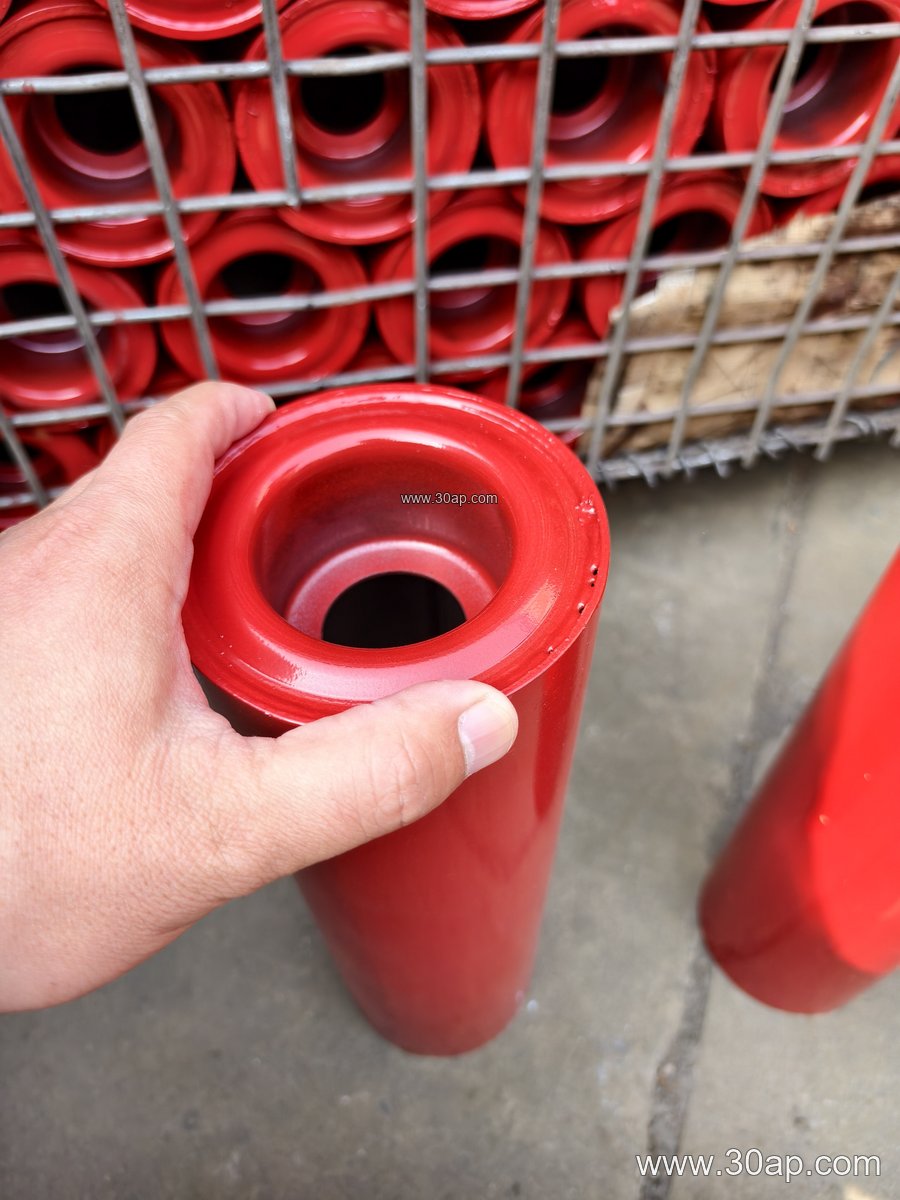
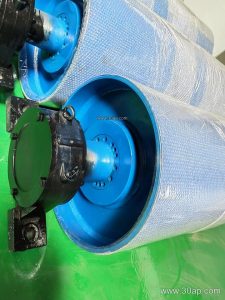
Because the trough is deeper and more rounded than a three-roll set, the four-roll trough idler can improve belt training on curves and reduce spillage at transfer points. It is not a replacement for a bend pulley or a tail pulley; those are separate conveyor components. The idler only supports the carrying side of the belt, while the conveyor pulley provides the driving or redirecting force.
Key Parameters to Consider
Buyers should match the idler to the conveyor belt width, the trough angle, the roll diameter, and the bearing size. The table below lists common reference values, not fixed combinations. Actual roll lengths and shaft sizes are determined by the conveyor design.
| Parameter | Common Reference Range |
|---|---|
| Belt width | B800, B1000, B1200, B1400, B1600, B1800, B2000 |
| Roll diameter | Ø89, Ø102, Ø108, Ø127, Ø133, Ø159, Ø178, Ø194 |
| Trough angle | 20°, 30°, 35°, 45° |
| Bearing | 6204, 6205, 6305, 6306, 6308, 6310 |
| Roll surface | Steel tube, nylon, ceramic, rubber ring |
For a 1000 mm wide conveyor belt, a four-roll trough idler might use 380 mm inner rolls and shorter side rolls, but this depends on the frame design. A 1400 mm belt may use 530 mm rolls, and a 1800 mm belt may use 670 mm rolls. These are common examples only. The buyer should confirm the mounting dimensions, the shaft diameter, and the bearing type with the idler supplier.
Selection and Maintenance Notes
When selecting a four-roll trough idler, consider the material being conveyed. An abrasion resistant conveyor belt carrying sharp rock may require thicker roll shells and better seals. A coal mining conveyor belt with flame retardant properties may need idlers that run cool and resist dust buildup. In a power plant or steel plant, the idler may operate near heat sources, so bearing grease choice matters. For a pipe conveyor belt or a corrugated sidewall conveyor belt, the idler arrangement is different, and the four-roll trough idler is not the right substitute.
Routine maintenance includes checking roll rotation, listening for bearing noise, and inspecting the conveyor bracket for looseness. Seized idlers can wear the belt cover and increase power demand. Replacing a worn idler roller before it damages the belt is usually more economical than replacing the belt itself. Buyers should ask for the idler drawing, the bearing designation, and the recommended roll length for their belt width. For reliable performance, match the four-roll trough idler to the actual belt speed, load, and environment rather than assuming one size fits every conveyor.