What Is a Vertical Idler Bracket?
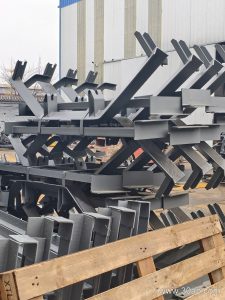
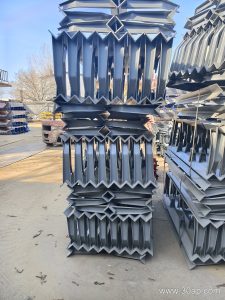
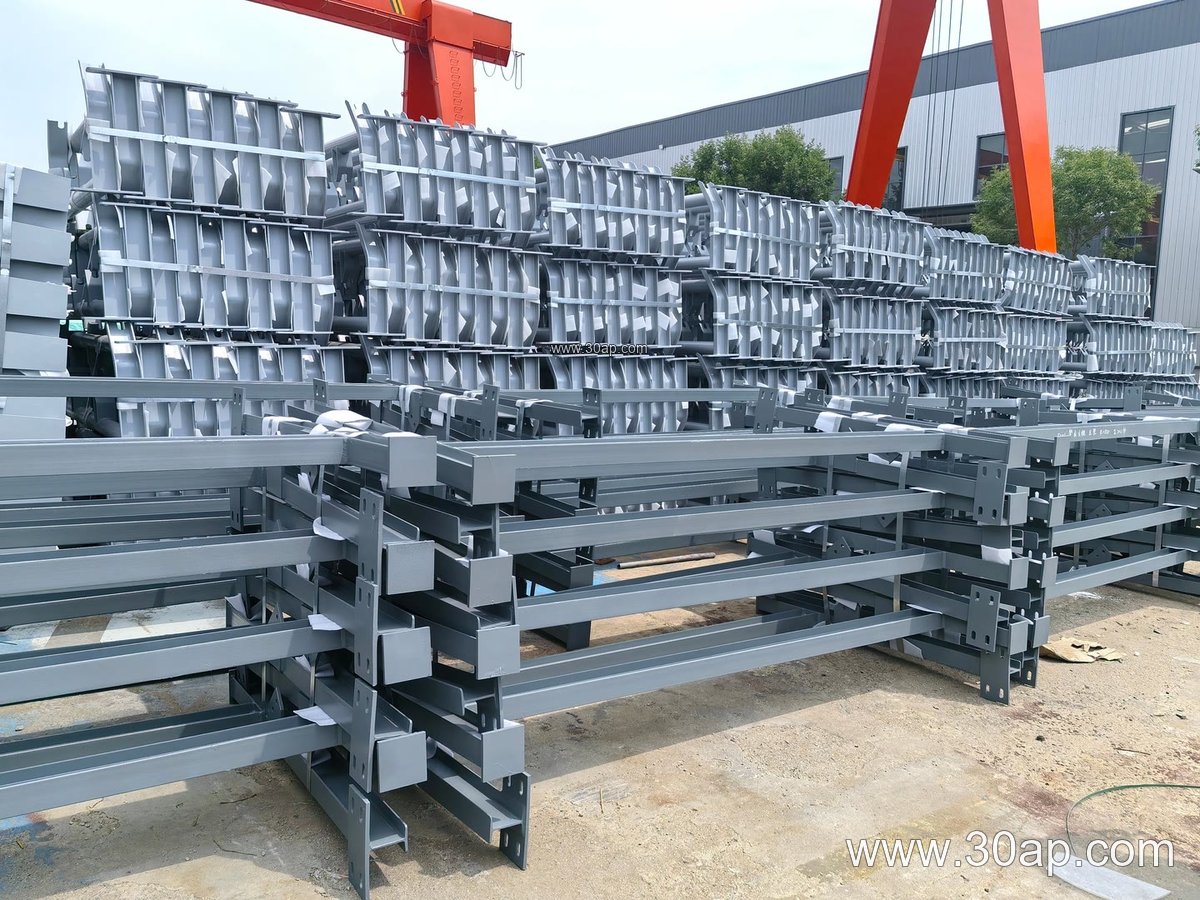
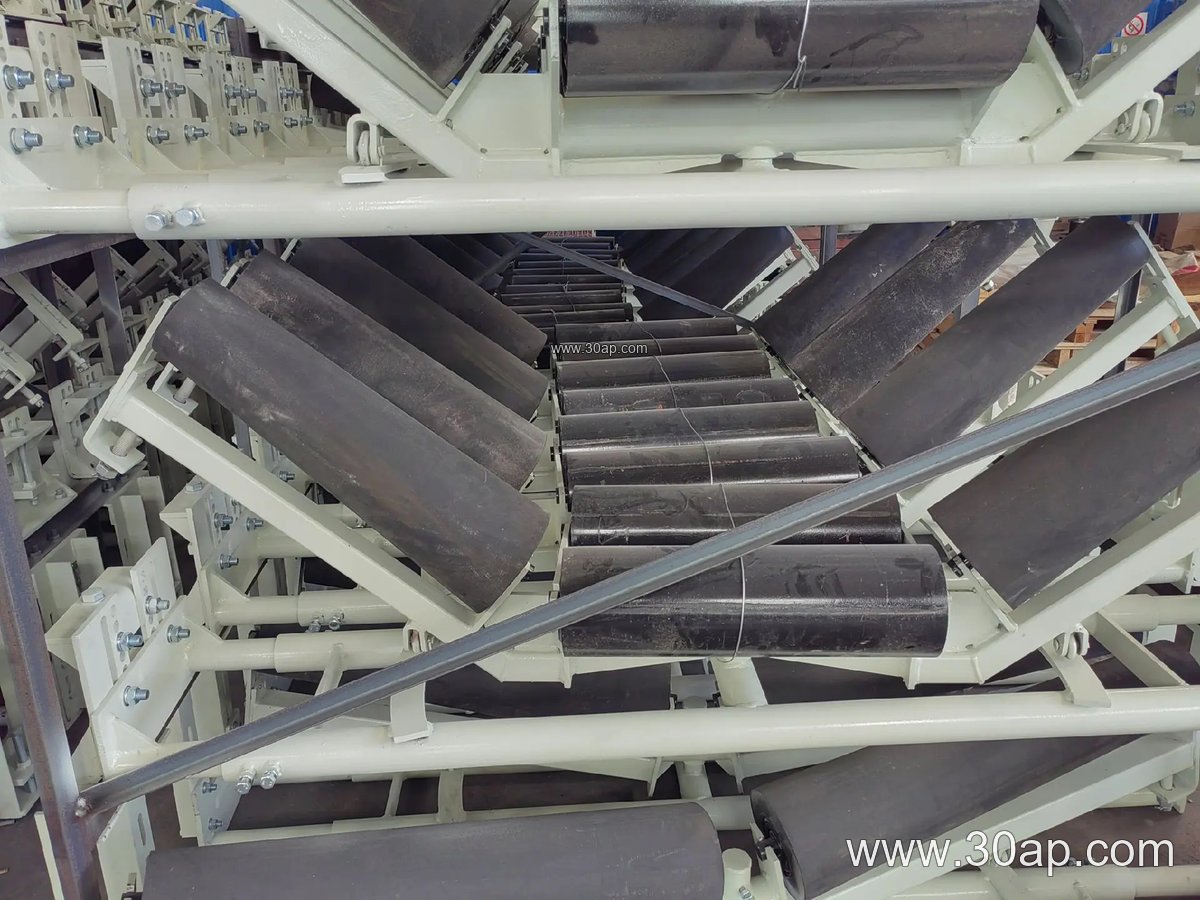
A vertical idler bracket is a structural component used to support and position idler rollers on a conveyor belt system. Unlike conventional fixed brackets that hold idlers at a set angle, this bracket is designed to be mounted vertically, often allowing adjustment of the idler position to control belt training and load support. It is commonly fabricated from angle steel, channel steel, or bent steel plate, and is used in industries such as mining, coal preparation, cement plants, power stations, and aggregate operations. The vertical idler bracket works in tandem with conveyor idlers and the conveyor belt to maintain proper belt alignment and reduce material spillage.
Construction and Design Features
The vertical idler bracket typically consists of a vertical mounting plate or frame with slots or holes that permit height and angle adjustment. This design enables maintenance personnel to fine-tune the idler roller position without replacing the entire bracket. Common materials include角钢 (angle steel) and槽钢 (channel steel), chosen for their strength and weldability. The bracket may also incorporate a locking mechanism to secure the idler shaft after adjustment. Because it is often exposed to dust, moisture, and heavy loads, the bracket is usually painted or galvanized for corrosion resistance.
Where It Is Used
Vertical idler brackets are frequently found in bulk material handling systems. In a coal mining operation, they help support the conveyor belt in areas where belt training is critical, such as near transfer points. In a cement plant, these brackets are used on belt conveyors transporting clinker or raw meal, where consistent idler alignment reduces wear on the conveyor belt. They are also employed in power plant coal handling systems and quarry conveyor lines. The bracket is compatible with various idler types, including carrying idlers, return idlers, and impact idlers, depending on the application.
Specifications and Selection Considerations
When selecting a vertical idler bracket, several parameters must be considered. The bracket must match the belt width, idler diameter, and trough angle of the conveyor system. Common belt widths range from B500 to B2200, with typical trough angles of 20, 30, 35, or 45 degrees. Idler diameters such as Ø89, Ø108, Ø133, Ø159, and Ø194 are standard. The bracket’s mounting hole spacing and beam length are determined by the belt width and trough angle, so these dimensions should be specified by the conveyor designer. A typical selection might be B800, 35 degrees, Ø108, but this is not a universal rule; each conveyor has unique requirements.
| Parameter | Common Range |
|---|---|
| Belt Width | B500 to B2200 |
| Trough Angle | 20°, 30°, 35°, 45° |
| Idler Diameter | Ø89, Ø108, Ø133, Ø159, Ø194 |
| Material | Angle steel, channel steel, bent steel plate |
Buyers should also consider the operating environment. For abrasive materials like iron ore or copper ore, a robust bracket with wear-resistant coating is advisable. In cold climates, the bracket material should maintain toughness. The bracket must be compatible with the conveyor pulley and conveyor bracket layout to ensure proper belt tracking.
Installation and Maintenance Tips
Proper installation of the vertical idler bracket is crucial for optimal conveyor performance. The bracket should be mounted perpendicular to the belt line and securely fastened to the conveyor frame. After installation, check that the idler roller rotates freely and that the belt makes uniform contact. Regular maintenance includes inspecting for loose bolts, corrosion, and deformation. In dusty environments such as coal mining or aggregate plants, cleaning the bracket area prevents material buildup that could misalign the idler. When replacing idlers, verify that the new idler matches the bracket’s adjustment range.
Buyer’s Checklist
- Confirm belt width and trough angle to ensure bracket compatibility.
- Check idler diameter and shaft size match the bracket’s mounting provisions.
- Verify material and finish suit the environment (e.g., corrosion resistance for washdown areas).
- Ensure adjustment range meets belt training needs.
- Review installation instructions and available technical support.
For more information on conveyor components, visit our website at www.example.com/conveyor-bracket or explore our range of conveyor idlers and brackets.