What a Bend Pulley Does
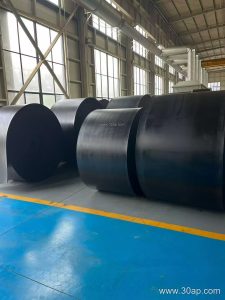
A bend pulley is a key component in a belt conveyor system, used to change the direction of the conveyor belt or to increase the wrap angle around the drive pulley. Unlike the drive pulley, which transmits power, or the tail pulley, which provides belt tension and tracking, the bend pulley primarily guides the belt along its path. This distinction matters: drive, tail, and bend pulleys are not interchangeable. A bend pulley is often found in the return run or at transfer points, helping to route the belt smoothly and maintain proper tension. In industries such as mining, cement plants, power stations, and quarries, the bend pulley ensures reliable operation of the conveyor, working in harmony with the conveyor belt, idler rollers, and conveyor brackets.
Construction and Surface Options
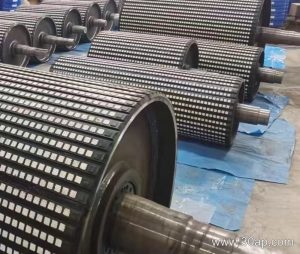
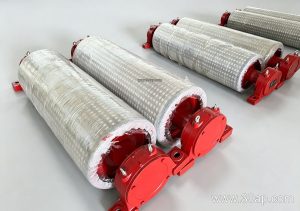
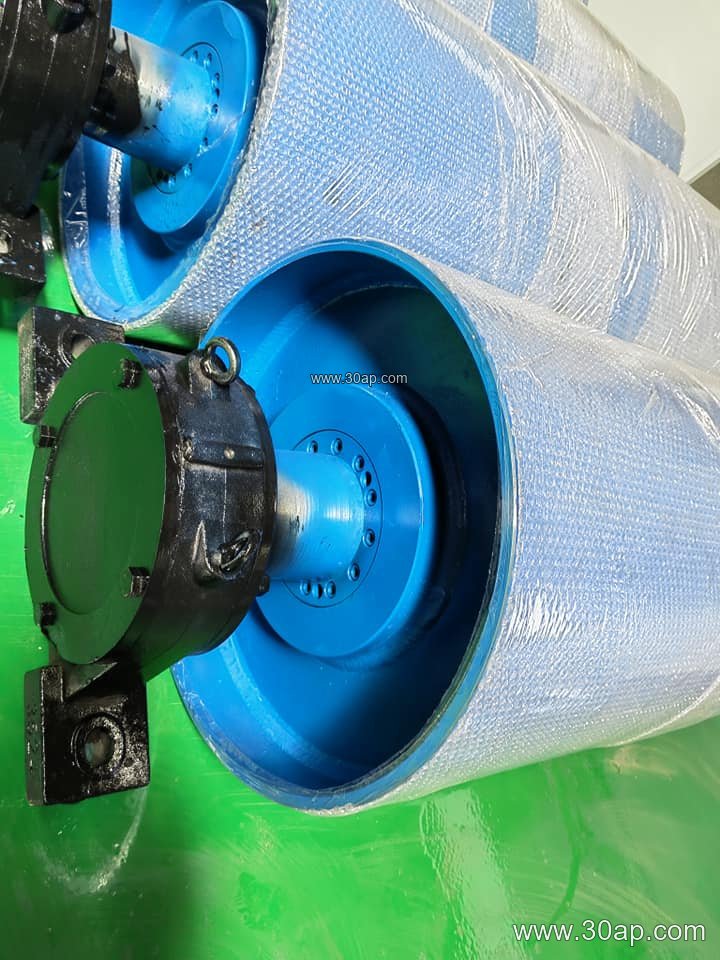
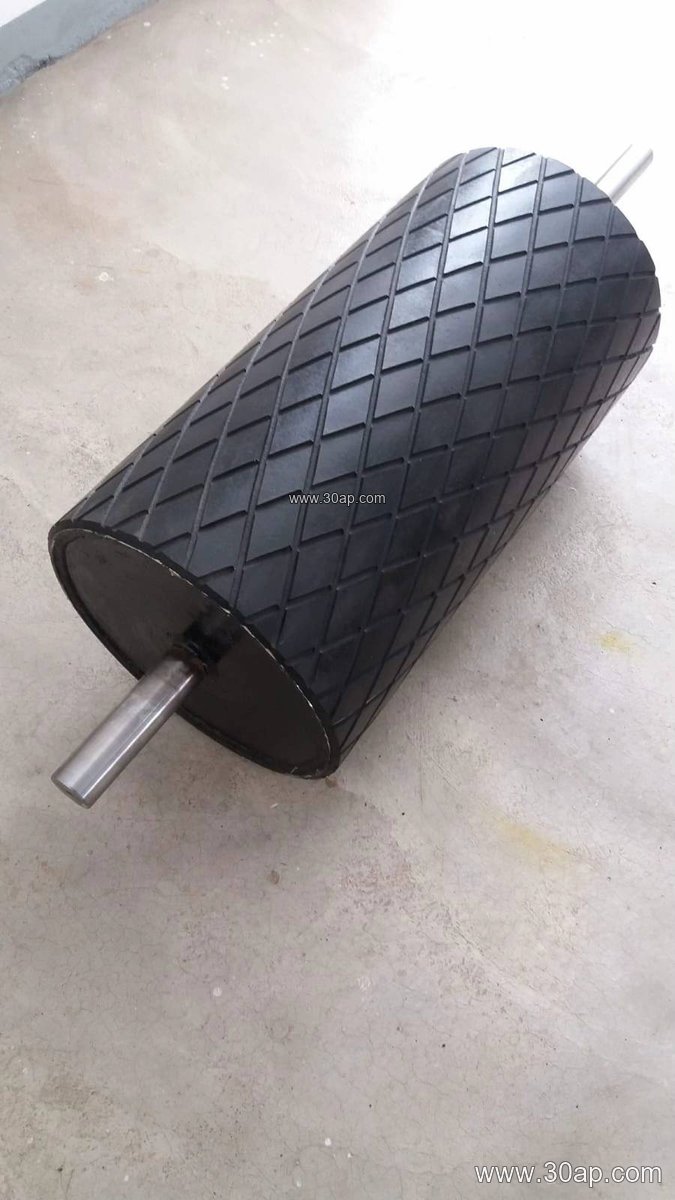
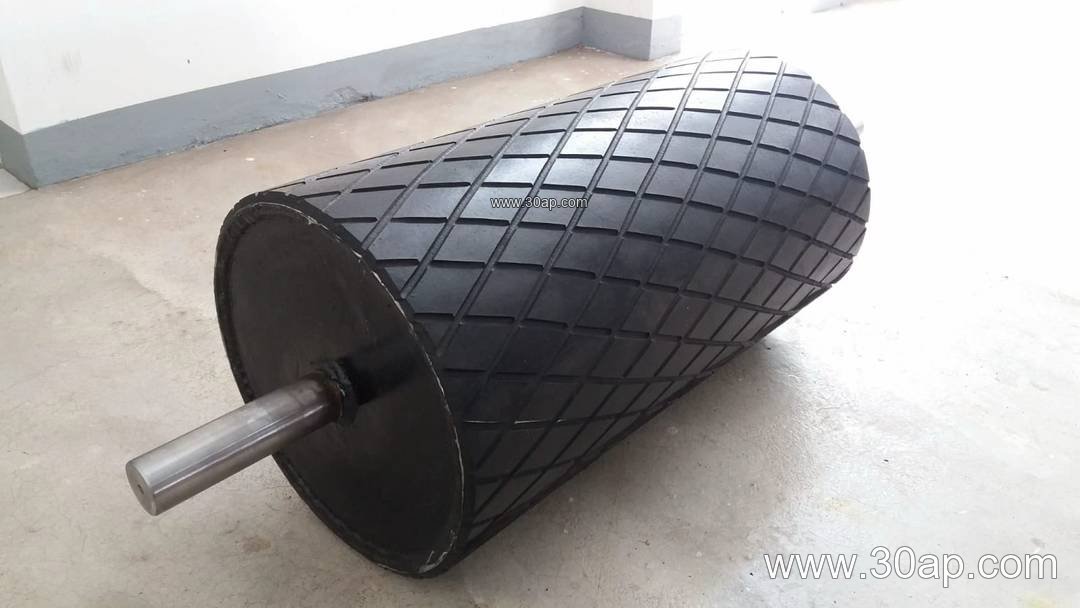
Typically, a bend pulley consists of a cylindrical shell, shaft, bearings, and bearing housing. The shell can be smooth or covered with rubber, ceramic, or other materials to improve grip and wear resistance. Common surface forms include plain (smooth), rubber lagging (cold-bonded or hot-vulcanized), diamond pattern lagging, herringbone lagging, and ceramic lagging. Lagging thickness often ranges from 8 mm to 20 mm, depending on the application. The pulley diameter is selected based on belt thickness, tension, and the required wrap angle; common diameters include Ø200, Ø250, Ø315, Ø400, Ø500, Ø630, Ø800, Ø1000, and larger. Shaft diameter is determined by torque and load, with typical sizes such as Ø50, Ø60, Ø80, Ø100, Ø120, and up to Ø200. The pulley face width is usually slightly wider than the belt width—for example, a B800 belt might use a pulley face of about 950 mm, and a B1200 belt about 1400 mm. These are reference values; actual dimensions should be confirmed by design calculations.
Where It Is Used
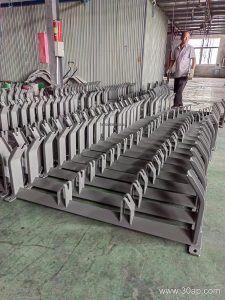
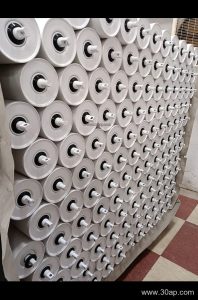
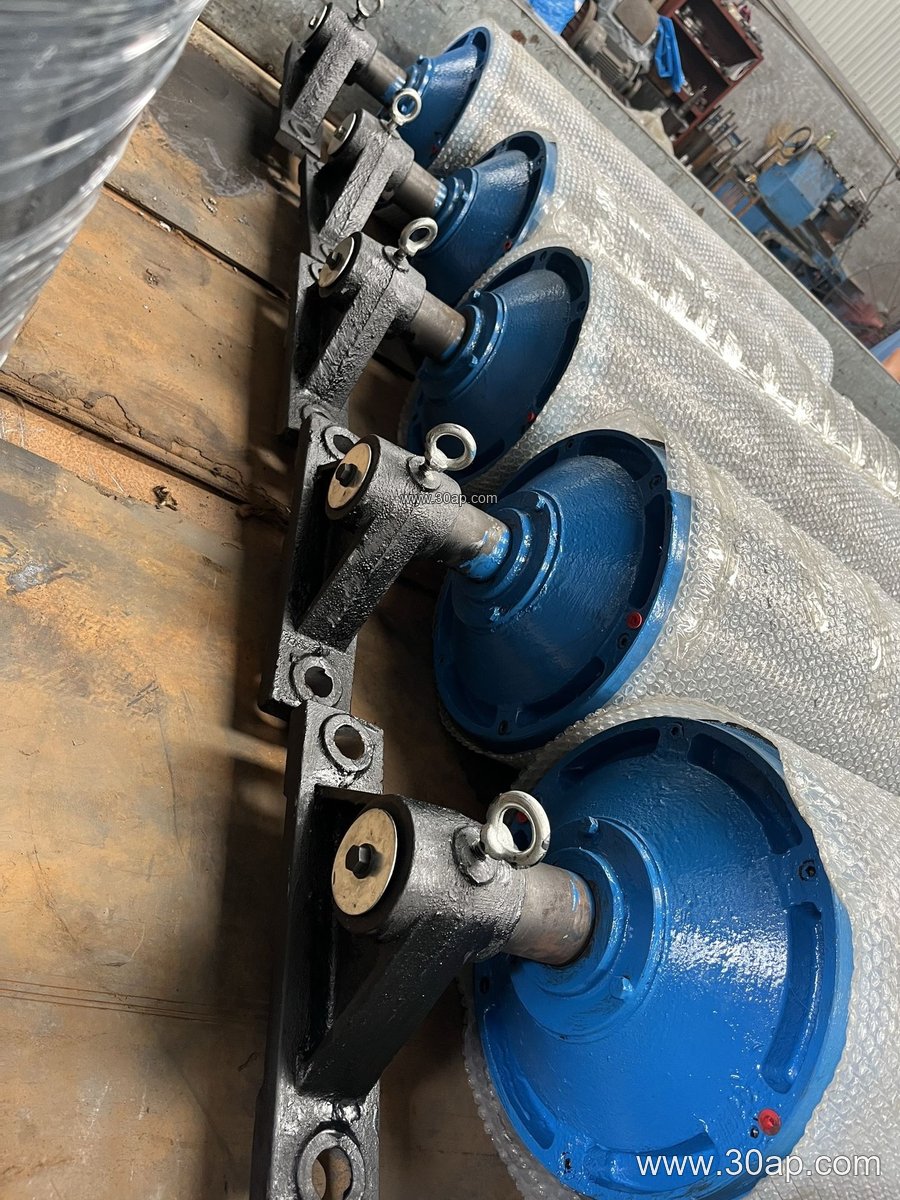
Bend pulleys are essential in a variety of bulk material handling environments. In a coal mining operation, they help route the conveyor belt around corners and maintain tension in the return strand. In a cement plant, they assist in transporting clinker and raw materials, often paired with heat-resistant or abrasion-resistant conveyor belts. At a port terminal, bend pulleys guide belts carrying iron ore or coal, contributing to efficient ship loading. Other common settings include aggregate plants, power plant coal handling, and steel mills. The bend pulley is often installed near the tail pulley or along the return run, and it may be used in conjunction with a take-up pulley to maintain belt tension. Proper alignment with idler rollers and conveyor brackets is crucial to prevent belt mistracking.
Selection and Maintenance Tips
When choosing a bend pulley, consider the belt width, belt type (such as EP conveyor belt, steel cord conveyor belt, or flame retardant conveyor belt), and the load conditions. The pulley diameter should be large enough to avoid excessive belt bending stress, especially for thick or high-tension belts. Lagging selection depends on the environment: rubber lagging for general grip, ceramic lagging for high wear, and plain surface for cleaning-critical applications. Regular maintenance includes checking bearing lubrication, inspecting lagging for wear, and verifying alignment. A worn or misaligned bend pulley can cause belt edge damage and reduce conveyor efficiency. For harsh conditions like those in mining or quarrying, abrasion-resistant and flame-retardant belts are often used alongside robust bend pulleys. Remember that bend pulleys are not a substitute for drive or tail pulleys; each has its specific role in the conveyor system.
Key Parameters at a Glance
The table below summarizes common reference values for bend pulleys. These are typical ranges and should not be taken as fixed specifications for every application.
| Parameter | Common Options / Range |
|---|---|
| Belt width (B) | B400, B500, B650, B800, B1000, B1200, B1400, B1600, B1800, B2000 |
| Pulley diameter (Ø) | Ø200, Ø250, Ø315, Ø400, Ø500, Ø630, Ø800, Ø1000, Ø1250 |
| Pulley face width | Approx. belt width + 100–200 mm (e.g., B800 → ~950 mm) |
| Shaft diameter | Ø50, Ø60, Ø70, Ø80, Ø90, Ø100, Ø120, Ø140, Ø160, Ø180, Ø200 |
| Surface type | Plain, rubber lagging, diamond lagging, herringbone lagging, ceramic lagging |
| Lagging thickness | 8, 10, 12, 15, 20 mm |
For more details on conveyor components such as conveyor belts and idler rollers, visit our website at www.example.com/conveyor-belt and www.example.com/bend-pulley.