What a 1000mm Drive Pulley Does
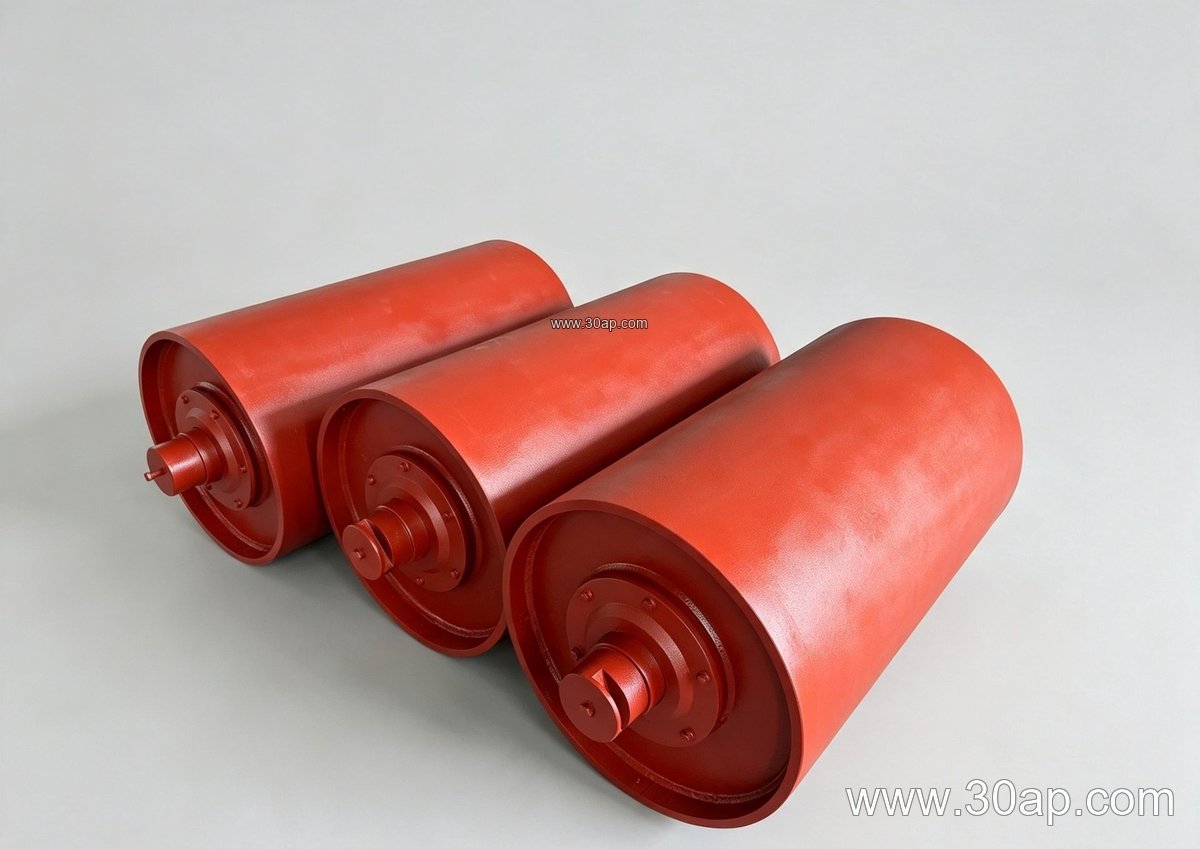
A 1000mm drive pulley is the powered drum at the head of a belt conveyor, transmitting torque from the gearbox to the conveyor belt through friction between the lagged shell and the belt cover. The 1000mm figure refers to the nominal outside diameter of the drum shell, a size chosen when belt tension, wrap angle and belt life need more contact area than a smaller head drum can provide. It is a head or drive position component, not a tail or bend drum, and the three roles are engineered separately.
In a quarry aggregate line or a cement plant clinker transport section, this diameter is often paired with belts in the 1000mm to 1400mm width range, though no fixed rule ties one belt width to one drum diameter. Drive, tail and bend pulleys serve different duties and should not be swapped during maintenance.
Construction and Surface Options
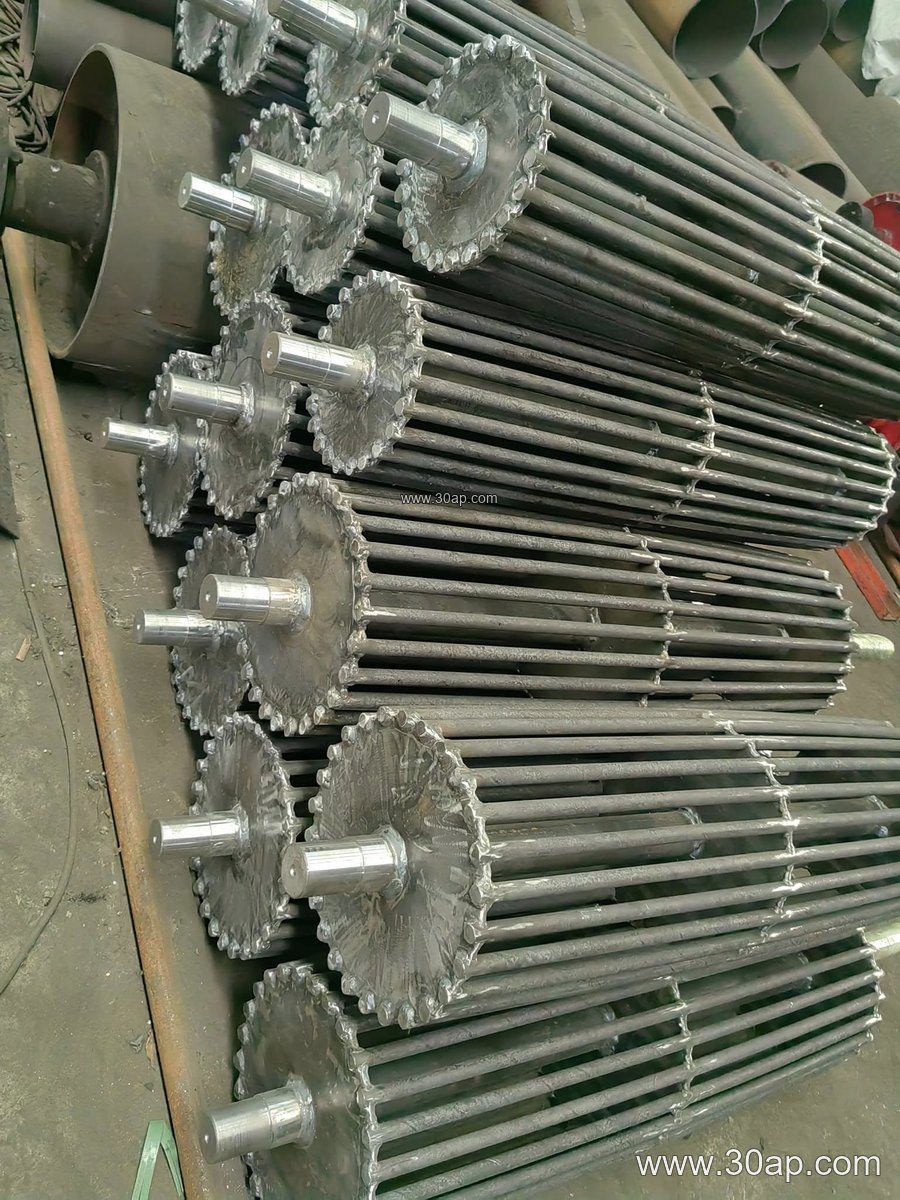
The drum normally consists of a rolled steel shell, two end discs, a through shaft and welded or bolted hub connections. Shell thickness and shaft diameter are set by torque and radial load, not by belt width alone; a common shaft range for this class runs from about Ø120mm upward, but the final value comes from the drive calculation.
| Feature | Typical Options |
|---|---|
| Nominal diameter | Ø1000 mm |
| Shell face width | About 1150mm for B1000 belts, wider for B1200 and B1400 |
| Lagging | Plain, cold-bonded rubber, hot vulcanized rubber, diamond groove, herringbone, ceramic |
| Lagging thickness | Commonly 8, 10, 12, 15 or 20 mm |
| Bearing type | Spherical roller bearings in split housings |
Lagging choice depends on the material and the environment. A diamond or herringbone rubber surface improves grip in wet conditions, while ceramic lagging suits abrasive duty where belt slip must be minimized. For a coal mining conveyor belt carrying damp product, flame retardant grades of lagging and belt are often specified together.
Where It Fits in the Plant
This drive drum appears at the discharge end of main haulage conveyors in iron ore and copper ore operations, at the head of overland lines in power plant coal handling, and on ship loading conveyors at port bulk terminals. In a stone crushing circuit it may sit after the primary crusher, driving a belt that carries coarse rock to the screening house.
Because the drum must transfer high torque without polishing the belt cover, matching it with an abrasion resistant conveyor belt is common in aggregate service. Where the belt carries hot clinker or sinter, a heat resistant belt and a suitably rated lagging are selected together. The pulley works as one element of the drive station, together with the gearbox, coupling, conveyor bracket and take-up arrangement.
Selection Points for Buyers
- Confirm the actual belt width and the required face width; the shell should be wider than the belt.
- State the design torque and belt tension so the shaft and shell thickness can be verified.
- Choose lagging by material: rubber for general grip, ceramic for severe abrasion, plain for cleaning-sensitive duties.
- Check the wrap angle and whether a snub or bend pulley is needed to increase contact.
- Specify bearing housing style and whether the pulley must be removable without cutting the belt.
- For underground coal mining, confirm flame retardant requirements for both belt and lagging.
Balance grade, runout and welding quality matter as much as diameter. A poorly balanced 1000mm drive pulley will shorten bearing life and can damage the belt edge. Buyers should ask for the dynamic balance report and the shell-to-shaft weld inspection record.
Maintenance and Belt Interaction
Inspect lagging wear at each shutdown. Worn grooves reduce friction and cause slip, which heats the shell and can damage the belt. Check that the idler roller frames and the pulley alignment stay true, since a drive drum that is out of square with the conveyor centerline will train the belt to one side.
Keep the belt tension within the design range. Too little tension causes slip on the drive pulley; too much loads the shaft and bearings. When replacing lagging, match the original thickness so the belt path and take-up stroke remain correct. Record shell diameter after each relagging, because added rubber changes the effective drum diameter and the belt speed slightly.