What an Aggregate Conveyor Belt Does
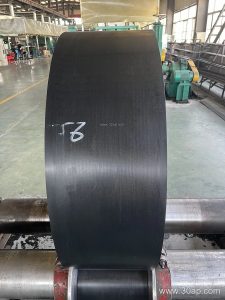
An aggregate conveyor belt is the carrying surface of a bulk handling line that moves crushed stone, sand, gravel and screened rock between a crusher, a screen deck, a stockpile or a load-out point. In a quarry or sand and gravel plant, the belt is often the hardest-working wear part on the frame. It has to survive sharp, angular material, frequent starts under load, dust, and weather, while keeping a steady line speed so downstream equipment is fed evenly. Because the duty is heavy and abrasive, most aggregate lines use a rubber conveyor belt with a fabric or steel cord carcass rather than a light-duty belt.
The name describes the duty, not a single construction. A quarry conveyor belt on a primary discharge may be a heavy-duty, abrasion resistant conveyor belt with thick covers, while a short transfer feeding a screen may use a simpler two-ply belt. The right choice comes from the material, the tonnage, the incline and the pulley diameters, not from habit.
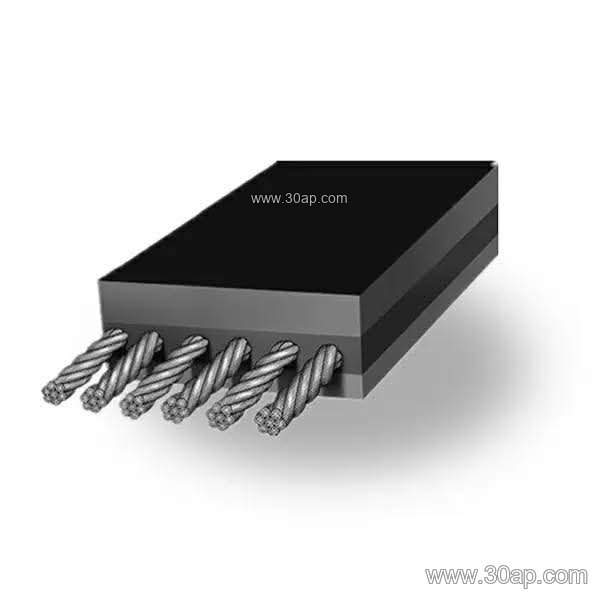
How the Belt Is Built
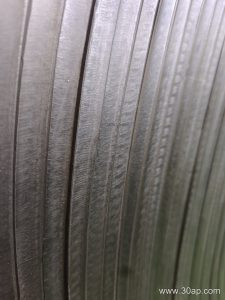
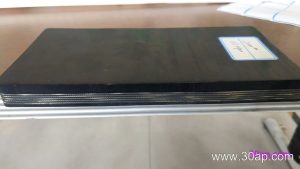
The carcass carries the tension. In an EP conveyor belt, polyester warp and nylon weft fabric plies are bonded in rubber; in an NN conveyor belt, both directions use nylon. Multi-ply fabric core conveyor belts are common on aggregate frames because they tolerate impact and resist tearing. Longer, high-tension main lines may use a steel cord conveyor belt, where steel wires replace fabric plies and allow greater center distances with fewer splices.
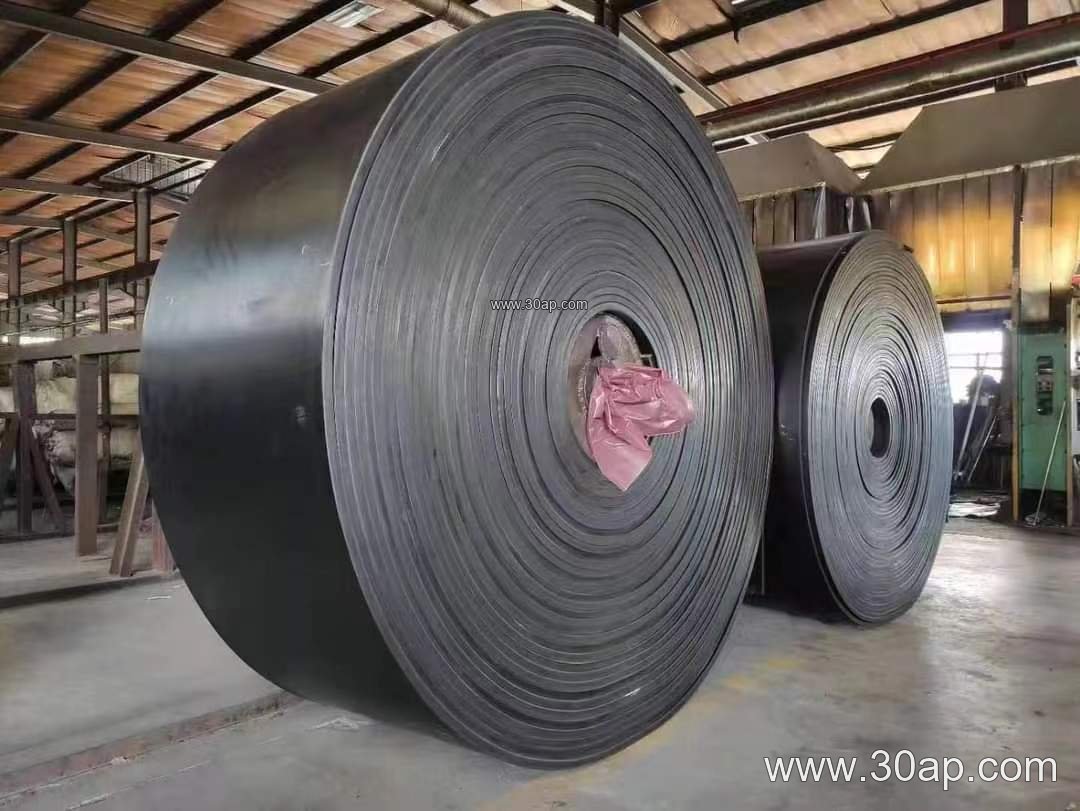
Covers protect the carcass. A typical aggregate specification uses 4+2 mm, 5+2 mm or 6+2 mm top and bottom covers, with 2 to 6 plies depending on load. Thicker top covers suit sharp rock at the loading point; a high abrasion resistant conveyor belt grade is often selected where crushed granite or basalt shortens cover life. A chevron conveyor belt or a corrugated sidewall belt can be considered where the gradient is too steep for a smooth belt, but these are different belt forms and should not be treated as drop-in replacements on an existing flat-frame line.
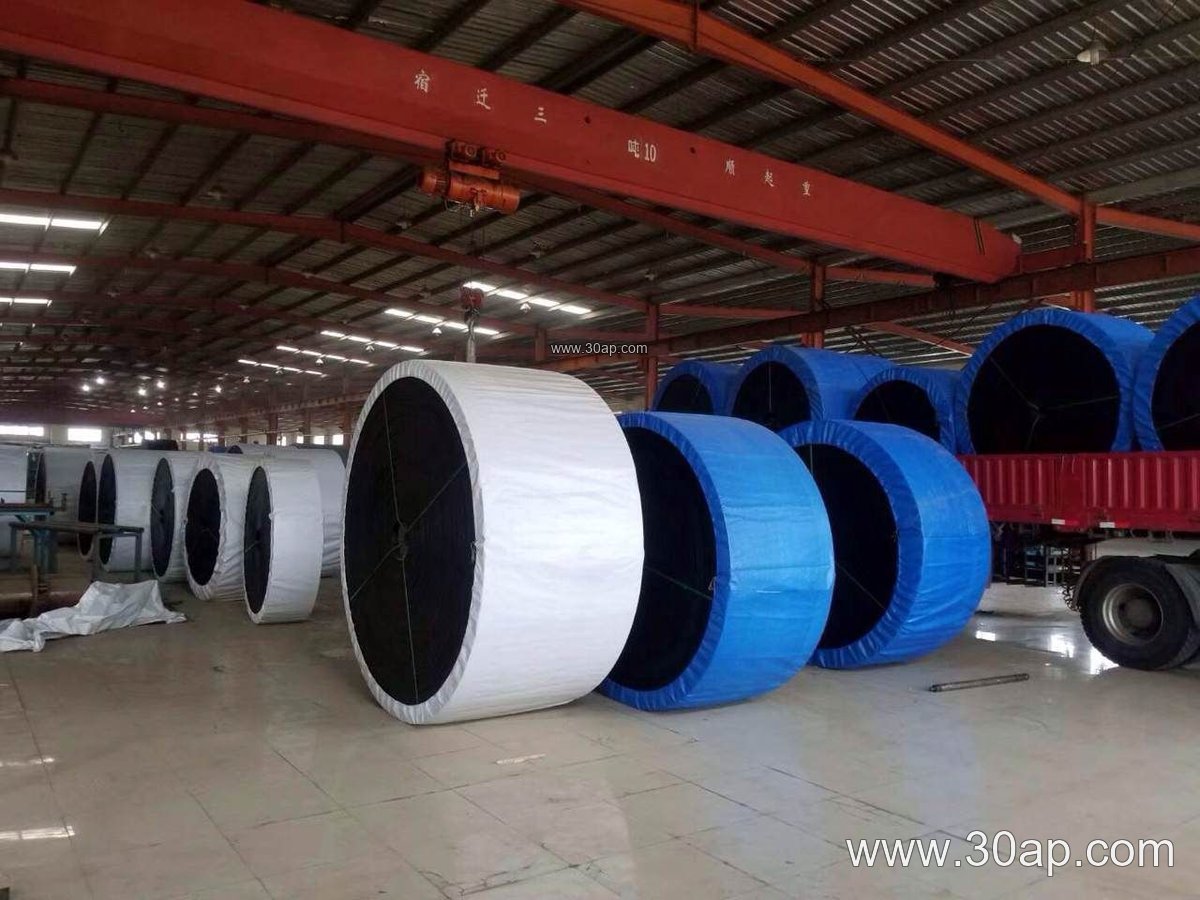
Typical Aggregate Belt Reference Data
The values below are common reference points, not a fixed supply rule. Final construction follows the conveyor design and the belt maker’s data.
Fabric Core Grades
- EP200, EP315, EP400: light to medium transfers, shorter centers
- EP500, EP630, EP800: main aggregate lines and screen feeds
- EP1000, EP1250, EP1600, EP2000: heavy-duty mining conveyor belt duty
Common Belt Widths
- B500, B650, B800: narrow transfers and mobile plant
- B1000, B1200: standard quarry and crusher conveyor belt lines
- B1400, B1600, B1800, B2000: high-tonnage primary and stockyard belts
Cover Thickness
- 3+1.5 mm: light screening and clean stone
- 4+2 mm: general aggregate duty
- 5+2 mm and 6+2 mm: crusher discharge and sharp rock
- 8+3 mm: severe impact and abrasion
Where It Fits in the Plant
The same belt type appears across mining, cement, power and construction sites. A coal mining conveyor belt may need flame retardant conveyor belt behavior, while a cement plant conveyor belt handles hot clinker with a heat resistant conveyor belt grade. In a stone crushing conveyor belt circuit, the aggregate belt links jaw or cone discharge to the screen, then carries screened fractions to stockpiles. Port conveyor belts and ship loading lines use wide belts at high capacity. A recycling conveyor belt handles mixed and often wet material, so cleaning and tracking matter as much as cover thickness.
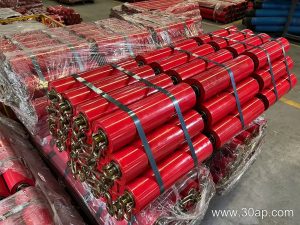
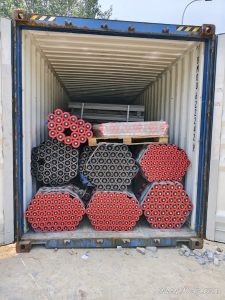
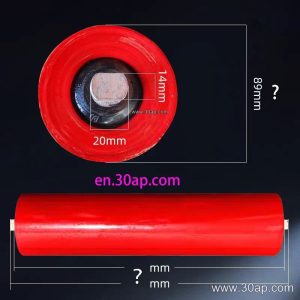
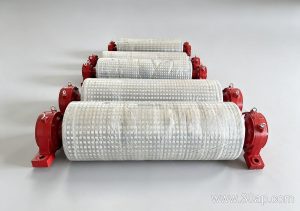
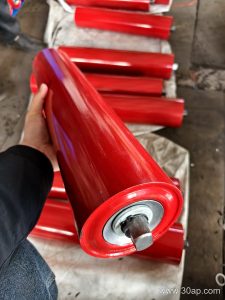
On every frame, the belt works with conveyor pulleys, idler rollers and conveyor brackets. Head, tail and bend pulleys each do a different job: the drive pulley transmits power, the tail pulley returns the belt, and a bend pulley changes direction. They are not interchangeable, and belt width alone does not fix pulley or shaft dimensions; those follow the conveyor design and the calculated tensions.
Selection and Maintenance Notes
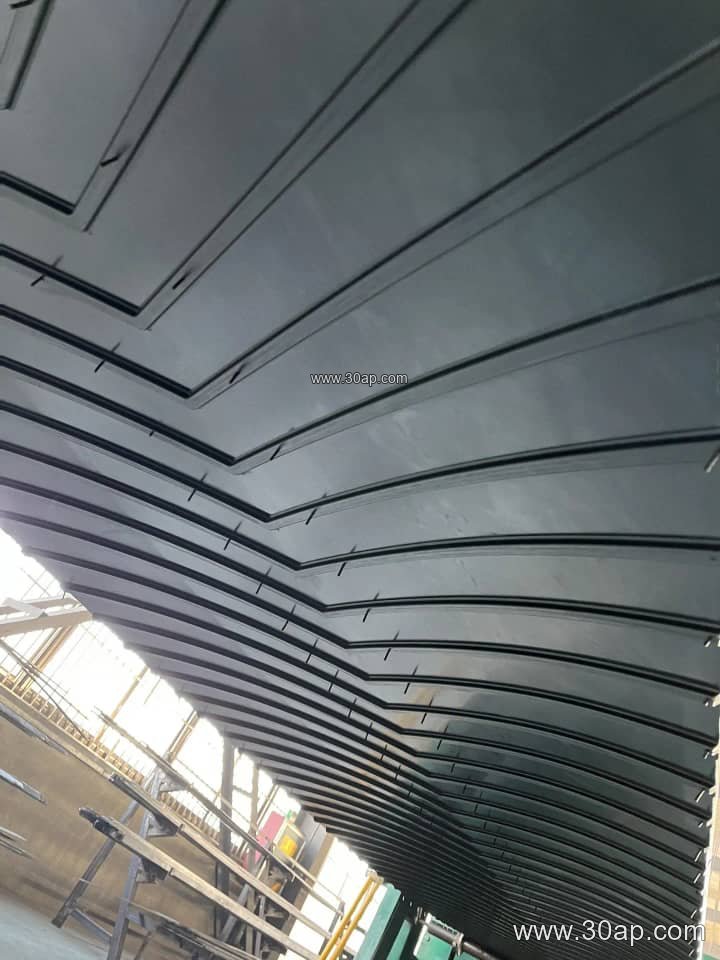
Match the belt to the largest lump, the drop height and the abrasion of the rock, then confirm the minimum pulley diameters from the belt maker’s data. Avoid mixing a heavy belt with small pulleys, and check that the take-up can absorb stretch. For cold sites, a cold resistant conveyor belt may be needed; for dusty, static-prone areas, an anti-static conveyor belt grade helps. Keep loading centered, maintain skirt rubber and avoid material build-up on return rollers, which is a common cause of edge damage and mistracking.
Buyers should ask for the carcass type, ply count, cover grade and cover thickness, belt width, splice method and the intended pulley diameters in writing. That package, rather than a single number, defines whether an aggregate conveyor belt will last in a quarry, mine or cement plant.