What a Mining Fire Resistant Conveyor Belt Is
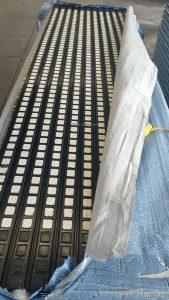
A Mining Fire Resistant Conveyor Belt is a heavy-duty conveyor belt built for hauling coal, ore, aggregate and other bulk materials in environments where flame spread and static discharge are serious concerns. It is not simply a standard rubber belt with a different label. The rubber compounds, the fabric or steel reinforcement, and the antistatic behaviour are all engineered together so the belt can keep material moving while reducing ignition risk along the conveyor line.
Buyers often meet this product under an equivalent name, the flame retardant conveyor belt, and the two terms are frequently used for the same family of belting. What matters is that the specification states fire resistance and antistatic properties clearly, because ordinary abrasion resistant or heat resistant conveyor belts do not automatically provide that protection.
How the Belt Is Built
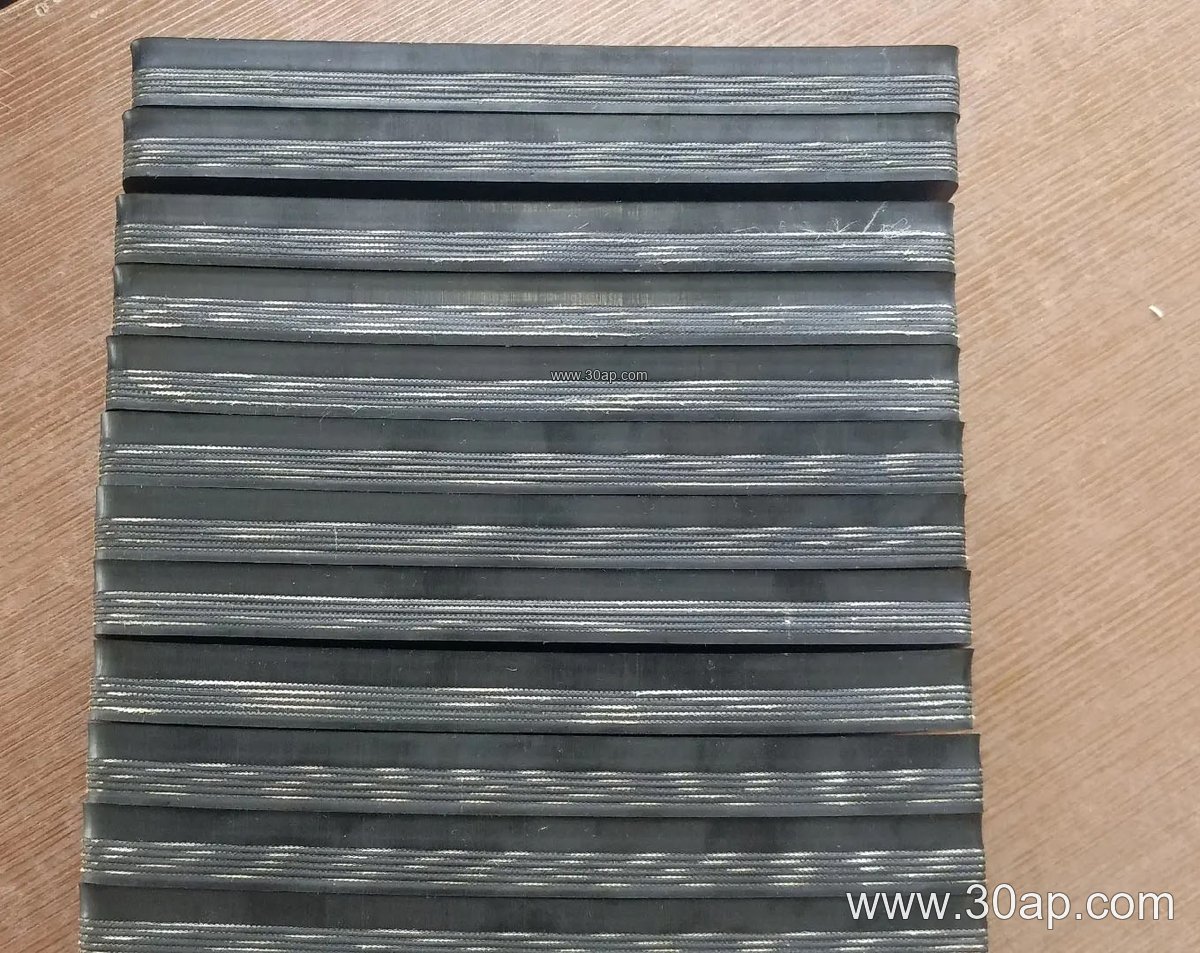
The construction follows the same basic logic as other fabric or steel reinforced belts, with fire safety added at every layer. A typical build includes:
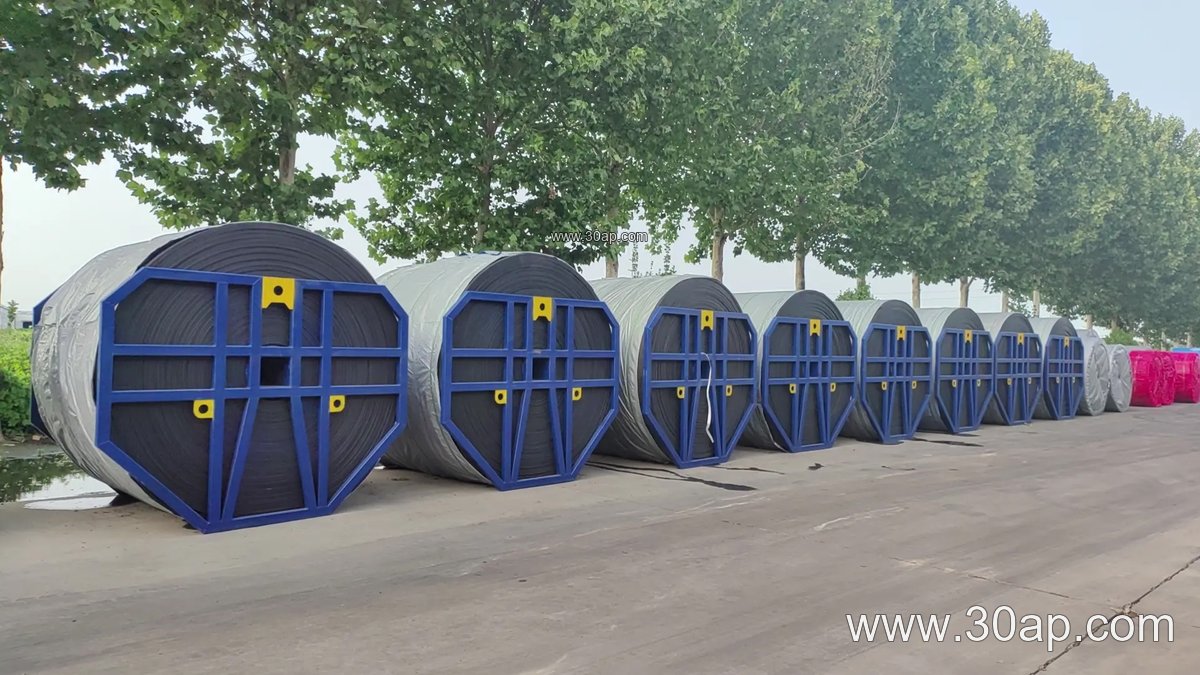
- Top and bottom cover rubber formulated for flame resistance and antistatic performance
- A carcass of EP fabric, NN fabric or steel cord, depending on the load and distance
- Skim rubber between plies to bond the layers and resist flex fatigue
- Optional forms such as chevron, corrugated sidewall or skirted edges for specific material handling needs
The carcass choice drives strength. An EP conveyor belt with multi-ply fabric core is common in coal mining and cement plants, while a steel cord conveyor belt is used where long runs and high tension demand it. Both can be supplied in fire resistant grades, but the fire performance depends on the compound and the finished belt, not on the carcass alone.
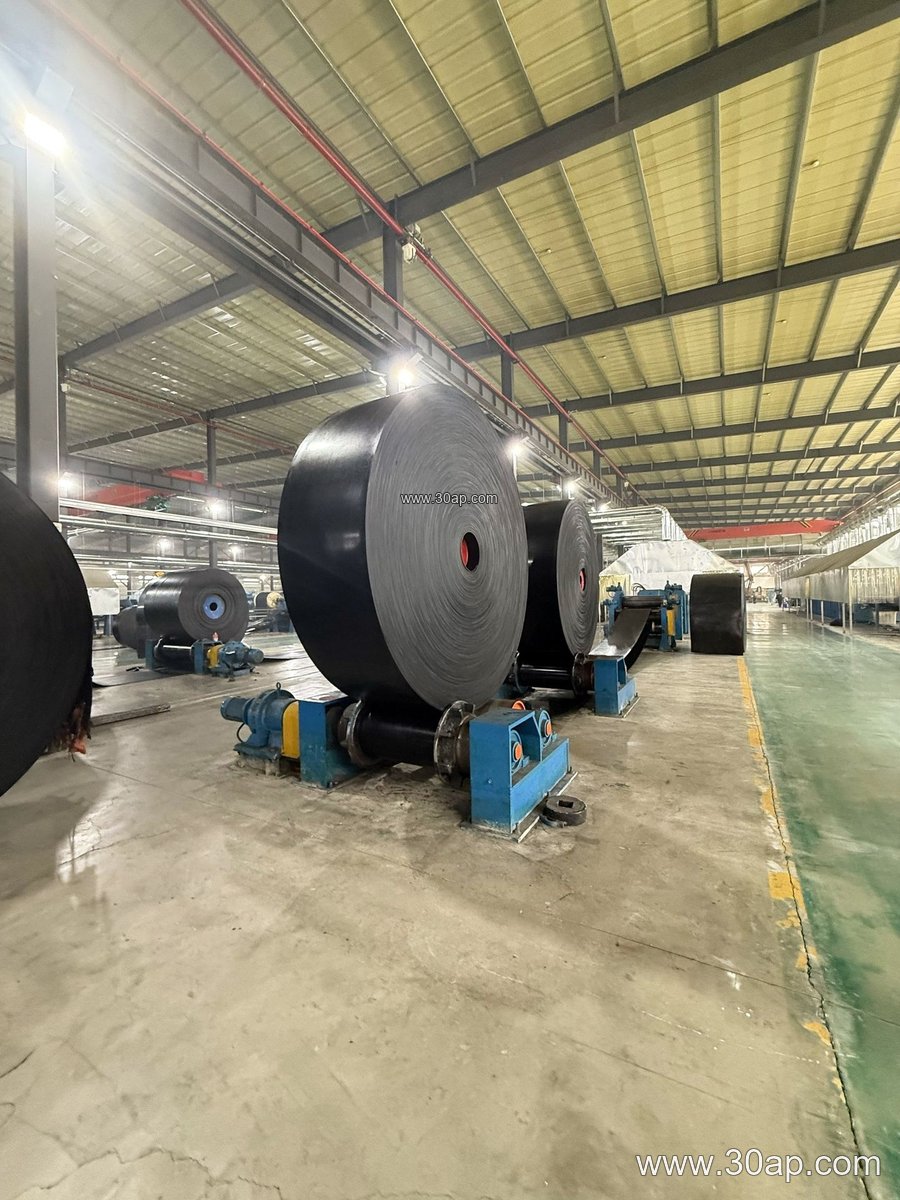
Typical Specifications
Values below are common reference ranges, and actual figures are set by the manufacturer and the project design. They should not be treated as fixed combinations.
| Parameter | Common reference range |
|---|---|
| Belt width | B500, B650, B800, B1000, B1200, B1400, B1600, B1800, B2000 |
| Fabric strength grades | EP200, EP315, EP400, EP500, EP630, EP800, EP1000, EP1250, EP1600, EP2000 |
| Cover rubber thickness | 3+1.5, 4+2, 5+2, 6+2, 8+3 mm |
| Carcass plies | Usually 2 to 6 layers for fabric core belts |
| Belt types | EP, NN, steel cord, PVC, PVG and specialty forms |
A 1200mm wide belt, for example, may be paired with different pulley diameters and idler roller layouts depending on the conveyor design. Belt width alone does not determine pulley shaft size or the number of plies, so the conveyor engineer should confirm those details.
Where It Is Used
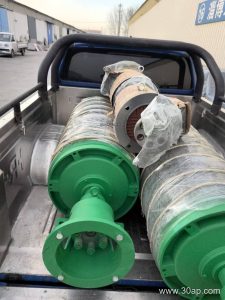
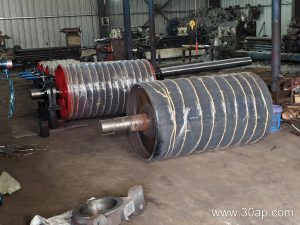
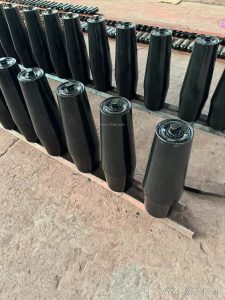
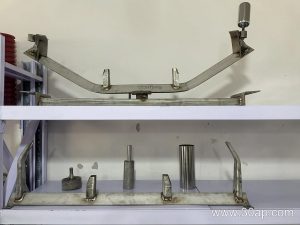
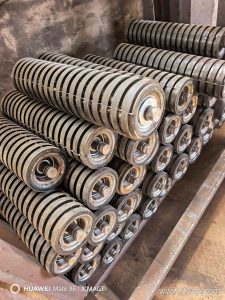
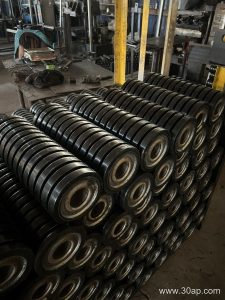
The most demanding applications are underground coal mining conveyor systems, where methane, coal dust and limited ventilation make flame spread control essential. The same belting appears in power plant coal handling, cement plant raw material and clinker lines, and quarry or aggregate operations where dust and friction are constant. In these settings the belt works alongside conveyor pulleys, idler rollers and conveyor brackets that must also be rated for the duty.
Fire resistance is not a substitute for other protections. A mine may still need an abrasion resistant conveyor belt for sharp rock, a heat resistant conveyor belt near hot material, or an oil resistant conveyor belt where lubricants and fuel are present. Each requirement should be stated separately so the supplier can balance the compound.
What Buyers Should Check
Before ordering, confirm the fire and antistatic performance in writing, along with the carcass type, number of plies, cover thickness and belt width. Ask how the belt behaves at the drive pulley, tail pulley and bend pulley, and whether the splice method is compatible with the application. For underground work, check that the flame retardant conveyor belt grade matches the site rules. For long overland runs, review the tension rating and consider whether a steel cord or high strength fabric design is more suitable.
Maintenance also affects safety. Worn covers, exposed fabric and damaged edges reduce both strength and fire performance, so regular inspection of the belt, idler roller alignment and pulley condition is part of keeping the system reliable. A belt that is correctly specified for the mine, cement works or power station will last longer and reduce the risk of unplanned stoppages.