What an Impact Resistant Conveyor Belt Is
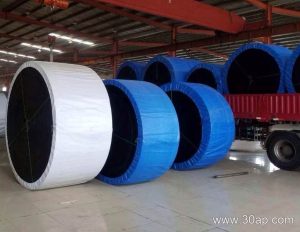
An impact resistant conveyor belt is a heavy-duty conveyor belt built to absorb the shock of sharp, heavy, and fast-falling material without cracking, puncturing, or delaminating. It is the belt of choice wherever rock, ore, clinker, or crushed stone drops onto the conveyor from a significant height, such as at a crusher discharge or a transfer chute. Rather than one fixed product, the term describes a design approach: a reinforced carcass combined with a thick, energy-absorbing top cover and, often, additional breaker plies beneath it.
The same product is also called a shock-absorbing belt or a high-impact conveyor belt. These are equivalent names for the same article, not different categories of belt. A lubricant-resistant or heat-resistant conveyor belt solves a different problem and should not be confused with impact protection.
How the Belt Is Built
Impact protection comes from the interaction of three layers.
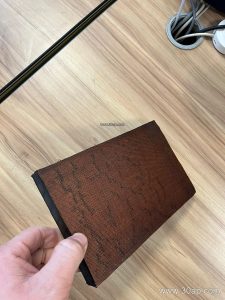
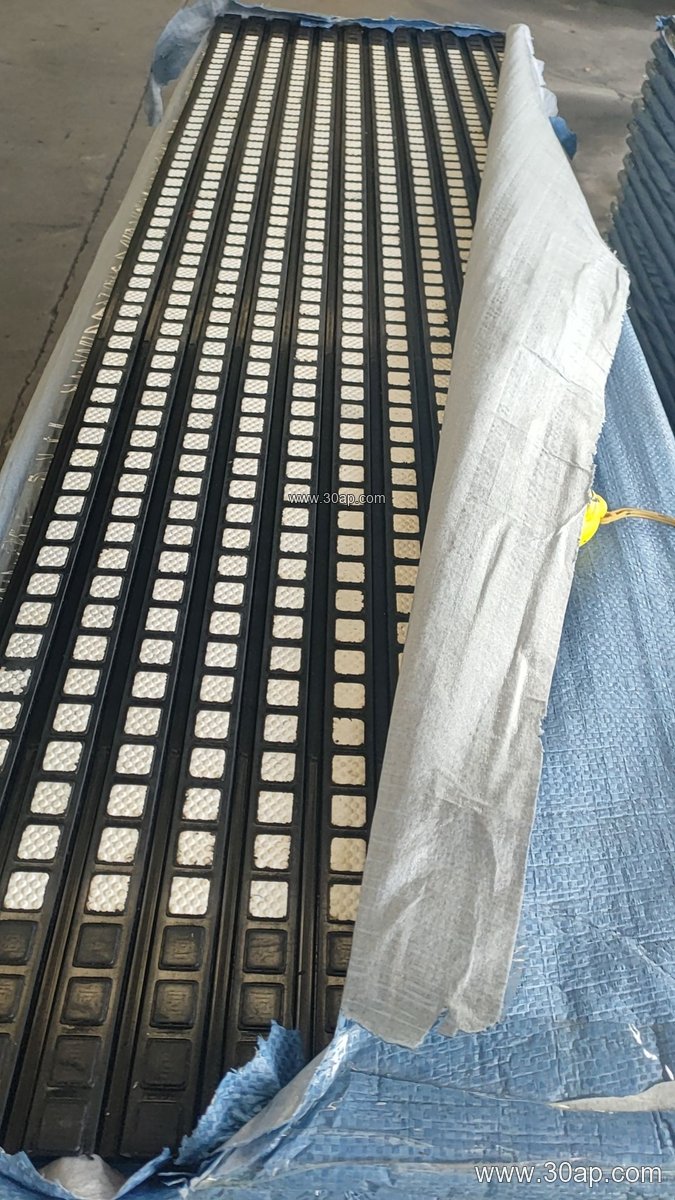
- Top cover: usually a thick rubber layer, often 6+2 mm, 8+3 mm, or heavier, with high tear strength to spread point loads.
- Breaker layer: a reinforced fabric or cord ply placed directly under the cover to resist cuts and puncture.
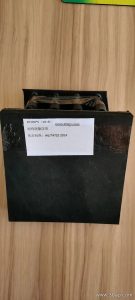
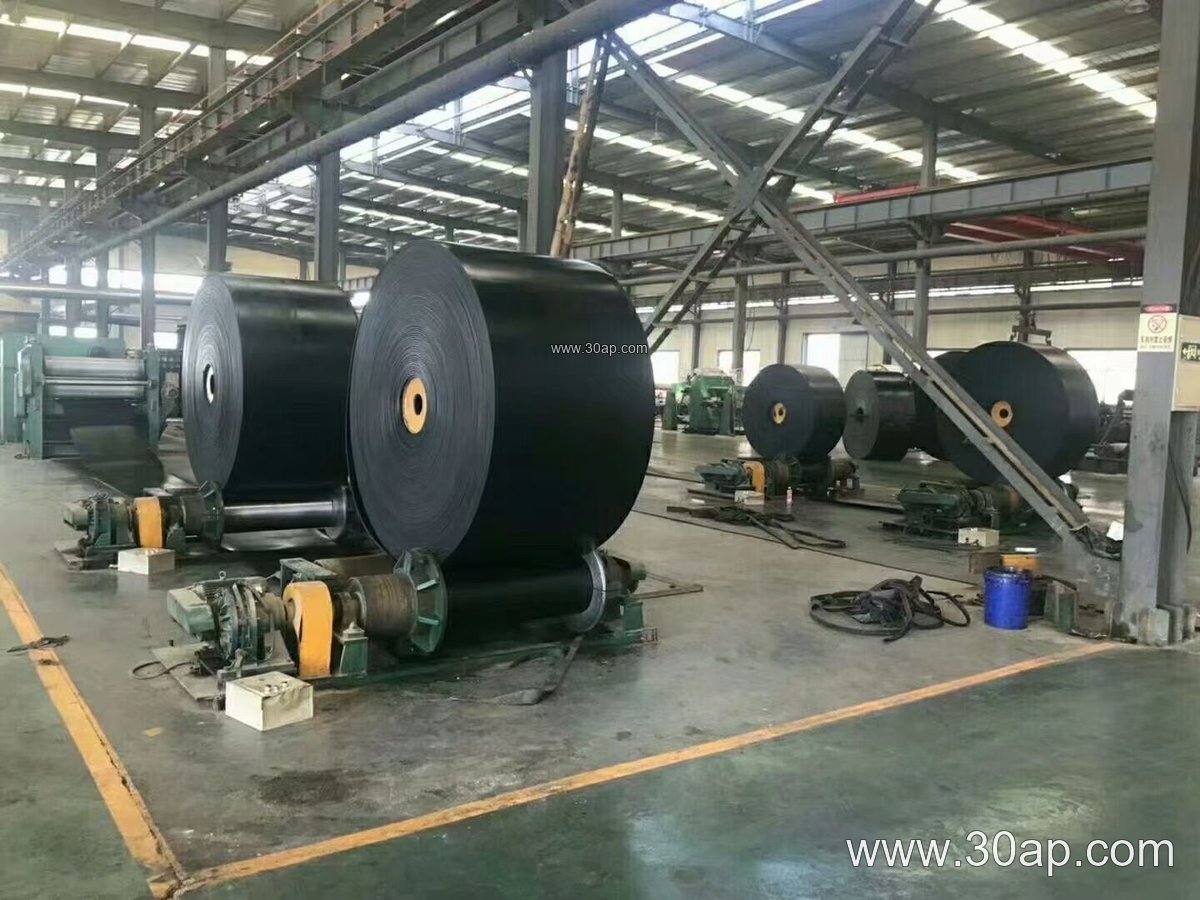
- Carcass: the load-bearing body, commonly an EP conveyor belt or NN conveyor belt with 2 to 6 plies, or a steel cord conveyor belt for very long runs and high tensions.
For underground coal work, a PVG conveyor belt or PVC belt may be specified where flame retardancy is required. In all cases the cover grade should match the duty: an abrasion resistant conveyor belt cover for sharp aggregate, and a flame retardant conveyor belt cover where fire safety rules apply.
Typical Specifications
Values below are common reference ranges; final construction is set by the conveyor design and the belt maker.
| Parameter | Common range |
|---|---|
| Belt width | B500, B650, B800, B1000, B1200, B1400, B1600, B1800, B2000 |
| Carcass type | EP, NN, steel cord, PVG |
| Strength grade | EP200 to EP2000; ST1000 to ST3150 |
| Cover thickness | 3+1.5, 4+2, 5+2, 6+2, 8+3 mm |
| Ply count | 2 to 6 (fabric core) |
A 1200mm wide belt with an EP1000 carcass and a 6+2 mm cover is a typical combination for a primary crusher discharge. Wider belts such as 1800mm or 2000mm appear on high-capacity trunk conveyors, while a 650mm or 800mm unit suits smaller transfer points.
Where It Is Used
The belt fits any duty where material falls hard onto the line.
- Mines and quarries: ore, rock, and overburden at crusher outlets.
- Cement plants: clinker and limestone transfer.
- Power plants: coal receiving and yard conveyors.
- Steel plants and ports: sinter, coke, and bulk cargo.
- Sand and gravel yards: crushed stone and aggregate.
In these circuits the belt works alongside conveyor pulleys, idler rollers, and conveyor brackets, and its impact resistance reduces downtime at the very points where damage is most likely.
Buyer Checklist
Before ordering, gather the following:
- Maximum lump size and drop height at the loading point.
- Throughput and belt speed, which set the required width and strength grade.
- Material abrasiveness and temperature, to choose the right cover compound.
- Fire or anti-static requirements for underground or dusty service.
- Pulley diameters and trough angles, so the belt flexes correctly.
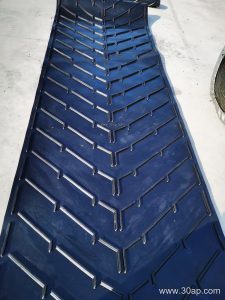
Confirm that the selected belt width matches the pulley face and that the cover thickness is enough for the impact energy. For extreme drop points, consider a corrugated sidewall belt or a skirted belt to contain material, but these are separate designs and do not replace the impact belt on the main haul.
Installation and Care
Impact damage often starts at the loading zone. Keep impact idler rollers and skirt rubber in good condition, maintain the discharge chute so material falls centrally, and avoid over-tensioning. Inspect the cover for cuts and re-lag transfer points when wear appears. A well-matched impact belt, paired with sound conveyor pulleys, idler rollers, and brackets, gives long service in the toughest mining, cement, and power plant circuits.