What a Comb Return Idler Does
A comb return idler is a return-side conveyor roller built with a series of spaced discs or rings along its shaft instead of one continuous cylindrical shell. On a conventional flat return idler, fines, damp dust and sticky material often cling to the roller face and build up until the belt tracks poorly. The comb design breaks that contact into narrow strips, so material tends to fall away between the discs rather than wrapping around the roller. In a quarry, a coal preparation plant or an aggregate line where the belt comes back carrying a thin film of moist fines, this self-cleaning behavior is the main reason buyers ask for the comb type.
The product is also called a comb-type return roller or disc return idler. It is a return-side component, not a substitute for a grooved carrying idler, a buffer idler or a self-aligning idler, and it should not be confused with a drive pulley, tail pulley or bend pulley, which transmit or redirect belt tension rather than support the returning belt.
Construction and Typical Build
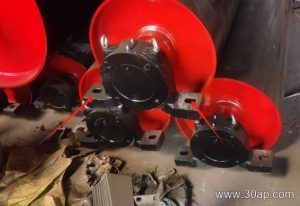
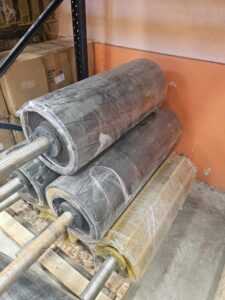
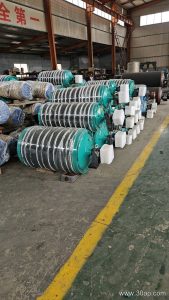
The usual arrangement is a through shaft carrying a stack of rubber, polyurethane or steel discs separated by spacers. The shaft ends fit into bearing housings that sit in the conveyor bracket, and the discs are clamped so the assembly stays rigid under belt load. Because the discs are individually replaceable on some designs, maintenance in a dusty cement plant or a power station coal yard can be limited to worn rings rather than a complete roller change.
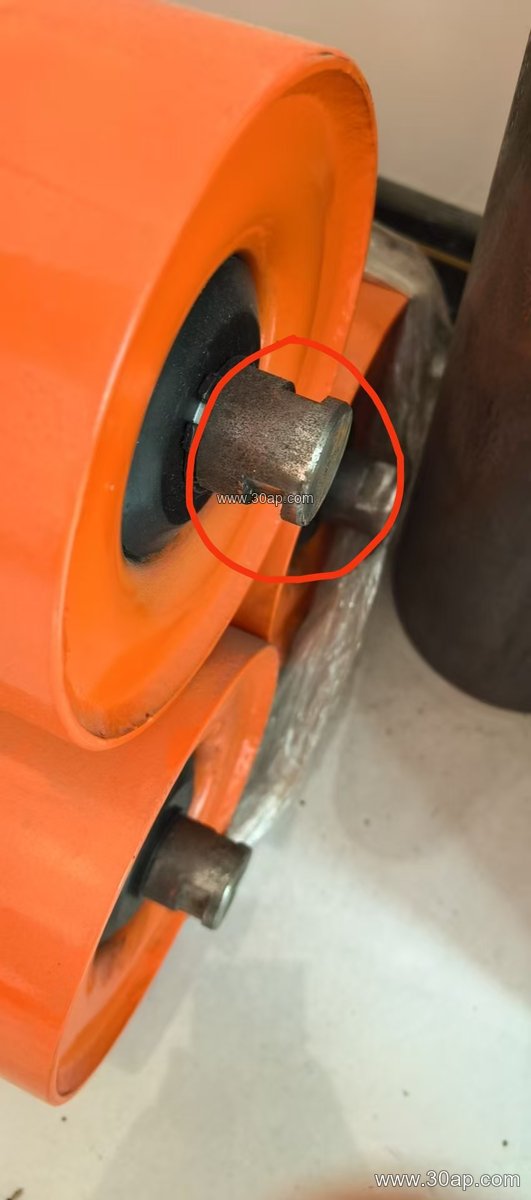
Sealing matters as much as the disc pattern. Labyrinth seals and good bearing protection keep grit out of the bearing cavity, which is where most return idler failures begin. Common bearing sizes used in this class of roller include 6204, 6205, 6305, 6306, 6308 and 6310, matched to the shaft and load rather than to belt width alone.
Where It Fits on the Conveyor
The comb return idler is mounted under the returning belt, normally on the same stringer line as flat return idlers. In a crushing and screening circuit it is often placed just behind the head pulley, where the belt is still shedding dust and small stones. In a tunnel mucking operation or a fertilizer handling line, it can be used where the return strand is exposed to drips and sticky residue.
- Return strand support with reduced wrap build-up
- Positions after the discharge point where carryback is heaviest
- Replaceable-disc designs for long service intervals
- Compatible with standard conveyor bracket spacing when ordered to the same drop height
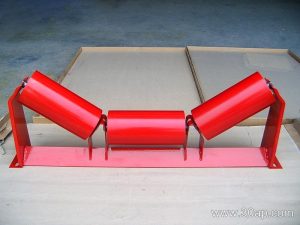
Where the belt needs centering on the return run, a V-shaped return idler or a self-aligning return roller may be the better choice. The comb roller is chosen for cleaning and material release, while the V-return and training idlers address tracking. On a long overland conveyor, the two functions are sometimes handled by different stations rather than one roller.
Reference Dimensions and Selection Points
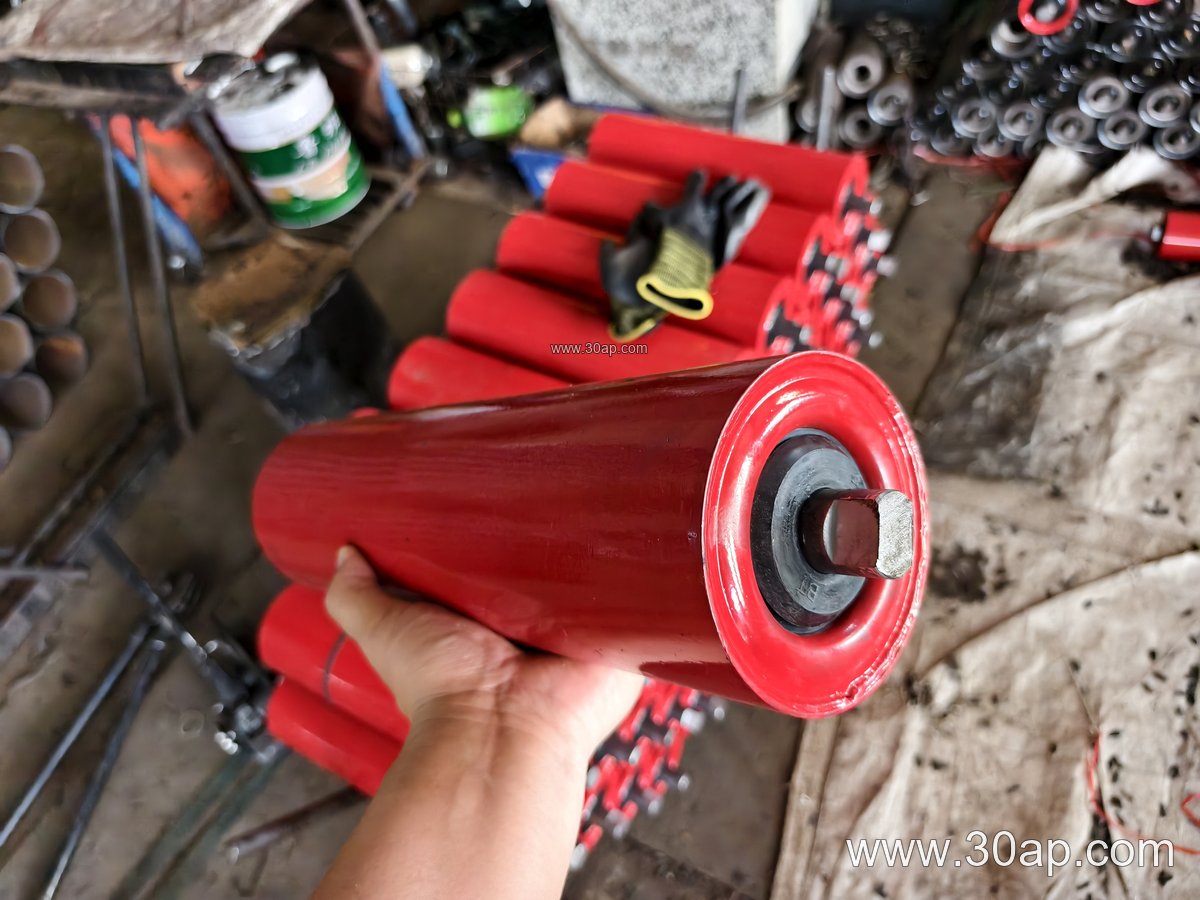
Sizes are project-specific, but the table below shows common reference ranges that help in early planning. Values are typical examples, not fixed pairings, and the final roller length follows belt width, trough geometry and the return idler frame design.
| Reference item | Common range or example | Note |
|---|---|---|
| Roller diameter | Ø89, Ø102, Ø108, Ø127, Ø133, Ø159 mm | Selected by belt load and speed |
| Belt width | B500 to B2000 | Roller length follows frame design |
| Example roller length, B650 | about 250 mm | Common three-roll trough reference; return length differs |
| Example roller length, B1000 | about 380 mm | Confirm with the return frame |
| Example roller length, B1400 | about 530 mm | Confirm with the return frame |
| Disc material | Rubber, polyurethane, steel | Rubber suits sticky fines; steel suits coarse rock |
| Bearing | 6204, 6205, 6305, 6306, 6308, 6310 | Matched to shaft and duty |
Buyers should confirm the shaft diameter, bearing type, disc spacing and mounting drop height with the conveyor frame drawing. A roller that fits one bracket may not fit another, and the comb pattern should match the material: wide spacing releases lumpy spoil, while closer discs handle fine, damp dust. Specify the ambient conditions in a coal yard, a copper mine or a concrete batching plant, because moisture and abrasive fines change the seal and disc choice.
Maintenance and Buying Checklist
Inspect the discs for wear and glazing, check that the roller turns freely by hand, and look for grease weeping at the bearing housings. Replace worn rings before they expose the shaft, and keep the return strand free of spilled material that can bury the roller. When ordering, give the belt width, the return frame drawing, the required roller diameter and the material being handled. Ask for the bearing designation and seal type in writing, and confirm whether the discs are replaceable or the unit is supplied as a sealed assembly. Treated as a cleaning component rather than a generic support roller, a comb return idler keeps the return run of a conveyor belt in mines, ports and processing plants running with less carryback and fewer tracking problems.