What a Belt Guide Roller Does
A belt guide roller is a small but important component in a conveyor system. It sits close to the edges of the conveyor belt and helps keep the belt centered as it moves. Unlike a standard idler roller that mainly supports the belt and the material load, a guide roller focuses on lateral control. In many plants, this part is also called a belt aligning roller or a self-aligning roller, though the exact name can vary by supplier and region.
When a conveyor belt starts to drift to one side, the belt guide roller applies a gentle correcting force. This reduces edge damage, spillage, and unnecessary wear on the belt and the conveyor pulley. It is a simple mechanical solution, but it can make a real difference in uptime and maintenance cost.
How It Is Built
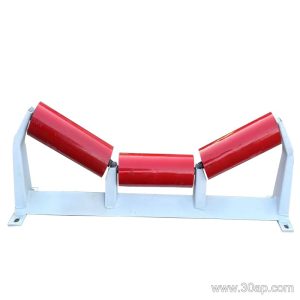
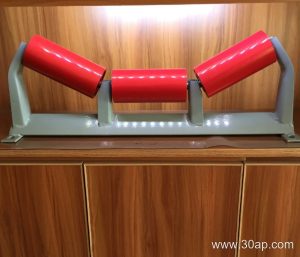
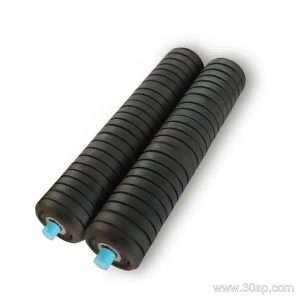
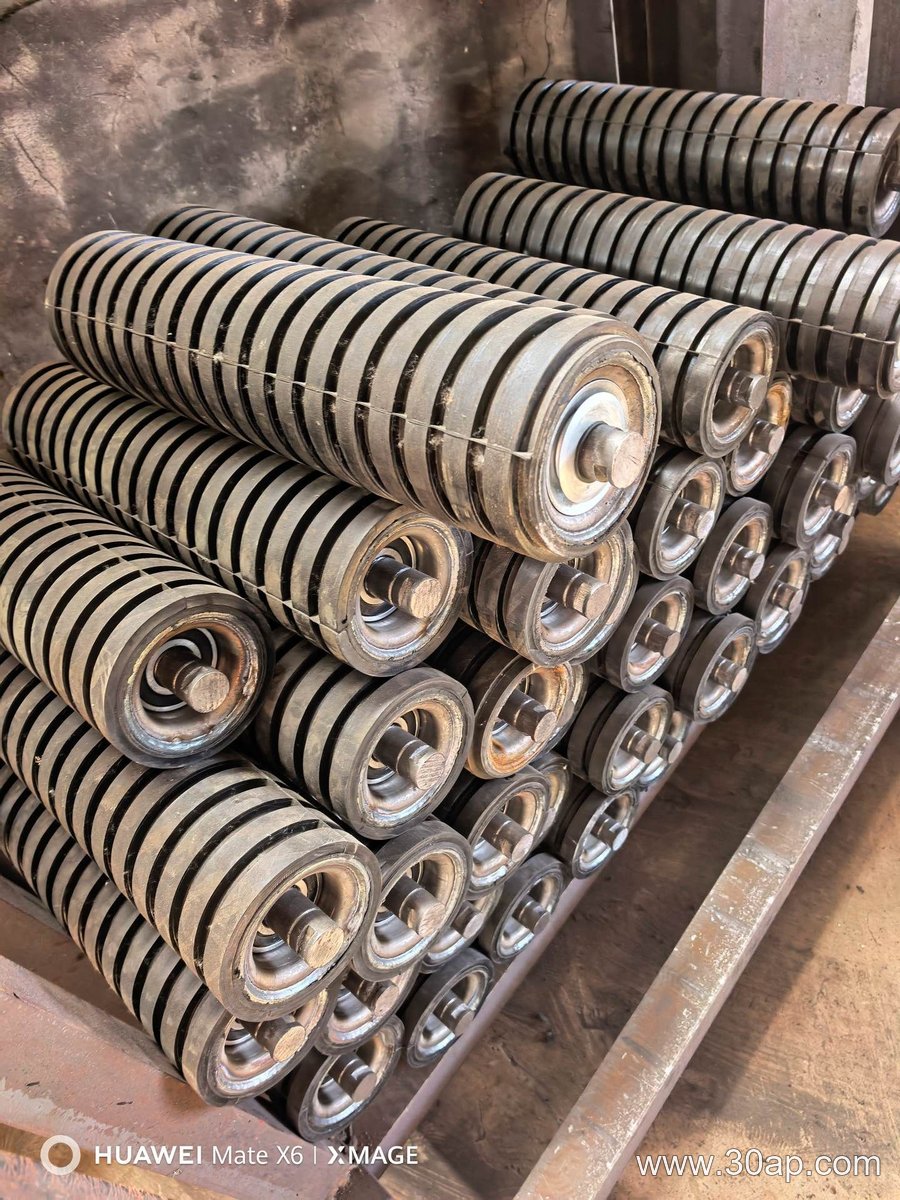
Most belt guide rollers share a similar structure with other conveyor rollers. They have a cylindrical shell, a shaft, bearing housings, and seals. The shell is often made of steel tube, but nylon, rubber, or ceramic surfaces are also available for different working conditions. The bearings are usually deep groove ball bearings, with common sizes such as 6204, 6205, 6305, 6306, 6308, and 6310. The bearing size should match the load and speed requirements, not just the roller diameter.
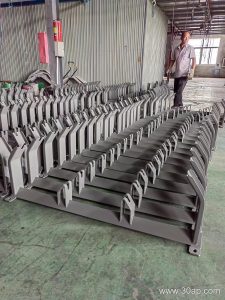
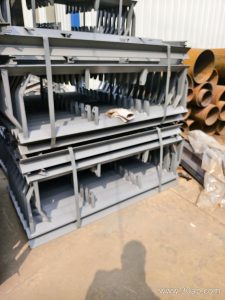
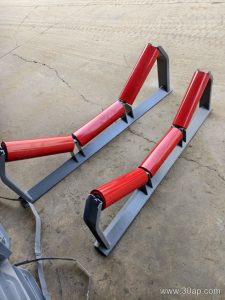
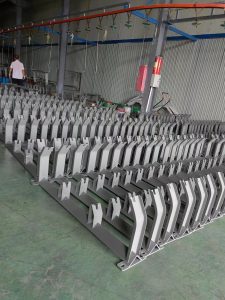
Guide rollers may be designed as vertical rollers mounted on the sides of the belt, or as angled rollers that contact the belt edge. Some designs include a bracket that allows adjustment. The conveyor bracket is often bolted to the conveyor frame, and the roller position can be fine-tuned to suit the belt width and the specific tracking problem.
Where It Is Used
Belt guide rollers appear in many bulk material handling industries. In a coal mine or a coal preparation plant, they help keep the conveyor belt on track when the load is uneven. In a cement plant, they are used on clinker and limestone conveyors where dust and high temperatures can affect belt behavior. In a power plant coal handling system, they support reliable belt tracking on long transfer lines. Sand and gravel plants, iron ore mines, and port loading facilities also use them regularly.
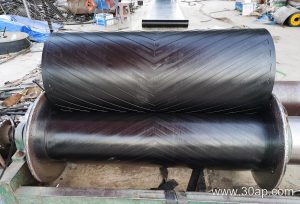
They are not a replacement for drive pulleys, tail pulleys, or bend pulleys. Those pulleys transmit power or change the belt direction. A belt guide roller only corrects the belt path. In some systems, a training idler or a return roller may also help with tracking, but the guide roller is specifically placed for edge control.
Common Types and Configurations
Belt guide rollers come in several forms. A vertical guide roller is mounted upright and touches the belt edge. A horizontal guide roller is placed under the belt edge or against the side. Some are spring-loaded to maintain contact as the belt moves. Others are fixed and rely on precise alignment.
For reference, common roller diameters include Ø63, Ø76, Ø89, Ø102, Ø108, Ø127, Ø133, Ø159, Ø178, Ø194, and Ø219. The correct diameter depends on the belt speed, load, and available space. Belt widths often range from B400 to B2400, and the guide roller length should be selected according to the belt width and the mounting position. There is no fixed rule that one belt width must use one specific roller diameter.
Selection Points for Buyers
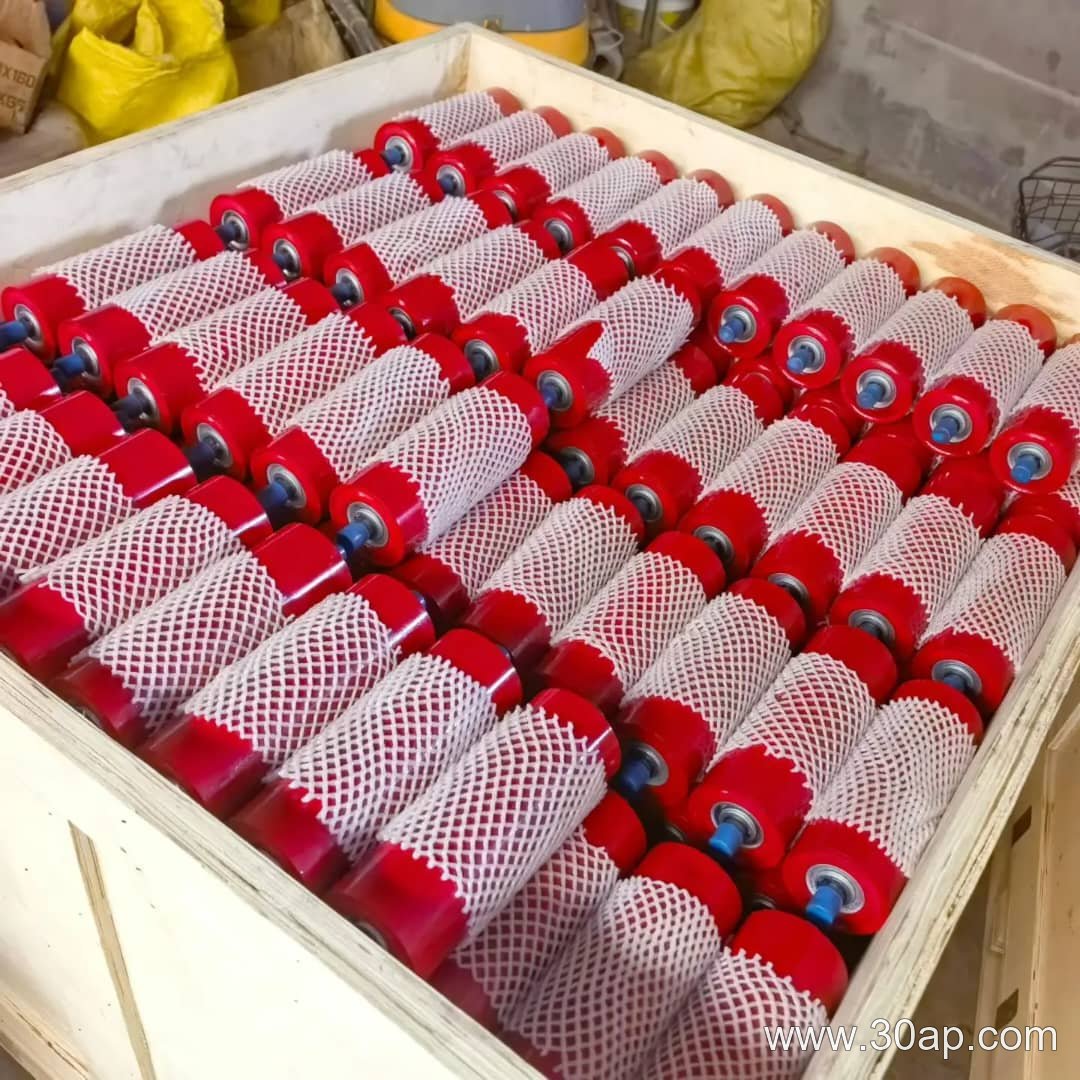
When choosing a belt guide roller, consider the belt width, the conveyor speed, and the material being handled. In a dusty or wet environment, choose a roller with good sealing and a corrosion-resistant surface. In a high-temperature area, such as a cement plant or a sinter plant, confirm the roller materials can handle the heat. For abrasive materials like iron ore or crushed stone, a ceramic or rubber-covered roller may last longer than a plain steel one.
Also check the mounting method. The roller must fit the existing conveyor bracket and allow easy adjustment. The shaft diameter and bearing type should match the load. If the belt is already damaged or badly misaligned, a guide roller alone may not solve the problem; the entire conveyor alignment, pulley condition, and idler spacing should be reviewed.
Maintenance and Inspection
Belt guide rollers should be inspected during regular conveyor maintenance. Check for smooth rotation, seal condition, and any signs of wear on the roller surface. A seized or damaged guide roller can rub against the belt and cause rapid edge wear. Replace worn rollers promptly and keep spares on hand for critical conveyors.
Properly installed and maintained, a belt guide roller helps a conveyor belt run straight, reduces downtime, and extends the life of the belt and related components. It is a small part, but in a busy quarry, mine, or processing plant, it plays a practical role in keeping material moving.