What a Conveyor Loading Point Impact Idler Does
At the transfer point where material drops onto a conveyor belt, the belt takes a beating. A Conveyor Loading Point Impact Idler is a heavy-duty idler roller positioned directly under that impact zone. Its job is to absorb the energy of falling rock, ore, aggregate, or coal and protect the belt from cuts, punctures, and premature wear. Unlike a standard carrying idler, this impact idler is built with resilient components that cushion the load and keep the belt tracking smoothly through the loading area.
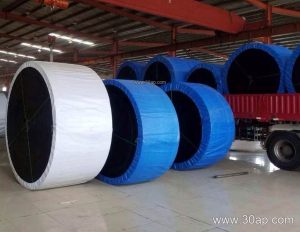
In a quarry conveyor line or a coal mining conveyor system, the loading point is often the most vulnerable section. A well-chosen impact idler reduces downtime and extends the service life of the conveyor belt, especially when paired with a robust rubber conveyor belt or an abrasion resistant conveyor belt.
Construction and Key Components
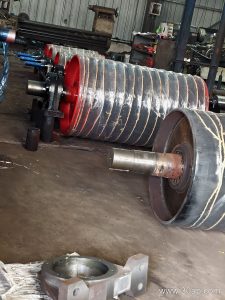
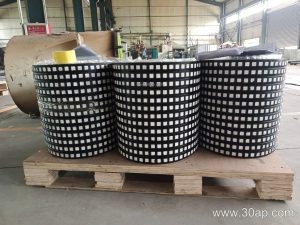
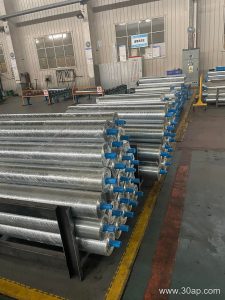
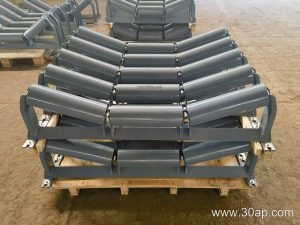
The typical impact idler uses a steel tube body fitted with rubber rings or discs that sit proud of the metal surface. These rubber rings are the first contact point for the belt and provide the cushioning effect. Inside, the bearing assembly is selected to handle shock loads and continuous operation. Common bearing sizes include 6205, 6305, 6306, and 6308, though the exact match depends on the idler diameter and load rating, not on belt width alone.
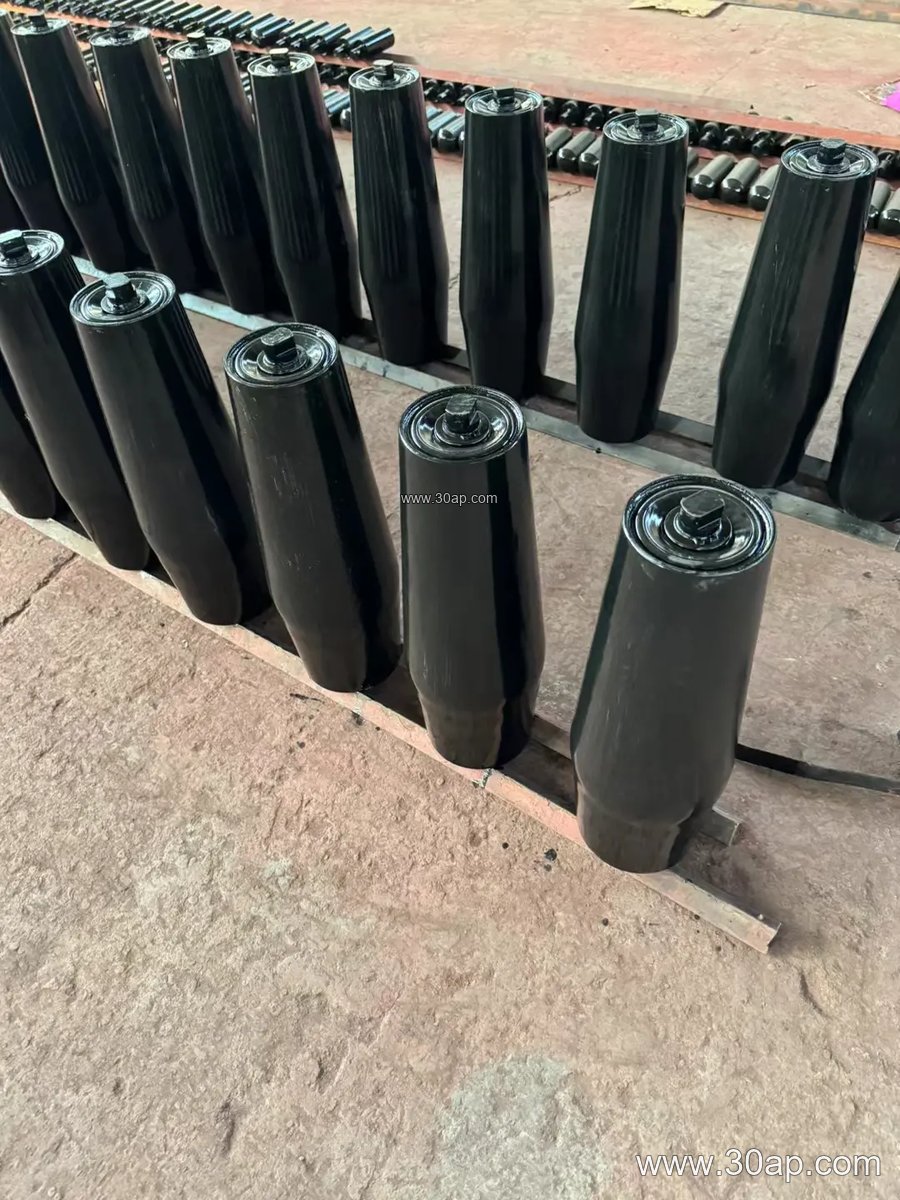
Roller diameters for impact idlers often range from Ø89 mm up to Ø159 mm or larger, with Ø127 mm and Ø133 mm being common in medium-duty applications. The frame that holds the idlers—often a three-roll troughing set—is mounted on a sturdy conveyor bracket that can withstand vibration. The trough angle may be 20, 30, 35, or 45 degrees, and the roll length varies with belt width and trough configuration. For example, a three-roll troughing set on a B1000 belt might use a center roll of about 380 mm, but side rolls can differ. These are reference examples, not fixed rules.
Where Impact Idlers Fit in the Conveying System
You will find Conveyor Loading Point Impact Idlers in mines, cement plants, power station coal yards, and aggregate crushing circuits. In a limestone quarry, the primary crusher discharge often feeds a belt directly, and impact idlers are installed in the first few meters to catch the drop. In a coal handling plant, they protect the belt from lump coal and reduce the risk of belt damage during bunker loading.
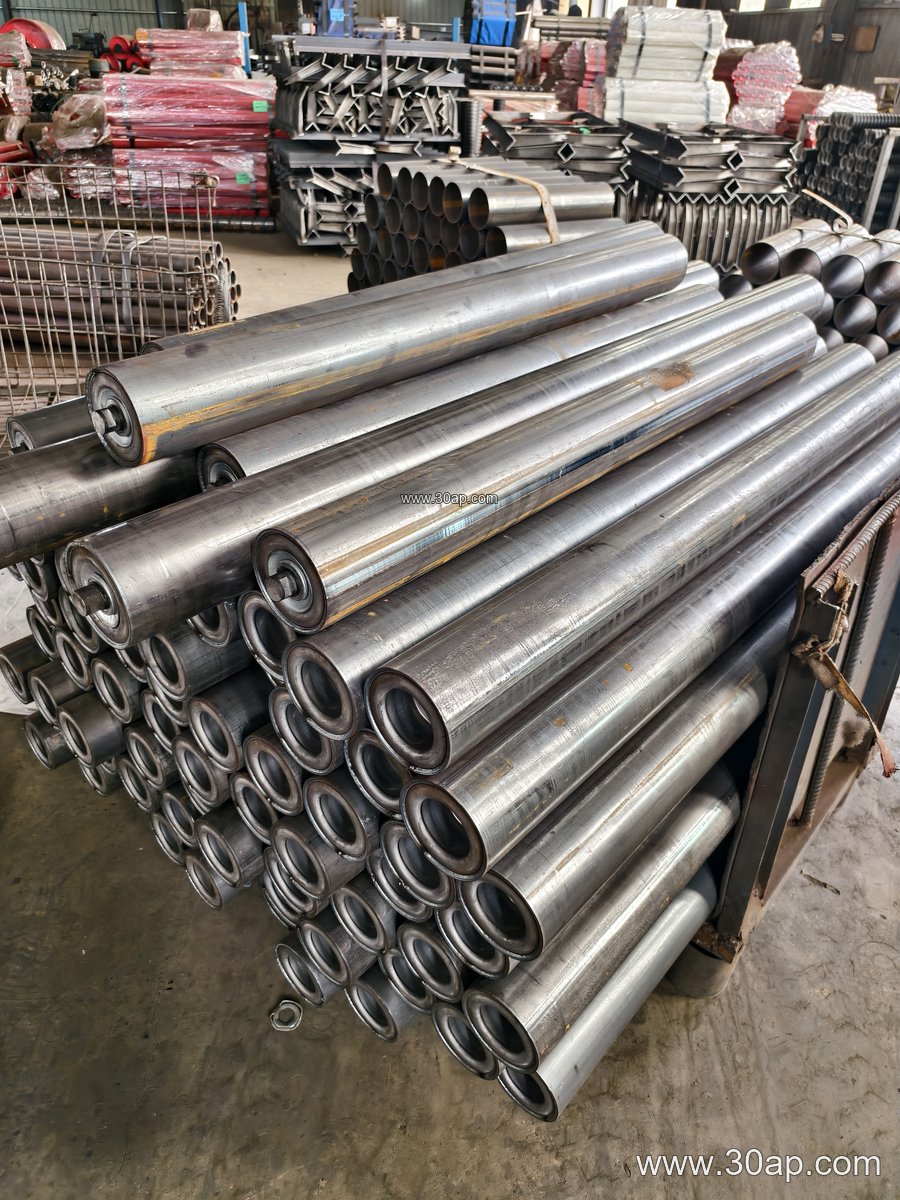
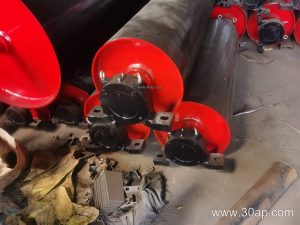
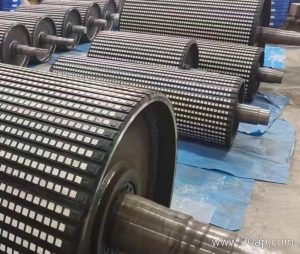
They are not a substitute for a drive pulley, tail pulley, or bend pulley—those are different components with distinct roles in power transmission and belt routing. Impact idlers belong to the carrying side, usually in a troughing arrangement, and work alongside other idler types such as return idlers and training idlers. When the conveyed material is heavy and sharp, pairing impact idlers with a heavy-duty mining conveyor belt or a high abrasion resistant conveyor belt makes sense.
Selection and Sizing Notes
Buyers should consider the drop height, material lump size, throughput, and belt width when specifying an impact idler. A conveyor belt such as an EP200 or EP300 fabric core belt may need different cushioning than a steel cord conveyor belt like ST1600 in a high-tonnage primary crushing station. The idler’s rubber ring hardness and thickness also matter: softer rings absorb more energy but may wear faster under very sharp rock.
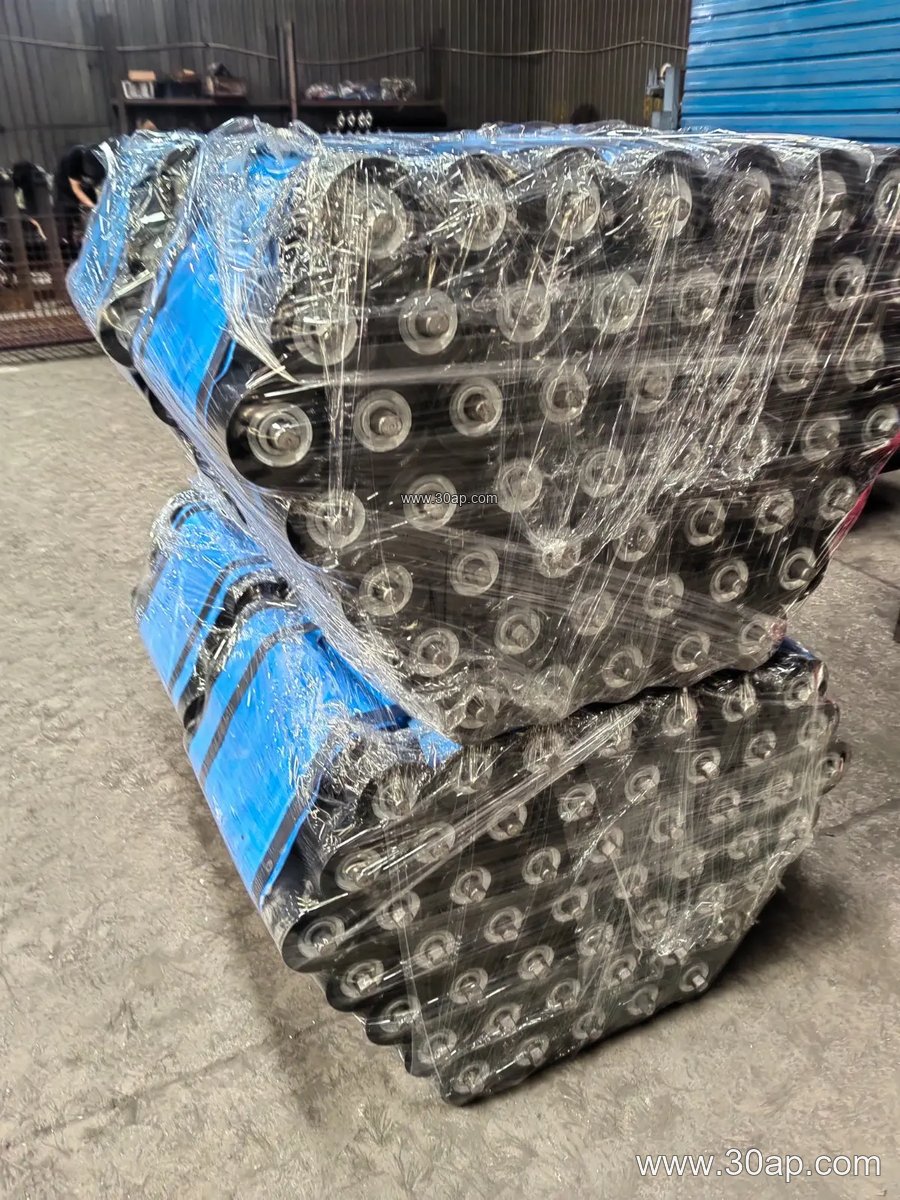
Common belt widths for impact idler selection include B500, B650, B800, B1000, B1200, B1400, and B1600. The idler roll length should match the troughing set and belt width. For instance, a three-roll 35-degree trough on a B1200 belt might use a center roll around 465 mm, but always confirm with the conveyor design. Bearing selection should follow the actual load and speed, not a guessed shaft diameter from belt width.
Maintenance and Buyer Checklist
Impact idlers need periodic inspection for rubber ring wear, bearing play, and frame alignment. Worn rings reduce cushioning and can allow the belt to contact the steel tube, leading to belt damage. Check that the idler rotates freely and that the bracket bolts remain tight. In dusty environments like a cement plant or a coal yard, sealed bearings help keep contaminants out.
When ordering, ask for the idler diameter, roll length, trough angle, bearing type, and rubber ring specification. Do not assume one belt width locks you into one pulley diameter or one shaft size—those are separate design decisions. A practical approach is to share your conveyor layout, material characteristics, and belt type with the supplier so the impact idler matches the loading point conditions.
For more information on conveyor components, visit chinabeltconveyor.com and explore related equipment such as conveyor idler and conveyor pulley options for your bulk handling project.