What an Integral Pulley Is
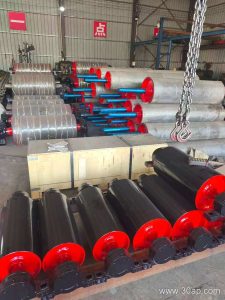
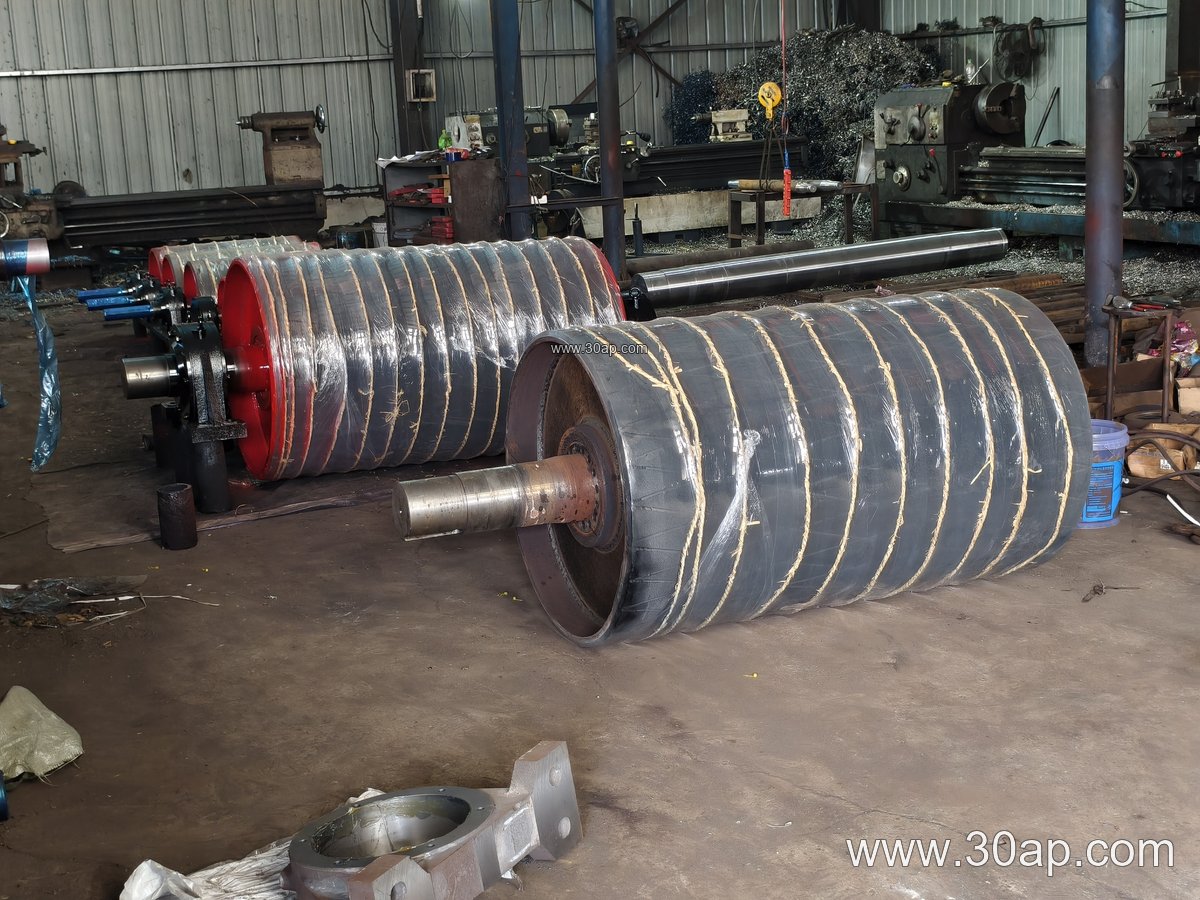
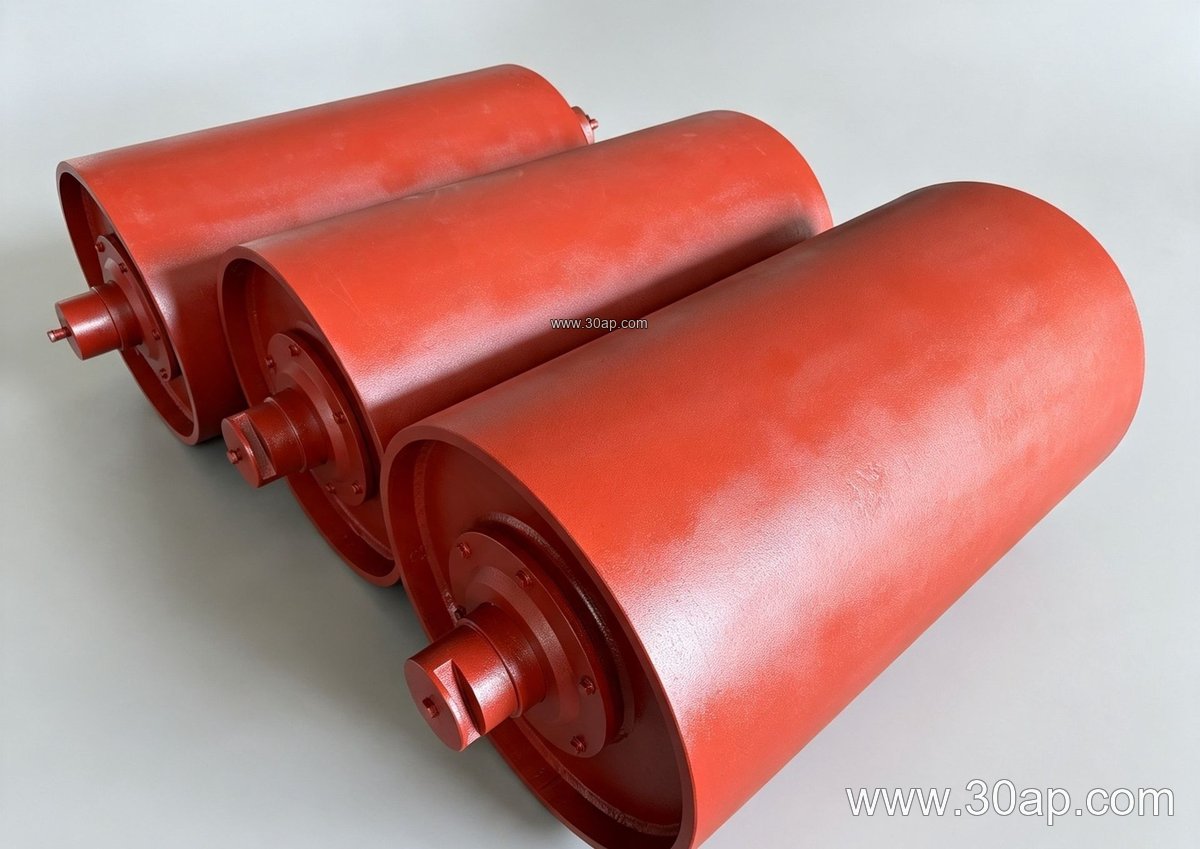
An integral pulley is a conveyor pulley in which the shell, end discs and hub assembly are built as one continuous welded structure rather than as a shell slipped over a separate shaft with bolted or keyed end plates. In everyday plant language, this is often called a solid-shell conveyor pulley or a one-piece welded drum pulley. The wording describes the construction, not the duty position, so an integral pulley can serve as a drive, tail, bend or tensioning unit depending on how the conveyor is arranged.
The distinction matters when comparing it with a drive pulley or a tail pulley. Those names describe where the pulley sits and what it does; an integral pulley describes how the body is made. A drive pulley might be integral, and so might a bend pulley. Buyers should therefore treat the two descriptions as complementary, not interchangeable.
How the Structure Comes Together
In a typical welded integral design, the shell is rolled from steel plate, machined end discs are fitted, and the shaft is joined to the hub by welding or by a shrink-fit connection, depending on the maker and the load case. After welding, the shell is machined and checked for runout so that the conveyor belt tracks evenly. The finished body is then balanced, coated and, where required, lagged.
Because there is no separate shell-to-end-disc joint to work loose, the body tends to hold its shape well under continuous load. That is useful on long overland lines, in crusher discharge positions and at transfer points where shock loads arrive with every bucket or truck dump.
Common Construction Parameters
The figures below are typical reference values, not fixed supply rules. Final dimensions follow the conveyor design, torque and belt tension.
- Belt width range commonly discussed: B400 to B2400
- Pulley diameters often quoted: Ø200, Ø250, Ø315, Ø400, Ø500, Ø630, Ø800, Ø1000, Ø1250, Ø1400
- Face width usually a little wider than the belt, for example B800 with about 950 mm face and B1400 with about 1600 mm
- Shaft diameters seen in practice: Ø50 to Ø200, chosen from torque and bearing load
- Lagging thickness: 8, 10, 12, 15 or 20 mm
A common combination such as B1200 × Ø1000 or B800 × Ø500 is a starting point for discussion, not a rule that ties one belt width to one diameter.
Where Integral Pulleys Earn Their Place
Heavy bulk handling is the natural home for this construction. In a limestone quarry, an integral pulley at the head of a primary discharge conveyor has to cope with sharp rock and constant abrasion. In a coal preparation plant, the same body style suits flame retardant conveyor belt circuits where the pulley must run true for long shifts. Cement plants use them on clinker and raw meal lines, while power station coal yards rely on them at transfer and tensioning points.
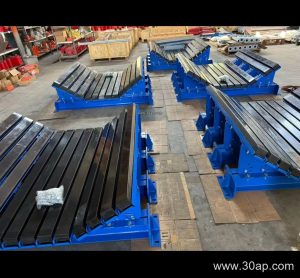
They also appear in less obvious duties: a sand and aggregate plant, a fertilizer granulation line, a grain silo outloading conveyor or a tunnel spoil removal system. In each case the surrounding equipment matters as much as the pulley itself, including the idler roller sets, the conveyor bracket fixings and the belt splice quality.
Lagging and Surface Choice
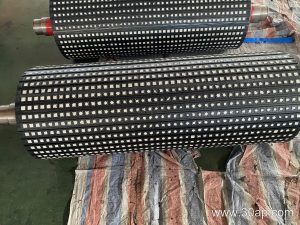
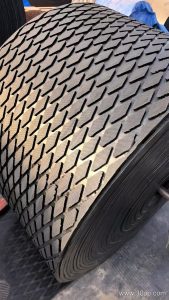
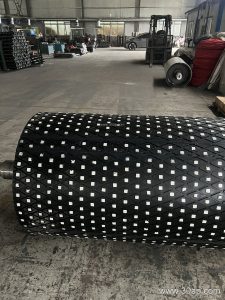
Surface form is selected from the contact problem, not from habit. Plain finish suits light duty and reversing arrangements where buildup is a risk. Diamond or herringbone lagging improves grip on wet or dusty belts. Ceramic lagging is chosen where slip and abrasion are both severe, such as a drive position handling abrasion resistant conveyor belt on ore. Rubber lagging in 10 or 12 mm is a frequent middle choice; 15 or 20 mm appears on larger drives.
The belt family should be considered together with the lagging. A steel cord line running steel cord conveyor belt may call for a larger diameter and a smoother, well-machined face, while a fabric line using EP conveyor belt often works well with standard diamond lagging.
What a Buyer Should Confirm
- Duty position and whether the pulley is a drive, tail, bend or take-up unit
- Belt width, belt type and expected maximum tension
- Required diameter and face width, with allowance for belt tracking
- Shaft diameter from torque and bearing load, not from belt width alone
- Lagging type and thickness, plus whether grooving or ceramic tiles are needed
- Bearing housing style and how the unit fits the conveyor bracket
- Balancing, runout and surface protection requirements
Ask for a dimension drawing and a materials description before ordering. A well-specified integral pulley, matched to its belt and its duty, is a quiet contributor to conveyor uptime in mines, quarries, cement works and ports alike.