What a Friction-Type Self-Aligning Idler Does
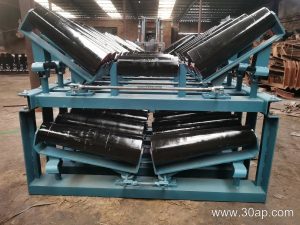
A friction-type self-aligning idler is a carrying or return idler that corrects belt misalignment without sensors, motors, or external controls. It sits in the conveyor frame like an ordinary idler roller, but its mounting and roller geometry let the moving conveyor belt steer the assembly. When the belt drifts toward one side, friction between the belt and the idler surface turns the idler slightly around a vertical pivot. That small rotation angles the rollers against the belt path and nudges the belt back toward the center line.
The working principle is mechanical and passive. No power supply is needed, and there is nothing to program. This makes the friction self-aligning idler a practical choice where dust, moisture, and heavy loads make electronic tracking systems troublesome.
How the Idler Is Built
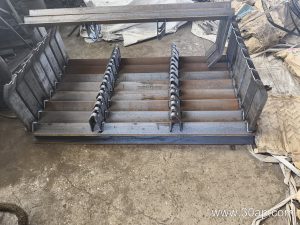
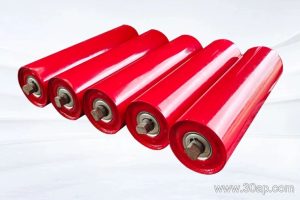
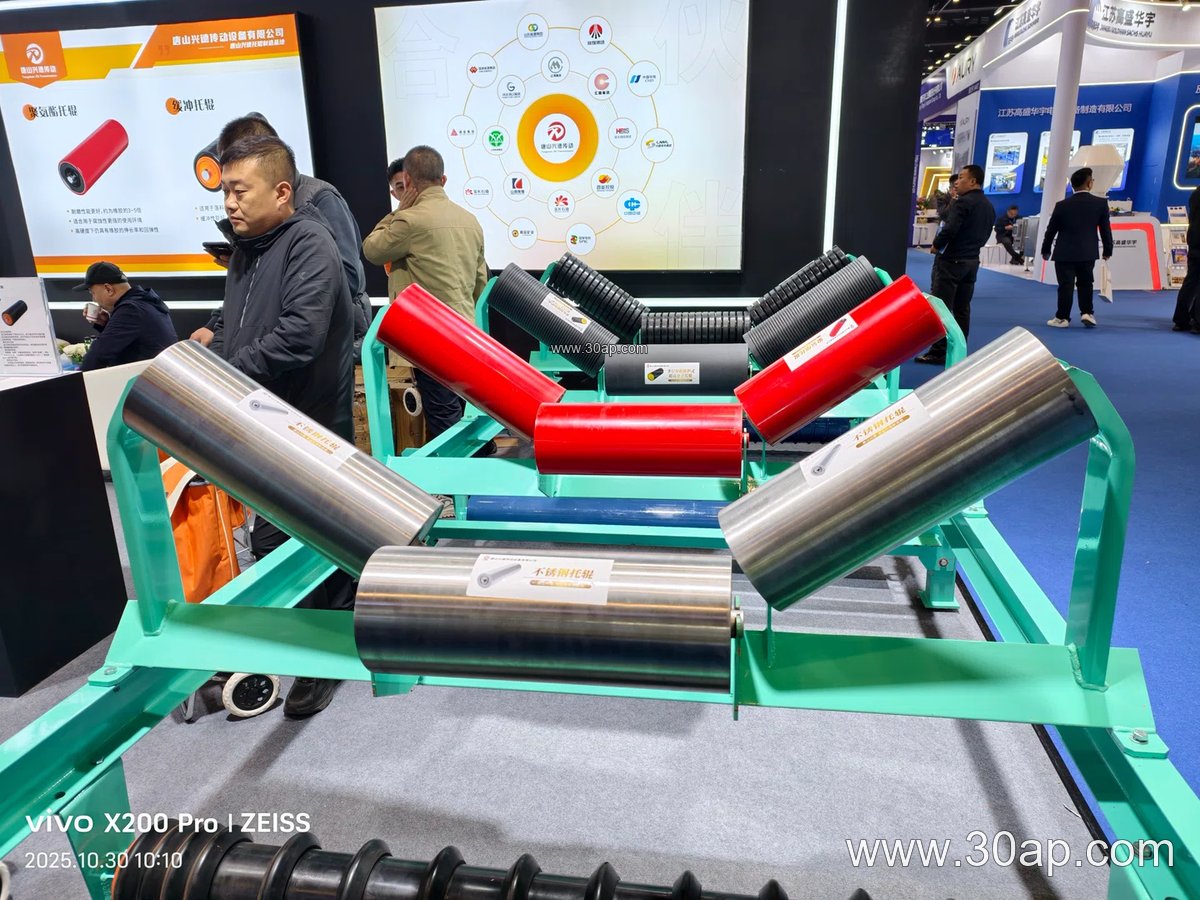
A typical unit combines a sturdy steel frame, a vertical pivot shaft, and two or three rollers arranged in a slight V or trough shape. The pivot bearing must move freely under load, so it usually gets a sealed housing and grease point. Rollers may have a plain steel shell or a rubber-covered surface; the rubber version improves grip on the belt edge, which matters when the conveyor runs wet or carries fine, sticky material.
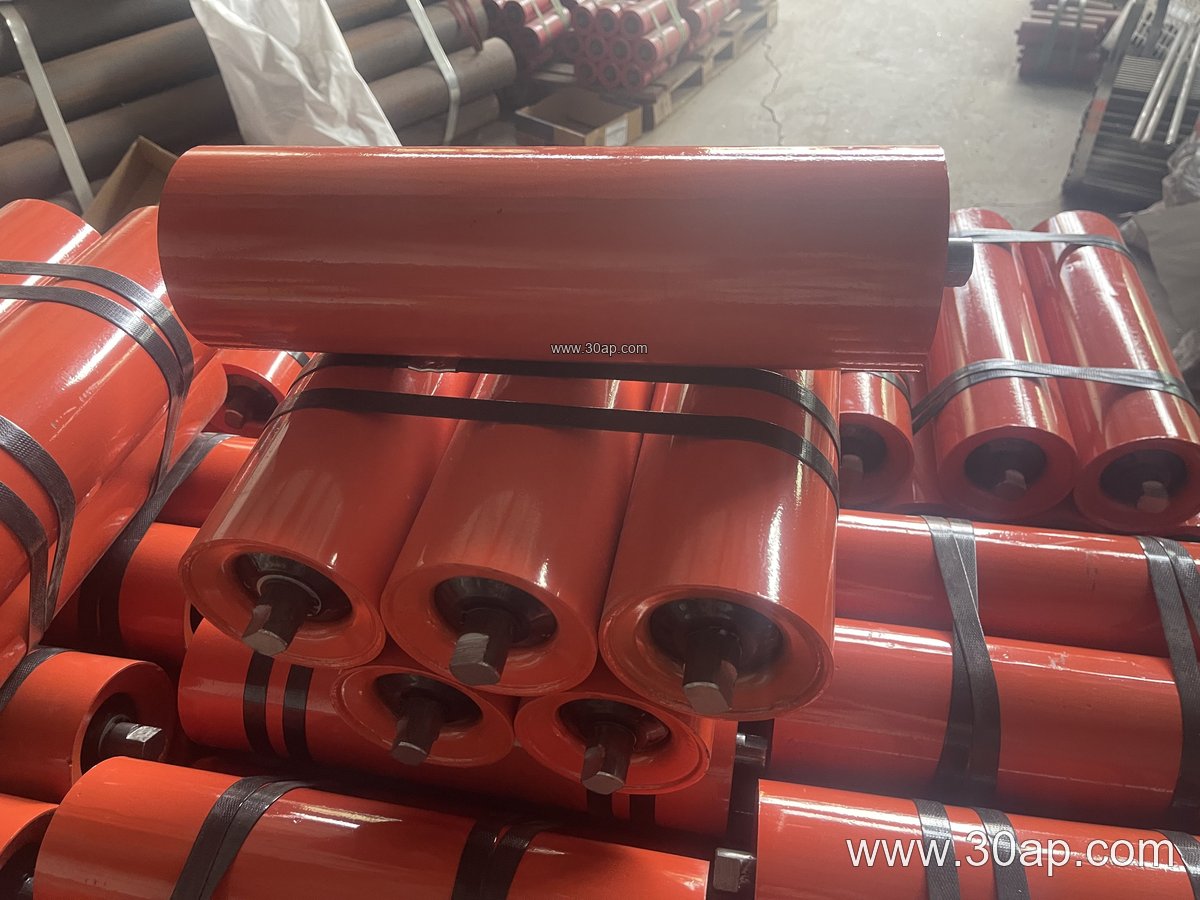
Common roller diameters for this family include Ø89, Ø108, Ø127, Ø133, and Ø159 mm, with larger sizes such as Ø178 or Ø194 mm used on wide, heavy-duty frames. Bearing sizes are matched to the load and shaft, for example 6205, 6305, 6306, or 6308, but a given bearing is not tied to one roller diameter. Belt widths range from B500 and B650 up to B1800, B2000, and beyond on large installations. Roll length changes with belt width, trough angle, and whether the assembly is two-roll or three-roll; a B800 three-roll set often uses rolls around 315 mm long, while a B1200 set may use roughly 465 mm rolls. These are common reference values, not fixed rules.
Where It Fits on the Conveyor
Friction self-aligning idlers are usually installed on the carrying side at intervals along a long run, especially after curves, transfer points, and loading zones where the belt is most likely to wander. On the return strand, a self-aligning return idler performs the same correcting job for the empty belt. They are common in quarry and aggregate lines, cement plants, coal handling systems at power stations, iron ore and copper ore concentrators, and port bulk terminals.
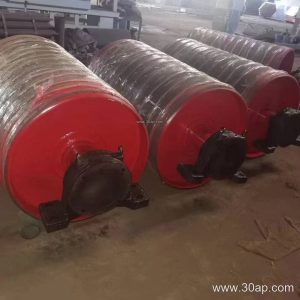
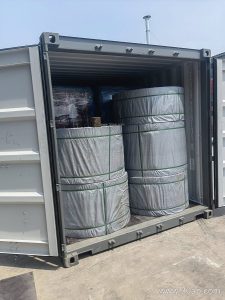
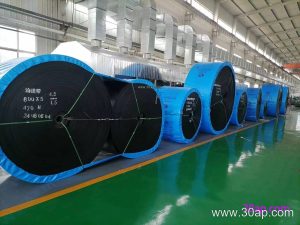
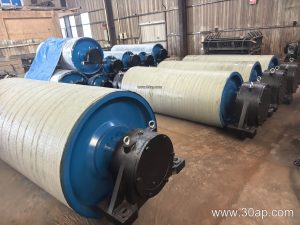
They work alongside the conveyor pulley, conveyor bracket, and conveyor belt rather than replacing any of them. A drive pulley pulls the belt, a tail pulley returns it, and bend pulleys change direction; none of these can be swapped for an aligning idler. The idler only guides. Its performance also depends on the belt itself: a heavy steel cord conveyor belt or a thick multi-ply fabric core belt needs a stronger frame and pivot than a light EP conveyor belt on a short run.
Selection Points for Buyers
Start with belt width and trough angle. A 35-degree trough is common, while 20, 30, and 45 degrees appear in specific designs. Match the idler to the belt’s stiffness, since a stiff steel cord belt resists steering more than a flexible fabric belt. Check the pivot for sealed protection and easy greasing, and confirm the frame fits the existing conveyor bracket spacing.
Consider the environment. In a coal mining conveyor or underground coal mining conveyor, flame retardant and anti-static properties matter for the belt, and the idler should cope with fines and moisture. In a cement plant or lime kiln area, dust and heat shorten bearing life, so sealed bearings and a heat-tolerant grease are worth specifying. On a quarry conveyor carrying sharp rock, a rubber-covered roller reduces belt edge wear.
Ask for the roller diameter, shell thickness, shaft size, bearing number, and total assembly height, not just the belt width. A supplier who quotes only one number is leaving too much to chance.
Installation and Maintenance Notes
- Mount the unit square to the belt center line; a crooked frame defeats the self-aligning action.
- Keep the pivot free of packed material and grease it on schedule.
- Inspect rollers for flat spots or seized bearings, which cause the belt to drift again.
- Do not over-tension the belt to hide misalignment; correct the cause instead.
- Replace worn rollers in pairs so the assembly steers evenly.
A friction-type self-aligning idler is a simple, low-maintenance answer to belt tracking on long conveyors. Chosen with the right diameter, frame, and roller surface, it keeps the belt centered through dusty, wet, and heavy-duty service.