What an Underground Conveyor Belt Does
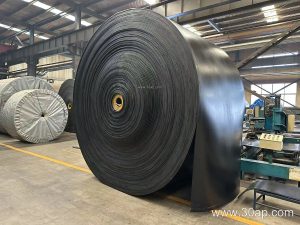
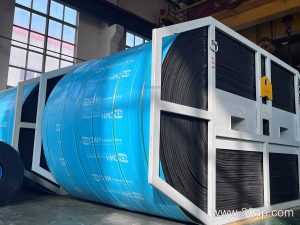
An underground conveyor belt is the load-carrying element of a belt conveyor installed in tunnels, mine roadways, and underground transfer systems. Unlike a surface installation, the belt works in a confined space with limited headroom, dust, moisture, and often strict fire-safety requirements. It moves crushed ore, coal, aggregate, or cement raw material from the mining face or crusher toward a shaft, incline, or surface stockpile.
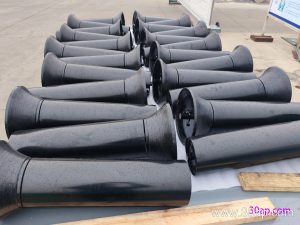
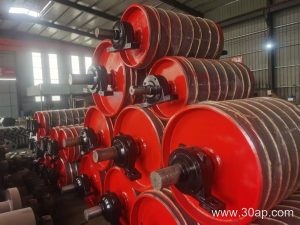
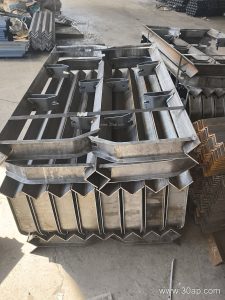
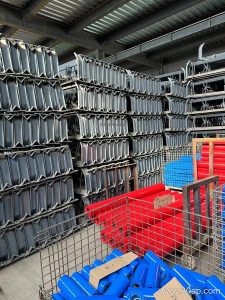
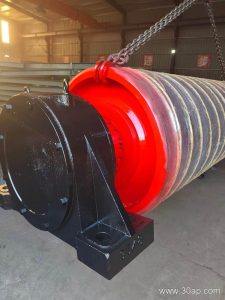
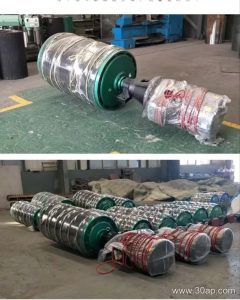
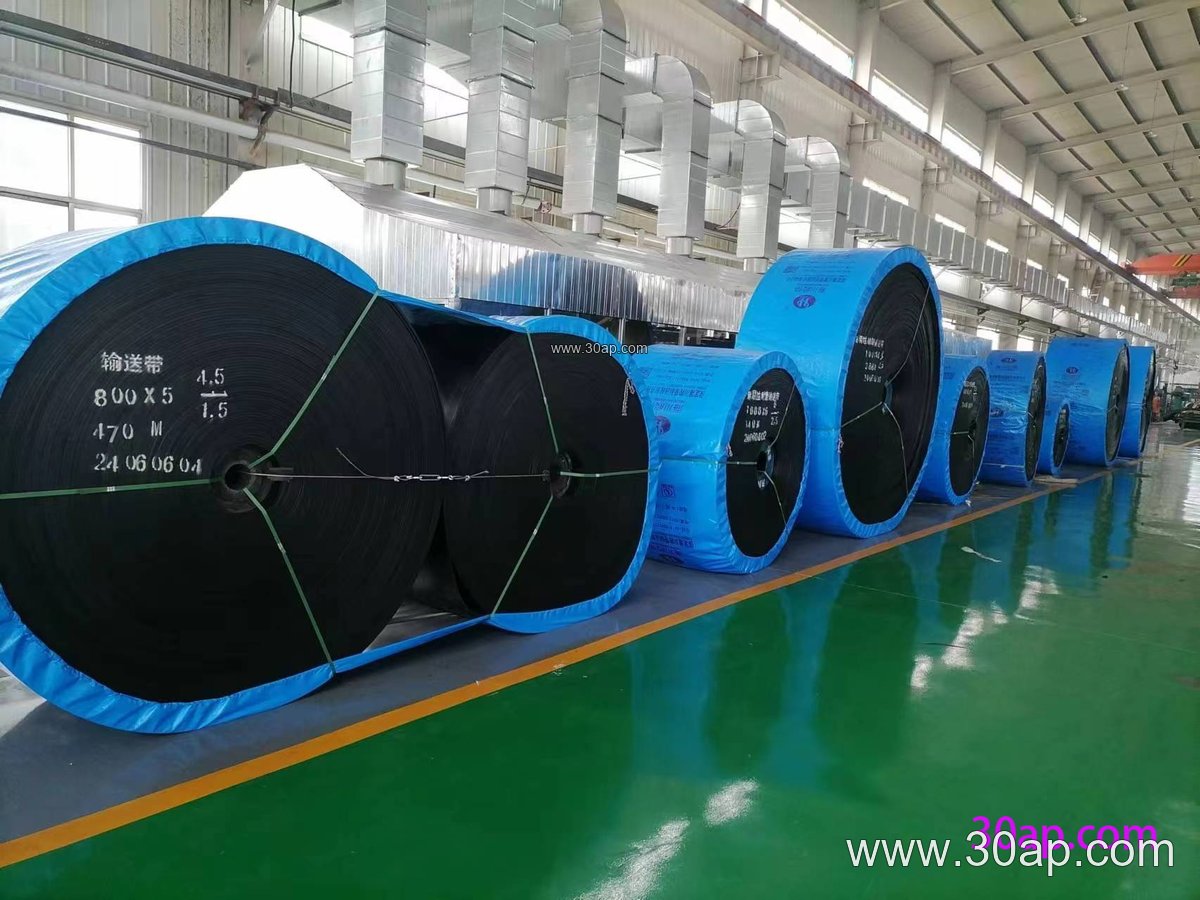
The product is a complete belt assembly: a tensioned endless loop that runs over a drive pulley, returns over tail and bend pulleys, and is supported by idler rollers mounted on conveyor brackets. The belt itself is the wearing component, and its carcass and covers determine how much load it can carry and how long it lasts.
Construction and Carcass Options
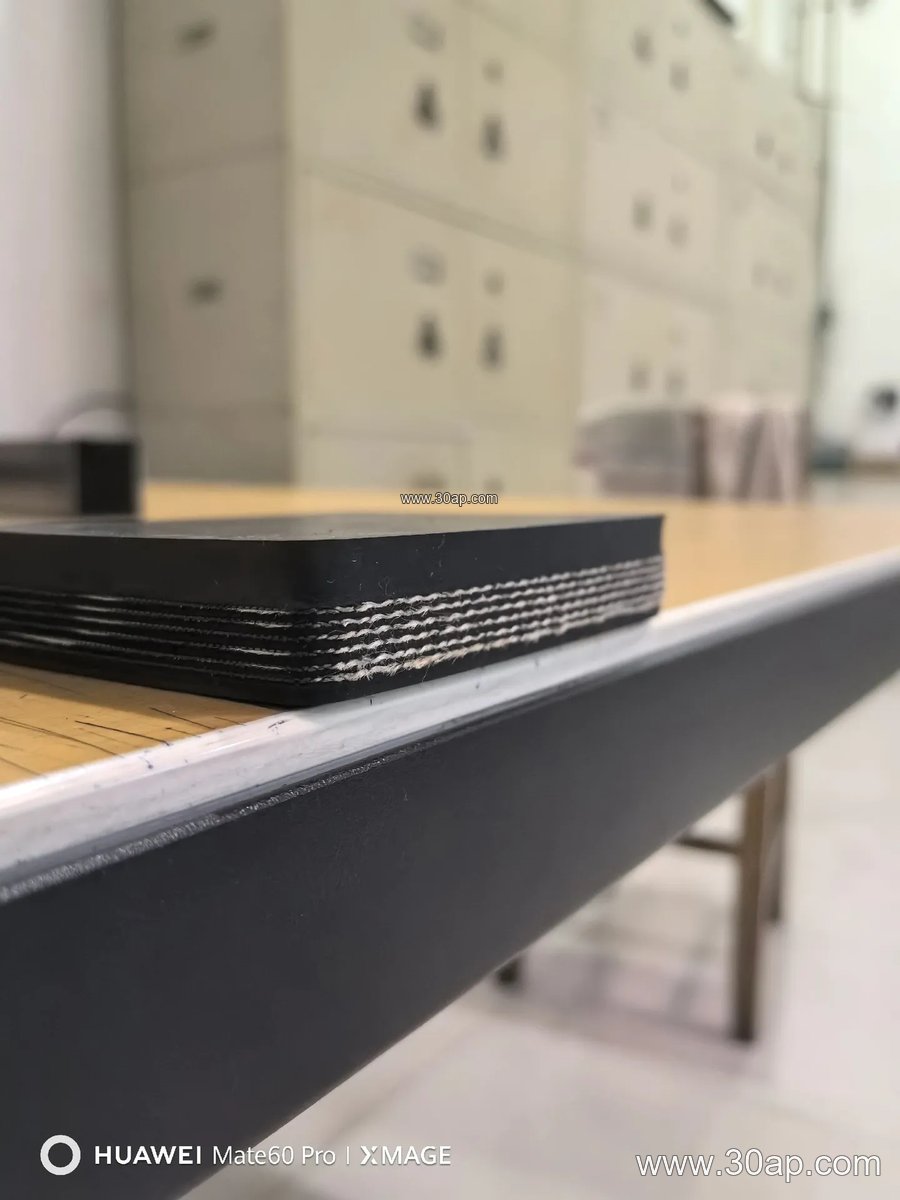
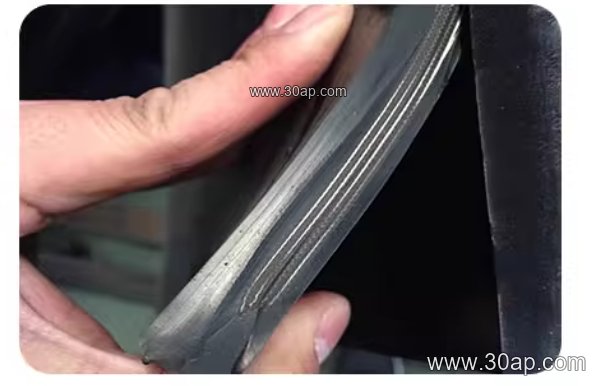
Most underground belts are fabric-cored or steel-cord reinforced. Fabric constructions include EP conveyor belt (polyester warp, nylon weft) and NN conveyor belt (nylon warp and weft). Multi-ply fabric core designs are common where impact and tear resistance matter more than ultimate tensile strength. Steel cord conveyor belt uses parallel steel wires for long, high-tension runs, and is often selected for main haulage lines where a single flight must span a long distance.
For coal mines, PVG conveyor belt (PVC-covered, rubber-covered solid woven) and PVC mining conveyor belt are widely used because the solid woven carcass resists tearing and the covers can be formulated for flame retardancy and anti-static performance. Rubber-covered fabric belts remain the default choice in metal mines, quarries, and cement plants.
Common Belt Types by Duty
- EP conveyor belt: general haulage, good fatigue resistance, widely available.
- NN conveyor belt: higher elongation, suitable for shock-loaded transfer points.
- Steel cord conveyor belt: long center distances and high tension.
- Flame retardant conveyor belt and fire resistant conveyor belt: underground coal and tunnel work.
- Abrasion resistant conveyor belt: ore, rock, and aggregate with sharp edges.
- Heat resistant conveyor belt: cement clinker, sinter, and hot bulk material.
- Oil resistant conveyor belt: machinery areas and oily feedstock.
- Chevron conveyor belt and corrugated sidewall conveyor belt: steep inclines and confined inclines.
- Pipe conveyor belt: enclosed transport to reduce spillage and dust in tunnels.
Typical Specifications and Reference Data
The table below gives common reference values, not universal requirements. Final belt width, strength grade, cover thickness, and ply count should be confirmed against the conveyor design, material lump size, and tension calculation.
| Parameter | Common reference values |
|---|---|
| Strength grade (EP/NN) | EP200, EP315, EP400, EP500, EP630, EP800, EP1000, EP1250, EP1600, EP2000; NN100 to NN400 |
| Steel cord grade | ST1000, ST1250, ST1600, ST2000, ST2500, ST3150 |
| Belt width | B500, B650, B800, B1000, B1200, B1400, B1600, B1800, B2000 |
| Cover thickness (top + bottom) | 3+1.5 mm, 4+2 mm, 5+2 mm, 6+2 mm, 8+3 mm |
| Fabric plies | 2 to 6 plies, depending on grade and duty |
A 1000mm or 1200mm width is common on main underground haulage, while narrower belts serve branch and transfer conveyors. Width and pulley diameter are matched through the conveyor design, not by a fixed rule; a wider belt does not automatically require one specific drive pulley size.
Where It Is Used
Underground coal mining conveyor belt systems dominate in coal roadways, where flame retardant and anti-static properties are usually mandatory. Metal mines use heavy-duty mining conveyor belt for iron ore, copper ore, and gold ore haulage, often with abrasion resistant covers and impact-resistant carcasses at crusher discharge. Quarries and aggregate plants use similar belts in tunnels and inclined drifts. Cement plants and power plants rely on heat resistant and oil resistant grades for clinker, limestone, and coal handling.
In all these settings, the belt works with conveyor pulleys, idler rollers, and conveyor brackets that must be aligned and maintained together. A misaligned idler roller or a worn bend pulley quickly damages the belt edge.
Buyer Checklist
- Confirm the material: lump size, moisture, temperature, oil content, and abrasiveness.
- Check fire and anti-static requirements for underground coal or tunnel use.
- Match strength grade and ply count to the calculated tension, not to habit.
- Select cover thickness for wear life; 6+2 mm or 8+3 mm is common in heavy ore duty.
- Consider splice type and whether an endless conveyor belt is preferred for long life.
- Verify pulley diameters and idler spacing with the conveyor designer.
For more belt, roller, and pulley options, visit underground conveyor belt and conveyor pulley pages. A correctly specified underground conveyor belt, paired with well-maintained rollers and pulleys, keeps haulage steady in mines, tunnels, and processing plants.