What a Heavy-Duty Lagged Pulley Does
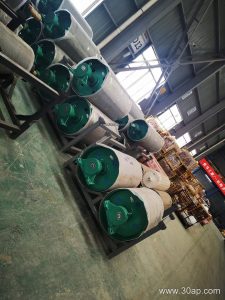
A heavy-duty lagged pulley is a conveyor pulley whose shell carries a bonded rubber or ceramic lagging layer and whose bearings, shaft and shell are built for high torque and continuous shock loading. In a quarry or a limestone mine, this component is usually the drive pulley at the head of the conveyor, although the same construction can serve tension or snub positions where grip and wear life matter. The lagging raises friction between the pulley and the conveyor belt, reducing slip when the belt is wet, dusty or heavily loaded.
The product is often called a rubber-lagged conveyor pulley or a lagged drive drum. Those names describe the same assembly; they do not make it a tail pulley or a bend pulley. Position still determines duty, and a heavy-duty lagged pulley at the head end is not a substitute for a bend pulley in the return run.
Construction Details That Matter
The shell is commonly a rolled steel drum with welded end discs, machined to accept the lagging. Shafts are sized from torque and radial load rather than belt width alone, so a B800 frame may run a Ø80 shaft in one duty and a larger shaft in another. Typical shaft diameters include Ø70, Ø90, Ø120 and Ø160, but the final value comes from the drive calculation.
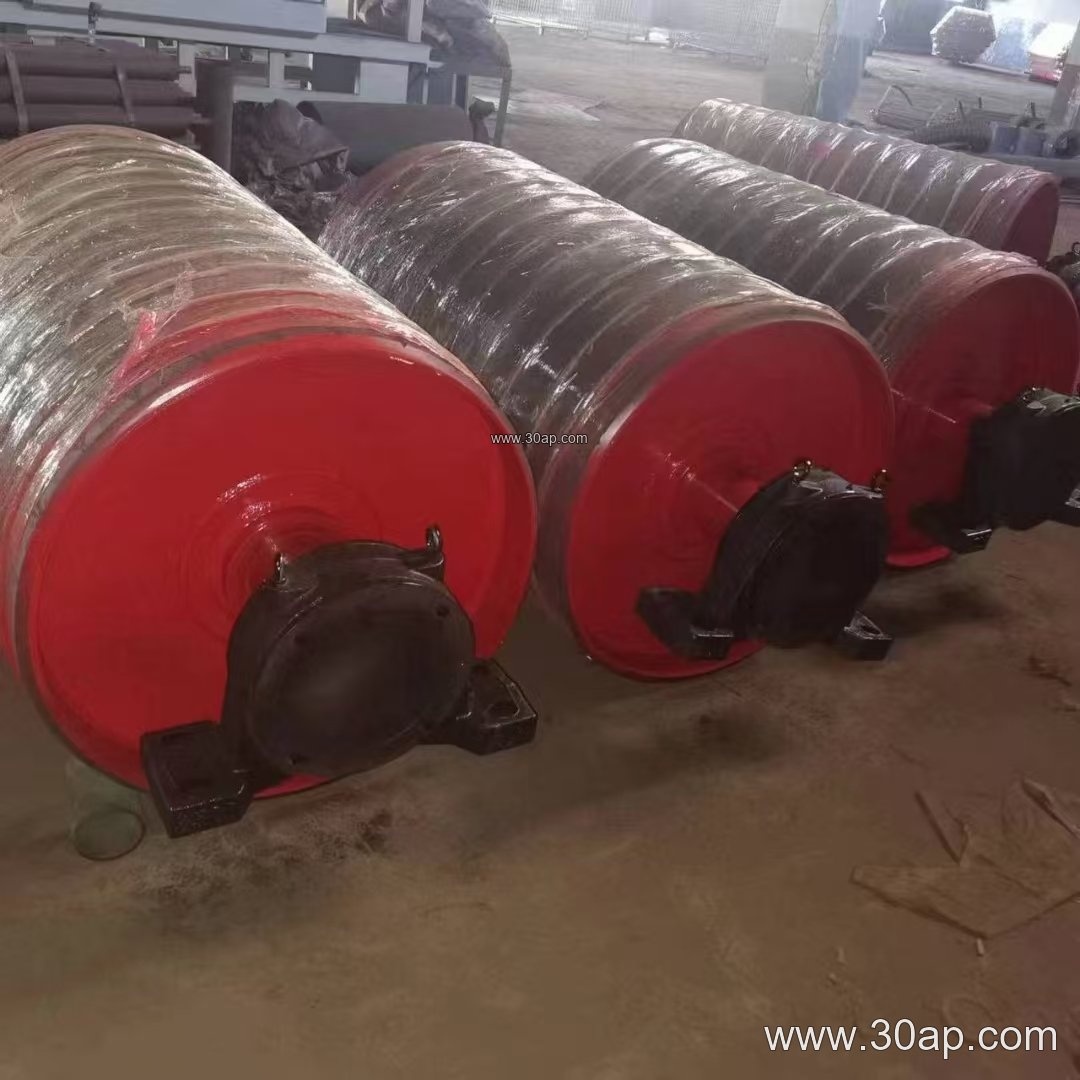
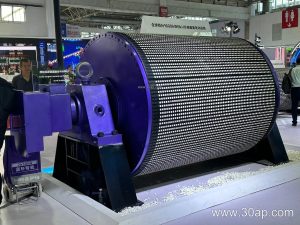
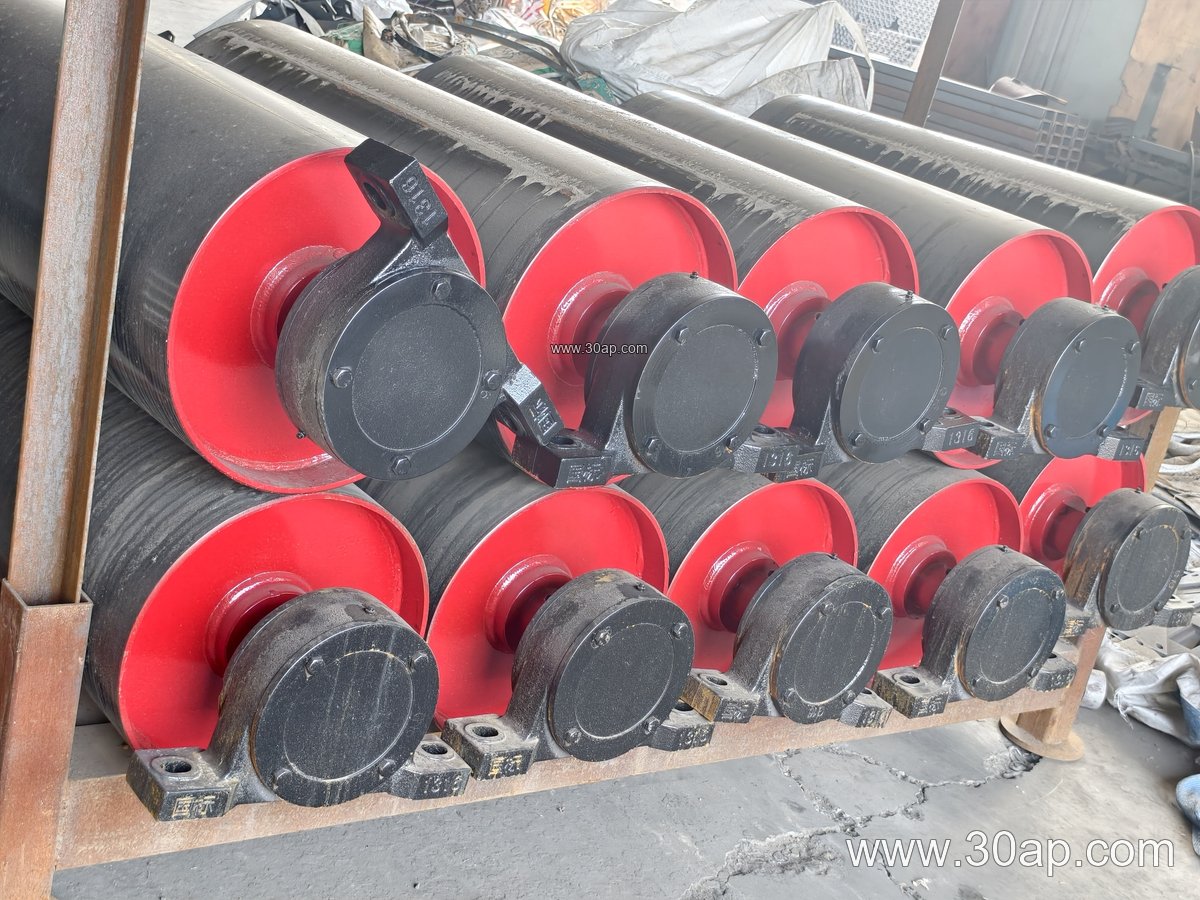
Lagging is applied in several ways. Cold-bonded rubber, hot-vulcanized rubber, diamond grooving, herringbone grooving, ceramic tiles and plain sheet are all available. Thickness is often 8, 10, 12, 15 or 20 mm. Diamond and herringbone patterns help shed water and fines; ceramic tiles suit abrasive iron ore or copper ore duty where plain rubber would polish smooth too quickly.
- Shell and end disc welding checked for runout
- Lagging bond tested for peel strength
- Bearing housing sealed against dust and washdown
- Balance and concentricity verified before dispatch
Sizing by Belt Width and Diameter
Face width normally exceeds belt width so the belt is fully supported. Reference combinations include B800 with roughly 950 mm face, B1200 with about 1400 mm face, and B1400 with about 1600 mm face. Diameter follows the belt path, wrap angle and tension, not a fixed rule. Common examples are B800 x Ø500, B1200 x Ø1000 and B1400 x Ø800, yet a wider belt can use a smaller or larger drum depending on the conveyor layout.
| Belt width | Typical face width | Common diameter range |
|---|---|---|
| B650 | about 750 mm | Ø400 to Ø630 |
| B1000 | about 1150 mm | Ø500 to Ø800 |
| B1600 | about 1800 mm | Ø800 to Ø1250 |
| B2000 | about 2200 mm | Ø1000 to Ø1400 |
These are reference values, not universal specifications. On a coal mining conveyor or a power plant coal handling line, the engineer usually confirms diameter together with the conveyor belt tension and the required wrap angle.
Where It Fits in the Plant
Heavy-duty lagged pulleys appear at transfer points in aggregate plants, cement works, sinter plants and port bulk terminals. In a crushing and screening circuit, the head pulley drives an abrasion resistant conveyor belt carrying blasted rock; the lagging must resist both slip and cutting. In a coal preparation plant, a flame retardant conveyor belt may run alongside this pulley, and the lagging compound should be compatible with the local fire-safety requirements.
The pulley also works with the conveyor bracket, the idler roller set and the belt tracking system. A poorly aligned bracket can overload one bearing even when the pulley itself is correctly rated.
Buyer Checklist
- Confirm the pulley position: head, drive, tension or snub.
- State belt width, belt type such as EP conveyor belt or steel cord conveyor belt, and belt speed.
- Provide calculated torque and the required lagging thickness.
- Specify surface pattern and compound hardness for the material handled.
- Check shaft diameter against the actual drive duty, not against width alone.
- Ask for dimensional drawings, lagging test data and bearing selection notes.
For B1200 and larger frames, discuss bearing access and lifting points early. A heavy-duty lagged pulley is a long-life component, but it rewards buyers who match lagging, shaft and bearing to the real load profile.