What a Conveyor Bracket Assembly Does
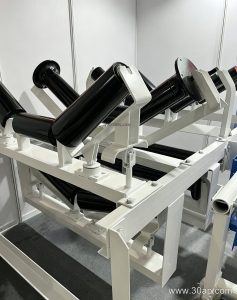
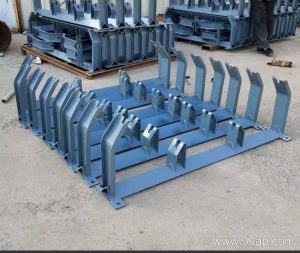
A conveyor bracket assembly is the structural interface between the conveyor frame and the idler roller that carries the belt. In a quarry, a coal preparation plant, or a cement clinker line, the bracket holds each roller at the correct height, angle, and spacing so the conveyor belt runs smoothly under load. Rather than a single loose part, the assembly usually groups the bracket body, mounting plates, bolt holes, and sometimes a cross beam into one bolt-on unit that can be fitted or replaced without cutting the main frame.
The same assembly is also known as a conveyor idler bracket set or idler support bracket, and that equivalent name refers to the same product. It should not be confused with a drive pulley bracket or a tail pulley bracket, which support a conveyor pulley rather than a roller.
How the Assembly Is Built
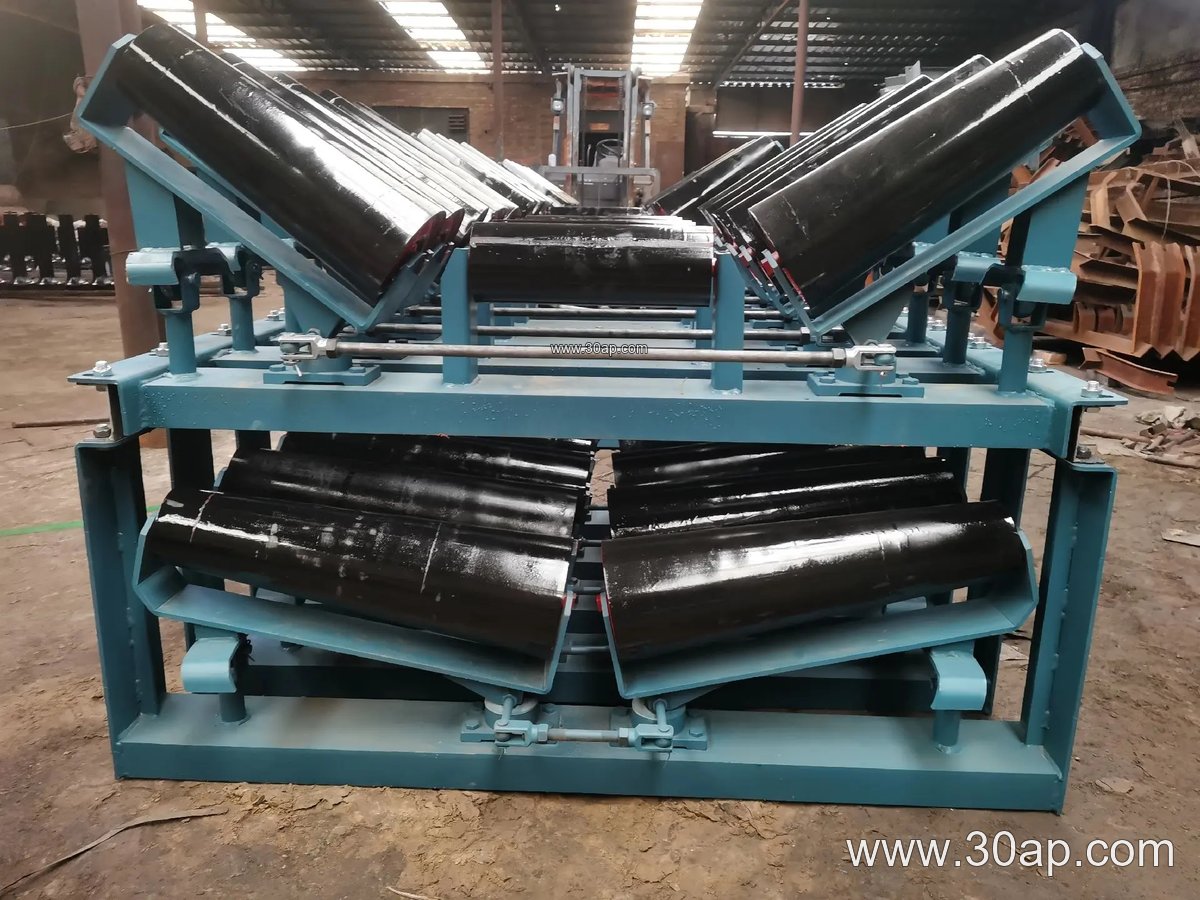
Most assemblies are fabricated from angle steel, channel steel, or bent steel plate. The material choice depends on the load and the environment: a gravel line with constant fines may use a heavier channel section, while a lighter aggregate transfer point may use bent plate. Common construction details include:
- Slotted or drilled mounting holes for fine alignment
- Welded or bolted cross beams sized to the belt width
- Reinforced corners where the roller shaft seats
- Optional adjustment plates for trough angle changes
Fabrication quality matters because a bracket that twists under load will tilt the roller and cause belt mistracking. Buyers should look for square frames, consistent hole spacing, and a surface treatment suited to the site, such as painting or galvanizing for wet or coastal conditions.
Where It Fits on the Conveyor
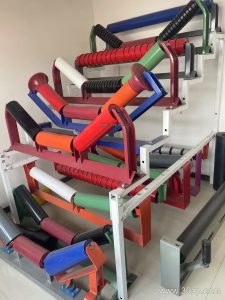
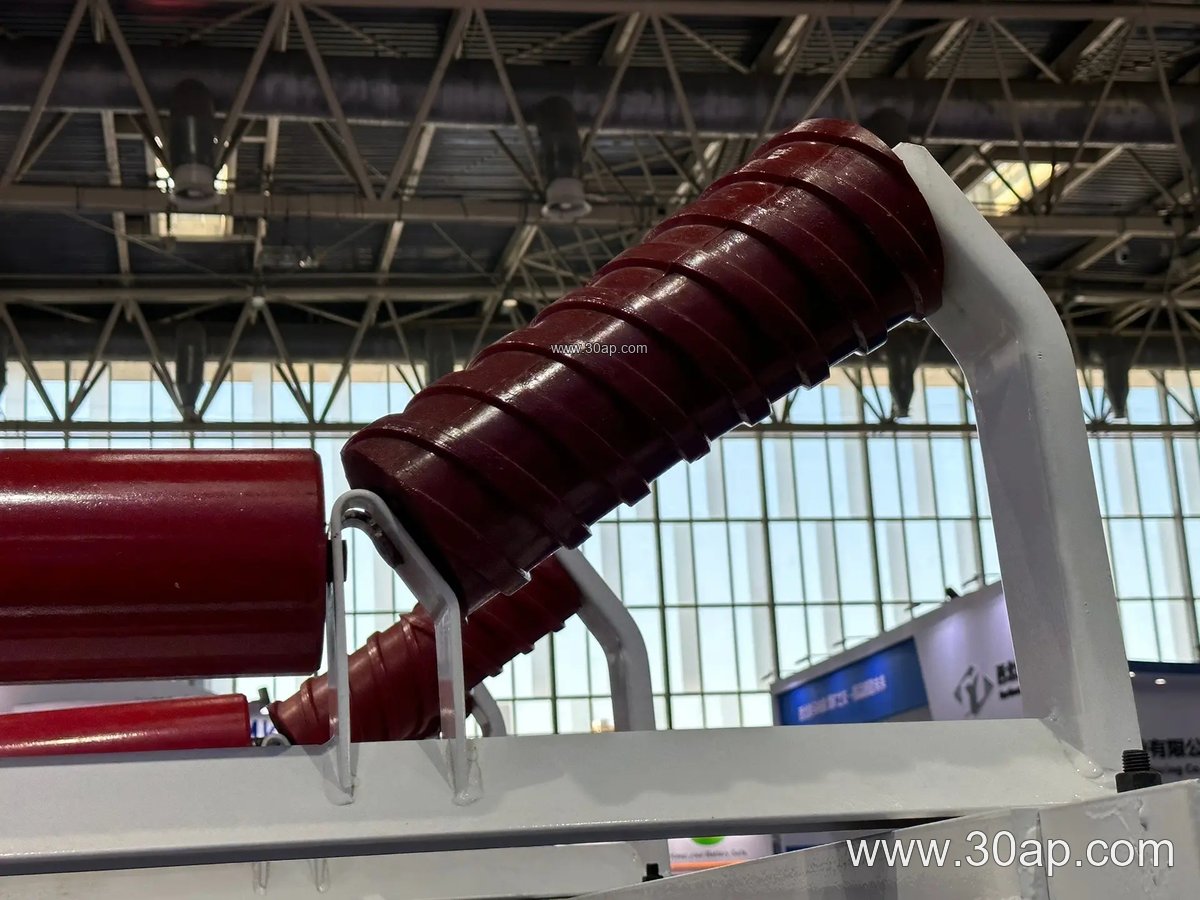
The assembly appears at several points along a conveyor. Troughing brackets support the carrying side and set the trough angle, typically 20, 30, 35, or 45 degrees. Return brackets hold the belt on the lower run, and a V-return bracket helps center the belt on the way back. Impact brackets sit under the loading point to absorb shock from falling material, while self-aligning brackets correct minor mistracking. Transition brackets guide the belt from the flat pulley area into the trough section.
In an underground coal mining conveyor, flame retardant conveyor belt and anti-static conveyor belt are common, and the bracket assembly must be robust enough for continuous operation. In a power plant coal yard, an abrasion resistant conveyor belt runs over the same style of bracket, and the assembly is often specified with a corrosion-resistant finish.
Matching Brackets to Belt and Roller
Belt width and roller diameter are linked through the bracket design, but there is no single fixed pairing. A B800 conveyor may run with Ø89 or Ø108 rollers depending on load and speed, while a B1200 line may use Ø133 or Ø159. The table below shows typical reference combinations; actual values should follow the conveyor design.
| Belt Width | Typical Trough Angle | Common Roller Diameter | Bracket Note |
|---|---|---|---|
| B500 | 20–30 degrees | Ø89 | Light duty, bent plate |
| B650 | 30 degrees | Ø89–Ø108 | Standard troughing |
| B800 | 30–35 degrees | Ø108 | Adjustable option |
| B1000 | 35 degrees | Ø108–Ø133 | Channel steel frame |
| B1200 | 35–45 degrees | Ø133 | Heavy duty troughing |
| B1400 | 35–45 degrees | Ø133–Ø159 | Reinforced cross beam |
| B1600 | 35–45 degrees | Ø159 | Impact brackets at load point |
| B1800–B2000 | 35–45 degrees | Ø159–Ø194 | Heavy channel section |
Installation hole spacing and cross beam length change with belt width and trough angle, so these should be confirmed against the drawing rather than assumed.
Selection and Maintenance Notes
For a new installation, confirm the belt width, roller diameter, trough angle, and whether the bracket must be fixed or adjustable. Adjustable brackets allow the trough angle to be tuned between common angles, which is useful when the same frame handles different materials. Fixed brackets are simpler and cheaper but less flexible. On a ship loading conveyor or a crusher discharge, impact brackets and reinforced assemblies reduce downtime from shock loading.
During service, check bolt tightness, corrosion at the mounting holes, and any bending of the bracket body. A loose bracket can shift a roller and wear the edge of a fabric core conveyor belt or a steel cord conveyor belt prematurely. Replacing a worn bracket assembly before it distorts the roller frame is cheaper than replacing rollers and belt sections.
For belt and bracket matching, sites often review the conveyor belt specification together with the roller and bracket drawing. Whether the line uses an EP conveyor belt, an NN conveyor belt, or a heat resistant conveyor belt, the bracket assembly remains the stable base that keeps the belt tracking straight.