What a Food Grade Conveyor Belt Is
A food grade conveyor belt is a belt designed for conveying food, food ingredients, and food packaging in hygienic conditions. It combines a load-bearing carcass with covering materials that are intended to resist moisture, oils, fats, and frequent cleaning. Where a standard Rubber Conveyor Belt is built mainly for tonnage and abrasion, this belt class is built around cleanliness and product contact. In a food plant the belt is often the main surface a product touches, so the belt specification deserves the same attention as the mixer, filler, or packaging line downstream.
The name is a product category rather than a brand. It covers belts made with different carcasses and surface compounds, and several subtypes are common. A PVC conveyor belt is widely used on light-duty lines, while a polyurethane surface suits wet or oily products. Fabric-reinforced belts are common where the belt must track well around smaller pulleys.
How the Belt Is Built
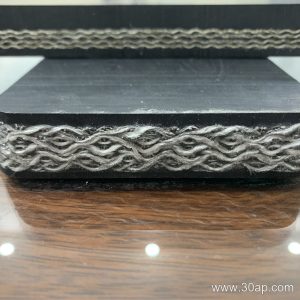
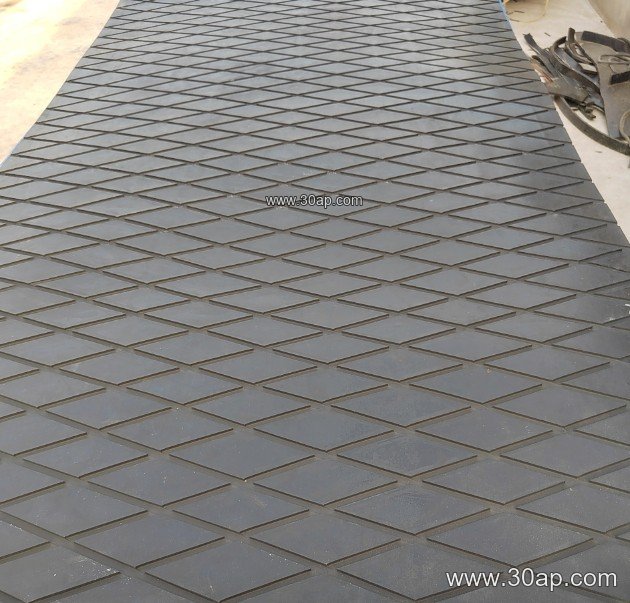
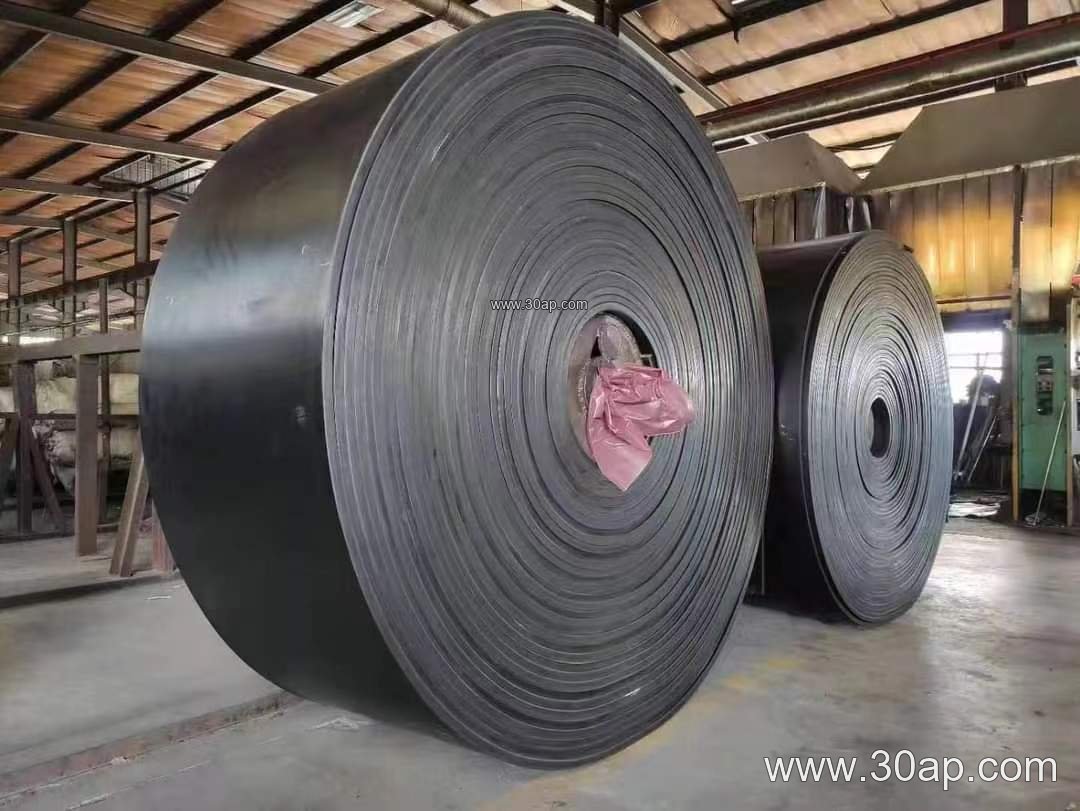
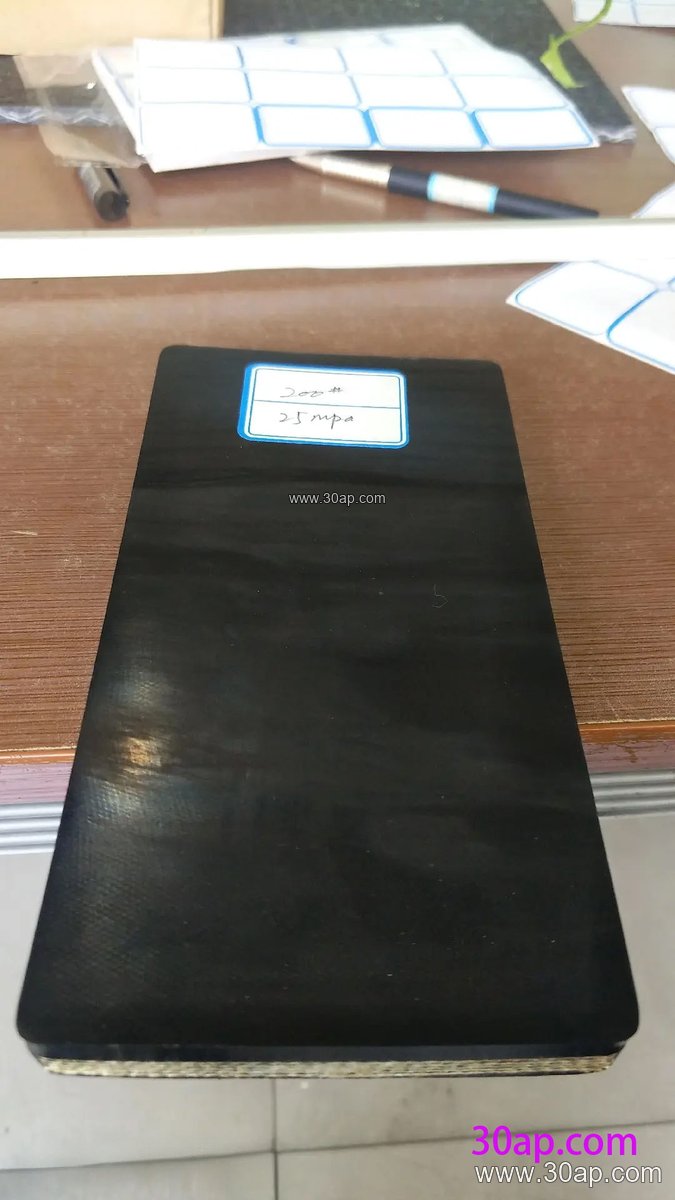
Most food grade belts use a fabric carcass, such as EP fabric or NN fabric, laminated in two to four plies. The carcass carries tension and resists stretch; the cover compound provides the food-contact surface. Cover thickness is usually modest, often 1.5 to 3 mm per side on light food lines, because thick rubber covers are hard to clean and add unnecessary weight. In many designs the top cover is smooth and the bottom cover is fabric-impregnated or fitted with a low-friction layer for easy sliding.
Surface finish matters more than raw strength. A smooth, non-porous cover sheds crumbs and cleans down more easily than a deeply textured one. Where product needs to climb an incline, a Chevron Conveyor Belt or a Corrugated Sidewall Conveyor Belt may be considered, but those profiles can trap food residue and complicate cleaning. That trade-off between elevation and hygiene should be settled at the design stage.
Typical reference values for food grade construction
Values below are indicative reference data. Actual belting is specified per application, and different manufacturers offer different combinations.
| Parameter | Common reference range |
|---|---|
| Belt width | 500 mm, 600 mm, 650 mm, 800 mm, 1000 mm, 1200 mm |
| Carcass | 2 to 4 plies of EP or NN fabric |
| Cover thickness | 1.5+1.5 mm, 2+1.5 mm, 3+1.5 mm |
| Tensile grade | EP200, EP315, EP400, EP500 (light to medium duty) |
| Surface | Smooth, matte, or lightly textured |
Where Food Grade Belts Are Used
These belts appear in bakeries, confectionery plants, snack lines, fruit and vegetable sorting, meat and poultry processing, dairy plants, and packaging halls. They also serve in grain and flour handling, sugar refineries, and beverage bottling. Some plants use them on inspection tables, weigh stations, and metal-detector feed sections, where a stable, flat belt surface keeps product orientation predictable.
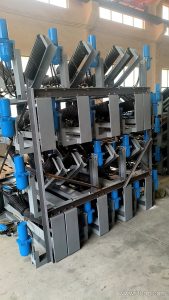
The working environment is different from a quarry or a coal mine. A Quarry Conveyor Belt or a Mining Conveyor Belt is judged by abrasion life and impact resistance; a food grade belt is judged by cleanability, odour control, and resistance to cleaning chemicals. That is why a belt that performs well in a Cement Plant Conveyor Belt duty is not automatically suitable for a food line. The pulley and idler arrangement also differs: food conveyors tend to use smaller diameters, more closely spaced idler rollers, and stainless or coated frames.
What a Buyer Should Check
- Contact suitability: confirm that the cover compound is intended for direct food contact where the product touches the belt directly.
- Cleaning regime: state whether the line is washed with water, foam, or dry-cleaned, and whether the belt runs through a wash box.
- Oil and fat exposure: an Oil Resistant Conveyor Belt compound may be needed for fried or fatty products.
- Temperature: hot product or hot wash water may call for a Heat Resistant Conveyor Belt cover, while freezer rooms may need a Cold Resistant Conveyor Belt.
- Static control: where dust or solvent vapour is present, an Anti-Static Conveyor Belt construction is worth discussing.
- Tracking: check the conveyor pulley diameters and take-up travel so the belt carcass flexes without cracking. Do not assume one belt width matches one pulley diameter.
Maintenance points
Inspect edges for fraying, covers for cuts and staining, and splices for lifting. Clean idler roller surfaces and check that the conveyor pulley lagging has not picked up product build-up, which can misalign the belt. Keep the conveyor bracket and frame free of crumbs and standing water. A belt that is cleaned daily and inspected weekly usually lasts far longer than one that is cleaned only when production stops.
For plants that also run bulk raw materials, it is common to keep a general-purpose belt on the intake side and the food grade belt on the finished-product side. Matching belt type to duty, rather than using one belt everywhere, keeps both hygiene and wear under control. Buyers can compare carcass grade, cover thickness, and surface finish first, then confirm the belt width and splice method against the actual conveyor frame.